Jason Rip – London’s Man for all Seasons

by J. Bruce Parker

Jason Rip is very much aware that his name will also be his epitaph. Mention this to him, and his eyes narrow slightly, accompanied by a nefarious smile. This is understandable as the poet, author, actor, director, comedian, and cartoonist has incorporated a sense of the macabre into much of his work.

With all these titles before his name, I ask, “Who is Jason Rip”?

He diffuses it down to “I’m a storyteller.”

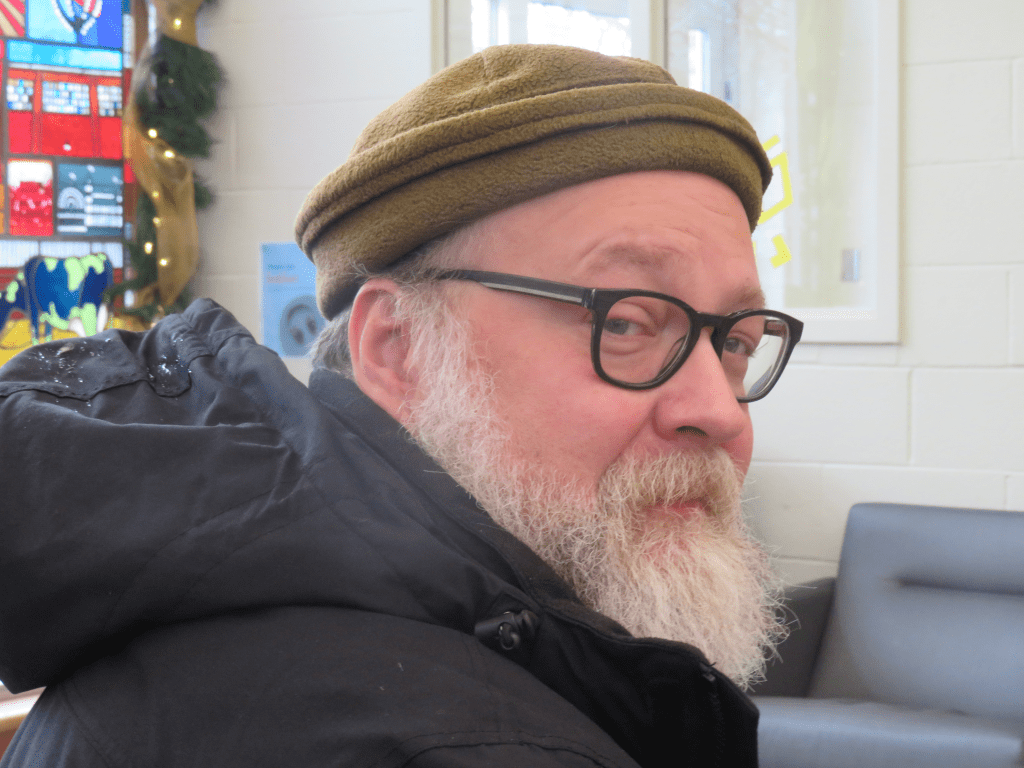
I met up with Jason at one of his favorite haunts, the Landon Library in South London. He was deep into Charles Dickens’ heavy-handed tome, Bleak House, and also researching the Boer War for an upcoming book.

Jason’s stories, many evolving into plays, exactly 100 of them with 74 being produced, also tell the story of Jason Rip in some way or another. Two of his plays were written about London luminaries, Marc Emery and Roy MacDonald.  

With the finality of his theatrical work ending at 100, he adds, “I stopped writing plays after my 100th as I felt no one needs to write more than 100 plays”. His notion of practicality certainly hasn’t diminished his restless creative spirit.
Jason Rip was born in Guelph, migrated to Indiana due to his father’s work as a biochemist, and ended up in London when he was six.

He was formally educated at the University of Western Ontario and, as a teacher, taught in Tillsonburg as well as at South Secondary School in London.

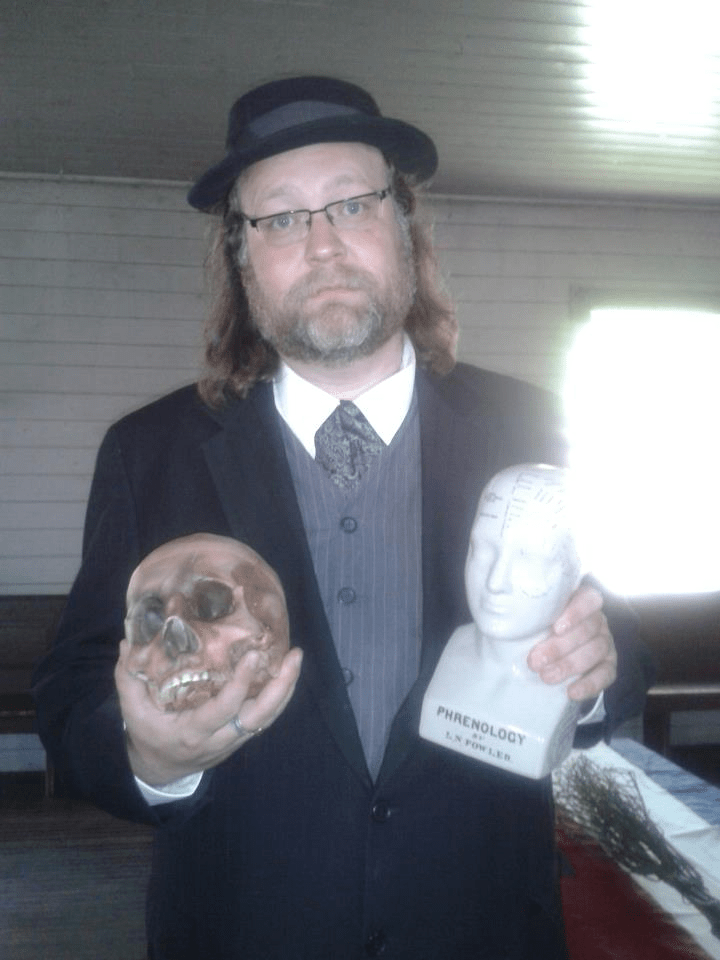
At six foot six, Jason Rip is an imposing figure.

“A lot of people have told me that I am intimidating when they first meet me. I can’t help being six foot six.”

His love of theatre inspired him to seek out roles, but in his own words, “If you are the dimensions that I am, there are limits on roles that you will get.”                                                    

In a 2018 documentary, directed by Matthew Downs and produced by Faith Clark, appropriately titled A Tombstone Epitaph, Jason is described as “a big man with strong opinions.”

In the film, Jason tells us, “I didn’t really choose theatre, it chose me, but I know I am passionate about it to the exclusion of almost everything else; relationships, jobs, money, or whether I eat or not. I do what I want. I don’t think I am influenced by whether it is going to sell or if anybody is going to want to see it. I am doomed to a low budget, but I do what I want. In terms of a guy who writes in this town, I am the last man standing”.

He slyly adds, “I have never written anything that shouldn’t be burned in a fire.”
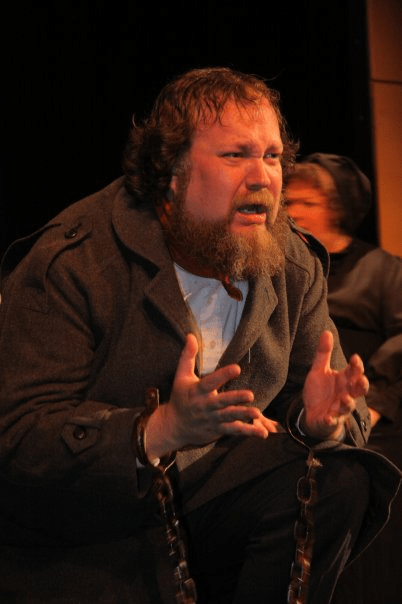
As an aspiring actor, Jason began writing plays to create parts for himself. “The playwriting came as I wasn’t satisfied with the parts I was getting.”

Reflecting on his own life, he took to writing plays about the downcast, the vulnerable, the destitute, and marginalized; those who are swept aside or misunderstood by society.

This could be defined in a work he co-created with Rachel Ganz and performed at Manor Park Theatre in 2024. Man Up is a definitive and somewhat uncomfortable look at the issue of male suicide. All five performances were sold out. He expressed on his Facebook page that the play was for “the precious few who prefer their theatre to be hard-hitting social commentary instead of song and dance, and for all who have lost loved ones to the ‘unspeakable’ but everyday tragedy.” Jason cast seven local actors to perform the eighteen scenes/vignettes.
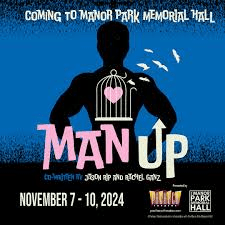
The play demonstrated the role of masculinity in our society; the perceived image of what a man is about and the myths of machismo. To make it timely, consider the highest point of office in the U.S. by an individual who has proven himself as an example of the worst kind of toxic masculinity.

His previous theatrical works explored the lives of artist Andy Warhol, poets Arthur Rimbaud and Edgar Allen Poe, and jazz musician Chet Baker; all highly creative but troubled souls. 

Jason tells me, “I started out my life feeling like an outcast, and in some ways, I still feel like one, with what separates me from others is quite extreme, but it is also a source of strength. I write about the poor and destitute because I can’t stand the problems of the rich. I work with people who don’t have anything, and that is where my sympathy lies.”

And Jason would know, as he recently retired from a ten-year career working the night shift at Unity, a homeless shelter which he proudly states has no religious affiliation.

He defines himself as ‘nocturnal’ and, despite working the night shift, which he admits “makes me a little crazy”, he continues to write. 

“I can knock off a short story in one fevered session or a page in a day,” adding, “I write obliquely about everyday stuff, always turning a bit of a twist to the story. I like my little niche.”

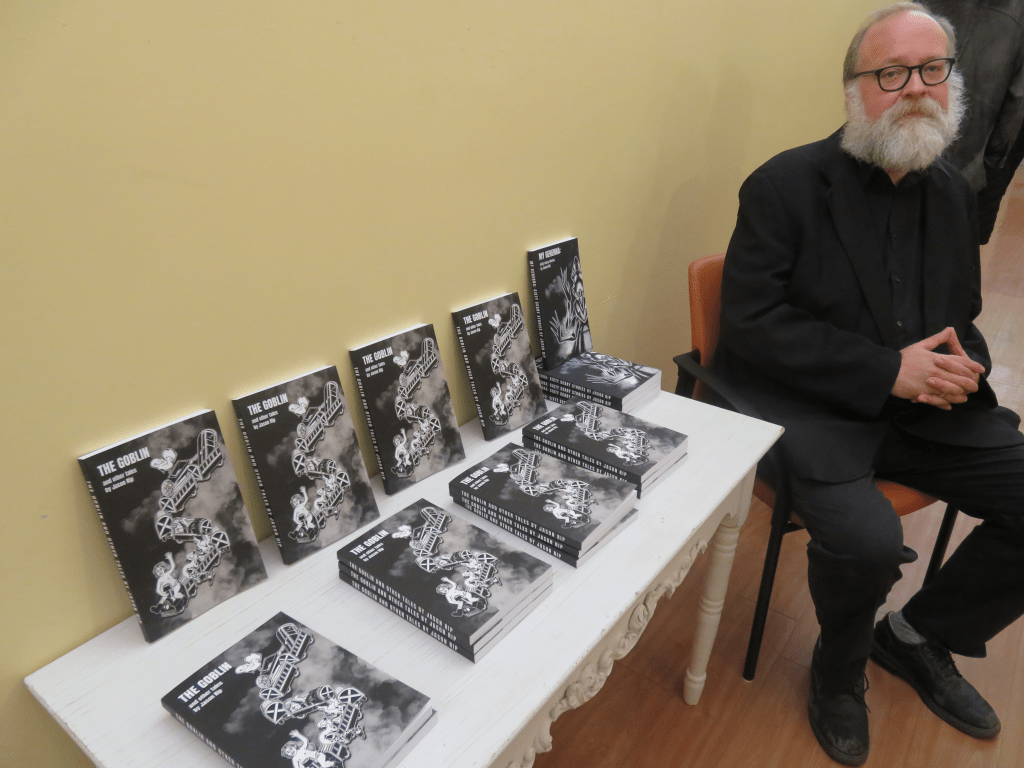
Thirty years of writing have evolved into Jason’s most recent works. My Gehenna, published in 2024, was quickly followed up by The Goblin and Other Tales, released in 2025. Both volumes delve into the world of horror. He introduces the reader to the dark side of humanity; to those misfits who live beyond the fringes of scruples and sanity. The troubled and invective characters he creates transport the reader along a journey of both humor and horror. There are those defined with a “fondness for acts of indecency,” and Mr. Rip boils it all down to “people being nasty to each other.”

My Gehenna and The Goblin and Other Tales can be purchased through Amazon.

A copy of his first book was given to a homeless man who dubbed Jason Rip as “the Dostoevsky of Goof Town”, a title which he relishes.

The stuff of Jason Rip comes from both the likes of Edgar Allen Poe and William Shakespeare, whose entire theatrical work Jason has read. And there is American author Norman Mailer, whom Jason decrees is America’s Tolstoy.

Musically, in his writing, there is an inspiration from both the likes of musicians Tom Waits and Warren Zevon, who documented his terminal diagnosis of cancer over three albums. It is this dark and unexploited channel of human life that seems to propel his desire to continue writing.
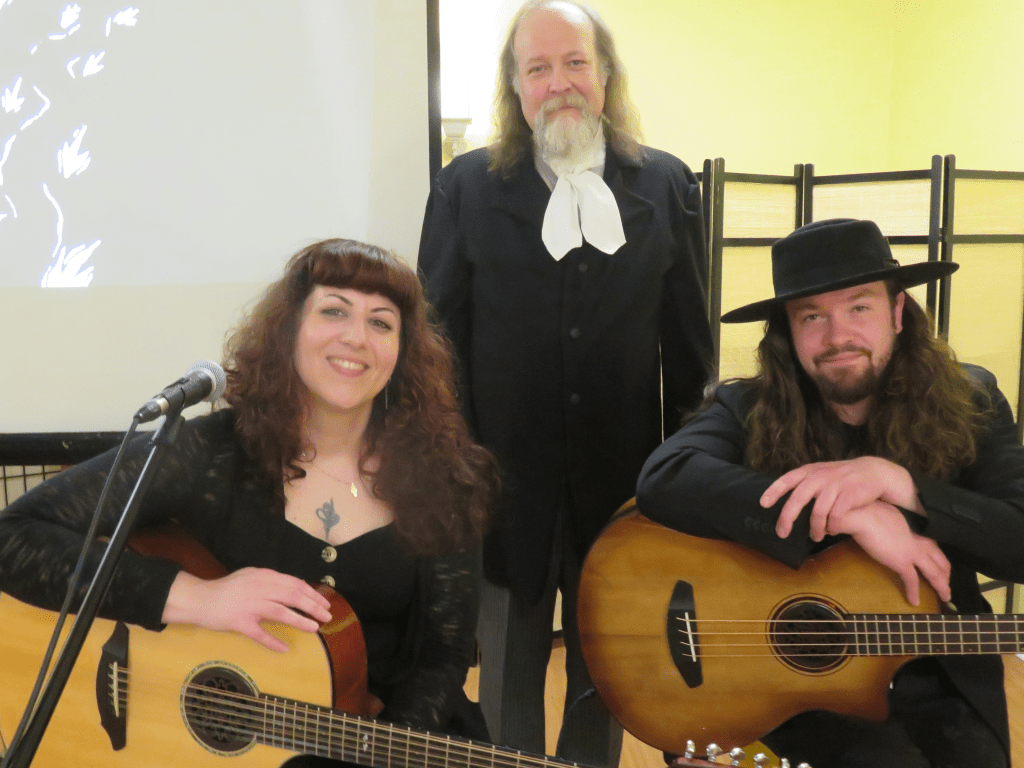
(Pictured: Anne Moniz, Jason Rip, and Daniel Oniszecko.)

His life’s work, which he decrees, “One of the happiest things of my life is that I feel that I have written everything that I need to write,” has also recognized by our community. Jason was awarded the 2018 Chris Doty Lifetime Achievement award, as well as being recognized as a “Distinguished Londoner”. He is grateful for both accolades.

You can often find Jason Rip at the Landon Library in Wortley Village, possibly inspired by the solace and solitude that a library offers.
Leaving the theatre behind, trust that something dark, sinister, but highly compelling will come out of London’s premier storyteller.

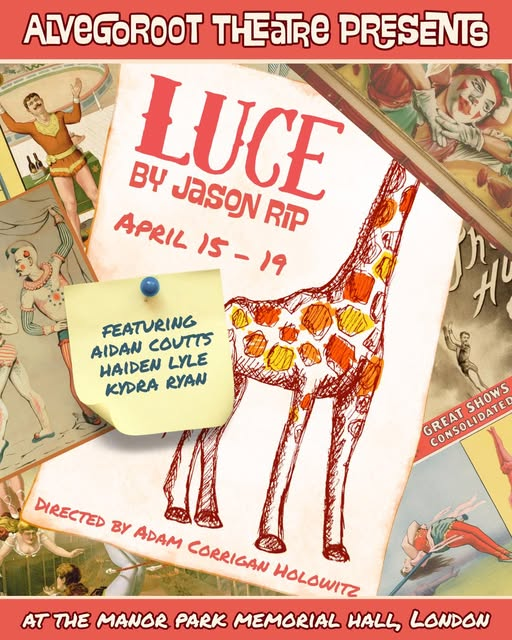
This April 15 to 19, AlvegoRoot Theatre is producing a brand new version of Jason Rip’s darkly hilarious play Luce. Mark the date in your Calendar now.
by J. Bruce Parker
Out of the Woods and Into the Spotlight: How London’s Literary Community Built Its First Anthology

by Dawn Lyons

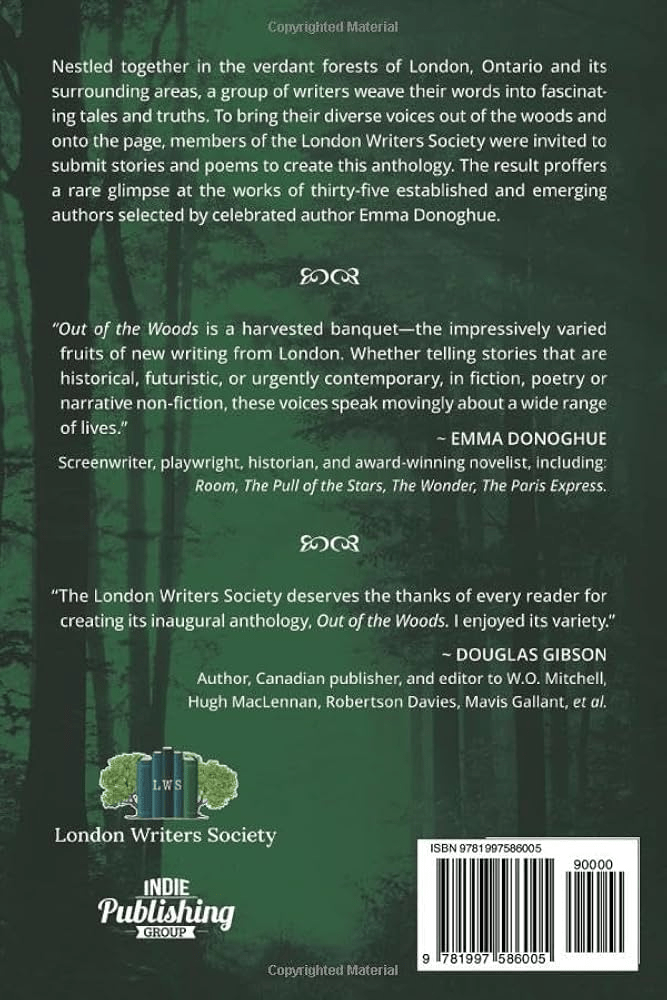
When members of the London Writers’ Society first tossed around the idea of creating an anthology, it felt more like a someday dream than a concrete project. But in 2023, with a growing membership, a renewed energy, and a core of volunteers ready to say yes, “someday” shifted into “now.” The result, Out of the Woods: Voices from the Forest City, has since become more than a book. It’s a celebration of London’s writers, its literary identity, and the collaborative spirit that fuels creative communities.

A vision years in the making

The goal for the anthology was simple but ambitious: to create a showcase of the Society’s members that reflected the full breadth of London’s talent. The committee envisioned a collection with creative nonfiction, fiction, and poetry that allowed room for multiple genres and voices, all reviewed through a tiered judging process and curated by a local prominent literary figure.

While the vision stayed largely intact, one thing surprised them – the sheer amount of work involved. From funnelling anonymous submissions to first readers, to coordinating edits, to choosing the final layout, the process became a true community effort. Society members were invited to submit up to five pieces each, and the response was overwhelming. Most submitted at least one piece, with many sending in the maximum. The first-round judges produced a longlist; then came the question of who would choose the finalists.

Because the anthology was rooted in London, the team wanted a local literary presence. Someone suggested novelist Emma Donoghue. They assumed it was a long shot.

It wasn’t.

“She responded immediately with ‘Sure!’” recalls

“We were shocked and thrilled.”

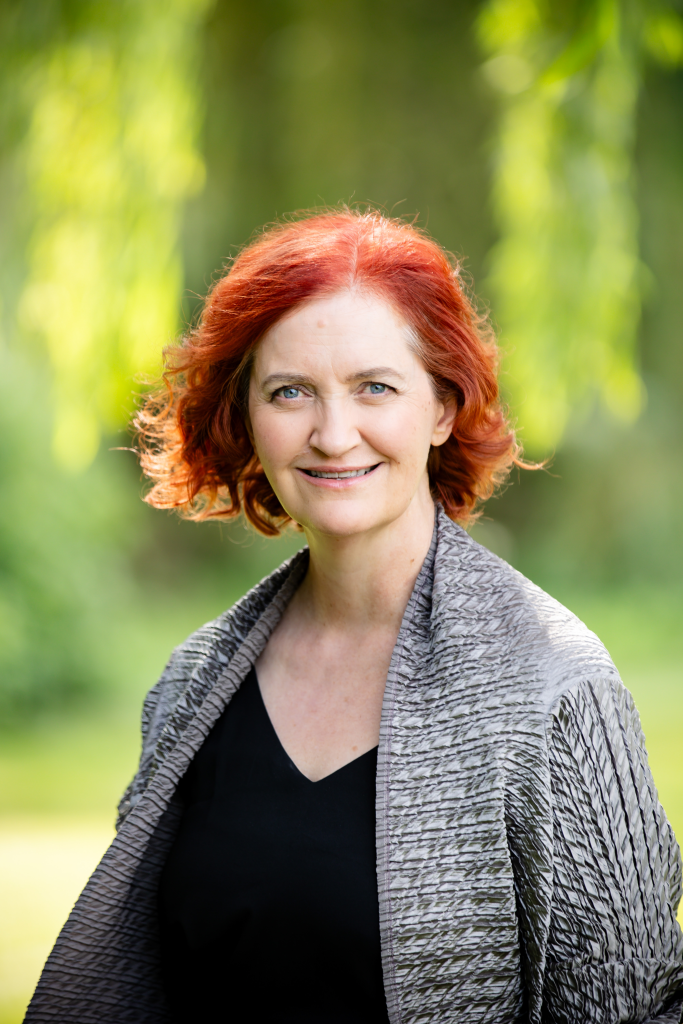
(Pictured: Emma Donoghue. Photo Credit: Woodgate Photography.)

Donoghue selected a beautifully varied set of finalists that included stories of all tones, genres, and moods. Behind the scenes, editor Heather Godden played a crucial role, offering thoughtful feedback even to writers being edited for the first time. She also crafted the order of pieces, creating what the committee describes as a “gentle wave-like vibe, allowing emotions to ebb and flow throughout the book.”

A mix of writers, a mix of worlds

The anthology gathers work from writers at every stage: brand new voices, emerging writers building momentum, and established authors adding another credit to their growing list. Many were published for the first time; others were thrilled to contribute alongside peers they admire.

What stands out most is the depth of diversity, not only of the authors themselves but of the stories they tell. The membership of the London Writers’ Society spans ages, backgrounds, identities, and experiences, and the anthology reflects that richness. Within its pages, readers will find memoir, political reflection, gender-identity-focused nonfiction, supernatural tales, science fiction, romantasy, historical narratives, and poetry, both light and deeply moving. Like London itself, where one turn reveals affluence and another reveals hardship, the anthology refuses categorization.

(Pictured: Martha Morrison, London Writers Society Anthology Chair.)

“There is no ‘one’ London,” Morrison explains. “This city, like its authors, cannot be defined.”

Because the book is titled Out of the Woods, writers were encouraged to interpret the theme literally or figuratively. The result is a tapestry of forested settings, metaphors of struggle and emergence, stories of being “out of the woods” — or very much not.

Most Londoners will recognize that the title also plays with London’s nickname, the Forest City, which brings to mind the idea of voices emerging from woods, fields, and farmland to step into the light.

Beyond the theme, Morrison and the committee see the book as something that fills a much larger gap: recognition of London’s vibrant literary culture. “It is a hotbed of innovation and creativity,” she says. “We’d like to proclaim it ‘the City of the Arts.’”

Watch Martha Morrison and Donna Costa discuss Out of the Woods on a recent episode of Rogers TV’s show, What’s Up London: https://www.facebook.com/share/r/17qacRK3Bq/

Lines that linger

Several pieces in the anthology stand out for their resonance. A few of the committee’s favourite lines (although Morrison indicates there are many) include:

From Discovery by Laurie Browne:
“…My heart lies among the discarded shells and stones and my edges have softened like blue beach glass…”

From Alignment by Laura Wythe:
“…They were peering into the windows of the van… dressed in hide or bark with woven stuff sticking out, and masks—or were they faces?… It was difficult to say if they were human, animal or, weirdly, tree?”

From Not Just Lonely by Bruce Lord:
“You were those petals, I those thorns / and when you held me for the very last time, I fear I made your fingers bleed.”

From Wear a Denim Shirt for Me by Diane Kirby:
“I have lived a life steeped in denim.”

From Dust – An Ode by E. Jeffrey Orchard:
“Dust is like laundry / there’s always more.”

If this book had a soundtrack…

Music lovers will appreciate the anthology’s unofficial playlist curated by the committee — a mix of Canadian, local, and Irish artists (a nod to the anthology’s curator):

  • “Out of the Woods” – Nickel Creek
  • “Nightingale” – Leonard Cohen
  • “Everything I Call Home” – The Pairs
  • “Lonely” – Lost in Japan
  • “Redwood Tree” – Van Morrison
  • “Lost Forest Medley” – Paul Mills
  • “A Case of You” – Joni Mitchell
  • “Take It on Home” – Genevieve Fisher
  • “A Forest” – The Cure
  • “Meet Me in the Woods” – Lord Huron
  • “In the Woods Somewhere” – Hozier
  • “Shadows and Tall Trees” – U2
  • “Go Back to Your Woods” – Robbie Robertson

(And yes, for the Swifties: Taylor Swift’s Out of the Woods also fits!)

A community-powered national spotlight success story

One of the defining features of Out of the Woods is how many hands helped shape it. From grants and sponsorships to support from the wider publishing world, including Terry Fallis writing the foreword and Douglas Gibson providing a blurb, the team felt as if the whole literary community rallied behind them. Local independent bookstores embraced the anthology, as did surprising partners like Tuckey Home Hardware in Wortley Village, which now keeps shelves dedicated to local writers.

Reader response has also been overwhelmingly positive, with people praising its readability, emotional range, and resonance. Live readings have brought packed rooms, tears, laughter, and countless conversations.

Perhaps the biggest surprise came when the anthology was named one of The Globe and Mail’s “35 Hot New Reads” for August and September. Physical copies of the paper were immediately purchased for safekeeping when the committee heard about the recognition from a friend. 

“It’s a stamp of approval that reminds many of our members they are indeed writers,” says Morrison. 

What’s next?

The idea of a second anthology is already on the table, and the early signs are promising — volunteers are stepping forward, and energy is building.

In the meantime, the London Writers’ Society continues its year-round work: monthly craft workshops, critique groups, author spotlights, Book Fair booths, a developing podcast, and a growing presence across southwestern Ontario. With more than 150 members writing poetry, fiction, creative nonfiction, and scripts, the Society remains a cornerstone of London’s literary landscape.

Where to Buy Out of the Woods: Voices from the Forest City

Readers can find the anthology at independent booksellers across London and surrounding communities (Windsor, Port Stanley, St. Thomas, Strathroy, Sarnia, St Marys, Stratford), at Indigo, and online through Amazon and Barnes & Noble. A full list of retailers is available under the “Anthology Project” tab at: https://www.londonwriterssociety.ca

Follow the London Writers Society on Facebook: https://www.facebook.com/LondonOntWriters

Follow the London Writers Society on Instagram: https://www.instagram.com/londonwriterssocietyontario/

By Dawn Lyons.

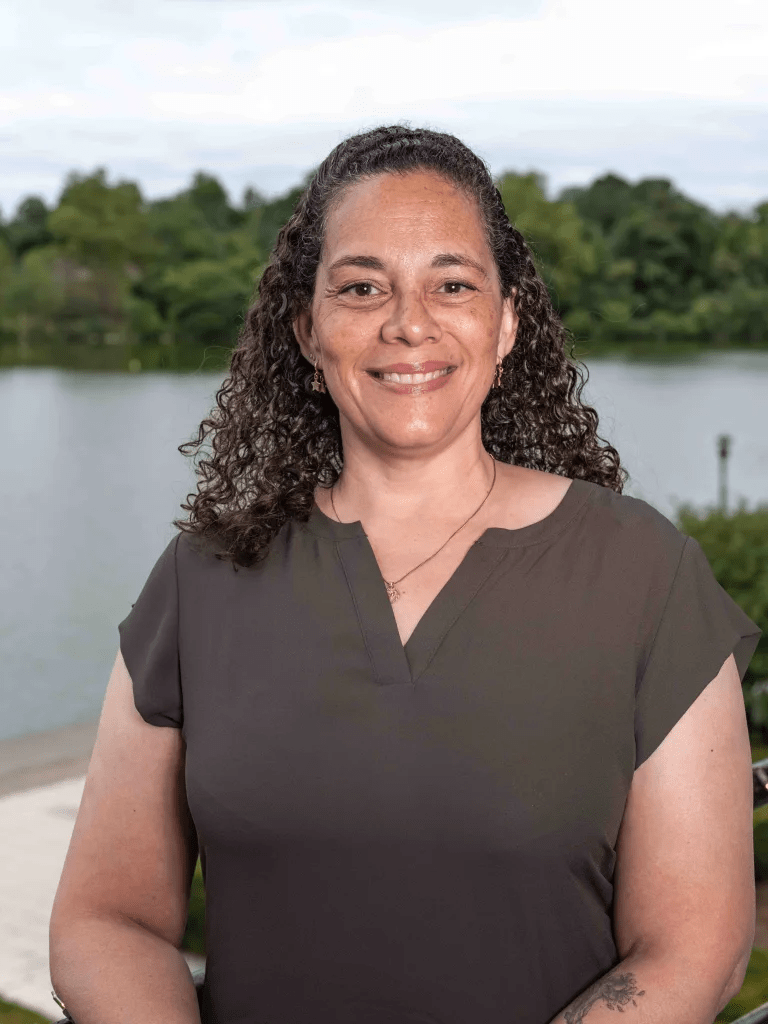
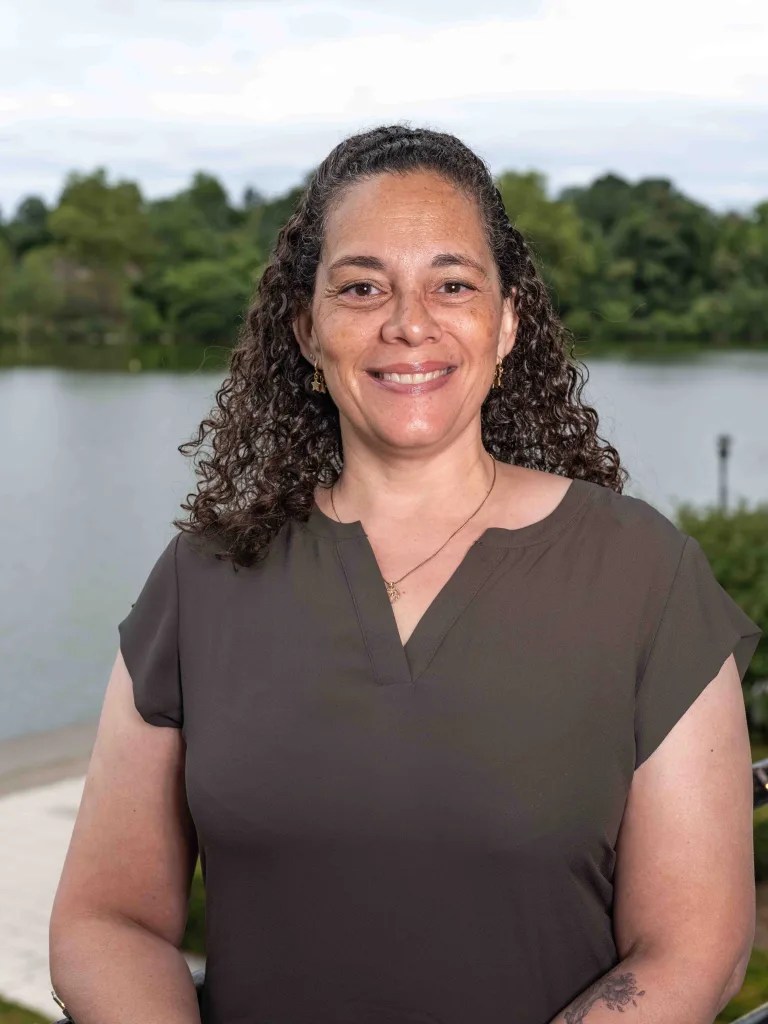
(Pictured: The Beat Magazine Contributor, Dawn Lyons.)

Meet The Beat Magazine 2025 Writer: Dawn Lyons

The Beat Magazine 2025 is honoured to welcome Dawn Lyons as a volunteer writer. Dawn has an extensive journalism background and previously wrote for The Beat Magazine print edition (2009-2013). Dawn is ready to connect with those amazing artists across disciplines who continue to create, perform, and inspire, often without the recognition they truly deserve.

Name and Occupation
My name is Dawn Lyons. I currently work as a grant writer for nonprofits, after spending many years as a copywriter and freelance journalist.

Background and Experience
I started out as a copy editor in advertising, which somehow led to a career in copywriting for various types of businesses around the world. Over the years, I’ve also worked as a freelance journalist, contributing to publications such as Metro NewsFIVE MagazineThe Middlesex BannerLondon Community News, OurLondon.ca, and The Beat Magazine, with many front-page features. I’ve also published creative nonfiction in Thrive In Life magazine. Writing has always felt like a natural career path for me — I was in love with books before I even started school, and I was writing stories and poems as early as second grade.

Past Arts & Culture Writing Activities
Much of my freelance work focused on community news and events, but some of my most rewarding assignments came from profiling actors, directors, musicians, artists, and writers for The Beat Magazine’s original print publication. It was a wonderful way to reconnect with London’s arts scene, which I had been part of in my younger years through theatre, music, and writing competitions, but stepped away from once I started university.

Why am I volunteering as a writer for The Beat Magazine 2025?
Writing for The Beat was one of my favorite freelance experiences, so I was sad when it ceased publication. I’m thrilled it’s back and to be writing for it again. London has such a vibrant and deeply talented arts community, but sometimes it feels like an underground, best-kept secret that deserves to be more widely known, experienced, and celebrated. I believe The Beat plays an important role in giving artists and community artistic organizations the attention they deserve, especially when local mainstream media doesn’t always shine that spotlight. I’m happy to contribute to that mission.

Thoughts about the London arts and culture community
London’s arts scene is alive with talent, creativity, and passion. It’s full of amazing artists across disciplines who continue to create, perform, and inspire, often without the recognition they truly deserve. I see The Beat as a way to showcase that energy and help connect people in the community with the incredible work happening around them.

Anything else readers should know about Dawn Lyons?
In addition to grant writing, I continue to write poetry and creative nonfiction, and I’m an aspiring lyricist, fascinated by how the right words woven into music can carry so much impact. I also maintain an online memorial to celebrate one of my favorite songwriters, Lisa Marie Presley, whose creative talents were deep and meaningful, but often overlooked.

If you are interested in becoming a volunteer writer for The Beat Magazine 2025, please contact Richard Young, Publisher & Content Manager, at richardyoung@thebeatmagazine2025.ca. We are seeking writers and reviewers for local music, visual arts, fiction, poetry, and prose.