Inaugural Forest City Irish Fest comes to Wortley Village, September 18 & 19.

By J Bruce Parker

London has a rich musical heritage with an abundance of musical venues hosting live bands as well as a variety of annual music events. Sunfest, now in its thirty-second year, and the Home County Music & Art Festival in its fiftieth year, helped put us on the musical map, as has the Aeolian Hall, an historic music venue which presents both national and international talent. In 2021, London was designated as Canada’s first UNESCO City of Music.

In the late 1980s, a musical genre dubbed Celtic punk crept into London bars. It was a blend of Irish traditional music, beefed up by electric guitars, bass and drums. Nationally, we had Great Big Sea and in London, we had Uisce Beatha, fronted by brothers John and Alan Glen. Back in the 1990s, I was thirty-something and faithfully followed them about town, always getting a front seat when they performed at places like the Electric Banana and the Brunswick. The band would cover the likes of the Irish band, The Pogues, as well as their own compositions, which honored their Irish heritage. Paul Meadows, fiddler for this band, still performs locally.

There was an indelible stamp of Irish heritage and culture in the music of bands such as Uisce Beatha, as well as The Gurriers and many others but you had to seek it out.

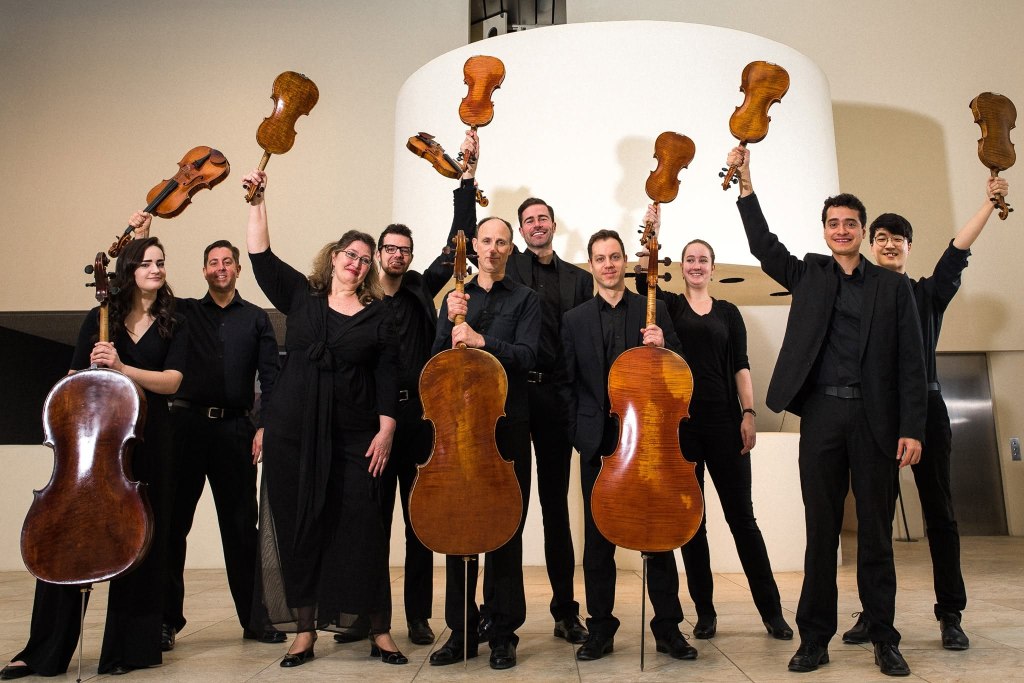
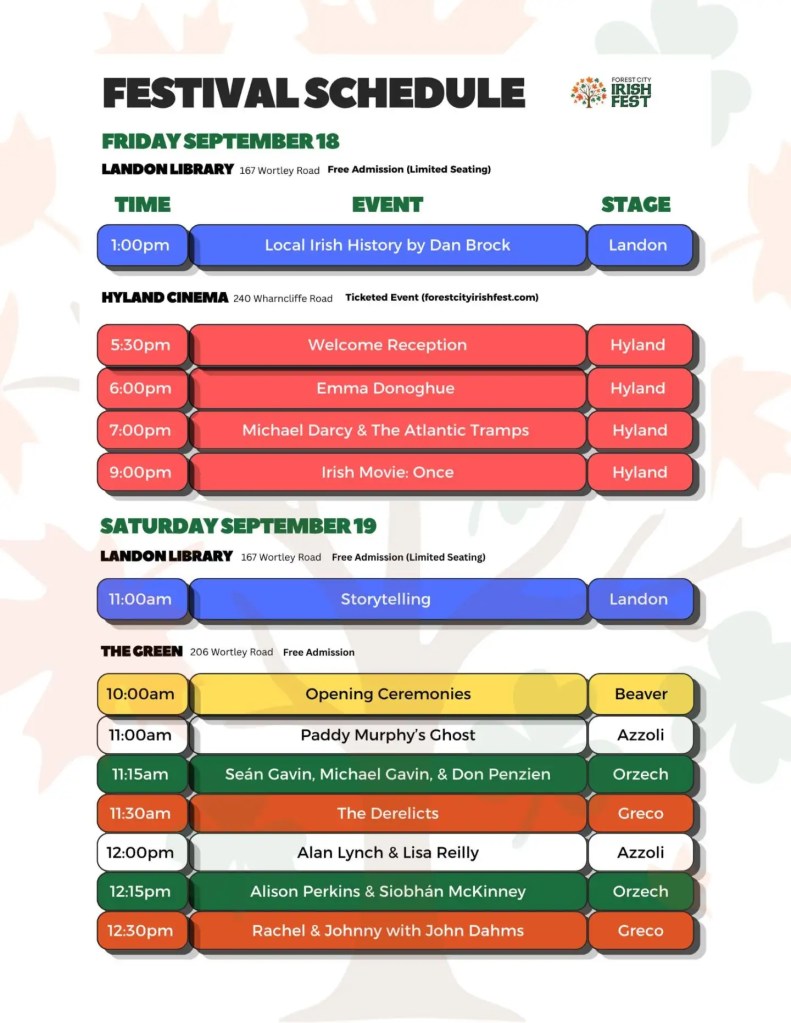
The inaugural Forest City Irish Fest, inspired by the 90,000 Londoners claiming Irish ethnic or cultural ancestry, takes place on Friday, September 18 and Saturday, September 19 on the Village Green in Wortley Village, as well as other local venues.

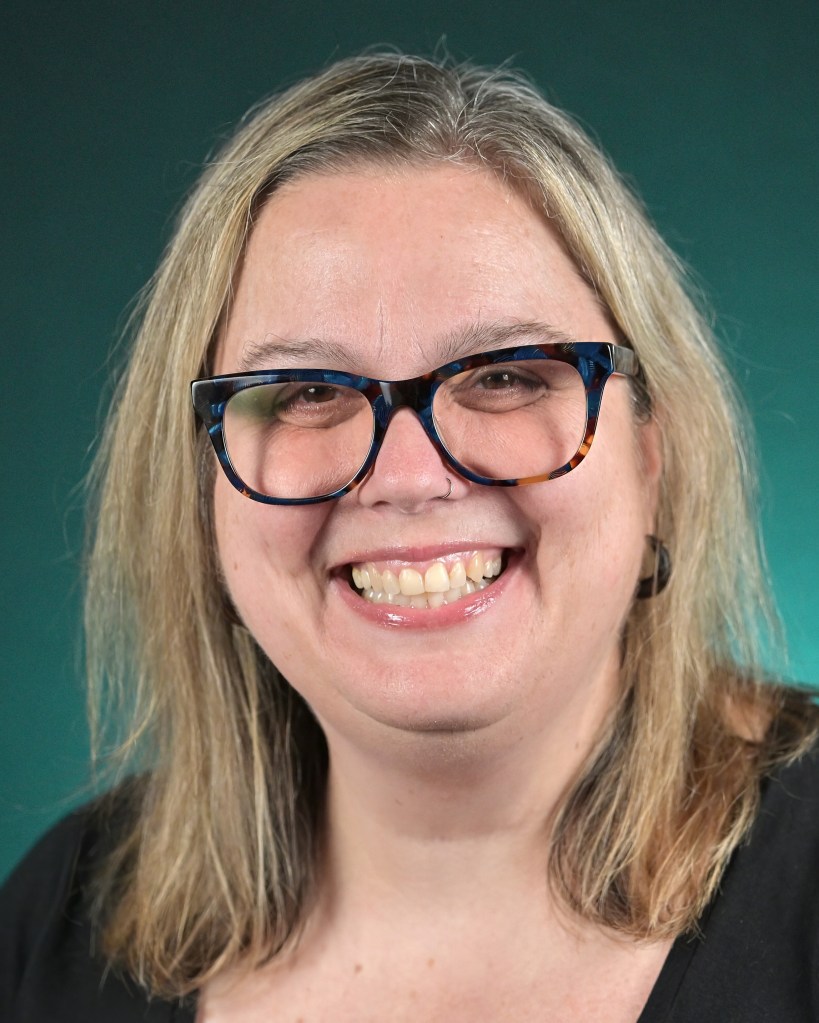
I had the opportunity to talk with Rachel Genders Boyd, co-artistic director of the event.

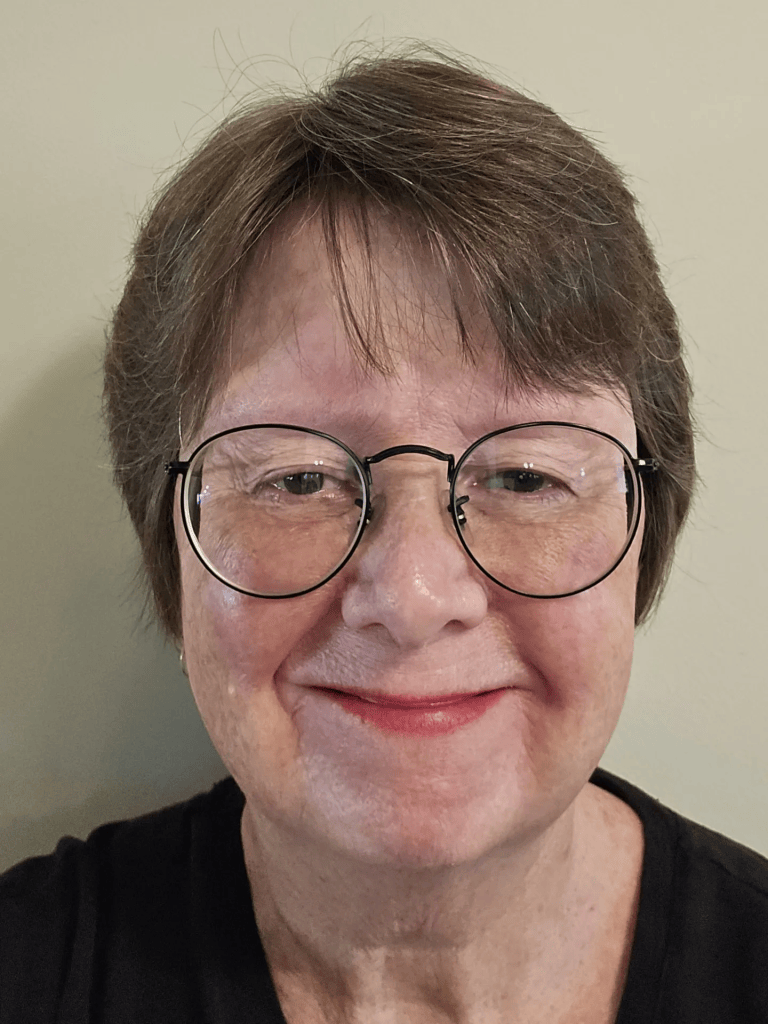
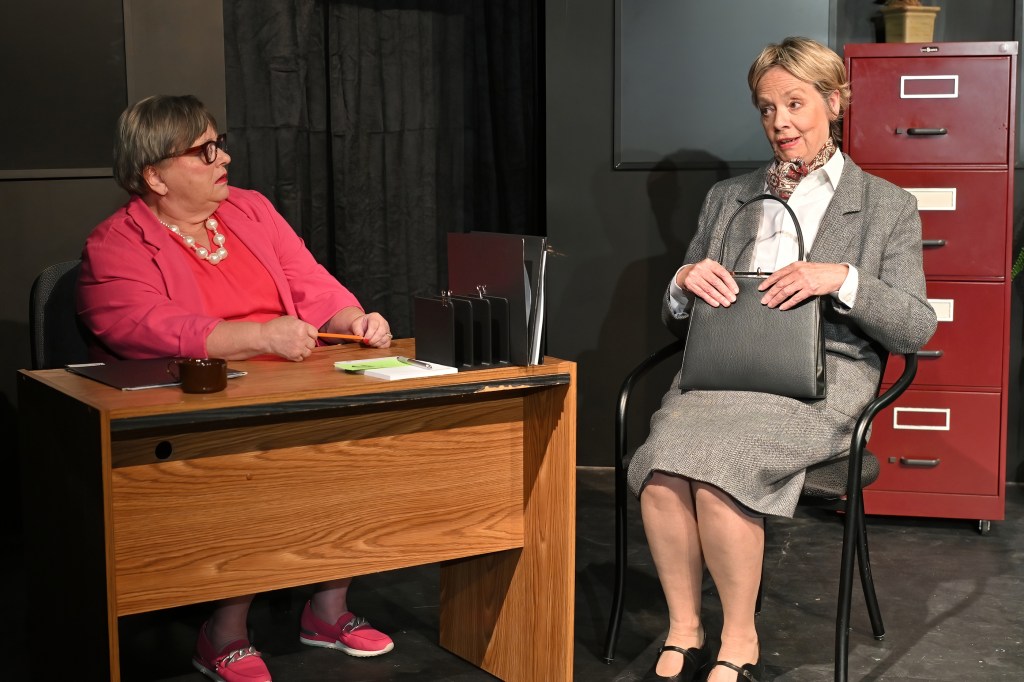
(Pictured: Forest City Irish Fest co-artistic directors Rachel Genders Boyd and Johnny Hewerdine.)

Q. Can you tell me a bit about yourself?

I’m actually from England but my father is Irish, so as a kid I went to Ireland every single summer. I have a great love of Ireland and Irish culture. I am also an Irish traditional musician. I am a singer and play the concertina. We have a regular Irish seisiun in London which I attend most weeks. We are starting an Irish comhaltas (pronounced cultus) which is a community coming together to nurture Irish culture.

Q. Did the idea of an Irish festival come from that?

Yes, definitely. This festival is part of that. It fits into the overall puzzle of us trying to promote Irish culture in London and the surrounding area of Southwestern Ontario.

Q. The music of our East Coast has a strong influence from Ireland. Will that be included?

At the festival, we will have East Coast style music and Ontario style which has been very influenced by the music of Ireland.

Q. How difficult was it to put the event together?

We have a small committee, so I wear many hats. Getting the bands together took about an afternoon but everything else took much longer in the organizing.

Q. Why is an Irish festival important for London right now?

There is already a lot of Irish culture here in London, but not out in the open. The seisiuns happen every Tuesday at Scott’s Corners and have been going on for decades. There is so much Irish music and dance in London, but much of it is under the radar, so we thought it was time to get it out in the open and get people excited about it. London and the local region has had a major influence from the culture of Ireland. This includes the Lucan Area Heritage and Donnelly Museum as well as London’s Irish Benevolent Society.

Q. Can you tell me about the various venues incorporated for the event?

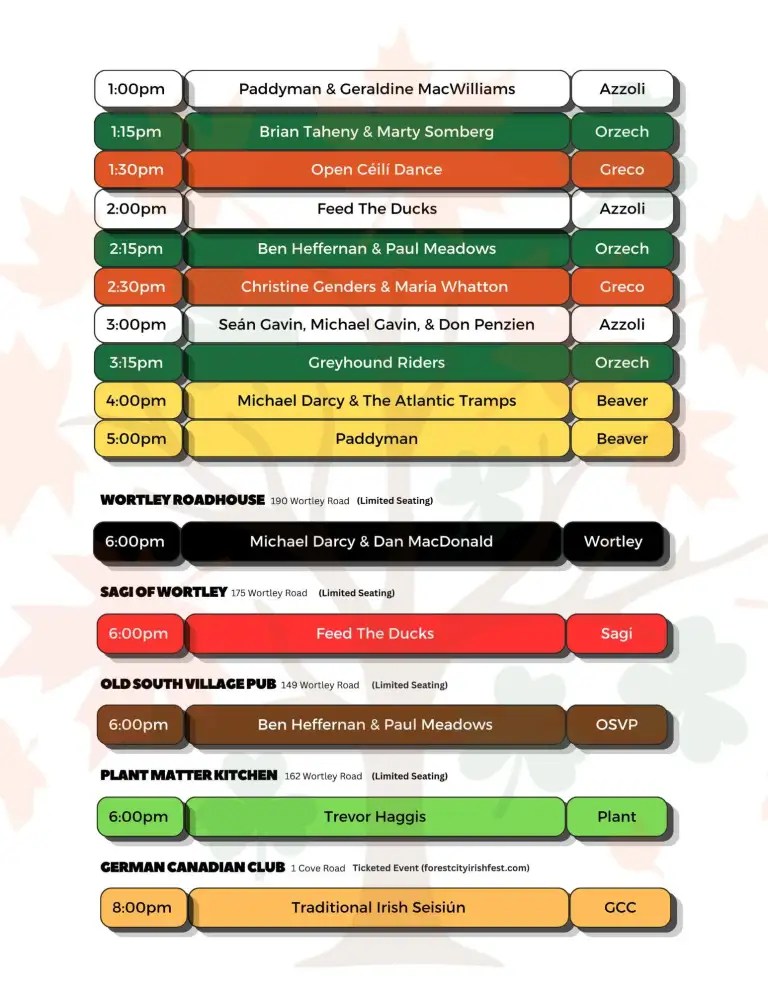
The festival itself is taking place on the Village Green in Wortley Village. That is the main event but there are lots of performances happening elsewhere in the village. On Friday, September 18, we will have a local history talk about the Irish at Landon Public Library. In the evening, we will have a ticketed event at the Hyland Cinema featuring a Q&A with well-known London author, Emma Donoghue. On Saturday, the opening ceremonies begin on the green at 10:00 am, with a variety of bands performing throughout the day. This will be a licensed event. From 6:00 to 8:00 pm, various bands will perform at four of the local pubs. In the evening, there is an event which I am excited about as a musician. It is a traditional Irish seisiun, which is a jam or sort of improvisational event, combining many of the musicians from the day’s performances. It will be held at the German Canadian Club.

Q. So, it is not just a musical event?

Definitely. Along with the music, there will be storytelling and dance, demonstrations of the Irish sports of hurling and Gaelic football as well as a Kids Zone. We will even have Irish Wolfhounds demonstrating their talents. We are very ambitious with our ideas and hopefully the Forest City Irish Festival will become an annual event.

More information can be found on the Forest City Irish Fest website www.forestcityirishfest.com  Check out their Facebook and Instagram pages for updates.

Be ready when Wortley Village’s Village Green becomes Kelly green on September 18 and 19.

Slainte!

By J Bruce Parker

J Bruce Parker is a retired oncology nurse. As an avid cyclist, he crossed the country by bicycle in 1991 and still explores Ontario’s north via canoe trips. He has published a short story based on his camping experiences.

For over 20 years, as a citizen scientist, he was involved with Monarch Watch, an organization that monitors the annual migration of the Monarch butterfly. He has written about this species and other articles on nature for The Cardinal, Nature London’s quarterly magazine.

For more information about Nature London and The Cardinal, visit https://www.naturelondon.com/the-cardinal/

He is documenting his ongoing friendship with Canadian poet bill bissett, which he hopes to eventually publish. 

Bruce has been writing articles for Villager Publications since 2022. To read samples of Bruce’s writing, visit https://www.villagerpublications.com/

Ship to Shore – And The Plot Thickens at the Port Stanley Festival Theatre

Reviewed by Sandi Laird & Tori Laird of Entertain This Thought. (Reprinted with the permission of the authors.)

(Pictured: Cast of Ship to Shore. Mark Crawford as James and Cailin Stadnyk as Erin.)

Ship to Shore by well-known Canadian playwright Norm Foster made its maiden voyage on August 19 at Port Stanley Festival Theatre (PSFT). Opening scene – Canadians James Goffman and Erin Walsh are aboard a cruise ship sailing to Ireland. Both characters, who are strangers as the journey sets sail, have personal and poignant reasons for making the trip. And the plot thickens…

Ship to Shore is both funny and touching as the characters reveal themselves to the audience and each other. James, well played by Glencoe-born, award-winning actor and playwright Mark Crawford, is awkward, hilarious, and lost in equal measures. He is on his way to pick up his 12-year-old daughter – whom he has not seen in two years – to spend the summer together in Canada. James is a writer, a lover of words, and at a personal crossroads. Erin, portrayed by Cailin Stadnyk, is enigmatic, fussy, and blunt but accurate in her observations. Stadnyk recently played Beverly, the pilot in the Grand Theatre’s 2026 production of Come From Away, a role she had previously played in Toronto’s Mirvish production. We learn Erin is on her way to Ireland to settle her father’s estate but is purposely missing the actual funeral date. And the plot thickens…

Crawford and Stadnyk’s chemistry is strong. As they discover each other’s secrets and vulnerabilities, they transform from actors on stage to intimates the audience is rooting for. Foster’s script includes a few corny jokes, but corny can be fun! It also incorporates amusing wordplay, a laugh-out-loud narrative, and curveballs you are not expecting.

PSFT’s stage is cozy, and the designers are creative in the small space. Credit goes to set designer Emma Burnett, in her debut at PSFT, for the cruise ship blueprint. Director Liz Gilroy’s vision keeps the story and actors on track, keeps the audience laughing, and reveals a bit more during each scene, but never too much!

Before this ship even weighed anchor, PSFT extended the Ship to Shore run by a week thanks to positive buzz from Port Stanley and area patrons. Ladies and gentlemen, your cruise leaves for Ireland from the Port Stanley Festival Theatre evenings and afternoons until September 12. The show runs a little over two hours with intermission. Check psft.ca for specifics.

PSFT is offering two ASL (American Sign Language) interpreted performances this season during SHIP TO SHORE: Saturday, August 29 at 2pm and 7:30pm.

Ship to Shore continues at the Port Stanley Festival Theatre until September 12, 2026. Tickets are available at the box office at 519-782-4353 or visit psft.ca

Ship to Shore
By Norm Foster
Directed by Artistic Director Liz Gilroy
Performed by Mark Crawford and Cailin Stadnyk
Stage managed Jory McLean
Set Design by Emma Burnett
Lighting Design by Karen Crichton
Costume Design by Alex Amini
Port Stanley Festival Theatre, 6-302 Bridge Street, Port Stanley, ON
Aug. 19 to Sept. 12, 2026.

Reviewed by Sandi Laird & Tori Laird

To read more Theatre Reviews, visit Entertain This Thought – Ontario Theatre Reviews

Through the Lens of Belinda J. Clements: Quiet Earth, August 18.

Photos by Belinda J. Clements

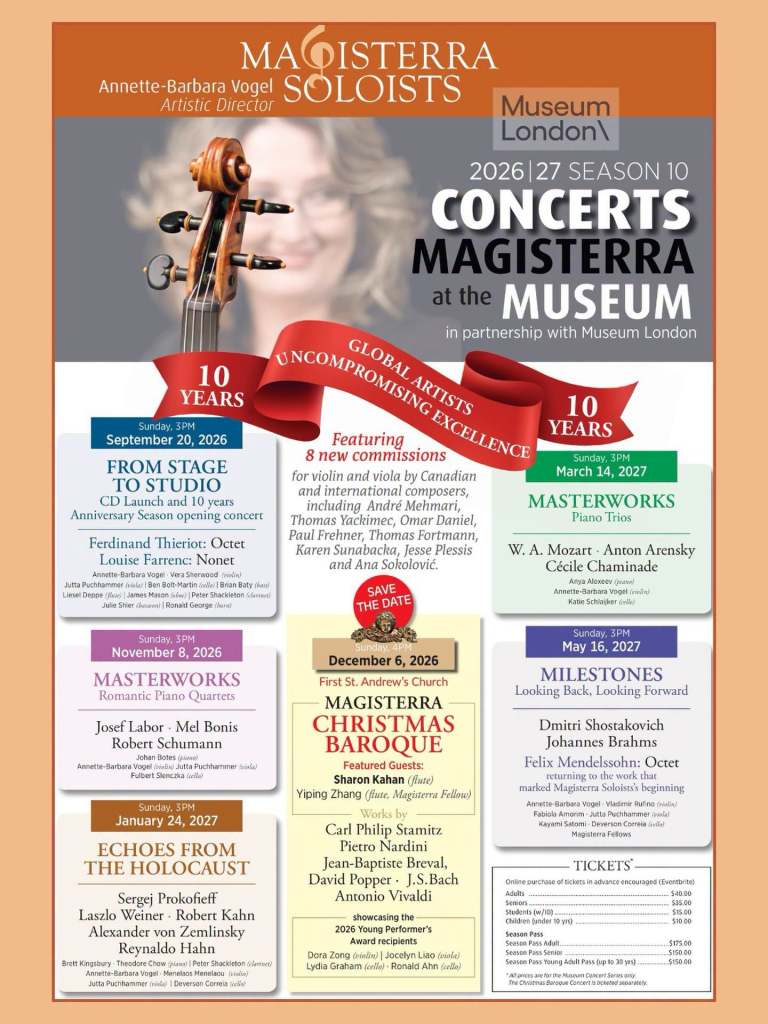
On August 18, Quiet Earth held its latest concert adventure featuring Leanne Mayer and her drummer Archie Gamble. B. Knox also performed on guitar, while Brent Jones emceed the evening.

The Beat Magazine 2025’s roving photographer, Belinda J. Clements, was there and filed these photographs.

(Leanne Mayer.)

(Drummer Archie Gamble.)

(Guitarist B. Knox.)

(Brent Jones.)

Quiet Earth shows happen most Tuesdays. Be sure to check out their Facebook page for updates https://www.facebook.com/quietearthproductions

Photos by Belinda J. Clements.

Visit Belinda’s Facebook page to see more samples of her work: https://www.facebook.com/belindajclementsphotography

Behind The Scenes with Visual Artist Jamie Jardine – The Power of Three

by Beth Stewart

This is the eleventh in an ongoing series in which The Beat Magazine 2025 takes readers “Behind The Scenes”  to meet the talented creative individuals who make the London area such a vibrant arts and culture community.

In this segment, Beth Stewart profiles London-based visual artist Jamie Jardine.

Jamie Jardine breaks his art down into three categories: landscape, abstraction and illustration. The reason for this spread is interesting.

When he enrolled in the Fine Art program at Fanshawe College in 1996, Jardine admits he didn’t know much about art history or the art world in general, and it was the Art History classes that had the biggest impact on him. So, when he started to paint, he was impressionable.

(Pictured: Jamie Jardine, “Departure”, acrylic, 24 by 20 inches. Image courtesy of Paul Lambert Photography.)

After a visit to the Dali museum in Florida during his first year at Fanshawe, he painted slightly surreal landscapes. After his first visit to the Art Gallery of Ontario, where he encountered work by members of the Group of Seven, he fell in love with the Canadian landscape. He began to exhibit his work and, when people responded positively to the landscapes, he did more.

Jardine says, “Throughout my early career I would take breaks from the landscapes, usually after an exhibition, and I’d play around with abstraction. The act of pushing paint around and playing with colours and textures really grabbed me. I began to bounce back and forth.” This became a bit of a “tug of war” for him, and he struggled to choose just one approach.

(Pictured: Jamie Jardine, “Emerging”, acrylic, 30 by 36 inches. Image courtesy of Paul Lambert Photography.)

In 2014, he left his first gallery with a lot of questions about himself, the gallery system, and the art world in general. He recalls, “In some way, I wanted to leave it all behind, but I was already pretty deep, and I was now raising two children.”

His departure from the gallery allowed him to step back and reexamine his love for art and what really interested him. He says, “I went back to my childhood interests and began painting robots on some of my discarded landscapes. The result was divisive, but for the first time in a very long while, I didn’t care what people thought.”

(Pictured: Jamie Jardine, “Heat”, acrylic, 10 by 8 inches. Image courtesy of Paul Lambert Photography. )

This was liberating for Jardine. It was also concerning; how could he continue to make a living painting, if what he painted was robots and spaceships?

Today, he paints in all three genres and enjoys each one, as does the art-loving public.

Asked what drives him to create, Jardine says, “It’s just what I do. I rarely take much pleasure from it. Satisfaction might be what I strive for.”

Art has helped him overcome periods of depression. Economic survival is another key motivator.

(Pictured: amie Jardine, “The Monster”, oil, 20 by 16 inches. Image courtesy of Paul Lambert Photography.)

Currently, Jardine has an exhibition of his sci-fi work at the St. Thomas Elgin Public Art Centre. It runs to August 22. It is his first public solo exhibition and includes preliminary work and sketches that offer insight into his process.

Jamie Jardine has been represented by local galleries since 2000 and exhibits his work through the Benz Gallery in London, Ontario.

To see more of Jamie Jardine’s work, visit: https://www.jamiejardine.ca/

By Beth Stewart

Web: https://bethstewart.ca/

Facebook: https://www.facebook.com/profile.php?id=100009620916363

Classic Rock & Blues Legend Alan Gerber of 1960s Supergroup Rhinoceros Goes to The Well.

An Interview with Tommy Solo. Recorded July 23rd from his home in Val-David, Quebec. 

Alan Gerber is most famous for his tenure as lead singer and multi-instrumentalist with the classic psychedelic rock and blues band, Rhinoceros. He has released multiple solo albums, both as a signed and independent artist since then. Having shared stages with Bob Dylan, B.B. King, Van Morrison, Lou Reed, and Janis Joplin, among others, he is a well-respected legacy artist for the ages.

And now, he has a brand new album out called The Well and a new single called Put Back My Heart. On this release, he is reunited with Rhinoceros guitarist Danny Weis, along with the late Michael Fonfara, who recorded his Hammond B3 organ parts for this album prior to his passing.

And this time, it’s also a family affair featuring his daughter Hannah on vocals and his son Eli co-producing and playing some guitar on the album. 

The following is from my recent Interview with Alan. You can watch the Interview on YouTube: https://youtu.be/S2-kVaBII7g?si=HrpGbM48YBJLbMbJ

So, you have a brand new album out. And I kind of lost track of how many solo albums you’ve released. I believe there are over 10 right to date? 

“We’re 13, 14, 15, or something like that, right? “

Yeah. And was one of those in French?

“Well, some of the songs were in French. Okay, okay, I had a single, you know, I had some songs done in French, but most of my stuff is in English, although I’ve lived in Quebec, I believe, like 37 years.”

So, it’s quite the transition from living in Chicago and LA to being in a small town in Quebec, and from what I understand, you’ve become a big part of the community as well. 

“Yeah, I love this community, you know? Like I said, I’m from Chicago. I lived in LA, and I lived in New York. I lived in Vermont. We had a house in the south of France. But this little town of Val-David is where I’ve lived for the longest, for like, 30, 37 years. It’s my longest home.” 

There must be some magic in the air that keeps you there.

“It’s a wonderful town. It’s a small village of between five and six thousand people. There’s so many artists. It’s unbelievable here.” 

You know, there are some hotbeds of talent in small towns. I grew up in North Bay, Ontario, and I’ve lost count of how many top-shelf players we had there, and uh, a good friend who I went to school with was John McGale.

“I’ve played with John”

You played with him? 

“You know, just a little bit. Yeah, I know, John. Yeah, he was a great player.”

He was a great guy, but he’s just one example of some of the awesome talent you can find in a small place. Like where you are in Val-David, and there’s nothing like tapping into some of that talent on occasion.

“Well, you know, in this town, there’s The Potters. It’s the biggest Pottery Fest. My wife is a ceramic artist. She’s a potter. In fact, if you look at the cover of the album, The Well, the well is actually the interior of one of her pots photographed, you know? It’s pretty cool, and there are so many ceramic artists here. There are writers. There are poets and painters. It’s an amazing town.” 

No kidding. So, let’s talk about the songs on this album, The Well. There’s some interesting slide guitar on that. So, where did that song come from?

“I have a writing partner who’s unfortunately deceased now, Rolf Kempf. He wrote Hello Hooray, which was a big hit for Alice Cooper.

And you know we were running together for 50 years? And we co-wrote most of the songs on this album together. And he sent me the lyrics, and then I wrote the music, and we juggled the lyrics back and forth and changed a few things.

And that’s how the song came to be. And then, it’s such an appropriate title for the album because this is an album I dug deep to get to all these places. Yeah, and it’s about growing deep into your creativity.”

Yeah, and listening to the album, you certainly did that. I imagine this one took a while. Are you really quick with this stuff, or did it take some time? 

“It took a long time because of Covid, and because actually I was waiting for my son, you know, my son, Eli Gerber, who I co-produced it with.

And he’s playing guitar on the track Over Again. That real shredding, you know? He’s quite a guitarist. He was supposed to do all the guitars on the album, but he’s a physicist. And he’s really been so busy with his research. And he just never could get around to doing it. He wanted to, but he couldn’t. And I waited for him for years. 

And then I finally said, listen, I want to finish this album, and I got Danny Weiss from Rhinoceros, who’s also an amazing guitar player, and Danny played on eight songs. He is an absolutely amazing player, you know?” 

Had you been in contact with Danny over the years, or did you reconnect for this album? 

“Yeah, you know, we did a Rhinoceros reunion. I don’t know, well, I think maybe it was 2013 or 2014. We played the Kitchener Blues Festival in Ontario. It was very cool. Yeah, there are some partnerships, you know, and there are some connections that you have that are just so strong. It was, like, Michael Fonfara. Right, he’s played with me on my last six CDs. Unfortunately, he’s gone. We’re losing too many. He was a great Hammond B3 player. Great, you know, just amazing. A great friend.”

I know that you’re in the Montreal area, but Michael Fonfara was hugely popular in the Toronto area, in that circuit as well. Yeah, uh, so On a Roll. What inspired that song? 

“I got the idea. I wrote the music. And I had On A Roll, and then I started fitting some things in, and I wasn’t happy with where it was going. So, I ran it by Rolf. Okay, and I have another friend whom I write with, Patrick Wiggins, who lives in Florida.

He’s out of Tallahassee, Florida. I ran it by both of them, and we came up with it between the three of us. We came up with all these really cool lyrics. It’s a great song. It’s a great positive song, and there’s a lot of darkness on this album, too.

You know, Subjects? It has something to do possibly with the world we’re living in. And this is a beacon of light on a roll.”

(Photo Credit: Luc Robitaille.)

I really like the harmonica playing on that. Are you playing the harmonica?

“That’s the amazing Jim Zeller. We were musical partners for a while. We were a duo here in Quebec.” 

I am familiar with that name. Yeah, absolutely. There’s a great sax on Mysterious from the new album. 

“Yeah, that’s Dan Martell. He’s incredible. He did all the horn sections, just him with different saxophones, and the parts are just killer. He’s a great player. He’s a great soloist. He’s a brilliant composer of horn sections. He’s just wonderful, you know?” 

I find that good sax players are often some of the more melodic players, really. You know, you can generally hum or sing a sax part, and I find that some of the best guitarists actually emulate the sax. 

“Yeah. Yeah, me too. Amen, Sax! The saxophone has to be vocal. It’s really like a voice. Saxophone is like a voice that’s like singing.”

Yeah, it certainly is, and, and uh. You know, the really talented players certainly do emulate that, that’s for sure.

“Right from the opening of Put Back My Heart, it grabs you immediately. It’s so super funky and right on.” 

Makes you stand up and pay attention, that’s for sure. Right? What about the track from this album called Ghosts?

“Ghosts is my Covid song. Okay, everything was shut down. You drive down the Main Street of your town. All the shops and everything were closed because of Covid. It was like a ghost town. People became like ghosts. No interacting together you know, because they weren’t supposed to. We became like ghosts.

You know, I’m that typical guy. Um, I was a lifelong musician, and during Covid, I thought, what am I going to do? You can’t go outside, you know, you can’t do anything outside of the house. And over the years, I shared the stage with and met a lot of our Legacy artists here in Canada, so I thought I’ll bet you if I called David Henman from April Wine, he’d be home. You know if I called Ronnie King from the Stampeders, he’d be home. We’re all home, so I started this podcast with the idea of trying to give people something to smile about in such a dark time because it was just? Man, it was hard. You know?

I mean, you couldn’t even go to the grocery store. I was almost having panic attacks. You know when somebody stood six inches too close to me. I was, like…”

Oh man, oh yeah, because they didn’t understand it. And so, when you don’t understand something, it’s dangerous. Big fear comes in, absolutely.

“Yeah, yeah, my wife and I were the first COVID cases in the Laurentian Mountains. We’d been visiting our daughter, Hannah, who’s singing with me on this album. We were visiting her. She was doing her Master’s Degree in Paris. And we were visiting there in March. That’s just when the global pandemic hit. 

Just when I was starting, we knew there were cases of COVID, but it’s, they said there were only like 10 cases of COVID in all of France, so we figured, you know, we were going to go visit our daughter, and we went, and everybody was sick. And we ended up getting it.

We ended up booking tickets and leaving two days earlier because they were going to close down the country. We just wanted to get home, and as soon as we got home, I started getting symptoms. And then my wife, Robin, started getting symptoms. We were the first victims of COVID here in the Laurentians. And people, you know, were afraid. People didn’t want to see us out on the street. The police would come and make sure you stayed inside. It was, it was very scary. 

This album, The Well, you know, I was really needing something to do. I needed my creative outlet, so I was writing all these songs, and I started recording the album.”

If there was a silver lining from Covid, it was all the artistic productivity that came from it. You know, I mean, so many good things came out of it musically. Um, and I know that the first time I played live after they said it was safe, it was something else. We played at this Rib Fest in London, and there were, I think, 14,000 people on site. I don’t know how many were paying attention to me, but man, it was like just being born again, you know, and just having. Like, ah, it was such a breath of fresh air to actually be able to sing and play for people again.

“Oh yeah, I know, I know.” 

Yeah, but that said, back to you. There’s some really great stuff on this album, you know. Yeah, it is something else. I know you’re starting to get some spin on the radio, which is always nice. And are you gonna tour to promote this album? 

“I have a show coming up at the beginning of August, just right in my town. Beautiful! A beautiful place outside, the Pottery Festival site outside, it’s just an incredible, beautiful place. I’m going to do a show. August 5th. But mostly, I’m working on publicity with Eric Alper. I have lots of interviews. And you know, I figure this is what I’m doing at this moment.” 

Yeah, and you’ve got the hardest-working PR guy on the planet on your side. 

“Yeah, he’s wonderful. I don’t think he sleeps. You know, I think he just goes 24-7.”

Um, with all that said. Your new single Put Back My Heart is an awesome, awesome tune. I know that a lot of this came from COVID, but was there something specific that inspired you with the idea for this? There’s one line that really got me, uh, ‘like a baby grand from a tower I fell for you, like a baby.’ That’s a great one. I don’t think anybody else would have ever come up with that lyric. You know, that’s. That’s brilliant. 

“I wrote most of the lyrics myself. But, but some of the lyrics were with my son Eli, who was too busy to do other guitars, but he was still co-producing with me, and he said he had some great ideas, and like he has a few great lines.

That’s a cool song. Yes, absolutely. Let me tell you how I wrote this. Okay, fortunately, it was not inspired by my own personal experiences. It’s just a situation, isn’t it? It wasn’t my situation, but I just got the idea. This was the end of the Pottery Festival, the big Pottery Festival 2001, pots in God.

I was helping my wife, Robin, take down her pots and bring them to the van, and I was doing wheelbarrow trips, you know, from her table to the van? And I just started getting this song in my head, heard the music, and I started getting all I had lines like I fell for you, like a painter, and I would stop and write some of these lyrics down.

And then I went home, and I finished it really quickly. But it started with a wheelbarrow full of ceramic pots. It’s funny how that can happen.” 

I want to go back to Rhinoceros if we can. Yeah, there were three albums, with Elektra, right? How did the band come together in the first place? 

“I can tell you my story. I had a girlfriend. The first love of my life. And I was still in Chicago. And I was going to the Chicago Musical College at Roosevelt University. And she was at NYU in New York studying film photography. And when I went to visit her, I always brought an acoustic guitar with me.

She had a friend who works for Variety magazine. And he knew Paul Rothschild, the producer. He produced Janice Joplin’s Pearl, and he produced the Doors. He produced Paul Butterfield’s East Meets West, for example.

And she told him that I was just great. I had great songs. I was a great singer. And the guy from Variety told Paul Rothschild that he heard me play and that I was incredible. I had great songs. I was a great thing. And then he told Katie, and I had an interview that morning.

(Pictured: Paul Rothchild.)

I wasn’t a big Doors fan. Okay. I wasn’t that familiar with Paul Rothchild. I went to the Elektra Records office in New York for an interview with him, and I met Paul, and he was this guy that had long hair, you know? You know, hippie, dippy, like me, where I came from in Chicago, who was my whole clan, you know, all my friends. I came from a very 1960s. Hippy dippy environment, and there was Paul, and he was right on.

He could have been my buddy there at least the way he looked. And he was really nice. Before he even heard a song, a single note, we sat and talked for almost an hour, and then he said, let’s hear some songs. And we went into a room.

There’s a piano, and I had my guitar, and I started playing songs, and he loved them, and he kept telling me boy we got to play that again, and he’d call somebody in, and he kept calling people in at the end of this. And we were smoking this blonde Lebanese hash that was like from outer space.

And, and by the end of this thing, I was on the moon to imagine, you know, it was, it was just really nuts, and he said to me, Alan, I want to produce you either as a solo artist or with this super group that we’re putting together at Elektra Records.

And he told me about the super group; they were picking people, and it sounded really cool. I said, well okay, let’s try this super group. And he said, okay, that’s how we’ll do it. And sure enough, afterwards, you know, I was so stoned from the hash, I could barely find my way out of the building.

After that, he called me at home in Chicago, and he was, you know, he had my airplane tickets. And I had to make the decision to give up my 2s deferment in college, you know, it was the Vietnam War, and I had to confirm.

So, I made the decision, and I said, well, I’m going to just do what I want to do. I’m going to follow my dream instead of acting out of fear. I’m going to follow what I want to do, and I did. And I went to LA, and Paul had 14 musicians in his living room. We were passing around the guitar, playing tunes. To make a long story short, it was divided into two groups of, like, seven people. And out of all those people, only three of us remained in the group. Doug Hastings, John Finley, and me.

That was it. Nobody was told to leave. It was cool and casual. Nobody said, you’re done. Get out of here. Everybody just felt everybody left on their own accord, and they found this isn’t for me. So, it was organic in that way. You went in every other way. It was, you know, really put together, but it was organic.

I mean, the people left. And there were three of us left, and we met Danny Weis. He just knocked our socks off, and he was from the Iron Butterfly. It just went from the Iron Butterfly and then Jerry Penrod, a bass player. He was also with the Iron Butterfly. 

And he became our bass player. Danny was one of the guitar players. And then we needed a drummer. And we tried Buddy Miles. And we tried Billy Mundi. He was from the Mothers of Invention. You know, Buddy Miles was from the Electric Flag. Yeah. And Michael Fonfara was also from the Electric Flag, and John Finley knew Michael from Jon & Lee and The Checkmates in Toronto.

And, uh, anyway,  we got Michael, and we took Billy Mundi, and there it was. And then we were rehearsing. And Elektra Records was calling it Super Group. And finally, I said, listen, you know, I’m talking to Jac Holzman and to Paul Rothchild and I said we can’t call this band Super Group you know. We’re not going to want to walk out on the stage calling ourselves Super Group. I had then and still have to this day a collection of Rhinoceroses. You know, I always loved Rhinos. And I said call it anything else but Super Group.

I said, let’s call this band Rhinoceros. “

(Pictured: Rhinoceros.)

That’s funny. I thought all along, I thought you were just alluding to the fact that they were going to advertise Rhinoceros as a supergroup. But they were actually going to call the band Supergroup? Really? I never really got along with the guys in suits. You know, I was offered a record deal when I was 23. And I turned it down because I never got along with the guys in suits. Things might have happened for me if I had been a little bit more open to what they were offering, but I just felt like they’re always trying to rip me off. 

“Well, I got ripped off big time when I was 20 years old, man. Yeah, right, I signed away most of my publishing.” 

So, that’s all very interesting, you know, this whole they were going to call it Supergroup and all that. And then, you just kind of blurt it out. Let’s call it Rhinoceros. So, what happened after Rhinoceros?

“I was really disillusioned as you were, with the music business, you know, music and creation and doing shows; it’s been my life. But I was really disillusioned with the music business. I refused all kinds of stuff. I was offered to do all kinds of stuff. I was offered to work with all kinds of people. When people say, how come Alan’s not a big megastar, Robin, my wife, says, because if you saw the list of people he said no to, you would understand.

I was disillusioned with that. And then, before too long, my wife and I moved to Mendocino, California, way up North. It’s like 3 hours north of San Francisco. We lived in the country.

I was shell-shocked after Rhinoceros, and then I started playing gigs. 

We moved up to the country, and I was playing again, and then I met somebody in LA who loved my music and wanted to manage me. And he was a wonderful guy, and he was pretty well connected to the music business, and he took me to all the record companies. 

These were the days when you could go into the president of the company’s office and play a few tunes. And I played for everybody. I eventually signed with Shelter Records with Danny Cordell and Leon Russell; that was their company.

I signed with him, and I made my Shelter album. It was called Alan Gerber’s Album, and it looked like a photo album with a beautiful cover. Beautiful stuff! 

And I did it in Memphis, Tennessee. My band for this project was like Booker T & the MGs band. I had Duck Dunn on bass and Al Jackson on drums. Steve Cropper was engineering. It was incredible. I had the Memphis horns. I had Gloria Jones and the old Raylettes singing with me. I don’t know if you’ve heard any of this. But check it out when you get the chance.

It’s Alan Gerber’s Album on Shelter Records. Very funky, so I did that and then lo and behold, I had business troubles with them.

My single from that album was a big hit on Billboard, Cashbox, and Record World. My album was getting played like crazy on all the FM stations all over the United States and in England. 

Anyway, there was no distribution. You couldn’t buy my album anymore. Shelter Records was distributed by Capitol. And they had some disagreements because Danny Cordell was Joe Cocker’s producer. And they thought when they got Leon Russell and Daniel Shelter. They were gonna get Joe Cocker, too. And lo and behold, Joe Cocker signed with A&M.

I believe it was A&M. Anyway, he signed with somebody else other than Capitol Records. And they were pissed, and so the distribution was not very good, and my album wasn’t in the stores. And so, how long are they going to keep playing it on the radio if the album isn’t in the stores? 

I was doing live shows with a great group. I had Danny Weis, Michael Fonfara, a great drummer and bass player, and we were doing shows with Leon Russell.

I was doing shows in New York. We were playing at the Bitter End on Bleecker Street in Greenwich Village, and we were held over for an extra week, you know, and everything, but you couldn’t buy the album in New York.

And so finally, I was really pissed, and I told Shelter Records I’m done. I found a lawyer to help me. And they wanted me to make another album for them, and I refused. And we went to court; it was just really unpleasant. You know, and so after that, I really got turned off by the music business, and I started doing my own thing.”

When it becomes a job. Instead of a passion, there has to be a line drawn somewhere. Uh, 13 odd albums, solo albums later. We’re here with The Well, here we are. Yeah, and the track Over Again. That’s the one that your son played guitar on?

“Yeah, he actually- I’ll tell you a story, you know- he wanted to do all the guitars. He had a little window of time, and he started putting together ideas for the song. He put together the idea. And he recorded it at really high quality at 96 kHz using Reaper. It was really well recorded on Reaper.

And, uh. He sent me the idea. He didn’t get to finish it, according to him, but I took what he sent me, and I stuck it in the track. And I said this ain’t no demo. This is not an idea. This is the guitar track, and you listen to it, and there’s no doubt about it.”

It’s brilliant. Yeah, and he comes by it. Honestly, you know, I’m curious now, because you have a son and a daughter who are both top-shelf musicians. Did you encourage that, or did they just kind of find it on their own? 

“Well, you know, they grew up with me. And they discovered their love of music on their own. There was a lot of music in the house. We homeschooled the kids. Okay, their schooling would be done in a few hours in the morning, and then they had the rest of the day to discover what it was that turned them on.

And they just started doing music and singing. And my wife, Robin, who I told you is a ceramic artist? She also was a piano teacher, and she taught them a little piano when they were little kids. And they both just really got into music, and they came on the road with me.

For the most part, I was on the road. My wife did most of the homeschooling. She did a brilliant job with our kids, you know? Our son is a physicist now, and our daughter was working for the United Nations, and now she works for the OECD. You know, they’re quite accomplished, and they’re also great musicians, and so they came on the road with me.

It was wonderful because, like I said, Robin did most of the homeschooling. So, this was my chance of being with my kids and sharing something big with them.” 

You know, that’s some kind of special magic, I’m sure. 

“Well, I’ll tell you, we were playing the Montreal Jazz Festival once. And I had Eli on my right shredding and Hannah on my left singing with me.

And we were playing for like 14,000 people; they were going nuts. People were good, and Eli was doing a guitar solo, and he started playing with his teeth. He got so he turned the guitar; I mean he’s quite a showman. And what a thing to share with your kids!”

There’s some really interesting stuff on this album now, Diablo Square. I imagine being in a gondola in Venice. Yeah, you know?

“I have a 150-year-old button accordion, and that’s what I’m playing on that song, you know? And the clarinet player, Michel Dubeau, gets that sound from outer space.”

Yeah, it’s a really unique song 

“Yeah, I’d like to make a video for that song.”

Nice. Money Can’t Save You? I enjoyed that a lot.

“Yeah, well, that was when Michael Fonfara was really ill, and it didn’t look like he was going to be around too much longer. I went to Toronto. I was going there for a wedding, and one night we went out. I went out to supper with Michael and his wife, Adele. And I was asking Michael, what would you like, man? What if I could do something? Let’s do something really cool. And he said he wanted to make another Rhinoceros album.

I said, yeah, we could do that. Everybody throw in a few songs, and we’ll have a great time, and I ran the idea by everybody. And at first, everybody was, yeah, let’s do it. Yeah, and then one by one people backed out. So, I ended up booking the studio myself.

The studio where we recorded all the organ tracks is a little home studio owned by a guy named John Pickering. It’s called the Rhythm Ranch. And I got in touch with John because I used to go there and use Michael for my albums. And John had two Hammond B3s.

One upstairs in his living room and one downstairs in the basement studio. Anyway, I said to the guys, well, listen, let’s just go and record two of my songs.

I said I’ll pay for it. I want to do this with Michael. And so, we got Michael, Danny, John, and me together to do this. We had a really lovely drummer and bass player from Toronto. They’ve played on it. And we recorded it. And that’s Money Can’t Save You.

That was a whole different session. It was the last time I got to record with Michael. And Danny Weis and I really connected during that also.“

It’s, you know, interesting, you know, Michael may have left this mortal plane, but his legacy lives on through the spirit of his music, for sure. And this is a really good example of that, you know, and you can hear the passion, and we’ll never lose that. 

“About Michael. I was visiting my aunt in Manhattan. She lives on the 52nd floor of this building in Lincoln Center, you know, I mean, it’s really fancy, and I was coming down in the elevator. We’re staying with her in New York.

And in the elevator, there was Paul Schaefer. And we were talking, and I told him who I was and about Rhinoceros. And he said that Michael Fonfara is his all-time favorite! Paul Schaefer told me that. 

And you know when I was recording my Shelter album in Memphis? I had Duck Dunn and Al Jackson, and Steve Cropper. I didn’t use Booker T. I flew Michael Fonfara in for those sessions.”

You know, you had that magical connection, right?

And with that, I ended a wonderful conversation with an amazing musician with a legacy next to none.

Alan Gerber’s new album “The Well” is available at  alangerbersongs.com 

Look for his songs on YouTube, as well, and subscribe to his channel.

Interview Conducted By Tommy Solo

London, Ontario-based singer-songwriter & guitarist Tommy Solo has roots as a long-time SW Ont musician, having traveled across Canada & into the USA as a full-time musician.

In recent years, he has been focused on writing, recording & performing his original brand of classic rock, & sharing experiences with other legacy artists via his podcast, Tommy Solo’s Famous Friends, and on his YouTube channel.  

Odesa Company scores another theatrical success with The Forest Between Two Kingdoms.

By Brian Speagle.

(Cast and Crew of The Forest Between Two Kingdoms. Photo by Ross Davidson.)

The Odesa Company’s Hot-Theatre Summer, 2026, continues with Jacob Wiley-Borshell’s The Forest Between Two Kingdoms. Following hot on the heels of the successful StageQuest: A New Voyage, the Odesa team has scored another theatrical success.
Wiley-Borshell has crafted a unique play, which has a rhythm all its own. Act I seemed to pass in a heartbeat! The play is character-driven and completely enthralling. We forget that we’re in a “fairy tale”, and that is a result of good direction (also by Jacob), and a solid commitment on the part of the actors to let their characters drive the narrative.

Matt Butler as Prince Sorrel and Skylar Shelley as Prince Obsidian form an immediate bond as characters, and that establishes a solid premise. Their onstage chemistry is quite impressive. The evolution of both characters as the play proceeds is quite impressive, both in the acting and direction. It also helps, as already noted, to have an excellent script!

(Skylar Shelley as Prince Obsidian and Matt Butler as Prince Sorrel. Photo by Ross Davidson.)

Greg George as Ezra is the wildcard of this story. Delightfully off the wall and engaging, he helps propel the story along effectively. Although this is Greg’s first time on stage, London audiences will no doubt be seeing more of his work soon!

(Greg George as Ezra. Photo by Ross Davidson.)

The first moments of a show can be critical to engaging the audience, and Anna Lee-Diemert as Harriet does an outstanding job doing just that. Jacob Wiley-Borshell has written a wonderful prologue, and Anna knocks it out of the park!

(Anna Lee-Diemert as Harriet. Photos by Ross Davidson.)

Coleton Denomme as Simon is the dark horse of the narrative. As the play unfolds, his character becomes more prominent and sympathetic and emerges as a pivotal element of the narrative. His character arc is impressive, a fine example of the alchemy of script, direction, and acting.

Although she doesn’t make an appearance until Act II, Nicole Surette-Bourque as Princess Daisy becomes a dominant force in the story. Her character is a strong young woman, jaded by her traditional role, and refuses to accept her fate. Again, strong acting and direction, driven by an excellent script.

(L to R) Laura Williams as Queen Charlotte, Brent Smith as King Jasper, Skylar Shelley as Prince Obsidian. Photo by Ross Davidson.)

It would be easy, and incorrect, to classify Laura Williams as Queen Charlotte and Brent Smith as King Jasper as mere comic relief. Their character interactions are indeed very funny, but they are a major part of one of the themes the playwright is trying to get across; the rejection of failed traditions is embodied in these two solid characters. As with the entire cast, they are not two-dimensional cut-outs. Their characters are thoughtfully crafted and performed. Brent Smith is another impressive first-timer onstage, and I’m sure we’ll see more of him going forward. Laura Williams is a very talented veteran of London stages and has now appeared in several Odesa Company productions.

From a design point of view, there is a wonderful unity of the visual and aural. Set, lighting, sound, costumes, hair, makeup, props, all perfectly executed! Lisa Desgroseilliers, sound design; Cody Mann, makeup design; Kayla Manning, costume design; Kevin Smith, hair design; Indrani Mahadeo, lighting design. And of course, a stellar stage management team: Jeremy Hewitson, SM; Jess Bohan, ASM; Samual Robbins-Wall, ASM.

The Forest Between Two Kingdoms is a family-friendly LGBTQ+ fairy tale. Its themes of acceptance and tolerance are universal, and Jacob Wiley-Borshell’s script comes from the heart. Do your best to see this show before it closes on August 15!

Written and directed by Jacob Wiley-Borshell

Produced by Brittney-Lee Lowey

Stage Managed by Jeremy Hewitson

August 8 to 15 on the Grand Theatre’s Auburn Stage.

Tickets: https://www.grandtheatre.com/event/forest-between-two-kingdoms

Reviewed by Brian Speagle

Brian Speagle is a founding member of Scooter Productions. Scooter Productions encourages and supports all of the arts in southwestern Ontario. He is an occasional theatre Reviewer for The Beat Magazine 2025.
Odesa Company presents The Forest Between Two Kingdoms – a brand-new LGBTQ+ family-friendly fairytale about two kingdoms bound to tradition and the forest that divides them.

A Conversation with playwright and director Jacob Wiley-Borshell and producer Brittney-Lee Lowey, by Brian Speagle.

(Pictured: Brittney-Lee Lowey, producer, and Jacob Wiley-Borshell, director and playwright. Photo: Brian Speagle.)

Evolution of the Play

Jacob began writing this play in his first year of college, in 2018. He had made the decision to come out, and writing the play was a way he could express the feelings that accompanied his journey.

Fast forward to 2023, with an online reading of a draft entitled The Tale of Prince Austin, which tipped the scales at a generous 100-plus pages! He quickly realized that he needed to refine and rework this version to make his story leaner and clearer. The result is the script that Jacob and his colleagues are now rehearsing, The Forest Between Two Kingdoms, which comes in at a more manageable 60 pages!

Plot Summary

Prince Obsidian of the Crystal Kingdom has unfortunately come of age to take the same quest as every prince before him: to rescue a princess and take her for his bride. The issue? Obsidian isn’t sure that this path will bring him his happy ending.

With a forceful shove from his parents, Obsidian sets off on his quest and into a terrifying forest. Choosing to stray from the path, Obsidian finds himself on an unexpected adventure filled with magic, a hidden tavern, a runaway prince, and just maybe (if he ever finds her) a princess.

Will Obsidian find “happily ever after”… or stay trapped in a life he didn’t choose?

Directing Your Own Play

Jacob feels a very strong connection to the characters he has created in the play. As a playwright, his coming out parable has come to life through these people, and that has created a strong and powerful bond. A theatre director also must have a strong sense of who the people are who inhabit a script. So, to him, it seemed only natural that he would guide the premiere of his play to its fruition.

Points of Focus

The Forest Between Two Kingdoms is a play for the whole family. The cast and crew are hoping to draw a wide range of audiences, from first-timers to experienced theatre-goers. It is hoped that the themes of queer culture will encourage conversation and increase awareness of the importance of tolerance and inclusion. Also, it’s a London show! Written, directed, produced, acted, and crewed by Londoners.

The Producer’s Challenge

Brittney-Lee Lowey, the producer of The Forest Between Two Kingdoms, feels that this show will provide a unique experience for London audiences: an affirmation of queer culture within London community theatre.

She is up for the challenge of promoting an original play, using social media to provide background for the characters in the play, and the local actors who portray them. The cast is a wonderful mix of familiar faces that audiences will recognize immediately, and several welcome new talents.

Brittney-Lee also wishes to stress that this show is family-friendly, with a broad appeal to all ages.

The Play’s Cast

Prince Obsidian — Skylar Shelley
Prince Sorrel — Matt Butler
Simon — Coleton Dénommé
Princess Daisy — Nicole Surette-Bourque
Harriet — Anna Lee-Diemert
Ezra — Greg George
Queen Charlotte — Laura Williams
King Jasper — Brent Smith

IF YOU GO:

Dates/Times: August 11-15th (Preview on August 8th). The 8th/15th are at 2:00 PM; the 11th-15th are all at 7:30 — the 15th is a double-show day. 

Location: The Auburn Stage at the Grand Theatre — 471 Richmond Street, London, ON.  
Ticket Prices: From approximately $32 to $36.

Ticket Linkhttps://www.grandtheatre.com/event/forest-between-two-kingdoms

By Brian Speagle.

Brian Speagle is a founding member of Scooter Productions. Scooter Productions encourages and supports all of the arts in southwestern Ontario.

http://www.facebook.com/scooterproductions

Through the Lens of Belinda J. Clements: Quiet Earth, August 4, 2026.

Photos and Text by Belinda J. Clements

Last night I attended a wonderful music performance at my favourite venue, Quiet Earth. I was happy to see friends there too: Laura Gagnon Music and Mitch Szitas (Mitch and his band will be performing here next Tuesday, Aug. 11th. I’d love to see you all there!)

They even had some amazing food trucks there. Performing were Connor Elgie, a gifted acoustic guitarist, and Supernatural Buffalo, a group of talented musicians playing psychedelic folk/rock-type tunes. The proprietor of Quiet Earth, Brent Jones, joined Supernatural Buffalo on the keyboards. Both artists can be heard on Spotify.

(Pictured: Quiet Earth founder Brent Jones.)

(Pictured: Supernatural Buffalo.)

(Pictured: Connor Elgie.)

Photos by Belinda J. Clements.

Visit Belinda’s Facebook page to see more samples of her work: https://www.facebook.com/belindajclementsphotography

Behind The Scenes with Visual Artist Jill Price – Unmaking Towards a Better Future.

By Beth Stewart.

This is the tenth in an ongoing series in which The Beat Magazine 2025 takes readers “Behind The Scenes”  to meet the talented creative individuals who make the London area such a vibrant arts and culture community.

In this segment, Beth Stewart profiles former London Visual Artist Jill Price.

(Pictured: Jill Price, Studio 8, Barrie, Ontario. Photo by Frances Thomas.)

While former Londoner Jill Price is proficient in multiple mediums, over the past four to five years, her practice has become more process than outcome-based.

She is increasingly interested in the history and agency of materials and has come to realize how the visual arts may perpetuate the environmental harms that have preoccupied her work since 2010.

She gained understanding of the material excess and waste of the global fine art market through her research into the global fast-fashion industry while earning her MFA at OCADU. She recalls, “I was able to make connections between the two industries as well as became more informed about the proliferation of international art fairs, biennales, mass-produced art paraphernalia and the abundance of waste produced just in mounting one season of exhibitions at a large institution.”

As a result, Price seeks to “disrupt” Anthropocentric (the belief that human beings are the most important entities in the universe) perspectives.

This shift has led her to incorporate methods of unmaking and reconfiguring into her practice: she unmakes and reconfigures items that she has found, acquired, or created in the past into something new. This allows Price to put into action her concern for the planet, to repurpose materials that would otherwise contribute to Earth’s ecocide and to, hopefully, inspire others to work in more eco-ethical ways.

The list of individuals and institutions who have inspired or helped Price along the way is endless. Fortunate to have had rich educational experiences at Western, OCADU, Queens, and even during high school, she notes how she has been blessed with involvement in vibrant arts communities such as London, Barrie, Midland and Kingston, Ontario, which have led to many important friendships, mentors and business partners that have been instrumental in her professional and creative growth as an arts administrator, writer, educator, practitioner and more importantly a human.

(Pictured: Jill Price, “Undoing Geography, 2026”, reconfigured paintings on canvas, pegboard, wood panels, reclaimed coloured Ikea shelves and rotating motors, various sizes. Photo courtesy of the artist.)

Price’s installation of soft sculptures, titled “Undoing Geography”, is currently on display as part of the 2026 Kellogg’s Art Competition (https://100kellogglane.com/events/art-comp-2026). Composed of deconstructed and reconfigured landscape paintings, the piece speaks to how landscapes are always in a state of flux and how everyone experiences an environment differently.

Beyond this, Price has a new body of meditative drawings emerging on top of reclaimed drop cloths and is maintaining two other long-standing projects.

(Pictured: Jill Price, “We Are Forest, 2026”, reclaimed books, natural pigments, cardboard, poplar dowels, brass chains, wood desk, wood stool, handmade seed paper and window vinyl, various sizes. Photo courtesy of the artist.)

One is “We Are Forest”, an installation at West Gwillimbury Library, Bradford, Ontario that invites visitors to sit in the space below an assemblage of hand-dyed and hand-cut leaves constructed from old books that were slated for landfill and write a letter on hand-made seed paper on behalf of trees. Some of the letters have been planted in the library’s outdoor garden, meaning Price’s installation will long outlive the temporary exhibition of hanging paper branches.

(Pictured: Jill Price, I’ve Been Here Before”, installation shot at the Art Gallery of Mississauga. Photo by Toni Hafkenscheid.)

The other ongoing body of work is Price’s “I’ve Been Here Before”. Recently exhibited at the Art Gallery of Mississauga, it is comprised of museological displays of detritus garnered from regional beach cleans. As she continues to orchestrate shoreline cleanups at home and abroad, Price’s goal is to travel the installation, titled “Wht-trSH”, to different cultural centres around Lake Ontario. Learn more about this project at: https://www.artgalleryofmississauga.com/events/ive-been-here-before-cathie-jamieson-and-jill-price/

For more on Jill Price, visit http://www.jillpricestudios.ca, @jillpricestudios, or at UN/making Network Eventbrite to participate in beach cleans. People interested in how Price integrates beach cleaning walks into her drawing practice are welcome to follow her explorations on Instagram: @drawingaswalking. Cutlines:

By Beth Stewart.

Beth Stewart is a writer, educator, and visual artist. She has a B.A. and a B.Ed. from the University of Windsor and a Diploma in Art Therapy from Western University. Beth has worked as an Art Therapist with Canadian war veterans and as a Secondary School Teacher of art and English for the TVDSB. She retired in 2024.

Beth was the arts editor at Scene Magazine from 2004 to 2006. She founded Artscape Magazine in 2006 and served as its editor until 2008. In addition, Beth wrote on the arts for Lifestyle Magazine from 2006 to 2017 and served as the copy editor for The Beat Magazine (in print) from 2009 to 2013.

As a visual artist, Beth works mainly in dry media and favours coloured pencil. Over the past decade, Beth’s focus has been on wild and domestic birds. Beth is a member of the Coloured Pencil Society of America, the Gallery Painting Group, the Eclectic Collage Collective, the Lambeth Art Association, and a founding member of the Coloured Pencil Artists of Canada group.

Web: https://bethstewart.ca/

Facebook: https://www.facebook.com/profile.php?id=100009620916363

A Show You Won’t Soon Forget: Deadly Memories at the Port Stanley Festival Theatre.

Reviewed by Tori Laird & Sandi Laird in Entertain This Thought. (Reprinted with the permission of the authors.)

(Photo: (left to right) The cast of Deadly Memories: Kristen Da Silva, Gaelan Beatty and Kristi Woods. Photo by Shutter Studio.)

Experience the World Premiere of Deadly Memories at Port Stanley Festival Theatre (PSFT), written by Canadian playwright Steven Gallagher, who attended the opening night show. (Gallagher also acts – you may have seen him recently in Come From Away at the Grand Theatre.) The audience laughs, cheers, and gasps through this fast-paced and entertaining show. Deadly Memories plays at PSFT until August 15. The show runs in just under two hours with an intermission. 
Wagner and his amnesiac wife Cassandra arrive at their log cabin on Fox Island on Lake Erie to continue her recovery with hopes of sparking a memory at her beloved summer house. But Cassandra is seeing and hearing things that Wagner is not. Have her psychotic episodes returned now that she is woken from the coma post-car crash? This is all news to the audience and, as she reminds us, poor Cassandra cannot even remember her honeymoon with her devoted husband. Once Cassandra’s sister, Juniper, arrives, chaos erupts with contradictory accounts of Cassandra’s accident coming from both sides all while she hallucinates from a recurrence of a purported psychotic break! Intermission ends right after a shocking development, and the audience could be heard debating what would happen next! It is an exciting and twisty reveal-filled second half that you will have to see to believe. 

All the actors, Kristen Da Silva (who wrote PSFT’s last show Sugar Road), Gaelan Beatty, and Kristi Woods, played their parts well and worked together to create hilarity and surprises. Shout out to Joe Recchia and team for bringing the cabin set to life so well. PSFT always has creative, picture-perfect sets to establish the scene. Book your tickets today to experience all the twists and turns of Deadly Memories before it is too late! 
Deadly Memories continues at the Port Stanley Festival Theatre until August 15. Tickets are available at the box office at 519-782-4353 or visit https://psft.ca/  
Deadly Memories 
Written by Steven Gallagher 
Directed by Artistic Director Liz Gilroy 
Staged Managed by Laura Grandfield 
Set Design by Joe Recchia 
Lighting Design by Karen Crichton 
Costume design by Alex Amini. 
Performed by Gaelan Beatty, Kristen Da Silva and Kristi Woods 
Port Stanley Festival Theatre, 6-302 Bridge Street, Port Stanley, ON 
July 29 to August 15, 2026 
Reviewed by Tori Laird and Sandi Laird 

For more Reviews, visit Entertain This Thought – Ontario Theatre Reviews