A Killer Performance Anchors a Sharp “Prescription: Murder”

Reviewed by Jo-Anne Bishop
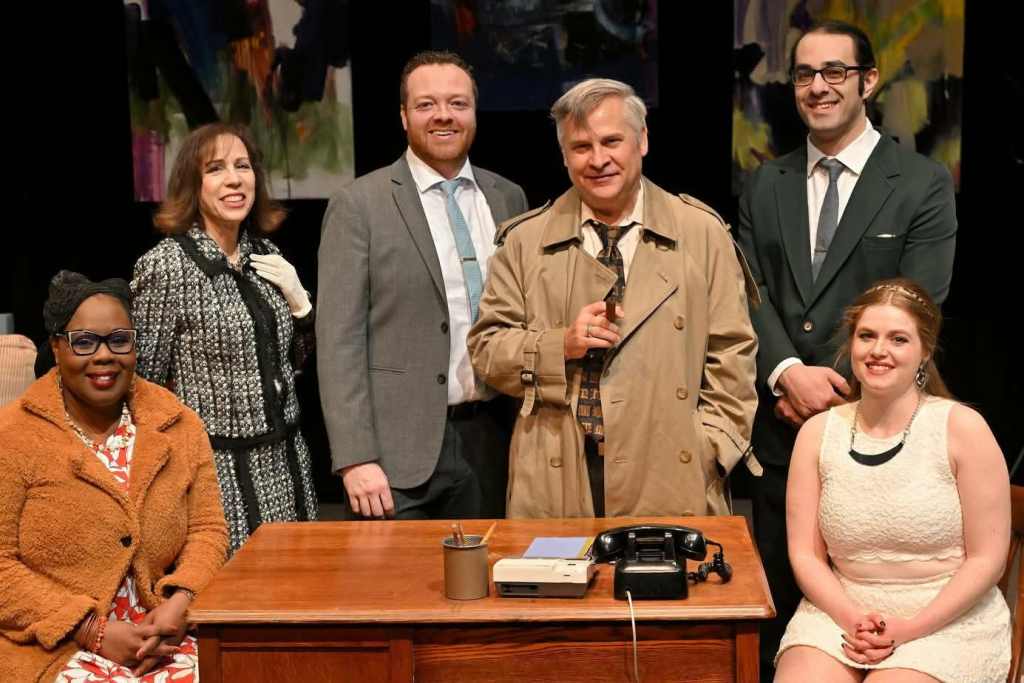
(Pictured: Cast of Prescription: Murder, Tameka Brown, Eve Cohen, Andre Cormier, David Pasquino, Sam Didi, and Makayla Ashenden. Photo Credit: Ross Davidson.)

Murder is rarely this polished – or this fun to watch.

On the Auburn Stage at the Grand Theatre in London, Ontario, Prescription: Murder wastes no time pulling its audience into a sleek, slow-burning game of cat and mouse. Running March 19–29 and directed by Stephen Mitchell, this black box production leans into intimacy and largely thrives because of it.

Originally written by William Link and Richard Levinson, the play serves as the foundation for the iconic television detective Columbo. The story centres on a brilliant and calculating psychiatrist who believes he has devised the perfect crime, only to find himself gradually entangled in a battle of wits with the seemingly unassuming Lieutenant Columbo. What unfolds is less a traditional whodunit and more a tense psychological chess match, where the outcome feels inevitable, but the journey is where all the intrigue lies.

(Pictured: David Pasquino as Lieutenant Columbo. Photo Credit: Ross Davdson.)

The ensemble is tight and reliable across the board. Makayla Ashenden brings a grounded vulnerability to Susan Hudson, while Tameka Brown and Eve Cohen offer strong, steady support as Miss Petrie and Claire Flemming. Sam Didi moves seamlessly through dual roles, and David Pasquino’s Lieutenant Columbo is understated, patient, and quietly probing—exactly what the role demands.

But let’s be honest: this is André Cormier’s show.

(Pictured: Andre Cormier as Dr. Roy Flemming. Photo Credit: Ross Davidson.)

As Dr. Roy Flemming, Cormier delivers a performance that is sharp, controlled, and magnetic. He walks a perfect line between charm and menace, with only the slightest of line slips in an otherwise near-flawless turn. What stands out most is his precision. Every look and every pause feels intentional. His seething, barely contained irritation with Columbo simmers just beneath the surface, and it’s riveting to watch. You don’t just see the character unravel; you feel it.

The staging makes smart use of the black box space, carving out distinct environments—the doctor’s office, reception area, apartment, and Columbo’s workspace—without overcomplicating things. A few of the scene changes occasionally drag a beat too long, but they’re supported by effective lighting and sound that keep the tension alive.
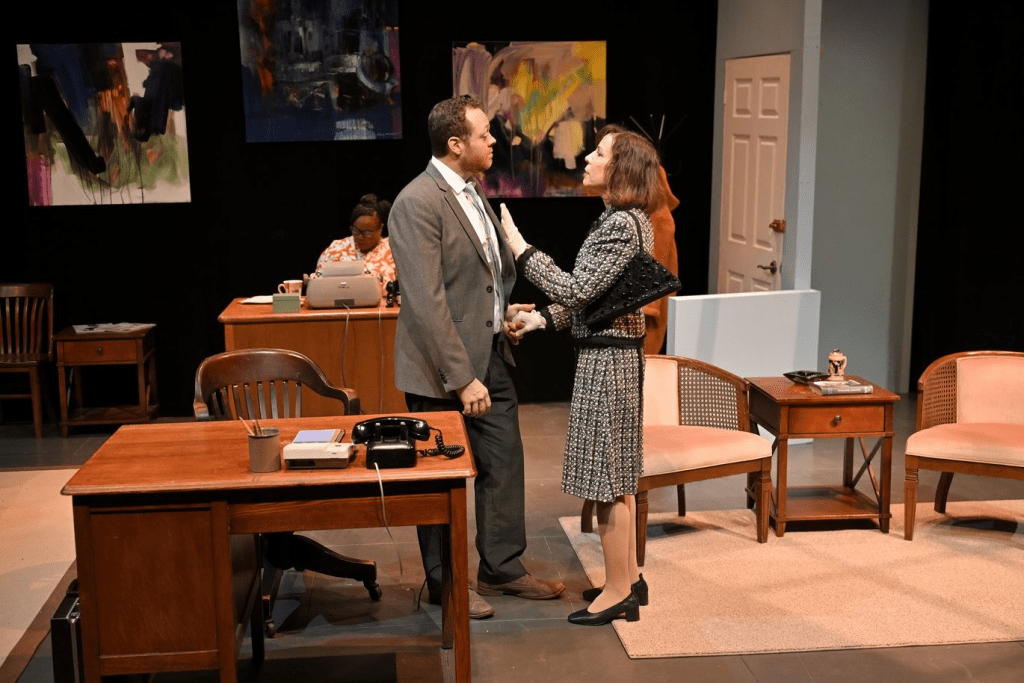
(Pictured: Tameka Brown as Miss Petrie, Andre Cormier as Dr. Roy Flemming, and Eve Cohen as Claire Flemming. Photo Credit: Ross Davdson.)

Costuming and attention to detail further ground the production in authenticity. Each character is clearly defined through wardrobe, but it’s Lieutenant Columbo who benefits most from these thoughtful choices. David Pasquino appears perfectly dishevelled with mussed hair, a slightly rumpled coat, and even an untied shoe that subtly reinforces the character’s offbeat, absent-minded persona. It’s a small but effective touch, and one that adds texture and believability without feeling trite or overstated.
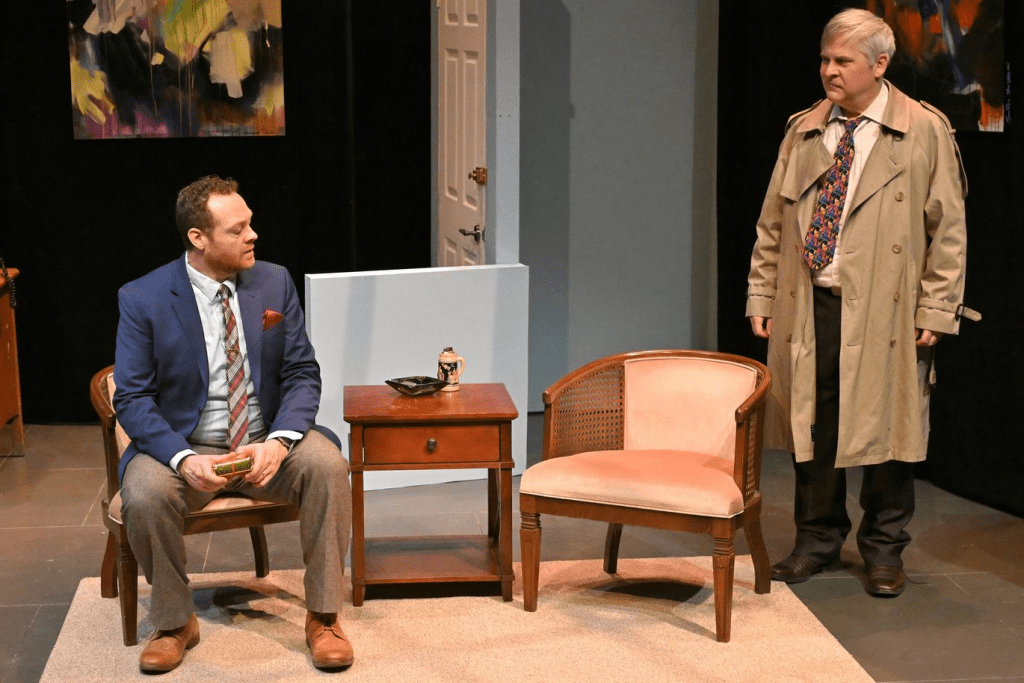
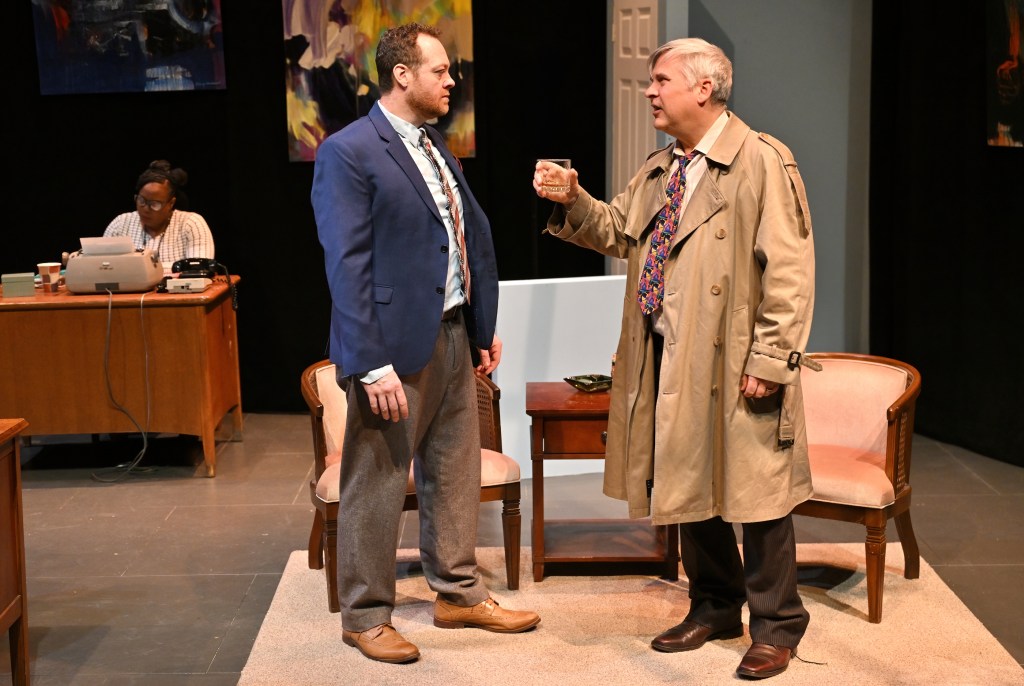
(Pictured: Andre Cormier as Dr. Roy Flemming and David Pasquino as Lt. Columbo. Photo Credit: Ross Davdson.)

There are a few minor cracks in the illusion. Some set pieces wobble when doors are slammed, which briefly pulls focus. But these moments are small and quickly forgotten. Overall, this Prescription: Murder is lean, engaging, and anchored by a standout central performance. It’s a confident piece of theatre that knows exactly what it’s doing—and for fans of classic detective drama, it absolutely delivers.

IF YOU GO:

What: DJP Productions presents Prescription: Murder by William Link and Richard Levinson

When: March 19-29, 2026

Where: Auburn Stage, Grand Theatre, 471 Richmond St, London Ontario.

Tickets: $31.70-$36.70  Prescription: Murder | The Grand Theatre

Reviewed by Jo-Anne Bishop.

Background and Experience in the Arts

My background in the Arts started with an early love for music and dance. I attended my first concert at 10 years old (Helix at the Sarnia Arena in 1983!) and began tap and modern jazz dance lessons around the same time. My love for live theatre was built through school trips to the Stratford Festival to see plays like Romeo and Juliet, The Merchant of Venice, and Macbeth, and a trip to Toronto for The Phantom of the Opera, which quickly became my all-time favourite.

I dreamed of performing for many years, but being too self-conscious to audition in high school, I sat on the sidelines and instead reviewed music and theatre for our school newspaper. In 2013, I finally pushed my fears aside and was cast in my first play, Laughter on the 23rd Floor, as Carol Wyman, the only female writer on the Max Prince show. I have since performed in productions of Birth (Jillian, 2016), Hamish (Annette, 2023) and The Curious Incident of the Dog in the Nighttime (Mrs. Alexander, 2024).

Previous Reviewing Activities

SCITS, Sarnia, Ontario – High school newspaper reviewer for Music and the Arts

London Fringe Festival, London, Ontario, 2012-2015

Independent Reviewer and Blogger (Theatre in London and The Pollyanna Papers), 2015-2016?

Why am I jumping back into the fray now?

After performing for a few years, I’ve decided to take a break from the grind of auditioning, rehearsing and performing. While I love it immensely, it’s a lot of work. Performing has given me a whole new perspective and appreciation of what goes into a production and the ability to look at reviewing with a fresh set of eyes.

Thoughts about the London arts and culture scene, especially local theatre

Hoo wee! London has such a wealth of talent, from youth to adults. Every time I see a play, I am amazed at how talented our actors, directors, producers, set/prop/costume/light/sound designers are. I don’t think causal observers realize just how much goes into making a production from the audition to the curtain call. It is a huge undertaking, and to think our theatres produce such world-class productions on some very tight budgets is astounding, especially at the community theatre level, where volunteers do everything.

Sadly, since COVID, I have witnessed a huge decline in attendance at performances, and it breaks my heart. I have also noticed a sad lack of reviews lately, which I find are necessary to give people an idea of what to expect and a reason to go to the theatre.

So, before I can put my feet on the stage again, I want to help put bodies in the seats. We need to reignite a love for theatre and the arts in this city.
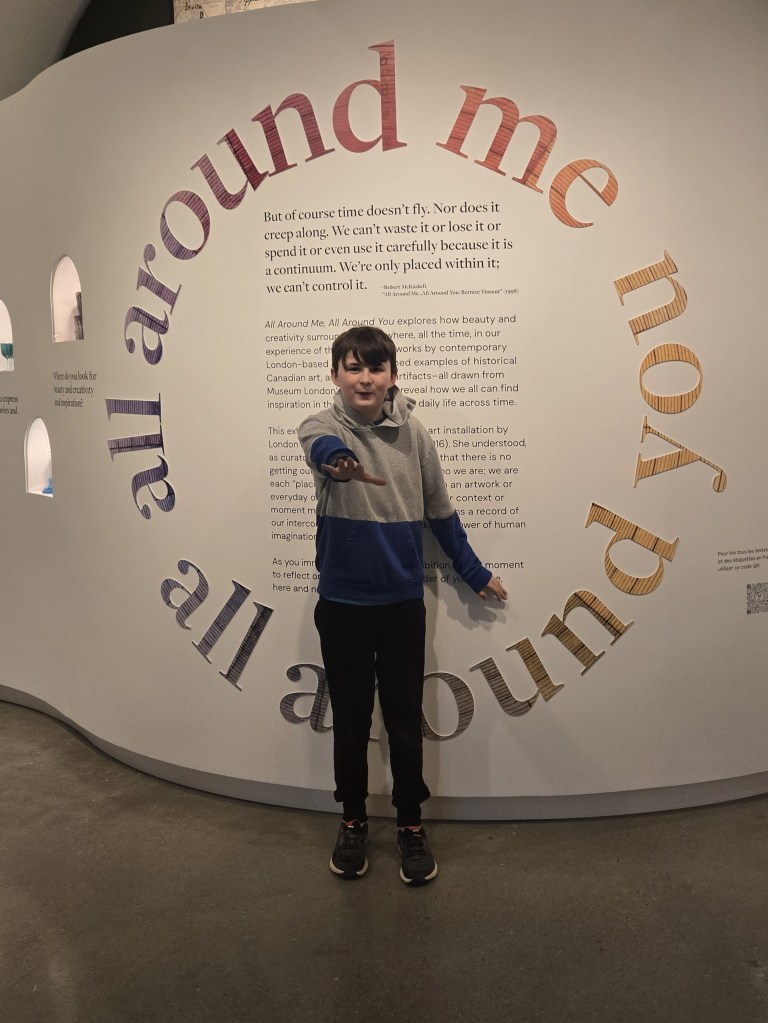
All Around Me, All Around You at Museum London: Hunter’s Eye View.

Reviewed by Beth Stewart

(Arrival at Museum London’s All Around Me, All Around You. Photo: Beth Stewart.)

During March break week, I revisited Museum London’s All Around Me, All Around You and experienced, for the first time, Tropi-X: Brazilian Art in Canada, 1970s-Now. I was accompanied by my eleven-year-old grandson Hunter.

All Around Me, All Around You features artworks and artifacts from Museum London’s permanent collection with an emphasis on the creative spirit of regional artists. It invites viewers to explore art at a sensory level as well as through memory, language, and symbols.

Hunter’s eye view was vastly different from mine, and I dutifully followed his lead.

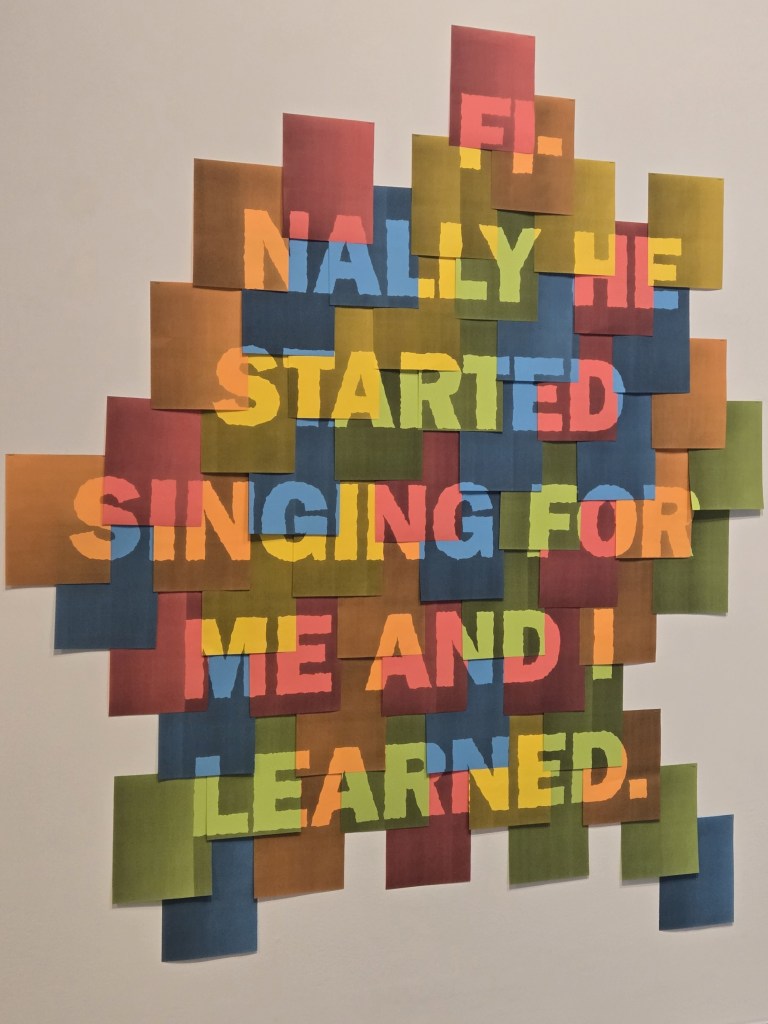
We began with the “All Around Me, All Around You” exhibition, and the first piece that grabbed Hunter’s attention was Raymond Boisjoly’s text-based “As it Comes (Started Singing).”

(Raymond Boisjoly’s “As it Comes (Started Singing)”, inkjet prints and staples on stock paper, 2023. Photo: Beth Stewart.)

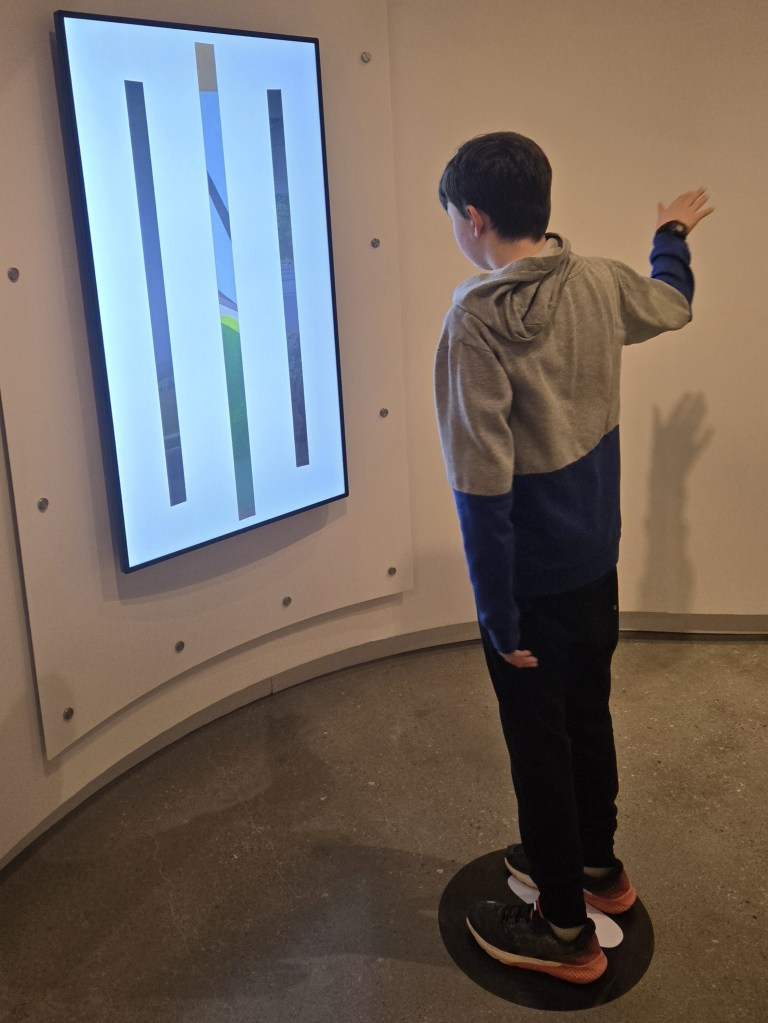
Next, he gravitated towards an interactive projection of Bernice Vincent’s “All Around Me, All Around You,” a piece that also gives the exhibition its name and embraces its joie de vivre.

(Hunter interacting with the projection of Bernice Vincent’s “All Around Me, All Around You”. Photo: Beth Stewart.)

Hunter spent a great deal of time exploring it and following the instructions (“Wave arm right, left below waist to navigate between individual pieces. Raise arm up/ down to show or hide accompanying artist note. Wave arm in either direction to dismiss instructions and explore the artwork.”) and concluded, with much satisfaction, “The pictures are good, and you can move the thing by just moving your hand.”

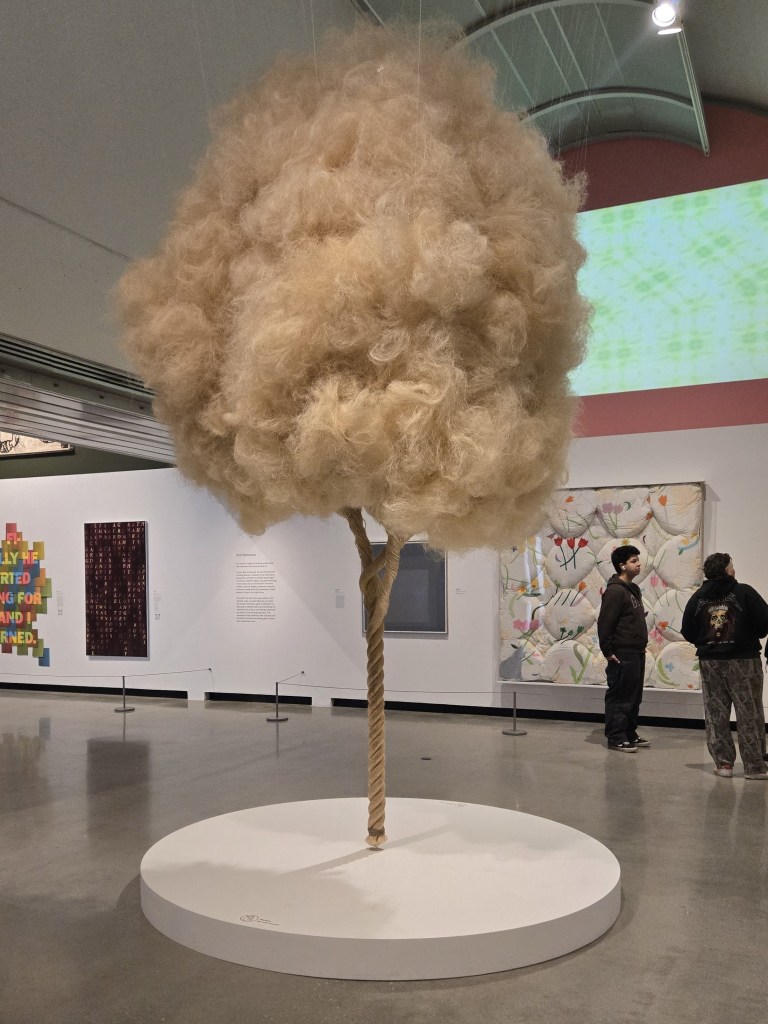
(David Merritt’s “Untitled (rope)”, sisal rope fibre, 2010. Photo: Beth Stewart.)

David Merritt’s “Untitled (rope),” was the next attention grabber. Hunter said, “It reminds me of The Lorax by Dr. Seuss because it looks like his fluffy trees. It also looks like chimney smoke that is going up in the air or like an explosion.”

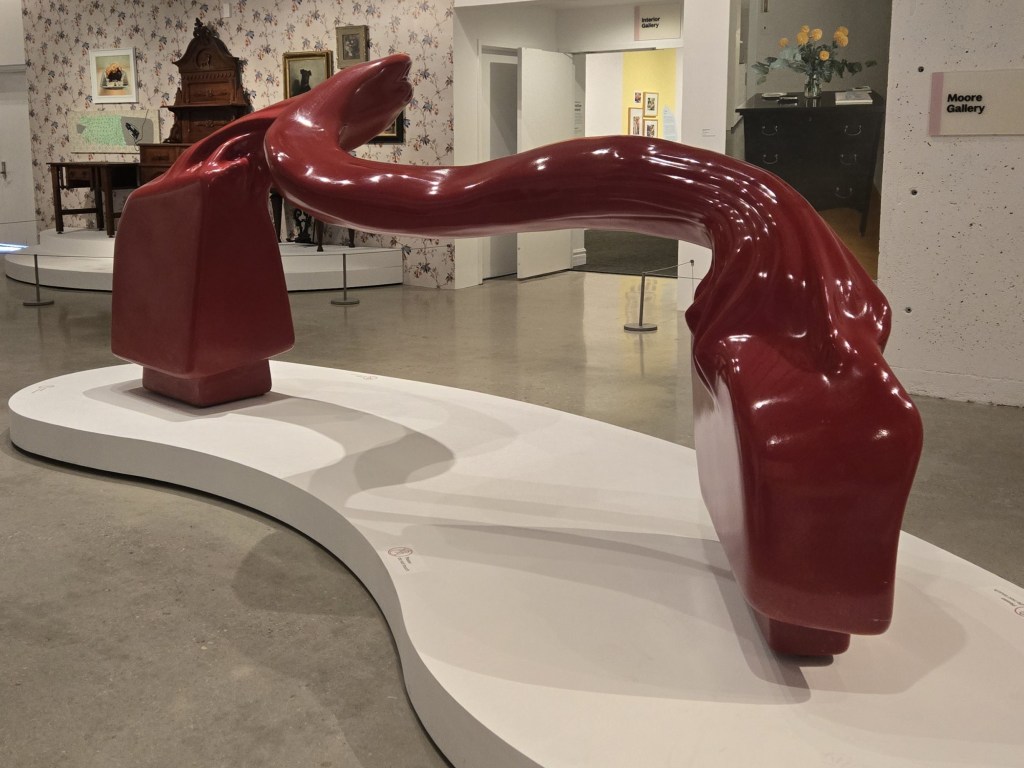
Walter Redinger’s large biomorphic piece, “Snake”, soon slithered into view. While Hunter saw it first as a snake, he then thought it looked more like an extension cord. He was impressed with how “nicely painted” it was.

(Walter Redinger, “Snake” cast fibreglass with steel armature, automotive paint, 2001. Photo: Beth Stewart.)

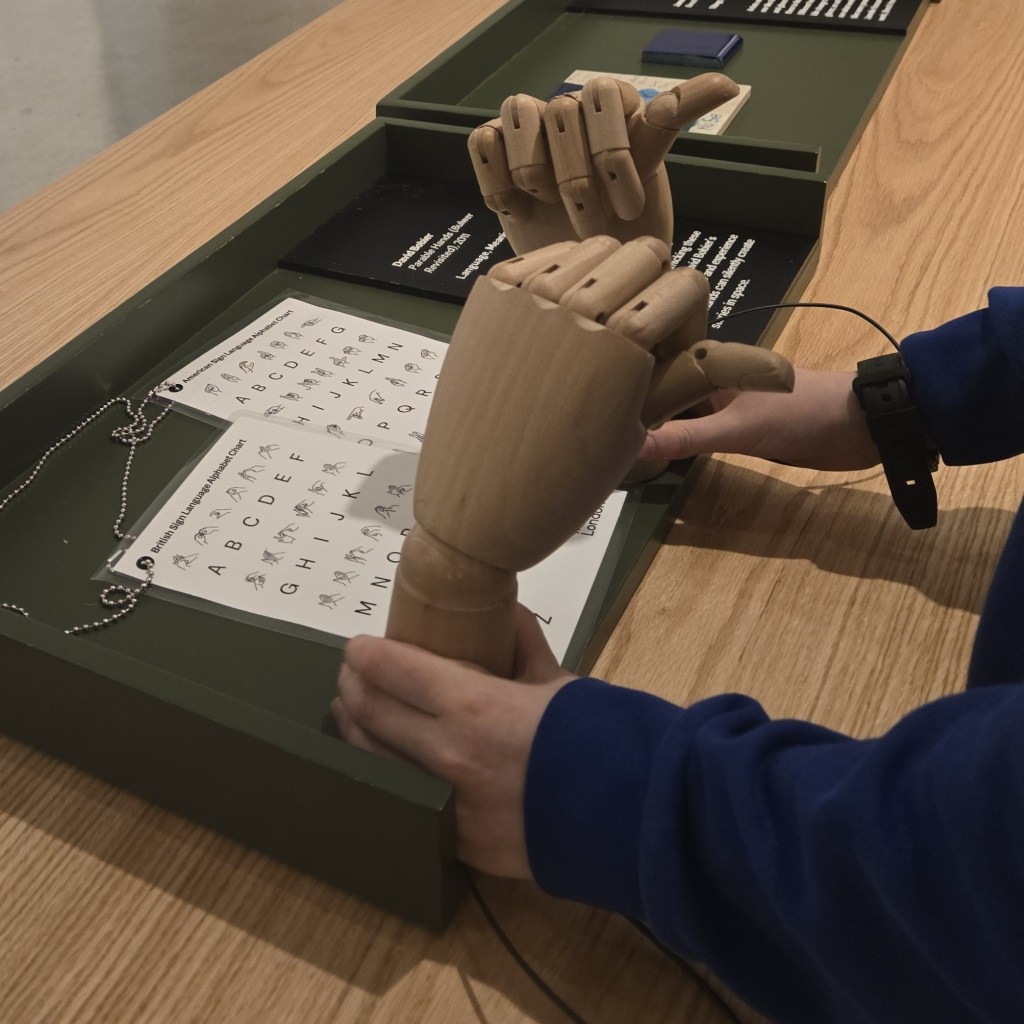
Next, Hunter was able to satisfy his tactile urges, a rare opportunity in most galleries, at a designated touch station. Each of the six displays is connected to pieces on display. Hunter was drawn to David Bobier’s “Parable Hands,” which uses articulated wooden hands to explore gestures and language.

(David Bobier’s “Parable Hands,” Photo: Beth Stewart.)

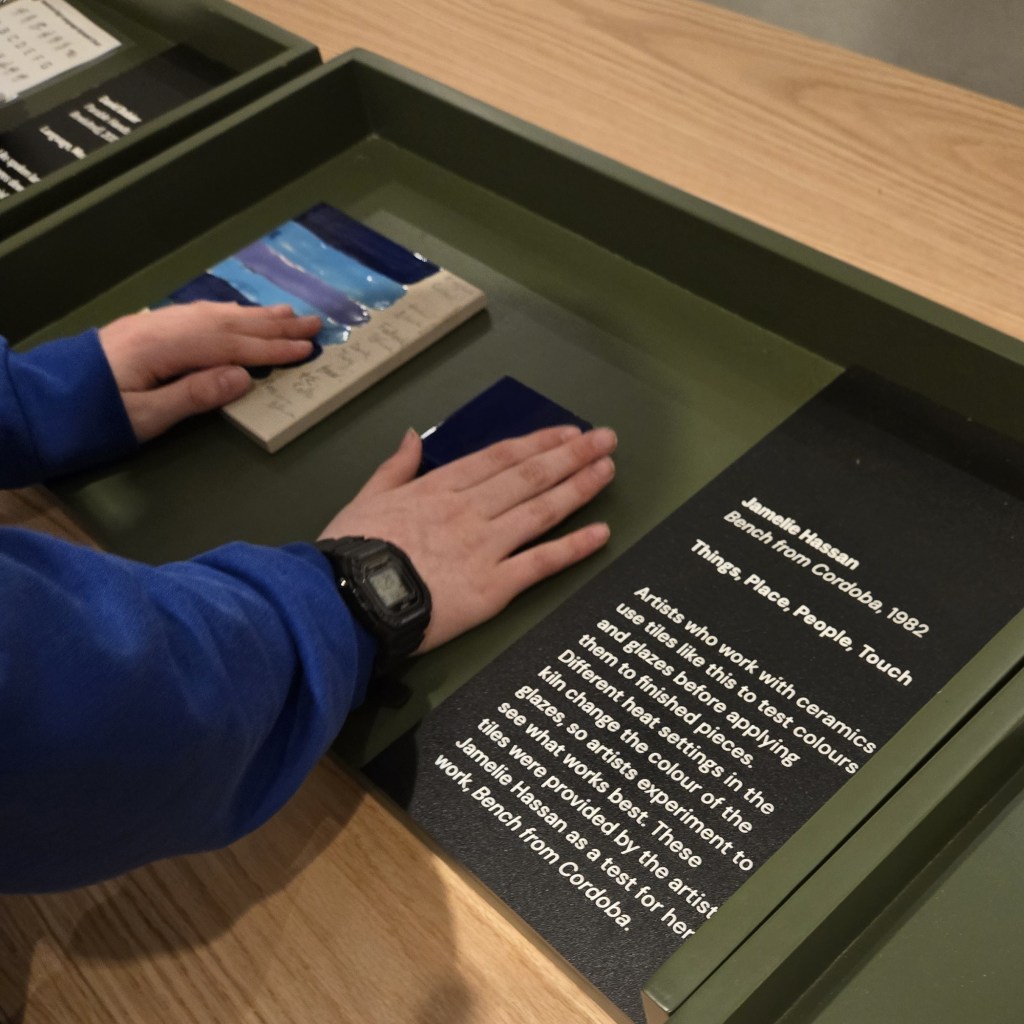
He then examined ceramic test tiles related to Jamelie Hassan’s “Bench from Cordoba.”

(Jamelie Hassan’s trial tile from “Bench from Cordoba”. Photo: Beth Stewart.)

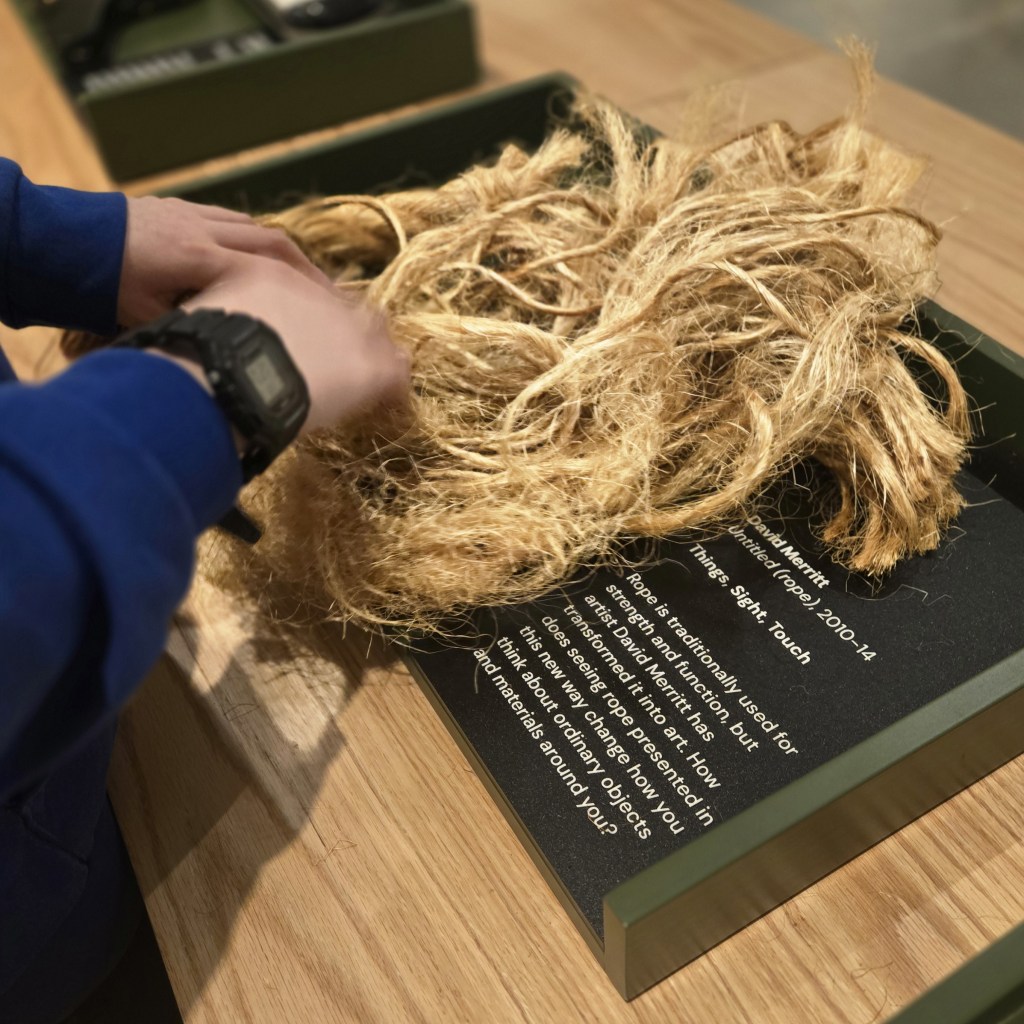
Finally, Hunter explored the texture of sisal, which was used in David Marritt’s “Untitled (rope).”

(David Marritt’s “Untitled (rope).” Photo: Beth Stewart.)

Upon encountering Kent Monkman’s mixed media installation “Nativity Scene”, Hunter immediately asked, “Why does the baby have a grown-up head?”

(Kent Monkman’s “Nativity Scene”, mixed media installation, 2017. Photo: Beth Stewart.)

While he recognized some kind of Indigenous connection, Hunter didn’t see a “remagined Christian holy family”; he saw something else entirely. He observed, “Maybe it [the head] grew because of the enchanted necklace above it,” and concluded, “they are doing some kind of ritual.”

Leaving All Around Me, we entered Tropi-X: Brazilian Art in Canada an exhibit comprised of 70 pieces that explore the preservation of Brazilian culture in Canada. It juxtaposes paintings, sculpture, and textile pieces from the 70s with contemporary pieces.

First up was Vinicius de Agular Sanchez’s “The Power of Speech (Shock),” a stop motion film that Hunter described as “fascinating because it combines music and art.”

His attention then went to a textile piece called “The Jaguar.” He said, “I think the cat is cool – it looks very soft – I want to touch it.”

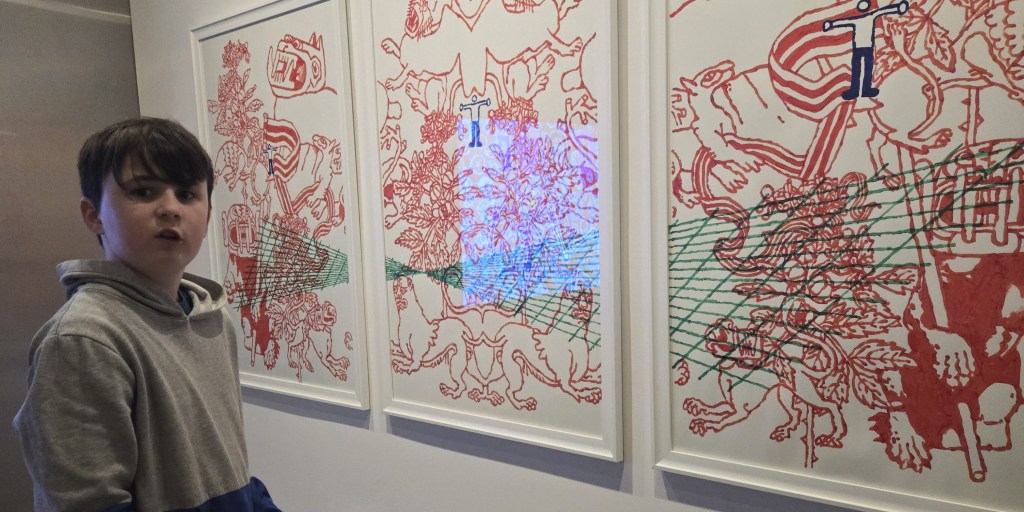
(Ian Indiano, “Between here and there”, acrylic on paper, 102 by 122 cm, 2019. Photo: Beth Stewart.)

Three large acrylic-on-paper panels, “Between Here and There,” were next. Hunter liked that they seemed to tell a “continuing story,” and I introduced him to the word triptych. He noted there were three people, one inside each painting, and that the center panel was symmetrical (kudos to his art teacher). He liked how the side panels were mirror images of each other.

(Bruno Smoky, “Protect What We Have Left”, spray paint, acrylic, and airbrush on canvas, 165 by 287 cm, 2023-25. Photo: Beth Stewart.)

Bruno Smoky’s spray paint, acrylic, and airbrush on canvas painting “Protect What We Have Left” was a definite attention-grabber. Hunter liked that it had lots of colours and that it was so realistic. His favourite part was the two sloths. He commented on the solitary human: “I think it shows people rule; they are above everything else,” but then decided, “the person might be stranded and living with the animals.”

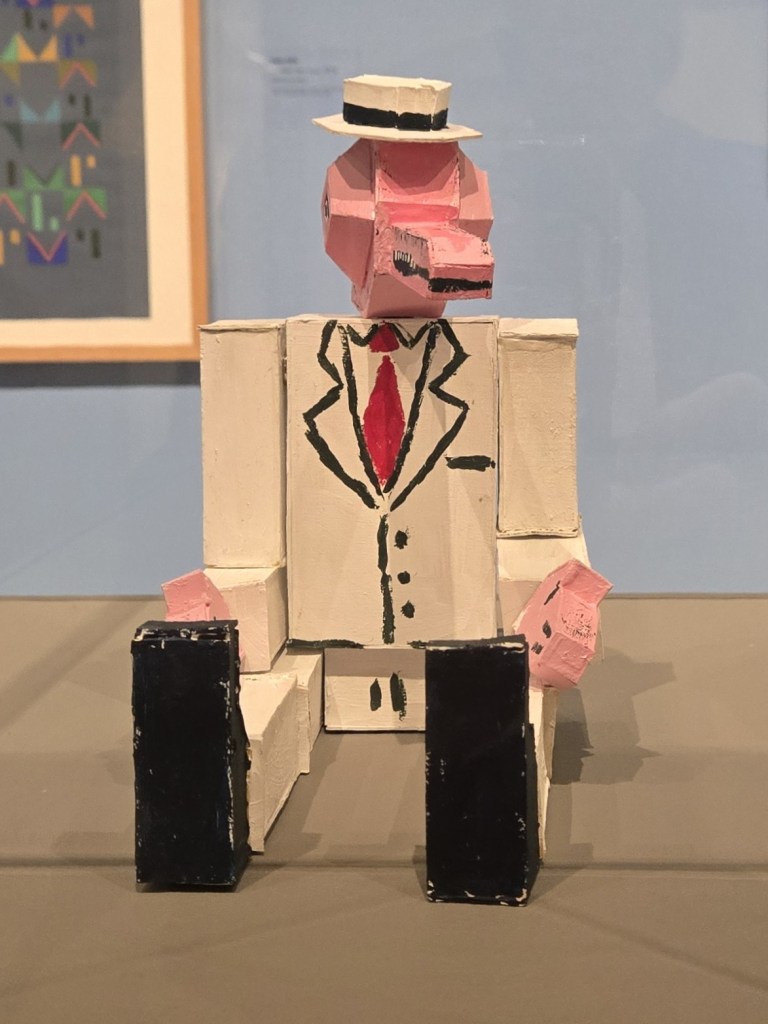
(Vinicius de Aguiar Sanchez, “Pink Dolphin”, balsa wood and wood paint, 2023. Photo: Beth Stewart.)

Vinicius de Aguiar Sanchez’s “Pink Dolphin” sculpture earned much admiration. Said Hunter, “I can relate to it because it looks similar to the stuff that I draw … really crazy things.”

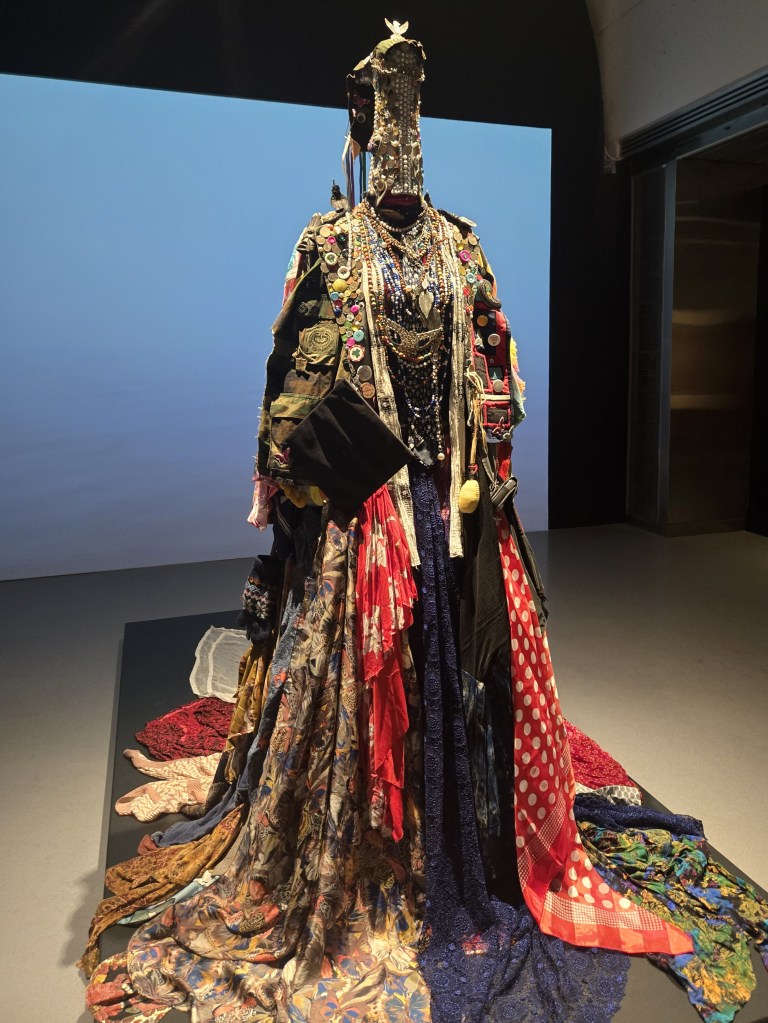
Our last piece of the day was Hélio Eudoro’ s mixed media installation “Mantle N° 5 – Battle Against Destiny – Moirai’s Fate Armour”. Hunter commented that it was “colourful and probably very heavy.” He liked that the artist had used a combination of “clothing, money, buttons, shiny stuff, and necklaces” in the piece.

(Hélio Eudoro, “Mantle N° 5 – Battle Against Destiny – Moirai’s Fate Armour”, mixed media, 2022. Photo: Beth Stewart.)

Hunter said, “I first looked at the head, because someone’s head doesn’t look like that. I then noticed that the heart from the movie Moana is on it, so I think it might be a god.”

Visiting an exhibition with someone else adds another layer of exploration and understanding. Visiting with an eleven-year-old art enthusiast led me to look at pieces I might otherwise have passed and introduced me to unique interpretations. All in all, time well spent.

All Around Me, All Around You is located on the second level in the Volunteer/Moore Galleries and is ongoing. Tropi-X: Brazilian Art in Canada, 1970s-Now is also on the second level in the Ivey Galleries. It runs to April 19, 2026, so time is of the essence if you don’t want to miss it.

For more information about Museum London, visit Home | Museum London

Reviewed by Beth Stewart.

Beth Stewart is a writer, educator, and visual artist. She has a B.A. and a B.Ed. from the University of Windsor and a Diploma in Art Therapy from Western University. Beth has worked as an Art Therapist with Canadian war veterans and as a Secondary School Teacher of art and English for the TVDSB. She retired in 2024.

Beth was the arts editor at Scene Magazine from 2004 to 2006. She founded Artscape Magazine in 2006 and served as its editor until 2008. In addition, Beth wrote on the arts for Lifestyle Magazine from 2006 to 2017 and served as the copy editor for The Beat (in print) from 2009 to 2013.

As a visual artist, Beth works mainly in dry media and favours coloured pencil. Over the past decade, Beth’s focus has been on wild and domestic birds. Beth is a member of the Coloured Pencil Society of America, the Gallery Painting Group, the Eclectic Collage Collective, the Lambeth Art Association, and a founding member of the Coloured Pencil Artists of Canada group.

Web: https://bethstewart.ca/

Facebook: https://www.facebook.com/profile.php?id=100009620916363

Q&A Interview with David Pasquino, Founder of DJP Productions

What follows is a Q&A Interview with David Pasquino, founder of DJP Productions, who also plays Lieutenant Columbo in the company’s inaugural production, Prescription: Murder. The show runs on the Auburn Stage at the Grand Theatre from March 19 to 29.

(Pictured: DJP Productions founder David Pasquino in character as Lt. Columbo. Photo by Ross Davidson.)

Q. How did Prescription: Murder come about? Is it my understanding that its origins are to be found in an episode of the beloved TV series Columbo? Which came first – the play or the TV show?

It’s a great question, and the answer is a bit of a twist worthy of Columbo himself.

Most people assume Prescription: Murder came after the TV series, but in fact, it’s where Columbo began. The story first appeared in March 1960 as a short piece by William Link and Richard Levinson in Alfred Hitchcock’s Mystery Magazine, featuring a detective named Lt. Fisher.

The next version of the story was called Enough Rope and was featured in alive television drama on The Chevy Mystery Show. That’s where we first encounter Lt. Columbo. In the show, Dr. Flemming and his wife plan a weekend trip to Toronto (as opposed to upstate New York, as we see in the play)!

That version evolved into the stage play Prescription: Murder in 1962, which toured successfully and was headed for Broadway before the untimely death of its lead actor, Thomas Mitchell. It wasn’t until 1968 that the story was adapted into the now-iconic TV special starring Peter Falk, launching the beloved Columbo series as we know it.

So, the origin story actually runs in reverse of what most people think:
short story → live TV → stage play → TV special.

Q. What motivated you to select this particular play for DJP Productions’ first production?

Honestly? It’s Pat Sajak’s fault!

A couple of years ago, I came across an article about what Pat planned to do after Wheel of Fortune. Surprisingly, it wasn’t retirement, it was community theatre! Even more surprising? He was stepping into the role of Dr. Flemming in Prescription: Murder at the Hawaii Theatre for a fundraiser. I had no idea that Columbo had started as a play!

That stopped me in my tracks. I had grown up watching Columbo with my family, but I had no idea the character originated on stage. Curious, I ordered the script, and the moment I read it, I was hooked. The tension, the structure, the cat-and-mouse dynamic, it all felt tailor-made for live theatre. And somewhere along the way, I had a realization: I need to see this on stage… and I want to play Columbo.

I brought the idea to my talented wife, Diana Tamblyn, and instead of talking me out of it, she leaned in. She offered to take on the marketing and promotion, and together we saw the opportunity: a smart, suspenseful story with a built-in nostalgia factor that we felt would really resonate with London audiences.

So, what started as a late-night click on an article quickly turned into something much bigger: the launch of DJP Productions and our first production.


Q. Could you provide a brief plot synopsis of the play?

Without giving too much away? Okay: a murder has taken place. A certain unkempt, fumbling, cigar-smoking detective appears on the scene and must unravel the mystery while matching wits with a brilliant killer.

Q. Why did you choose to stage the play at the Auburn Theatre?

I’ve performed there before, so I already knew how special the space is, it has this intimate energy where the audience feels close enough to be part of the story, but still large enough to create real theatrical impact. For a show like Prescription: Murder, where tension and subtlety matter, that balance is everything.

As a first-time producer, that “middle ground” was important. I didn’t want something too small or something overwhelming. The Auburn sits perfectly in that sweet spot: ambitious, but manageable.

There’s also a practical side. It’s a great central location, and having the support of The Grand Theatre behind the scenes, especially for ticketing, adds a level of professionalism and confidence that’s invaluable for a first production.

To top it off, our Director, Stephen Mitchell, worked as a technician in the space for many years, so he is intimately familiar with it. In a lot of ways, the Auburn wasn’t just a venue choice; it became part of the foundation that made launching DJP Productions feel possible.

Q. The Lt. Columbo character, played so marvellously by the late Peter Falk, with all his quirks and mannerisms, must be a hoot to play. Tell me about how you prepared to play the character.

You’d think the first thing I’d do is binge-watch Columbo—but I actually did the opposite.

Peter Falk’s performance is so iconic, so deeply ingrained in all of us, that I knew if I immersed myself in it again, I’d end up doing an imitation of him, and that’s not what this play calls for. Since this version of Columbo actually predates the TV series, so my goal was to go back to the source.

Instead, I lived in the script. I read it over and over, really digging into the stage directions, the rhythm of the dialogue, the subtle cues the writers embedded. I wanted to understand who Columbo was before he became the trench coat, the cigar, the cultural icon.

That said, you can’t completely escape Peter Falk, and I wouldn’t want to. There are a few small, intentional nods in my performance, and I’m sure some of those familiar quirks will surface naturally. But the aim isn’t to replicate—it’s to rediscover.

It will be interesting to hear from people what they think. Regardless, trying to step into the shoes that Peter Falk wore so well for so long is a daunting task, and I hope that people will find my Columbo both fresh and… comfortably familiar.

(Pictured: Tameka Brown as Miss Petrie, André Cormier as Dr. Roy Flemming, and David Pasquino as Lt. Columbo. Photo by Ross Davidson.)

Q. What have been your major challenges getting into the character? Any fear that audiences will spend too much time comparing your portrayal to that of Falk?

I have woken up early many mornings worrying about exactly that! Of course, I want to pay homage to Peter Falk’s Columbo, but I don’t want to be David Pasquino playing Peter Falk playing Columbo.

Again, that’s where the script comes in because it was written before Peter Falk ever took on the role, so my responsibility was to stay true to that original interpretation. I even considered dyeing my hair to resemble him more closely—but my wife made a great point: not looking like Falk might actually help the audience separate my Columbo from his.

Q. What can audiences expect from Prescription: Murder?
For those audience members who are fans of Columbo, hopefully a pleasant visit with a familiar friend. For those who are new to Columbo, an introduction to a cast of interesting, fun characters and a visit to a time before cell phones!

And for both, an enjoyable evening experiencing the twists and turns in a smart, fun story, watching a game of cat and mouse between two brilliant but unconventional people, where the outcome may be known, but how they get there is all the fun!

Q. Tell me about DJP Productions, its origins, mandate and future plans.
I set up DJP Productions for the sole purpose of putting on this show. “DJP” may be my initials, but it could also stand for “Discover Joy and Passion,” which is what I hope that everyone involved in this show, cast, crew and audience, will experience.

As for the future… let’s see how this one goes, and then I’ll see what I’m up for. Although I have had a few people approach me with ideas!

Q. Is there anything else you think our readers should know about DJP’s production of Prescription: Murder?

Let’s all have some fun and enjoy the show!

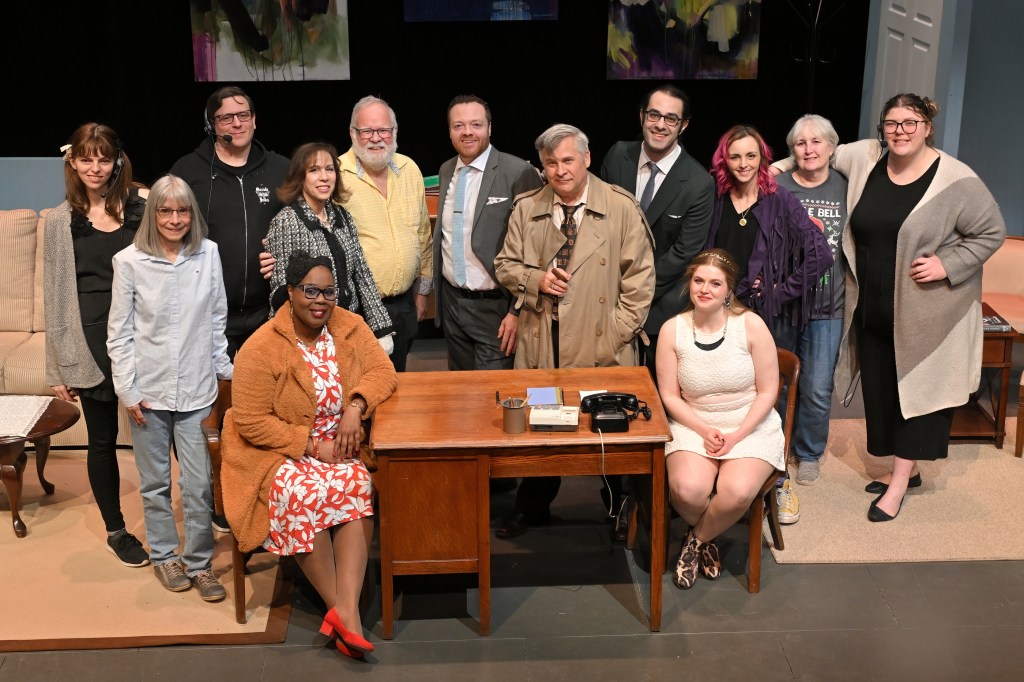
(Pictured: Cast & Crew of Prescription: Murder. Photo by Ross Davidson.)

Cast:

Tameka Brown – Miss Petrie
Andre Cormier – Dr. Roy Flemming
Eve Cohen – Claire Flemming
Makayla Ashenden – Susan Hudson
David Pasquino – Lieutenant Columbo
Sam Didi – Dave Gordon/Delivery Person

Crew:

Stephen Mitchell – Director/ Sound & Set Design
Mariann Sawyer – Stage Manager
Jessica Norrie – Assistant Stage Manager
Barbara Rand – Props Lead
Nancy Daoust – Props Assistant
Tannis Daoust – Costumes
Diana Tamblyn – Marketing & Promotion
Rob Coles – Lighting Design
David Pasquino – Producer

IF YOU GO:

What: DJP Productions presents Prescription: Murder.

When: March 19 to March 29, 2026.

Where: Auburn Stage at the Grand Theatre, 471 Richmond Street, London, ON.

Tickets: Available in-person at the Box Office, by phone at 519.672.8800, and online at Prescription: Murder | The Grand Theatre

Q&A Interview conducted by Richard Young.

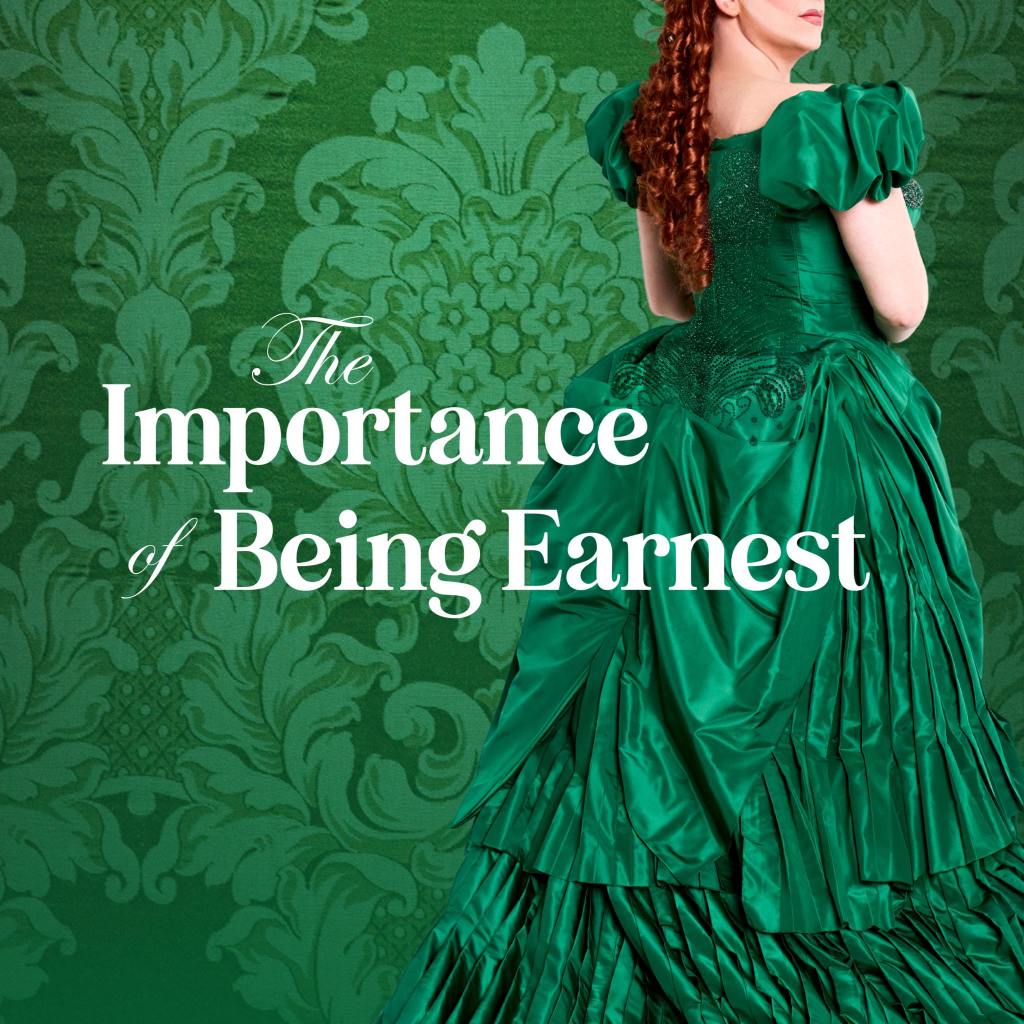
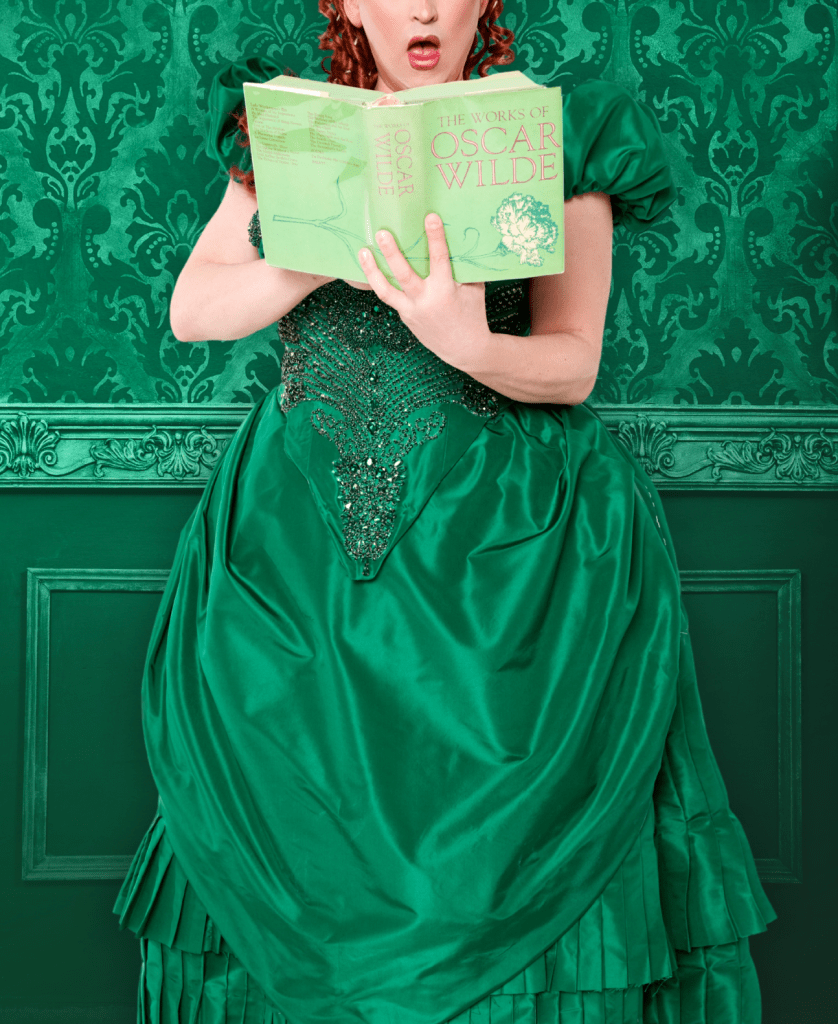
Oscar Wilde’s The Importance of Being Ernest comes to the Spriet Stage at the Grand Theatre, from March 24 through April 12.

With Files Provided by The Grand Theatre

An all-new, London-made production of Oscar Wilde’s classic romp of friendship and falsehoods will take to the Spriet Stage at the Grand Theatre, running from March 24 through April 12. Director Alistair Newton helms a vivid, design-forward staging of The Importance of Being Earnest with an attention to the aesthetic that rivals perhaps even that of Wilde himself. 

The Importance is rife with biting wit and social commentary that remain relevant today, delighting audiences around the world for more than one hundred years now. If we were going to bring this play back to our audiences at the Grand, we wanted to bring a bold idea to it,” shares Rachel Peake, Artistic Director of the Grand Theatre. “Enter Director Alistair Newton.”

(Pictured: Alistair Newton. Photo Credit: David Cooper.)

Newton has penned new text, “On the Language of Fans”, and has introduced a new role – Lady Stella Clinton. Also known as Ernest Boulton, Lady Stella was a 19th-century queer trailblazer who famously fainted when she was found innocent in the trial of the century, after being arrested for wearing women’s clothes. In Newton’s The Importance, Lady Stella will delight audiences with a pair of musical numbers by Gilbert and Sullivan that have been added to the show.

Billy Lake makes his Grand Theatre debut as Lady Stella Clinton and joins a familiar cast of characters, including Deena Aziz as Miss Prism, James Daly as Algernon Moncrieff, Julien Galipeau as John Worthing, Kaylee Harwood as Gwendolen Fairfax, Claire Jullien as Lady Bracknell, Ben Sanders as Rev. Canon Chasuble  / Lane, and Mirabella Sundar Singh as Cecily Cardew.

(Pictured: Billy Lake as Lady Stella Clinton. Photo Credit: Mai Tilson.)

“Productions of The Importance are usually accompanied by associations –heavy curtains, fussy furniture, lace doilies – which are drawn more from our culture’s received ideas about the late Victorian period than from an aesthetic universe whose dramatic language included melodrama and the transgressive queerness of the music hall,” says Newton. “In fact, Wilde’s plays have the potential to illuminate the 19th Century in ways that challenge many of these preconceptions, full as they are of secret codes, hidden symbols, double entendres, and perhaps above all, delightful paradoxes.”

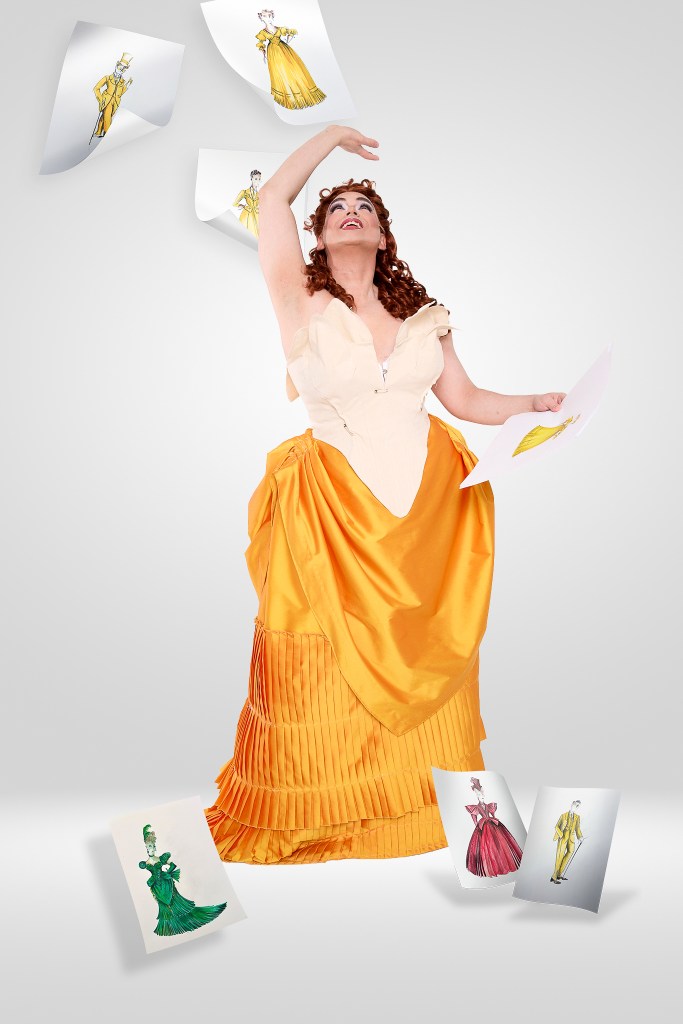
Featuring opulent, high-fashion wardrobe, the production will be colour-blocked with each act unveiling itself as vividly monochromatic. “The green of Act One comes from the code of the dyed carnation flowers which Wilde and his set wore on their lapels to identify one another,” reveals Newton. “The yellow of Act Two is the same hue as the covers of ‘decadent’ French literature of the period, as well as of the Yellow Book, a publication of the Aesthetic Movement. The red of Act Three is taken from Wilde’s vermillion office at his family’s London home on Tite Street; a blast of shocking, subversive colour amidst an otherwise tastefully minimal, and mostly white, interior.”

(The Importance of Being Ernest. Costume Design by Judith Bowden. Photo Credit: Mai Tilson.)

Newton’s vision becomes reality through the show’s creative team which includes Stephen Ingram as Music Director, George Absi as Choreographer, Michelle Tracey as Set Designer, Judith Bowden as Costume Designer, Siobhán Sleath as Lighting Designer, Olivia Wheeler as Sound Designer, Phyllis Cohen as Dialect Coach, Michael Hart as Stage Manager, Jordan Guetter as Assistant Stage Manager, and Tsz Ting Lam as Apprentice Stage Manager.

With the show’s innovative design, spectacular wit, and the addition of song, dance, and drag, this London-made production of The Importance of Being Earnest highlights the underlying queer code that exists throughout Wilde’s masterpiece

Director Alistair Newton on The Importance of Being Earnest at the Grand Theatre: https://youtu.be/aY7sdbTvr30?si=SbutewNaAes6hcg2

Creative Team

Alistair Newton – Director

Stephen Ingram – Music Director

George Absi – Choreographer

Michelle Tracey – Set Designer

Judith Bowden – Costume Designer

Siobhán Sleath – Lighting Designer

Olivia Wheeler – Sound Designer

Phyllis Cohen – Dialect Coach

Michael Hart – Stage Manager

Jordan Guetter – Assistant Stage Manager

Tsz Ting Lam – Apprentice Stage Manager

Cast

Deena Aziz – Miss Prism

James Daly – Algernon Moncrieff

Julien Galipeau – John Worthing

Kaylee Harwood – Gwendolen Fairfax

Claire Jullien – Lady Bracknell

Billy Lake – Lady Stella Clinton / Merriman

Ben Sanders – Rev. Canon Chasuble  / Lane

Mirabella Sundar Singh – Cecily Cardew

IF YOU GO:

What: Oscar Wilde’s The Importance of Being Ernest

When: March 24-April 12, 2026.

Where: Spriet Stage at the Grand Theatre, 471 Richmond Street, London, ON.

Tickets: Single tickets range from $25 to $97 and are available in-person at the Box Office, by phone at 519.672.8800, and online at grandtheatre.com/event/importance-of-being-earnest

Maud: Jeffery Music Foundation- What have you DONE????

Ethel: You look distraught. Whatever is the matter?

Maud: Have you SEEN the chamber group The Jeffery Concerts has brought to London for Friday, March 13th? AAAAARGH!!!

Previewed by Daina Janitis

(Pictured: The Poiesis Quartet.)

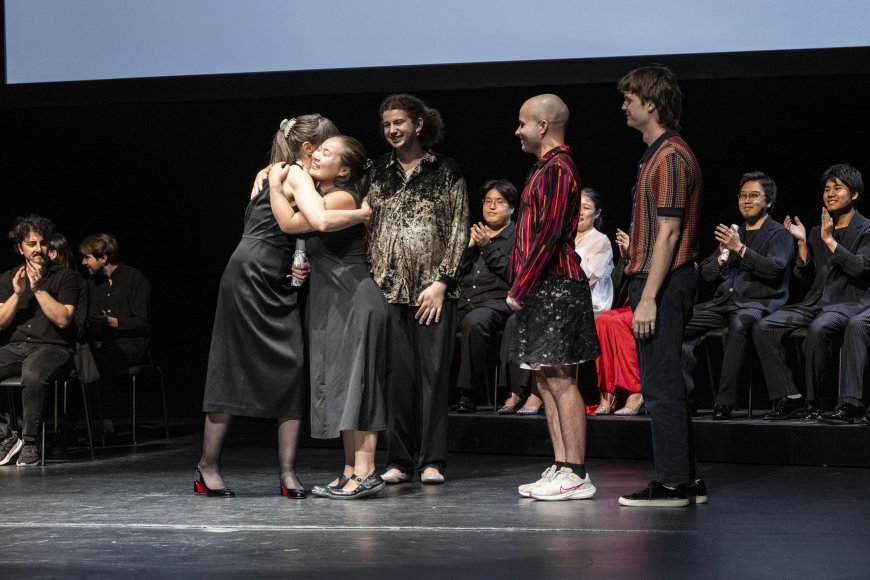
Ethel: Yes, Maud- and how lucky are we in London to have this Jeffery Foundation board of music lovers, music teachers, and music performers bringing amazing talents that we’d otherwise have to travel to see and hear. That’s the Poiesis Quartet. As the newly crowned winners of the 2025 Banff International String Quartet Competition, the Poiesis Quartet’s arrival in London is a momentous point in their career, bringing the kind of risk-taking, collaborative artistry that keeps chamber music alive for new generations.

Their Jeffery debut at Metropolitan United Church is not our grandmothers’  “subscription” recital, but a chance for Londoners of all ages to encounter four young musicians who treat the string quartet as a living laboratory for sound, story, and social connection.

Maud: But just LOOK at their outfits and piercings- and their use a mixed bag of pronouns. And the program? Chamber concerts are for the B’s- Bach and those other gentlemen of classical music! What kind of name is Jerod Impichchaachaaha’ Tate?

Ethel: I don’t know where he was born- but the Jeffery Foundation bringing that music and those musicians to London, Ontario is enacting Canadian core values: public access to culture, support for emerging talent, and a belief that serious art belongs not in gated institutions but in the shared spaces of a city. In a world where U.S. arts centres are increasingly entangled with partisan politics and boycotts, the Jeffery series offers something different: a locally rooted, not-for-profit platform where excellence is measured in artistic integrity and community impact, not donor glamour.
Maud: Are they at least going to dress up in dignified concert black as they play?

Ethel: Oooh- I doubt it. And I hope they let their freedom in concert dress reflect the freedom in bending and improving traditions of all kinds, bring that beautiful stage at The Met to new life! Try meeting some of them first … look up their own website: Poiesis Quartet

Or, let’s let one of them tell us about him/her/they!

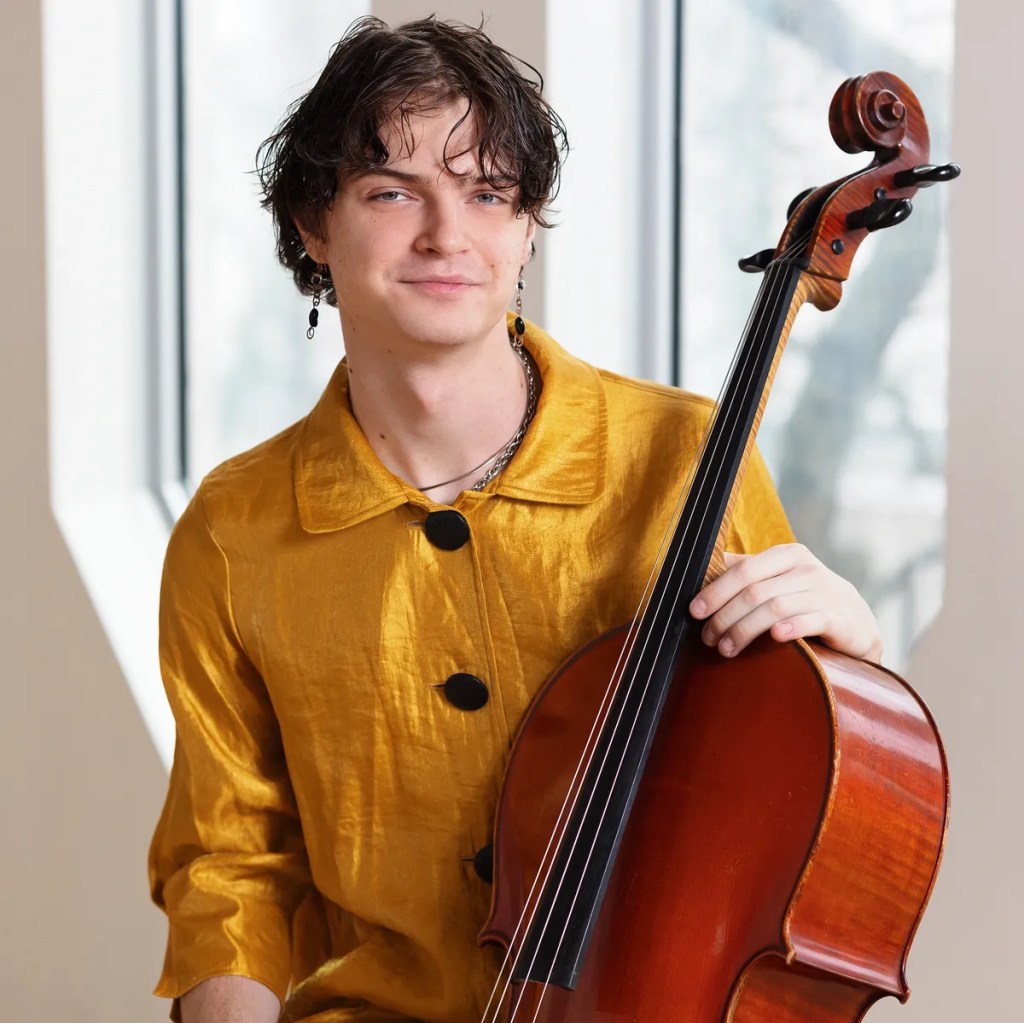
(Pictured: Drew Dansby.)

Drew Dansby, cello, Drew Dansby (he/him) is a recent double-degree graduate of Oberlin College and Conservatory, with degrees in cello performance under Darrett Adkins and chemistry with minors in Comparative American Studies and sociology. Drew joined the cello section of the Cincinnati Symphony Orchestra full-time beginning in the 2023-24 season, becoming the youngest member of the orchestra at 22. He has served as an acting cellist in the Charlotte Symphony, associate principal cellist of the New York String Orchestra, and principal cellist of the Verbier Festival Orchestra. Originally from Charlotte, NC, Drew made his solo debut with the Charlotte Symphony at age 15. Drew is also a founding member of the Charlotte Piano Trio, which has performed 14 concerts over 5 years across North Carolina, and was the founder and director of the 2022 Myers Park Summer Series. Drew has been recognized as a National YoungArts winner and gold medalist in the Cleveland Cello Society competition. Drew was a member of the National Youth Orchestra of the USA for three summers, including as a violinist in 2018 and as principal cellist in 2019, and he was the first member in the history of the orchestra to be accepted on two instruments. As a winner of Oberlin’s concerto competition, he performed David Baker’s Concerto for Cello and Jazz Band with the Oberlin Jazz Ensemble in April 2024.

And the rest of them are just as impressive in their achievements – so with the Poesis Quartet, we are getting a quadruple whammy of inspiration!

Maud: But the music? Will I be able to tolerate any of it?

Ethel: Listening to music of any era should not be centred on your pain threshold, honey. You may have to adjust your hearing aids and your expectations a bit, but the piece that won THE 2025 Banff Festival prize certainly didn’t scare those judges!

Maud: I didn’t know about that Banff Festival. Is it a big thing???

Ethel: A biggie, indeed. The Banff International String Quartet Competition was organized in 1983. It is now recognized as one of the world’s major string quartet competitions. 

Ten quartets from around the world are selected to take part in the semi-final competition. All members of the quartets must be under the age of 35. After playing various styles of both traditional and modern chamber music before audiences over a period of several days, three finalist groups are chosen. After further performances, these are judged and a winner chosen.

And here’s a photo of them receiving the 2025 Banff award.

As arts reporter Keith Powers said about the 2025 competition, “Each repertoire choice had a tell: of a quartet’s confidence, technique, history — all subtle, all different. For the Poiesis Quartet, this competition was not only a test of mettle, but it was also a forum for identity. The eventual competition winner cemented a place in the finals with a spectacular performance at the conclusion of the open competition: Bartók’s String Quartet No. 5 (the first work the group ever learned!). Then Poiesis stole the finals with royally inclusive and distinctive choices: quartets by Jerod Impichchaachaaha’ TateBrian Raphael NaborsKen Hisaishi, and Kevin Lau.

“The final round presents our ensemble, our values,” cellist Drew Dansby said. “We feel like everything we’ve done is being fulfilled with this.”

Want to hear the piece they played in the final round, Maud? Get ready …

Maud???  Maud???  Maud???

IF YOU GO:

What: The Jeffery Concerts presents the Poiesis Quartet

When: Friday, March 13, at 7:30pm.

Where: Metropolitan United Church, 468 Wellington Street, London, ON.

Tickets: The Jeffery Concerts – 2025/26 Season | The Grand Theatre

Previewed by Daina Janitis.

David Long – A Life In Apples, Advocacy and Community Theatre

By J. Bruce Parker

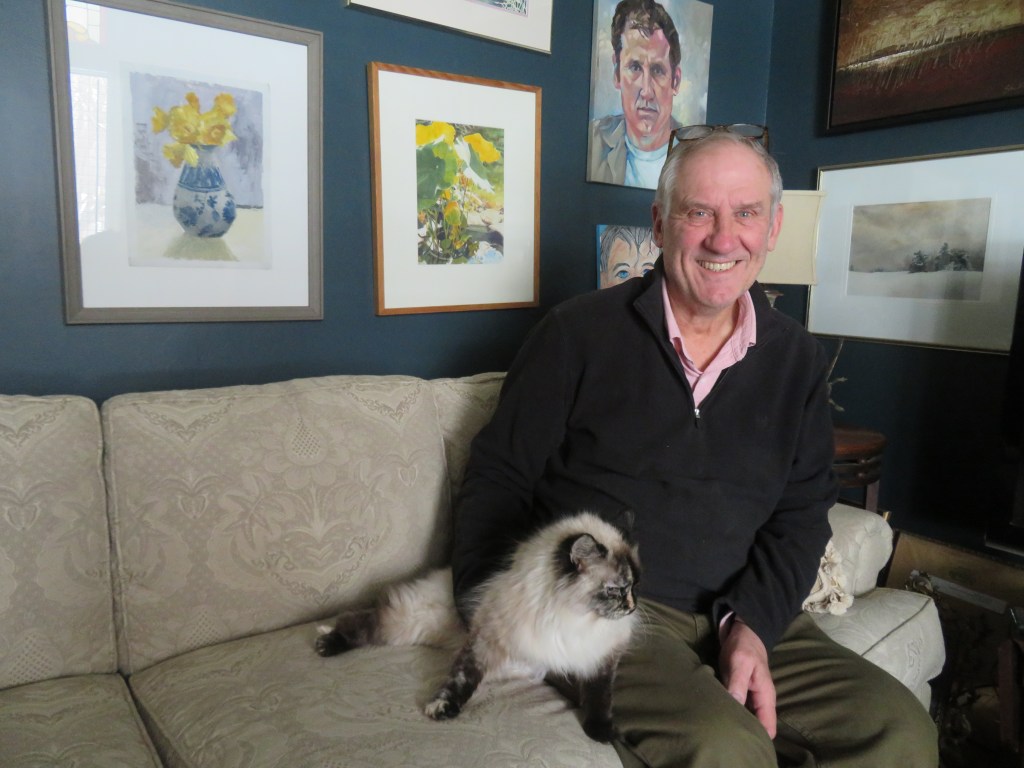
(Pictured: The Palace Theatre’s David Long.)

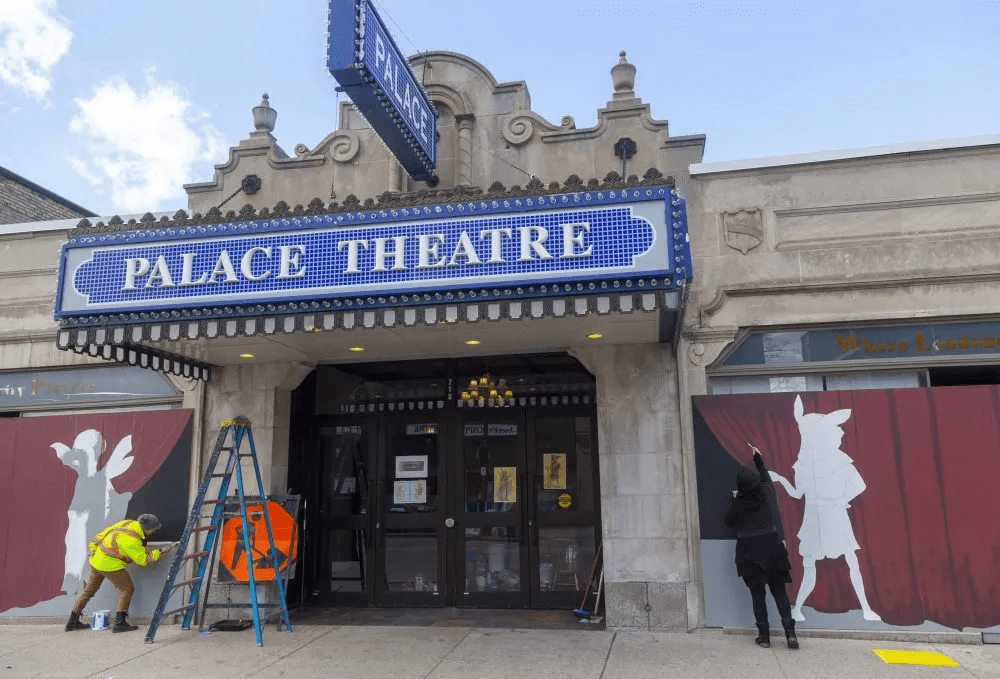
The Palace Theatre, constructed in 1929 as a venue for silent movies and designated by the City of London in 1991 for its historic or architectural value or interest, remains a focal point in London’s Old East Village for quality theatre. It is the home of London Community Players, London Youth Theatre Education & London Fringe.

This historic venue is divided into two stages, the 75-seat Procunier Hall and the 350-seat David Long Stage.

Often, a stage is named after a beloved but deceased benefactor, actor, producer, or director. However, David Long is still with us, with a 47-year history associated with the London Community Players.

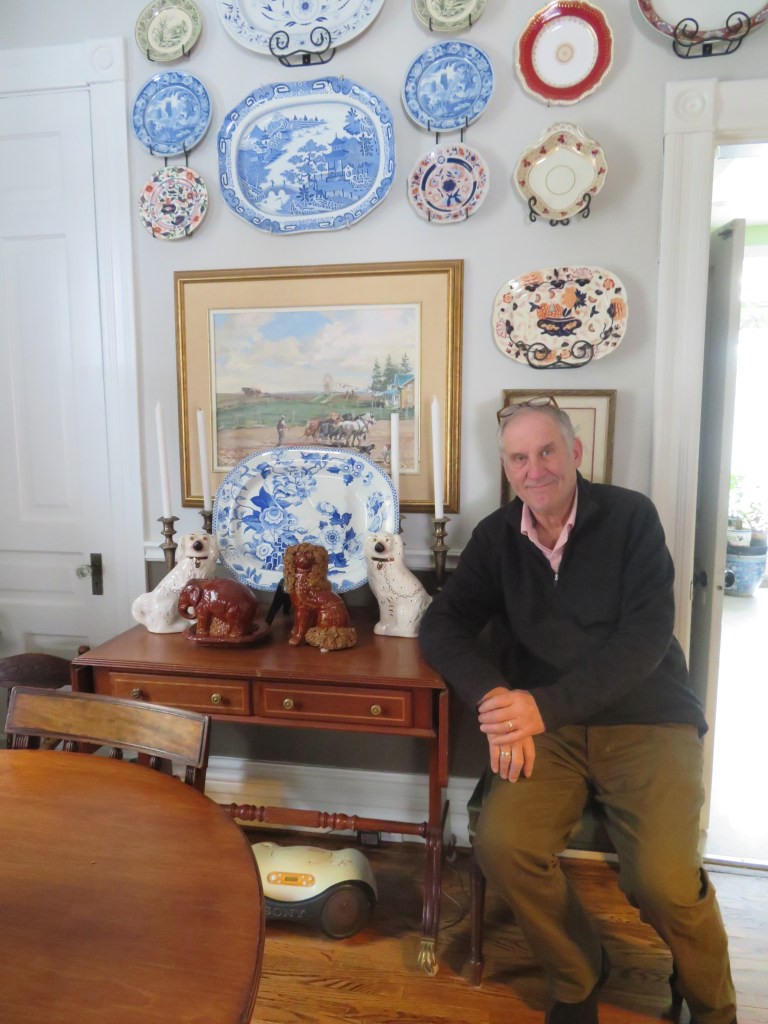
I recently met up with David at his home in East London. Over coffee and banana bread and surrounded by a lifetime’s collection of artwork and plates, we discussed the trajectory of his life.

(Pictured: David Long.)

The Long family’s ancestry in London dates back to 1850. At some point, according to David, family members “dispersed around the city.” David’s great-grandparents purchased land in the vicinity of Commissioners Road and Andover Drive. His father established Wood Lynn Farm Market, with various venues in the city. The Longs owned 300 acres of apples alone.
Wood Lynn Farms would become the first ‘pick your own’ orchard in Ontario. A pre-teen David was conscripted to wait at the gate and hand out a flyer to incoming customers, offering smiles as well as both prices and the ‘rules’ of the orchard. No overfilling, and there were trunk checks. At the time, a bushel of apples cost $1.50. This was long before ‘controlled atmosphere storage’ of apples, and so three generations of the Long family were involved during the narrow apple picking season, which would run from September into the Thanksgiving weekend of October. David proudly adds, “They were lined up on Oxford Street.”

David Long stayed true to his original neighbourhood, where his family home was established in 1935, just three houses from the Brick Cemetery. In 2010, ‘Friends of Brick Street Cemetery’ was established to provide guardianship to the eternal home of over 750 souls, and David Long got on board. The first burial occurred in 1813, 13 years before the City of London was established.

The organization researched the names of those under the soil and began repairing and re-erecting tombstones. According to David, “one third of the stones were on the ground, one third were leaning, and one third were still standing.” David was dubbed with the nickname ‘Jigsaw’ as it was his task to reassemble broken tombstones with both cement and epoxy. There was also the painstaking effort to clean the fronts of the stones without diminishing the lettering.

It was at York University in the 1970’s that David enrolled in a theatre program. . His desire to study theatre was built upon his drama experience in high school, which included a role in a production of the classic “Arsenic and Old Lace.”

But a year in university was enough, and he eventually returned to London after a bit of a tenure working in a paint store in Stratford.

It may or may not have been a synchronistic moment, but David’s return coincided with the beginnings of the London Community Players. He had invested a year’s worth of training in drama, and now a new theatre back home was opening.

The genesis of the London Community Players began with former members of ‘London Little Theatre’ as well as some passionate and earnest local actors. Productions began at the Gallery Theatre established at 36 York St. Their focus was Canadian-written plays, and 35 were performed between 1974 and 1978.

David leapt in and was cast in “Norman, Is That You?’ London’s first ‘gay’ play, a work David regards as a “bit of fluff,” but an important piece of theatre in recognizing and accepting London’s gay community. This was 1977, and London Free Press theatrical reviewer, Doug Bale, who could run roughshod over a local production, answered the question “Is London ready for gay plays?” with a resounding “Yes”.
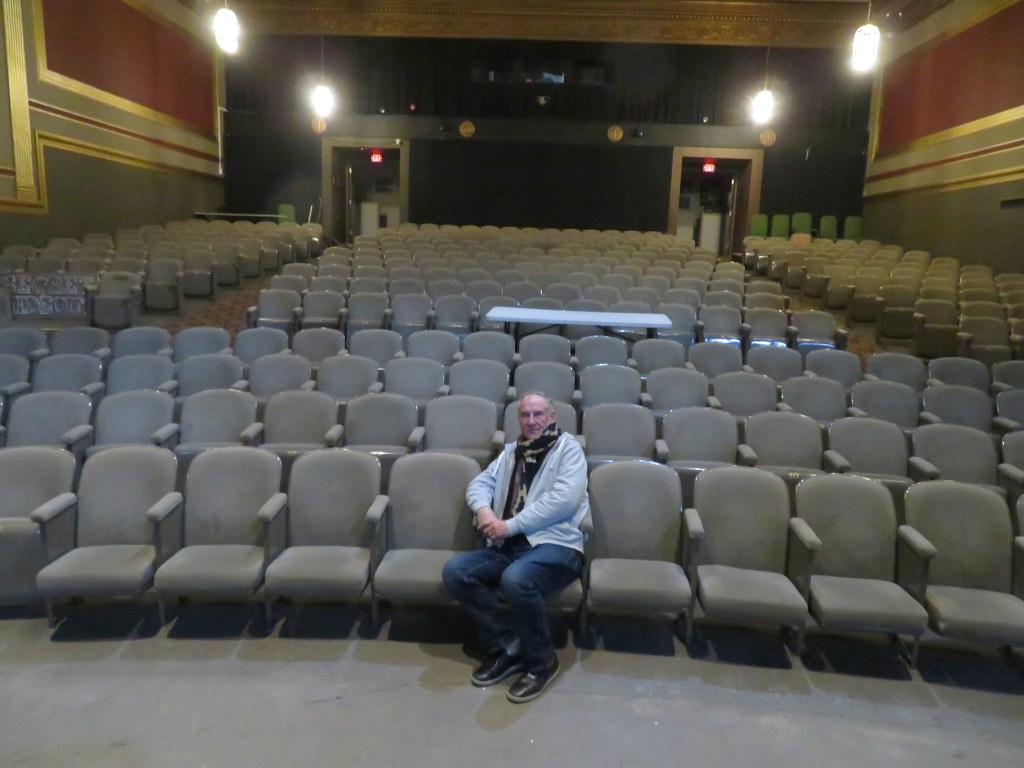
David’s talents were also recognized in his ability to design and create sets. “My one grandfather built houses, and my other grandfather painted houses. I think I get my building skills from one and my painting skills from the other. The theatre discovered that I could build sets, and so that was the end of my acting career.”

As David was settling back into the theatre in his hometown, ‘HALO,’ the Homophile Association of London, Ontario, was establishing itself as a community club at Colbourne and Pall Mall streets. When David came out as a gay man in the late 70s, he had the support of his family, specifically from one of his grandfathers, who stated, “I knew people like that at Beal in the 1920s, and it didn’t bother me then, and it doesn’t bother me now”.

(Pictured: HALO Building, Colborne and Pall Mall Streets, London, ON.)

David eventually became president of the HALO club at a time of social intolerance of homosexuality. He was often the subject of homophobic slurs as he entered the front door, as well as dealing with vandalism in the form of broken windows, which were eventually boarded up. He recalls, “The music didn’t stop, and the dancing didn’t stop, so the club persevered and survived.”

This was a time when the former mayor of London, Diane Haskett, refused to proclaim ‘Gay Pride’ at City Hall as it was against her Christian values. She was eventually overruled by the Ontario Human Rights Tribunal, and the gay pride flag was flown over city hall. The HALO centre was the hub of the largest gay community in Canada, struggling yet surviving.

David recalls, “There were always lineups to get in. We had double-door security to protect our patrons. We always had Western (referring to the University of Western Ontario). The thing with the gay community at UWO was that everyone was here for four years. They would arrive, they came out, came to HALO, and they left when they graduated. There was always this kind of turnover.”

By the early 90s, within the gay community of London, HIV/AIDSwas creeping in. This disease was largely ignored by the media as well as American President Ronald Reagan. made its impact in London.

John Gordon was the first man in London to come out about his diagnosis of AIDS in South Western Ontario, and his death and legacy were the cornerstone of the creation in 1992 of the `John Gordon Home’, a Victorian-style residence on Dufferin Ave, which became a hospice. Tenants were cared for by a team of 30 volunteers (myself being one). The bedrooms of the building were remodelled, offering an individual design to each of the eight. David Long coordinated the renovation. He eventually found himself on the board of the John Gordon Home and was the representative of JGH to the Aids Committee of London. David knew the first residents, the first to arrive and the first to go to spirit.

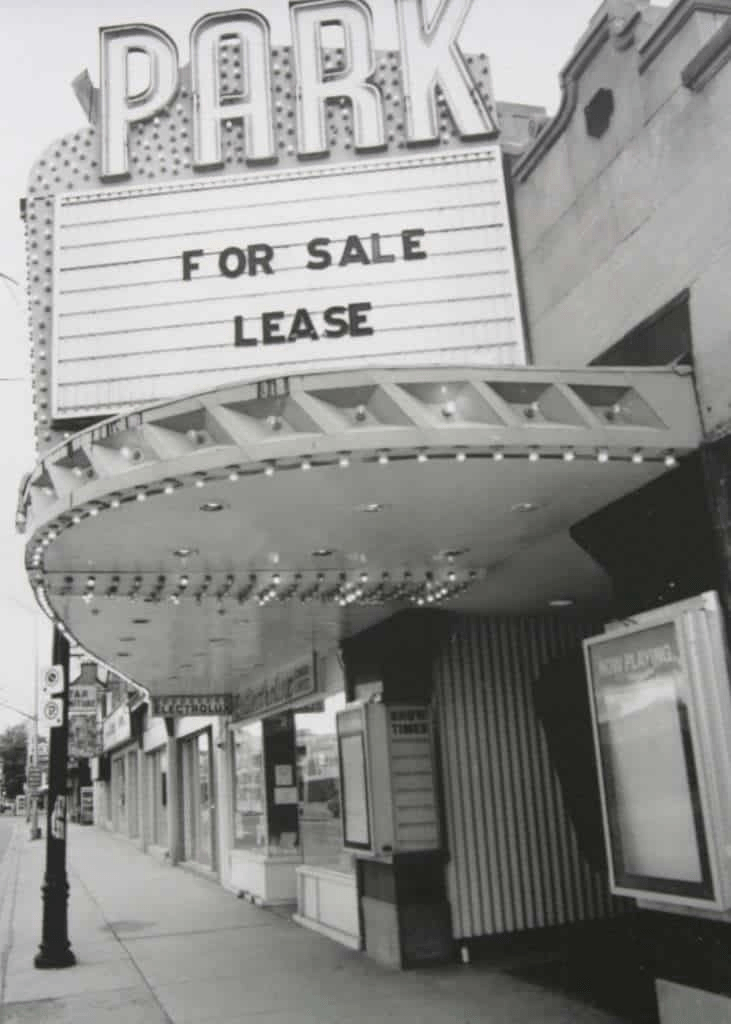
During the same period, the London Community Players were growing. With his long-standing work with the theatre, David became part of the Board of Directors. There was this notion to physically expand the theatre as it grew, but it was David Long who noticed the ‘For Sale’ sign at the Park Theatre in East London. There was an existing stage as well as seating for up to 400 people, and in short order, the deal was closed, and the Park Theatre was purchased in December of 1990.

Renovations happened quickly, with backstage areas including dressing rooms being constructed, with the first play opening in July of 1991.

David reflects. “Looking back over the years, some of the plays we have done there have been mind-boggling.’ He adds, “It is community theatre, but you balance the events. You have people who want the light entertainment, and you have people who want to be entertained, challenged, and educated.”

Now in its 51st season, The Palace Theatre continues to present engaging theatre to the London public. But community theatre has always had its challenges.

There is the issue of operating on tight budgets and high production costs. There is a reliance on volunteers, who may come and go. Casting actors has its own issues of scheduling conflicts as well as finding actors with the right skills. You also have to find a balance to produce safe and popular shows which guarantee the sale of tickets up against bringing in challenging and thought-provoking work. Every town and city which has a community theatre is always under this threat.

The Palace Theatre has had its share of added challenges. London has a homeless population of over 2000, and the 700 block of Dundas Steet as David Long calls it is ‘ground zero’ for the problem of homelessness. The plight of vagrancy in London carries the issues of addiction, mental health problems and vandalism, which directly affects the Palace Theatre.

Windows have been broken, as well as break-ins and theft. There is open drug use on the block, which is a deterrent to potential theatre goers.

Providing security is expensive, as hundreds of dollars are required to secure each production, protecting the building as well as safely ushering patrons in and out.

David adds, “The social services provided here are overwhelmed, and the foot patrol can only do so much,” adding, “Theatre used to be in the parks and on the streets, and we just can’t do that now.”

(Pictured: The Palace Theatre’s David Long.)

What is the future for Community Theatre?

“The future is challenging. There are theatre companies always closing down as they cannot adapt, change and survive. We need young people to get involved in theatre in multiple layers,” says David. He adds, “We used to sit and talk on breaks during rehearsals. Now everyone is on their phones. Cell phones are the worst invention which creates distractions from real communication.”

“There is this perception that we are an elite group of people. No, we are just trying to pay the rent and are open to any and all ideas for the stage. Give us something challenging, and we would love to do it. Let’s use Procunier Hall to do create something very ambitious.”

And what would be the ideal piece of theatre?

“Something in Procunier Hall, about 90 minutes long with no intermissions, no breaks, and no lapses with the actors and their connection to the audience”.

He slyly adds, “We shut the door for 90 minutes, and you can’t get out.”

David’s lifelong commitment to Community Theatre is reflected not only in the productions selected for the stage but also in the sets he thoughtfully designed and created. The David Long Stage that proudly bears his name stands as a fitting and enduring tribute to his dedication, creativity, and lasting impact.

To learn more about the Palace Theatre Arts Commons and its productions, visit Palace Theatre Arts Commons | London ON Community Theatre

By J. Bruce Parker

J. Bruce Parker is a retired oncology nurse. As an avid cyclist, he crossed the country by bicycle in 1991 and still explores Ontario’s north via canoe trips. He has published a short story based on his camping experiences.

For over 20 years, as a citizen scientist, he was involved with Monarch Watch, an organization that monitors the annual migration of the Monarch butterfly. He has written about this species and other articles on nature for The Cardinal, Nature London’s quarterly magazine.


For more information about Nature London and The Cardinal, visit https://www.naturelondon.com/the-cardinal/

He is documenting his ongoing friendship with Canadian poet bill bissett, which he hopes to eventually publish. 

Bruce has been writing articles for Villager Publications since 2022. To read samples of Bruce’s writing, visit https://www.villagerpublications.com/

Harris Cashes Out, While the Audience Cashes in… On laughs!

Reviewed by Jo-Anne Bishop

(Cast and Crew of Harris Cashes Out! Photo by Ross Davidson.)

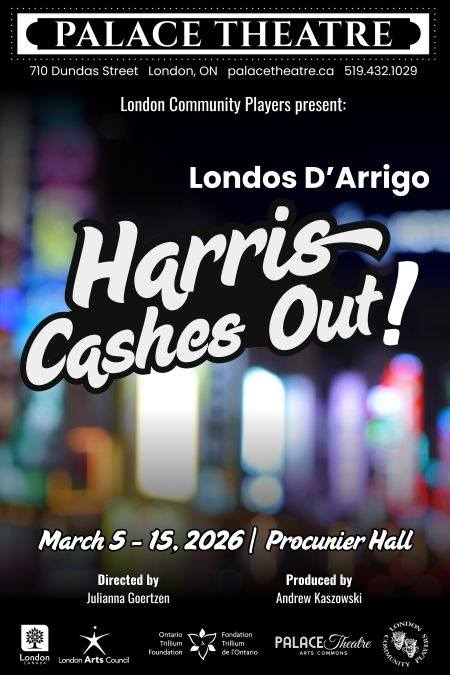
In the intimate black box setting of Procunier Hall at the Palace Theatre, Harris Cashes Out offers a light comedy with a bittersweet premise and a few strong performances. Written by playwright Londos D’Arrigo and directed by Julianna Goertzen, the play centres on Harris Wellborn, a once-hopeful composer and writer whose brush with theatrical success came – and went – decades ago. Forty years after a musical of his closed almost as soon as it opened, Harris now scrapes by in a run-down apartment, relying on the reluctant generosity of his domineering sister, Maggie. His quiet existence is disrupted when Maggie enlists the help of an eccentric neighbour, Kim, and her scheming boyfriend sees an opportunity to profit from Harris’s long-ago brush with fame. 

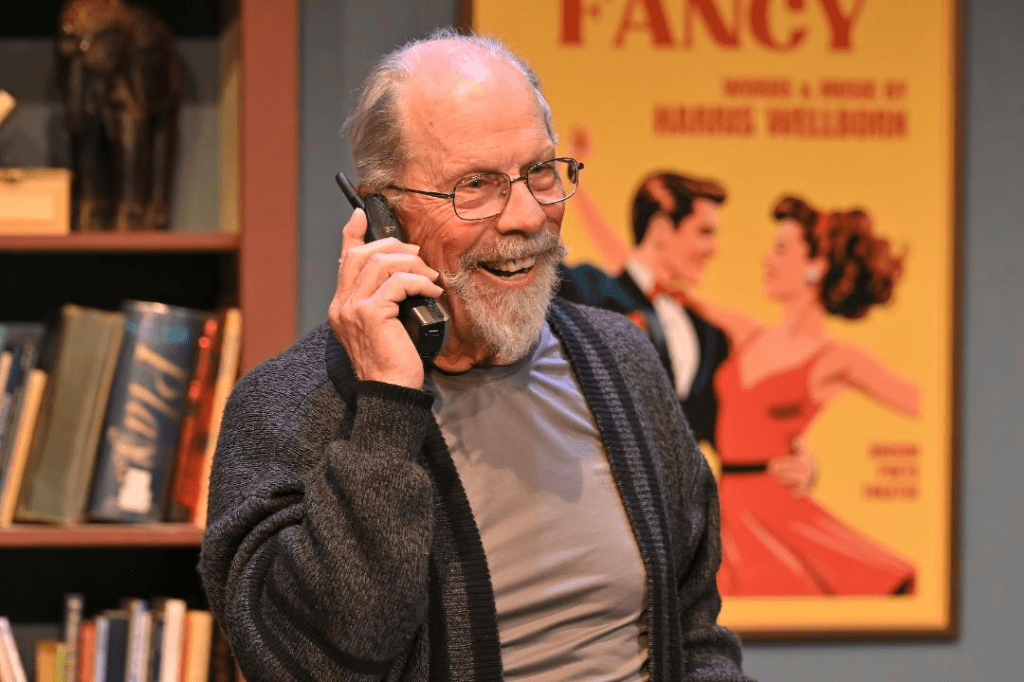
(Pictured: Tim Bourgard as Harris Wellborn. Photo: Ross Davidson.)

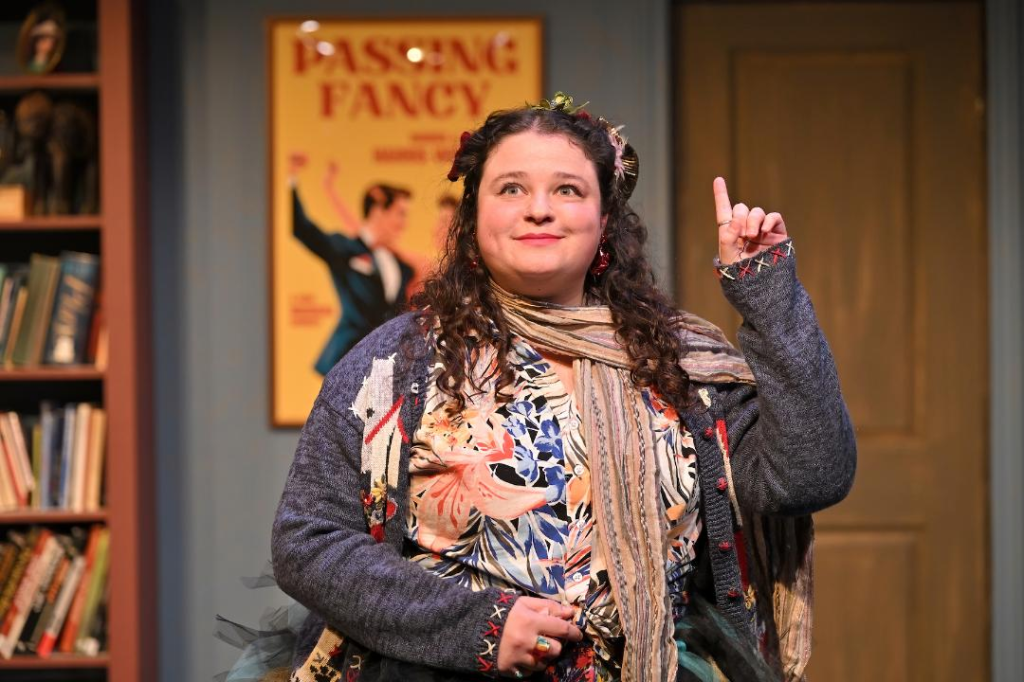
Tim Bourgard brings a grounded presence to the titular character, Harris. His performance leans quite comfortably into the character’s weary charm, and his comedic timing often lands well with the audience. Bourgard creates a believable portrait of a man who has spent years lingering with his thoughts of what might have been and pining for a time gone by.

(Jasmine Gunkel as Kim Sutton. Photo: Ross Davidson.)

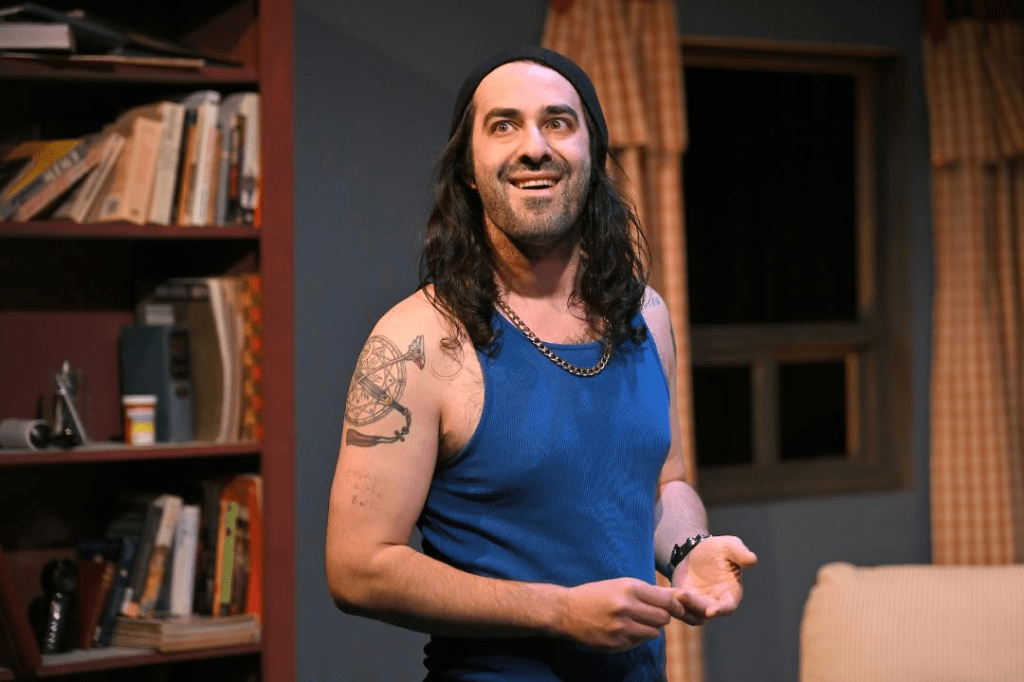
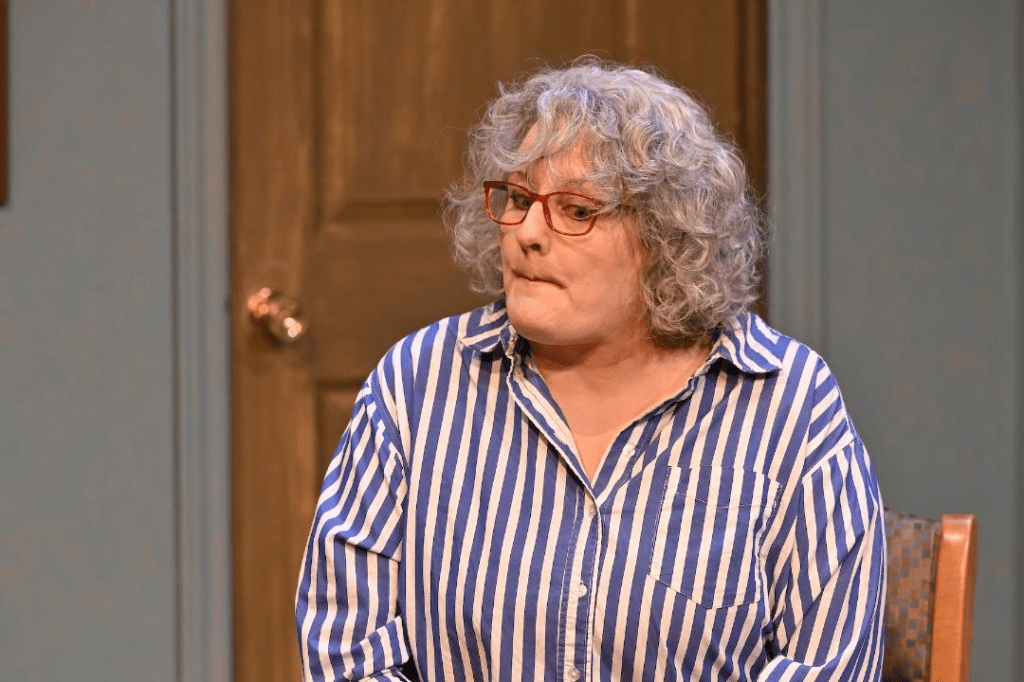
Jasmine Gunkel as the eccentric neighbour, Kim, and Vivien King-Sherwood as the meddling sister, Maggie, each give commendable performances. But the standout performance of the evening comes from Sam Didi as Jason, whose energy and sharp delivery help elevate several scenes. Whenever Jason enters the stage, the rhythm of the show noticeably tightens, providing some of the play’s most engaging moments.

(Pictured: Sam Didi as Jason Sernach. Photo: Ross Davidson.)

And while the cast performs well together overall, occasionally the chemistry and pacing felt inconsistent.  At times, the production struggled to maintain momentum, particularly during a few awkward scene transitions that momentarily disrupted the flow of the story. Scene continuity in those awkward moments would improve with music or lighting.

(Pictured: Vivien King-Sherwood as Maggie Bellows. Photo: Ross Davdson.)

Technically, the production suits the scale of Procunier Hall’s black box space. The costuming is particularly effective, helping define the characters clearly without overwhelming the intimate setting. The simplicity works in the show’s favour and keeps the focus squarely on the actors and the dialogue.

One of the evening’s highlights came before the show even began: the playwright himself was in attendance, a treat that added a special sense of occasion for the audience.

(Pictured: Playwright Londos D’Arrigo.)

While Harris Cashes Out! delivers some enjoyable comedic moments and a few memorable performances, the script itself feels uneven. The play builds toward a resolution that ultimately lands somewhat softly, leaving the ending feeling less satisfying than the setup might promise. Still, there is charm in this small-scale production. It may not be a show that completely wows you or wins you over, but it offers an evening of theatre with enough humour and heart to make the experience worthwhile—even if it never quite cashes in on its full potential.

IF YOU GO:

What: Harris Cashes Out by Londos D’Arrigo, Directed by Julianna Goertzen

Where: Procunier Hall at the Palace Theatre, 710 Dundas St, London, Ontario

When: March 5 – 15, 2026

Tickets: Adults: $33, Students/Seniors (55+): $30, Youth (under 18): $20, Preview: $22      2025-2026 Shows – Palace Theatre

Harris Cashes Out! Reviewed by Jo-Anne Bishop.

Full Circle: Westland Gallery Goes Home Again

By Beth Stewart

(Pictured: Designer’s rendition of exterior Westland Gallery façade. Photo courtesy of Al Stewart.)

Westland Gallery has settled into its new/old location at 247 Wortley Road. The site, once known as The Art Exchange and then Westland South, has been rechristened Westland Gallery. While the new sign has yet to go up, the old one has come down.

Located in Wortley Village, Westland Gallery offers original artwork by Canadian artists from within Ontario and mounts a new show every four to five weeks. Westland has twice been voted best art gallery in London, and this year, it won a People’s Choice Award for favourite businesses in Wortley Village.

Westland Gallery came into being when, in 2007, Al Stewart’s friend Eugene Lamont asked him to be the “caretaker,” so to speak, of the latter’s historic building at 156 Wortley Road. It was just a few blocks north of Stewart’s original business, The Art Exchange.

For the next four years, the two shared the building; Lamont continued selling antiques, and Stewart began selling art at the second location.

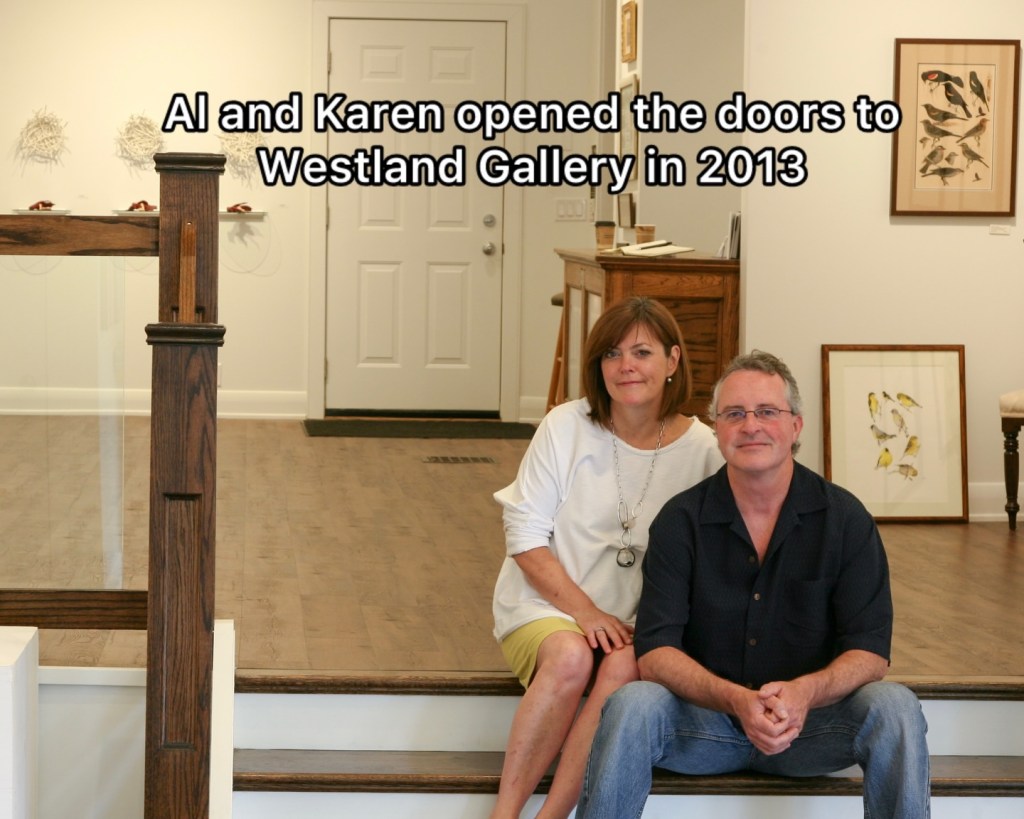
Finally, in 2013, Westland Gallery was born. While Stewart made extensive renovations, he remained true to the building’s history.

Built in 1886, the building had housed a painting and decorating store called Westland, two pharmacies, and an antique store. The last two were owned and run by Lamont.

(Pictured: Westland Gallery proprietors, Karen and Al Stewart.)

Prompted by their 65th birthdays in 2025, Westland Gallery owners Al and Karen Stewart decided it was time to “dial things back.” Al Stewart says, “This is what we needed to do for ourselves at this time.”

While they were ready to let the building go, they sought a buyer who would continue to celebrate Lamont’s legacy.

Al Stewart says, “We have taken care of her, and now it is time to let someone else have the honour.”

Now, in a best-case scenario, the old building has been sold to Purdy Naturals, a storefront business that fits well into the fabric of Wortley Village.

Although the location of Westland Gallery has changed, the quality and service haven’t. Westland Gallery will still deliver exceptional artworks in a range of styles and mediums, as well as services such as art consultation and secure international shipping.

While they will miss the old building, the Stewarts are excited to have a home-based business once again.

(Photo: Courtesy of Al Stewart.)

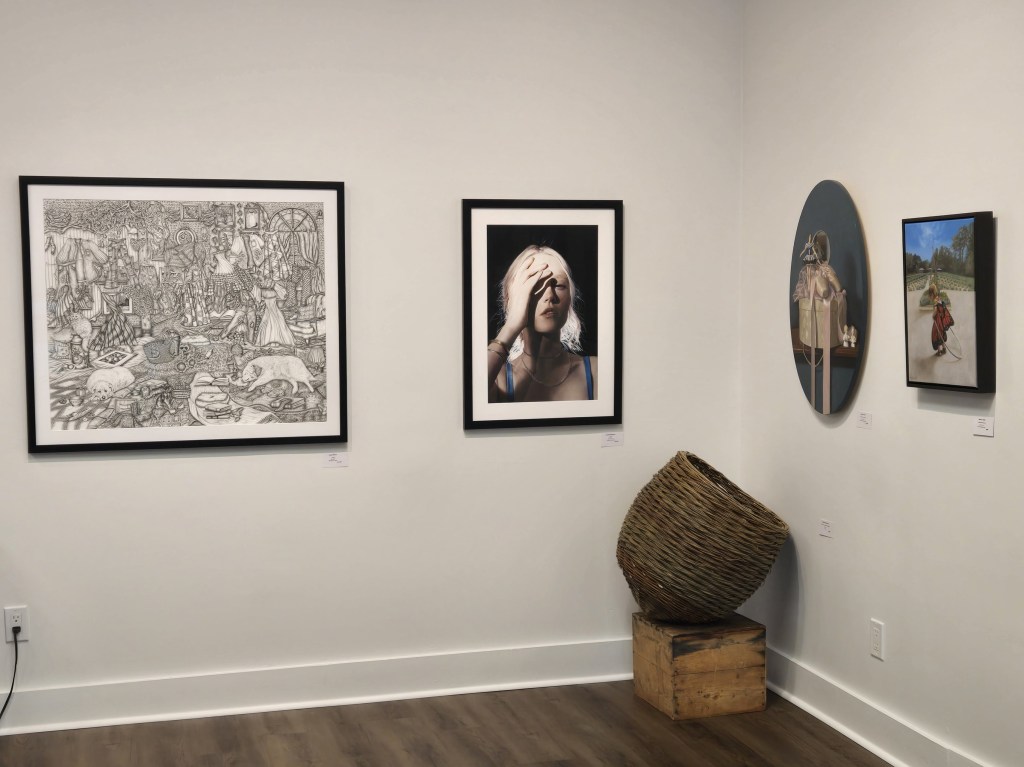
Extensive renovations have been done to 247 Wortley Road, and more are planned. Shelving has been removed. New flooring has been installed from the front of the gallery through to the back of the Stewart’s living space to create greater continuity.

(Photo: Courtesy of Al Stewart.)

The “new” location is more compressed, but Al Stewart is rising to the challenge and making use of every inch. There is less storage space, which will necessitate a faster turnover of overstock and greater website presence.

He sees it as an opportunity to put the fun back into selling art.

(Photo: Courtesy of Al Stewart.)

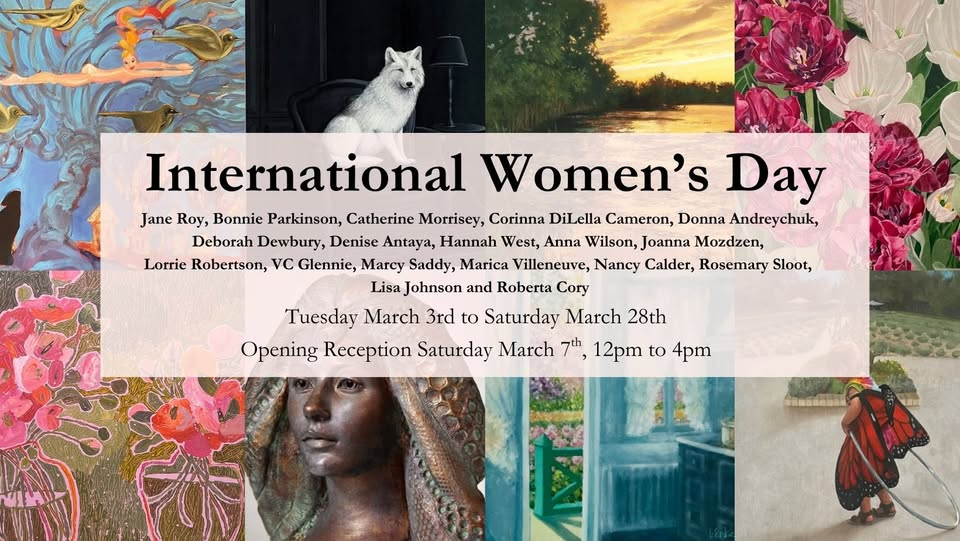
Westland Gallery’s inaugural exhibition, “International Women’s Day”, runs from March 3 to March 28, 2026 and celebrates the work of 19 female artists. The opening reception is Saturday, March 7, from 1pm to 3pm.

(VC Glennie, “Goldfinch,” oil on wood panel, 16 x 40 inches.)

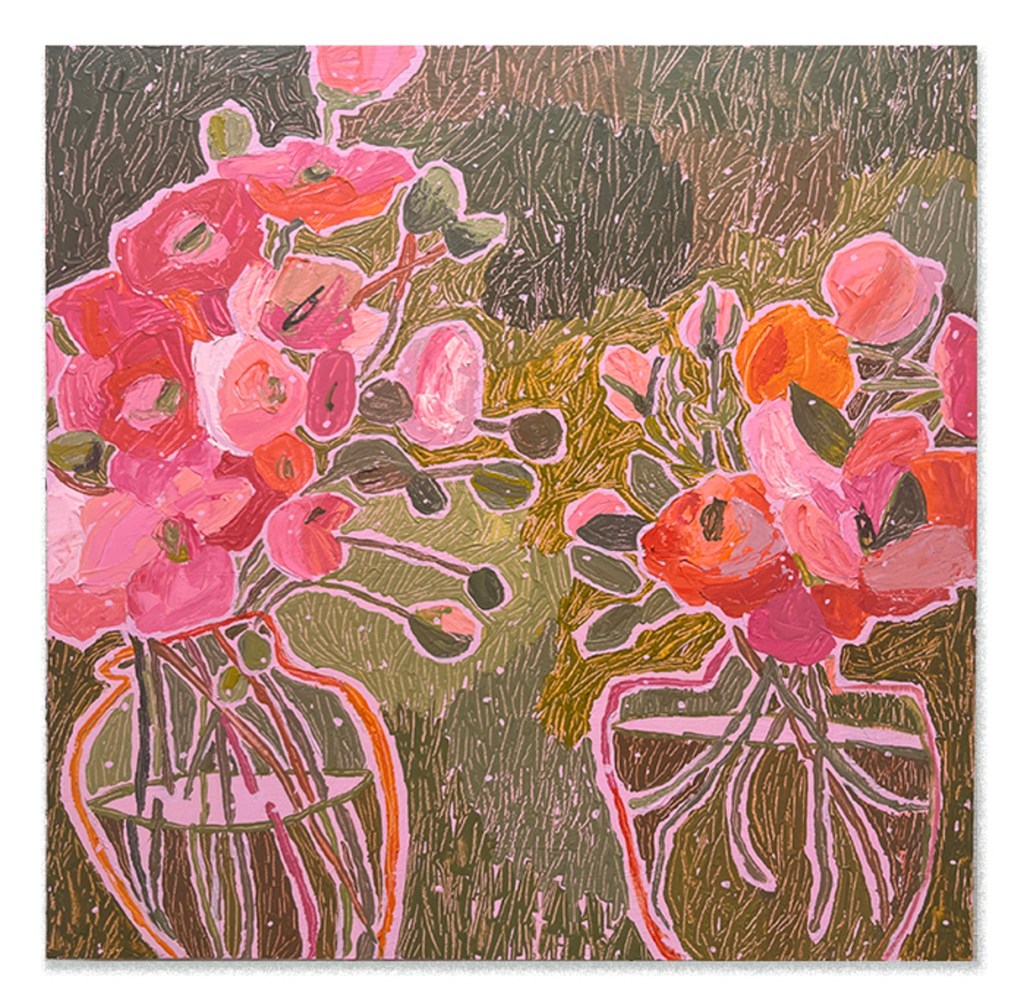
(Marcy Saddy, “Janie Jones,” acrylic on cradled board, 20 by 20 inches.)

(Donna Andreychuk, “Falling Down”, oil on canvas, 40 by 40 inches.)

(Watch this video of the International Women’s Day Exhibition: https://youtu.be/qFFGfdedNu4?si=n0-WhKNyf7wFYe2P)

This is followed by “Pat Gibson and Nancy Moore” from March 31 to April 25, 2026, and the annual floral exhibition “Moms and Mums” from April 28 to May 23, 2026.

Westland Gallery hours are Tuesday through Friday, 10am to 5:30pm, and Saturday, 10am to 4pm. For more information, visit: https://westlandgallery.ca/

By Beth Stewart

Beth Stewart is a writer, educator, and visual artist. She has a B.A. and a B.Ed. from the University of Windsor and a Diploma in Art Therapy from Western University. Beth has worked as an Art Therapist with Canadian war veterans and as a Secondary School Teacher of art and English for the TVDSB. She retired in 2024.

Beth was the arts editor at Scene Magazine from 2004 to 2006. She founded Artscape Magazine in 2006 and served as its editor until 2008. In addition, Beth wrote on the arts for Lifestyle Magazine from 2006 to 2017 and served as the copy editor for The Beat (in print) from 2009 to 2013.

As a visual artist, Beth works mainly in dry media and favours coloured pencil. Over the past decade, Beth’s focus has been on wild and domestic birds. Beth is a member of the Coloured Pencil Society of America, the Gallery Painting Group, the Eclectic Collage Collective, the Lambeth Art Association, and a founding member of the Coloured Pencil Artists of Canada group.

Web: https://bethstewart.ca/

Facebook: https://www.facebook.com/profile.php?id=100009620916363

Mrs. Krishnan’s Party Cooks Up Community at The Grand

Reviewed by Charlotte MacDonald

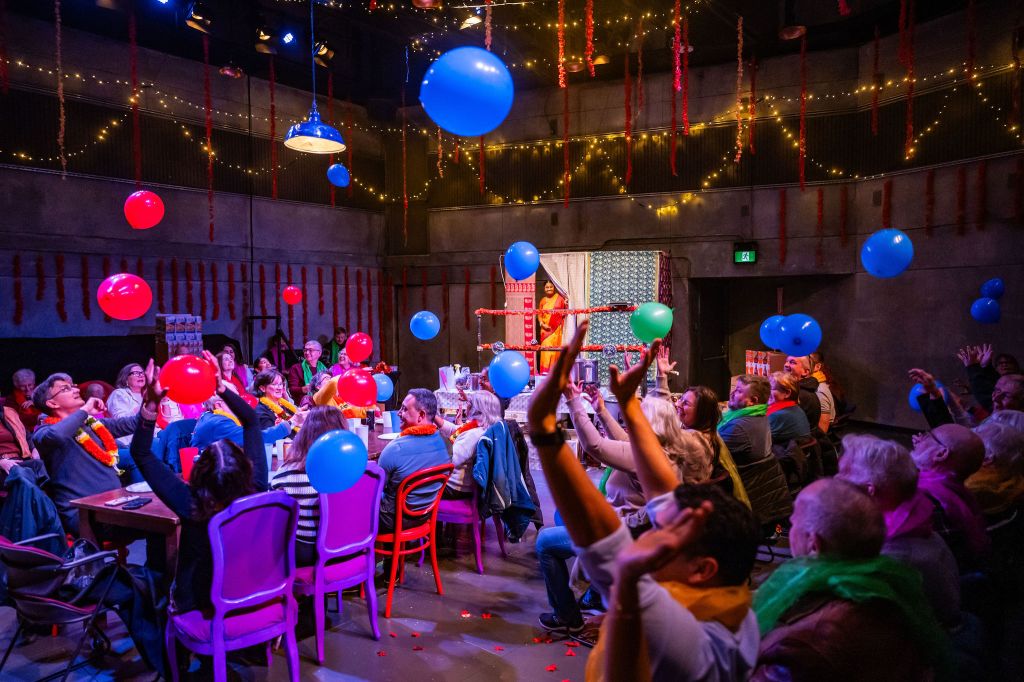
(Mrs. Krishnan’s Party. Photo: Dahlia Katz.)

Walking into Mrs. Krishnan’s Party at The Grand Theatre’s Auburn Stage, I had no idea what to expect.

After being handed a piece of paper captioned “Wallflower,” I was greeted by a vibrantly clothed man, grinning from ear to ear, welcoming audience members and directing us to our seats.

Inside the theatre, chairs were set up around the perimeter of the room, all facing inwards to a table with a single countertop burner in the centre, and a platform draped in patterned sheets stood toward the back, where actors could enter and exit. Hanging from the ceiling and around the walls were garlands of red flowers, and boxes, presumably containing inventory overflowing from Mrs. Krishnan’s shop, gathered around the edges of the room.

From the stage set up alone, I knew this wasn’t going to be a typical performance – and I was right.

To start the show was the same colourfully dressed man from earlier, played by Justin Rogers, performing as James (or self-proclaimed DJ Jimmy J), Mrs. Krishnan’s boisterous and energetic boarder.

(Pictured: Justin Rogers as DJ Jimmy J and audience members. Photo: Dahlia Katz.)

He explained to the audience that it was a day of celebration and that we were invited to join in the festivities of the annual Hindu harvest festival, Onam. The catch? Mrs. Krishnan doesn’t know that all 100+ of us are in the back of her shop and ready for a party.

Within minutes, James had brightly coloured scarves passed around for every audience member to wear, quickly painting the room in vibrant oranges, yellows, greens and pinks. He then began to play loud, energetic music, inviting people to clap, get on their feet, put their hands in the air and start the party.

It dawned on me like the sun that I had unknowingly placed myself at the epicentre of internal conflict for every introverted arts lover: interactive theatre.

Safe to say, as an introvert, I was terrified of what I had just gotten myself into. On the other hand, as a theatre fan with a job to accomplish, I knew what I had to do, and so, despite my natural aversion to high-intensity social settings, I swallowed my fear and surrendered.

The story is set into motion by the eponymous Mrs. Krishnan, an Indian immigrant mother and widow who runs Krishnan’s Dairy, and awaits her son’s return home to celebrate Onam, played by Kalyani Nagarajan. She makes her entrance with a literal bang, as she stumbles in the dark offstage after James turns the lights off in an attempt to surprise her with the abundance of strangers gathered in the backroom of her shop.

(Pictured: Kalyani Nagarajan as Mrs. Krishnan. Photo: Ankita Singh.)

After the audience yells “surprise!” Mrs. Krishnan is in serious shock at the sight of all of us, appearing timid, reserved and mildly furious with her boarder. While her strict, regimented demeanour remains present throughout much of the show, it isn’t long before her quirky, unapologetic and playful side begins to emerge as she grows more comfortable with the visitors in her shop.

A key component of this performance is its reliance on audience interaction. Both Rogers and Nagarajan constantly defer to the audience to decorate the unfolding story, and at times even invite them on stage to assist in cooking the Dahl for the party. Among these audience members of my show were Tom, a six-foot-four man who took it upon himself to help Mrs. Krishnan open the canned tomatoes — prompting her to repeatedly complain that James should be more like him — Kevin from the back row, whose name resulted in loud cries of “KEVIN!” from Mrs. Krishnan in a playful Home Alone reference and, my personal favourite, the little boy sweeping the fallen rice off the floor while laughing at every moment.

(Pictured: Audience Members, Mrs. Krishan’s Party. Photo: Dahlia Katz.)

While I knew this was a theatre performance, at times it felt more like watching a stand-up comedy set from performers who had mastered the art of crowd work, effortlessly rolling with every joke and unexpected moment. What made it even more unique was the knowledge that no two performances would ever unfold in quite the same way.

As artistic director of The Grand, Rachel Peake explains, “Immersive theatre removes the division between audience and stage — calling on the audience to meet the experience with all five senses, and clearly articulating that each performance is unique, influenced by the particular confluence of people on any given day.”

(Pictured: Rachel Peake, Artistic Director, The Grand Theatre.)

The constant humour present throughout the performance also made the more serious moments land with greater weight by contrast. I appreciated that the story allowed for its characters to be more than simply funny, revealing them as people searching for meaning in a world where happiness is not always easy to find.

This becomes even more layered when the reality of cultural displacement is considered, making Mrs. Krishnan representative of more than just herself.

In an interview with me after the performance, Nagarajan explained, “She is every migrant struggling to find their place in their community, battling with her son, battling with this idea of duty versus choice and freedom…I think that’s why a lot of the Indian community here identifies with her. They go like, ‘I know who that person is, and I want to call my mum,’ or ‘I am that mum.’”

Once the show concluded, to celebrate the party and the community forged over the last 80 minutes, the actors served the dahl made throughout the performance to the audience.

In the end, as apprehensive as I was in the beginning, I’m glad I stayed to feel part of a performance meant to bring people of different backgrounds together in a shared celebration. Saturated in humour, doused in conflict, and marinated in community, Mrs. Krishnan’s Party was a reminder that even in the midst of chaos, we can choose to celebrate anyway.

What: The Grand Theatre presents Mrs. Krishnan’s Party.

When: February 25 – March 7, 2026.

March 5, 2026 | 7:30pm

March 6, 2026 | 8:00pm

March 7, 2026 | 2:00pm

March 7, 2026 | 8:00pm

Where: Grand Theatre, 471 Richmond Street, London, ON.

Tickets: Tickets can be purchased online at grandtheatre.com, by phoning the Box Office at 519.672.8800, or by visiting the Box Office in person at 471 Richmond Street (weekdays from 9:00 a.m. to 5:00 p.m., and Saturdays from 11:00 a.m. to 3:00 p.m.).

Reviewed by Charlotte MacDonald

Charlotte MacDonald is a Creative Writing and History student at Western University. She currently writes about theatre, pop culture, and campus life for The Western Gazette, works as a Digital Intern at The Walrus, and hosts a radio show at Radio Western. Growing up in Toronto, theatre has always been a staple part of Charlotte’s life, and she has come to greatly enjoy engaging and contributing to the theatre community through her writing.

Piaf/Dietrich Brings Two Icons Back to Life at The Grand

Reviewed by Charlotte MacDonald

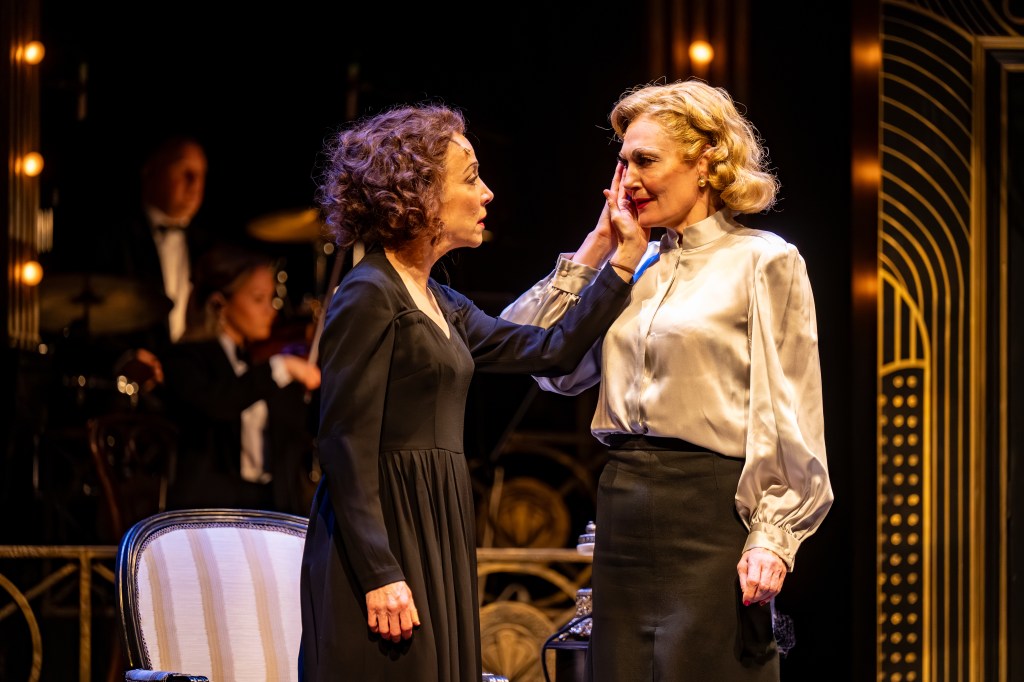
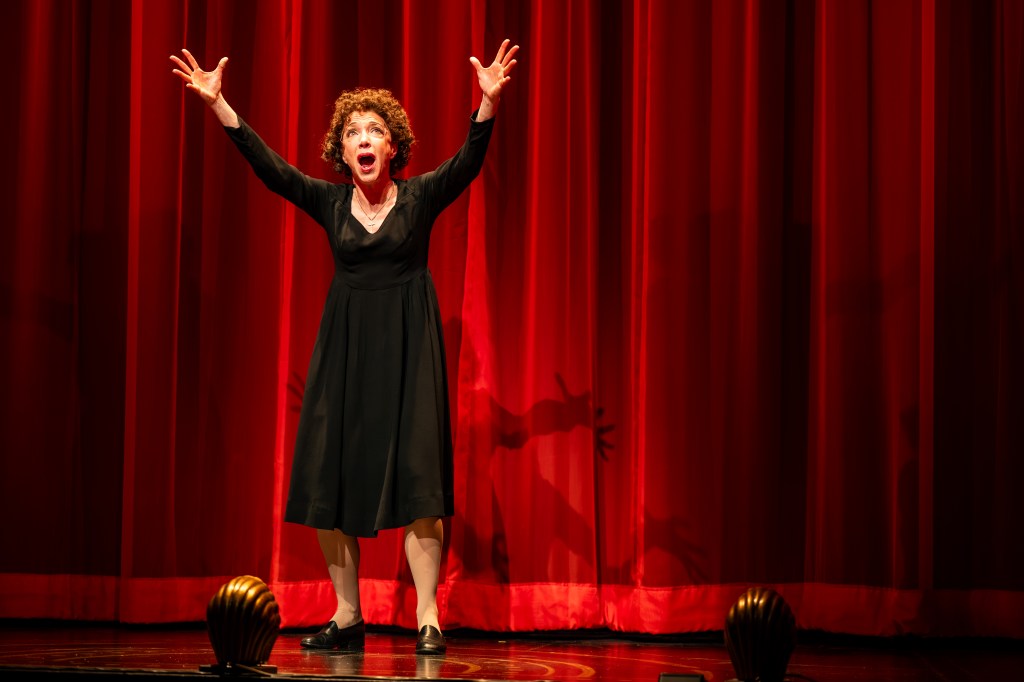
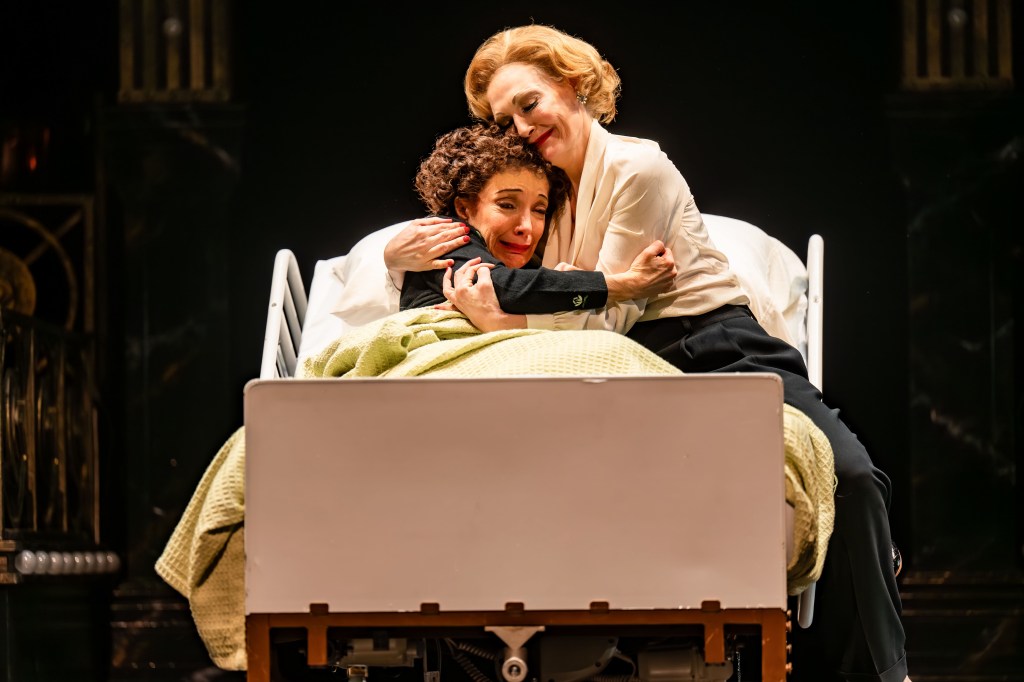
(Pictured: Deborah Hay as Edith Piaf and Terra C. MacLeod as Marlene Dietrich. Photo: Dahlia Katz.)

Two singers born fifteen years and 1,000 kilometres apart walk into the same dressing room in New York. The result? A friendship that transcends history.  

Set in 1948, in the glittering post-war world of New York’s international stage, The Grand Theatre’s Production of Piaf/Dietrich follows the unlikely and enduring friendship that formed between French chanteuse Édith Piaf and German screen legend Marlene Dietrich.

While the glamour and star power of Hollywood’s golden era tend to fascinate many, Piaf/Dietrich pulls back the velvet curtain and invites the audience backstage to discover who these legendary women were when the spotlight faded. 

The performance opens with Marlene Dietrich, played by Terra C. MacLeod, back in Germany for the first time in 30 years after resisting Hitler and his regime, preparing for a show in her dressing room. Sixty kilometres away, Édith Piaf, played by Deborah Hay, is also preparing for a performance of her own. When each woman’s name is mentioned to the other, it quickly becomes clear that something between them has gone sour as both wince at the mere sound of the other’s name.

As they step onto their respective stages, only a few towns apart, they both begin to sing La Vie en Rose. Édith performs drunkenly while Marlene faces hecklers, and both begin to falter. This parallel performance signals a palpable link connecting the two women’s lives, leaving the audience to wonder: what happened?

(Pictured: Deborah Hay as Edith Piaf. Photo: Dahlia Katz.)

Before we find out, the story takes us back to the beginning.

Originally titled Spatz und Engel (The Angel and the Sparrow), the show was co-written by German author and director Daniel Große Boymann and Austrian playwright Thomas Kahry. It premiered in Vienna in 2013, where it ran for six seasons before touring Germany, Switzerland, and Czechoslovakia. The production was later translated by Sam Madwar and adapted by Canadian playwright Erin Shields. 

After the story jumped back in time through a seamless transition, the stark contrast in Hay’s performance as Piaf is immediately striking. The fragile, exhausted singer struggling through her performance transforms into a youthful, giddy young woman, still untouched by fame. This younger Edith feels worlds away from the woman we saw only moments earlier, demonstrating Hay’s range and setting the stage for the story that will eventually bring us back to that moment.

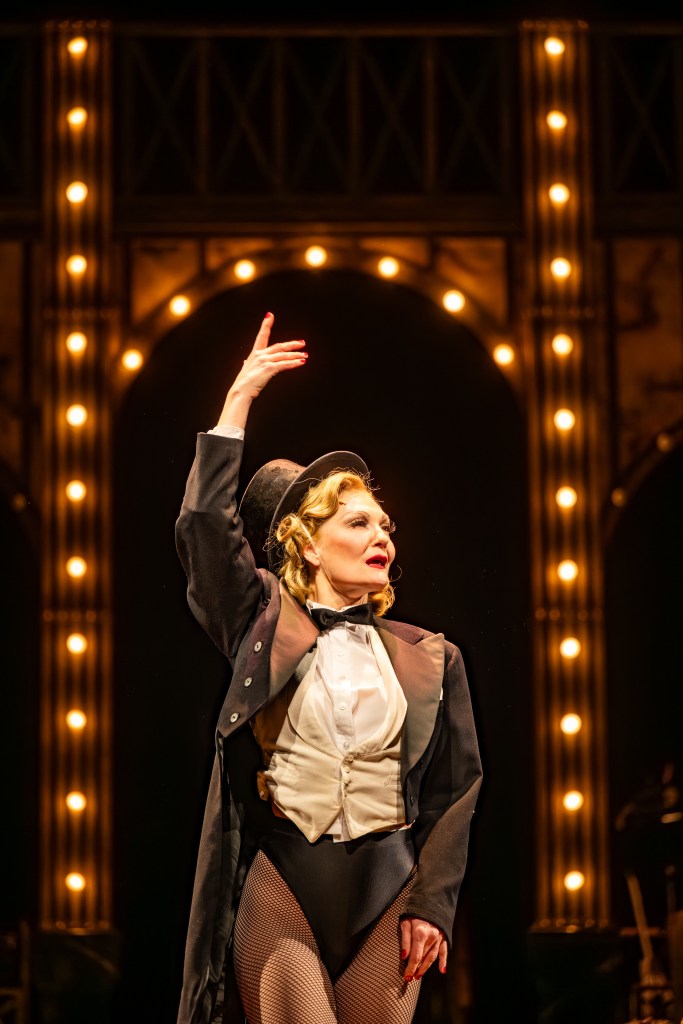
When Marlene returns to the stage, singing “Boys in the Backroom,” Edith remains in the background, starstruck, listening to the song on the radio. MacLeod’s portrayal of Marlene is strong, confident and charming, moving through her numbers with a kind of grace and ease that only a seasoned entertainer could. This layered approach to staging and dialogue continues throughout the production, creating a sense of immersion that felt almost cinematic.

(Pictured: Terra C. MacLeod as Marlene Dietrich. Photo: Dahlia Katz.)

The atmosphere throughout the show was further supported by lines of marquee lights framing the set and a live band in suits positioned on either side of the stage, reminiscent of a vintage cabaret. This constant presence on stage suggested that even in moments away from performing, that world lingered in the background, inseparable from who these women were.

One of the most naturally compelling elements of this story is the instant and profound bond that is formed between the two protagonists, despite how differently they appear in the world. Marlene is glamorous, poised and relentlessly professional, carrying a quiet sadness she would never let anyone see, whereas Édith is unapologetically emotional, sometimes volatile and blessed with a fiery passion capable of setting any stage ablaze. 

“Often, we are drawn by our own admiration of that which we ourselves are not. It is in this mix that our story emerges,” says the show’s director and The Grand’s artistic director, Rachel Peake. 

(Pictured: Rachel Peake, director of Piaf/Dietrich, and Grand Theatre Artistic Director.)

Beneath the glamour of show business that surrounds this production is a story unafraid to confront the difficult moments that shaped these women’s lives. Exploring real themes of substance abuse, regret, fear, and loss, the narrative moves beyond entertainment into something unmistakably intimate.

For any theatre lover, and sometimes even for those who are not, finding yourself suddenly brimming with emotion at the simplest of moments is hardly unfamiliar. A twinkle in a chanteuse’s eye as she looks out at a devoted audience, or an actor’s moment of complete surrender to their character, can be enough to crack open even the most tightly guarded heart.

In Piaf/Dietrich, the performers did more than simply act with raw intensity; they seemed to fully embody their characters, connecting with the untouchable age of days gone by, dazzling the audience into misty-eyed awe as the performance unfolded before them.

(Pictured: Deborah Hay as Edith Piaf and Terra C. MacLeod as Marlene Dietrich. Photo: Dahlia Katz.)

At one point in the performance, as Hay was singing Mon Dieu, I closed my eyes and pretended Édith Piaf herself had been reincarnated and was serenading me. As it turns out, the man sitting beside me had done the same thing. While Édith Piaf may live only in old vinyl records and Spotify playlists, it felt like a privilege to come as close as this to hearing her alive again.

So, if you’re still wondering how I felt about going to see Piaf/Dietrich at The Grand Theatre, in the words of French chanteuse Édith Piaf — Non, je ne regrette rien.

IF YOU GO:

What: The Grand Theatre presents Piaf/Dietrich: A Legendary Affair.

When: February 17 – March 7, 2026.

March 4, 2026 | 1:00pm

March 4, 2026 | 7:30pm

March 5, 2026 | 7:30pm

March 6, 2026 | 8:00pm

March 7, 2026 | 2:00pm

March 7, 2026 | 8:00pm

Where: Grand Theatre, 471 Richmond Street, London, ON.

Tickets: Tickets can be purchased online at grandtheatre.com, by phoning the Box Office at 519.672.8800, or by visiting the Box Office in person at 471 Richmond Street (weekdays from 9:00 a.m. to 5:00 p.m., and Saturdays from 11:00 a.m. to 3:00 p.m.).

Reviewed by Charlotte MacDonald

Charlotte MacDonald is a Creative Writing and History student at Western University. She currently writes about theatre, pop culture, and campus life for The Western Gazette, works as a Digital Intern at The Walrus, and hosts a radio show at Radio Western. Growing up in Toronto, theatre has always been a staple part of Charlotte’s life, and she has come to greatly enjoy engaging and contributing to the theatre community through her writing.