
by Daina Janitis

So, I warned you in my Bio, didn’t I – I’m not an academic musician – English Lang and Lit graduate – and I’m doddering past 80 years of age. And reviews of concerts seem sort of pointless to me. If you were there, you know what it sounded like- and if you weren’t, you don’t need any shade of schadenfreude thrown at you for having missed a unique experience (although I have high praise for the crew that videotapes the London Symphonia concerts-the experience is worth trying). So, “The Husband” and I huffed up the stairs to the balcony and positioned ourselves where we could see David Jalbert’s hands on the keyboard – all of us “Displaced Persons” kids took piano lessons when our families were let into Canada… we know where to sit.
Yes, the music was spectacular – but it was only part of the experience. With London Symphonia concerts at “The Met,” you get something unique on the concert evening- something that deserves thanks and acknowledgement, while empathy, respect for diversity, and liberal education are becoming crimes and vices in the elephantine country south of us.
You know those rooms set aside for “Big Givers” in theatres and performance halls where they can get a free glass of musty Chardonnay and schmooze with others of that generosity level? AT OUR Met, the London Symphonia musicians, guest artists, and the conductor are ready to chat with you and to answer any dumb question you might have.
After Saturday night’s concert, I was able to hug Ted and Renee of Serenata Music and thank them for their generosity in helping the Symphonia bring to London someone like Jalbert. I walked over to a gaggle of Western Music students who were still jumping up and down with the excitement of the music. I cornered two of them – a toque and hockey shirt on one, a BIG waxed mustache and sleeveless tee (no sombrero) on the other – to thank them for making the concert even better with their presence. I also told them I was grateful for being in Canada together- were we in Chicago or Memphis, ICE agents might have seized them both at the exit. I could tell Ben the Cello that, should I ever become deaf, I could enjoy concerts fully just by watching his face. And I could hug Cosette the Conductor, telling her how much I loved Kooba (I know, after showing the other half of my Spanish- “Ola!”). “The Husband” had to get all expert, shaking her hand and thanking her for “a wonderful master class in orchestral conducting.”
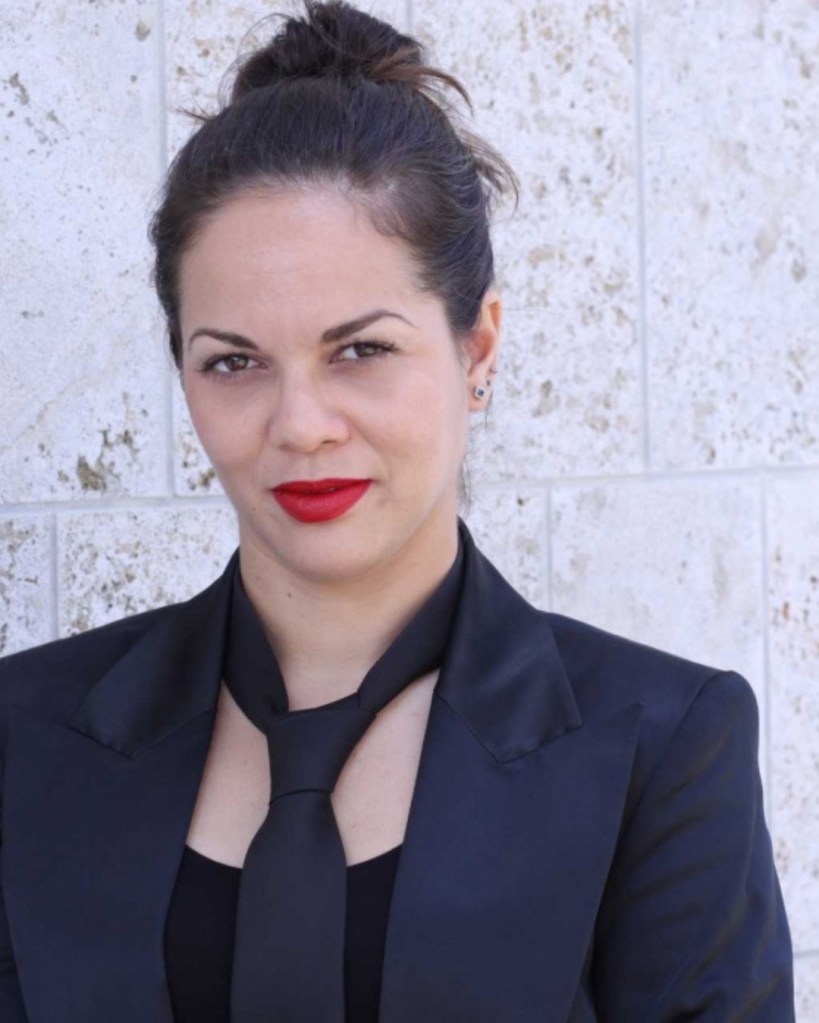
(Pictured: Cosette Justo Valdés. Photo Credit: Lia Crowe)
And the music – a totally shared experience, no matter what your level of “expertise.” Cosette the Conductor, dressed in traditional black, led the audience in singing along with “O Canada.” She had brought to the program two pieces by Cuban composers – and in the second, after she explained its inspiration – the double-bench horse-drawn carts in Cuba that haul farmers, water, crops, and appliances – every clack of Tim Fancom’s percussion brought that musical scene to life. And although Cosette said that “Canada is my home” after six years, those unmistakable Cuan dance moves enhanced her conducting of the piece.
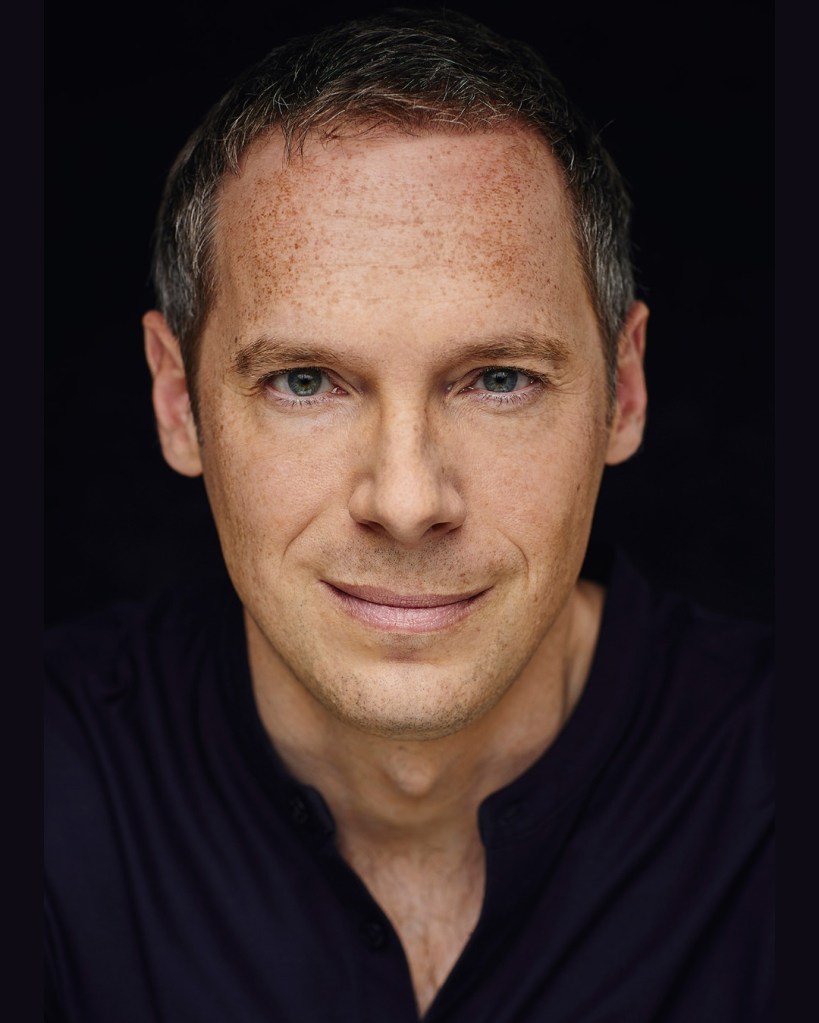
(Pictured: David Jalbert. Photo Credit: Julien Faugère)
And David Jalbert’s performance of Ravel’s Concerto in G major? It left the audience breathless – not only for Jalbert’s genius and technical skill, but through, I believe, the musical “community” Ravel’s writing for orchestra and piano creates in the three-movement piece. The first begins with Jalbert’s hands posed in a criss-cross on the keys while a jazzy chorus of clarinet, trumpet, bassoon, and trombone joins him in some sensuous music- and that harp suddenly adds brushstrokes of mystery. Don’t even ASK about how perfect his rapid trills were! The second movement assured us that Jalbert can handle anything – a solo piano beginning that eventually is joined by the English horn and the other instruments in rising tension. And the final presto movement did what a French composer, Louis Fleury, said it should do: be “an unstoppable onslaught, spurred on by the shrieks of the clarinet and the piccolo, the donkey brays of the trombone and occasional fanfare flourishes in the brass.” How that wonderful Canadian pianist had the energy to play a Prokofiev rumble of pure delight as an encore – we OWE him!
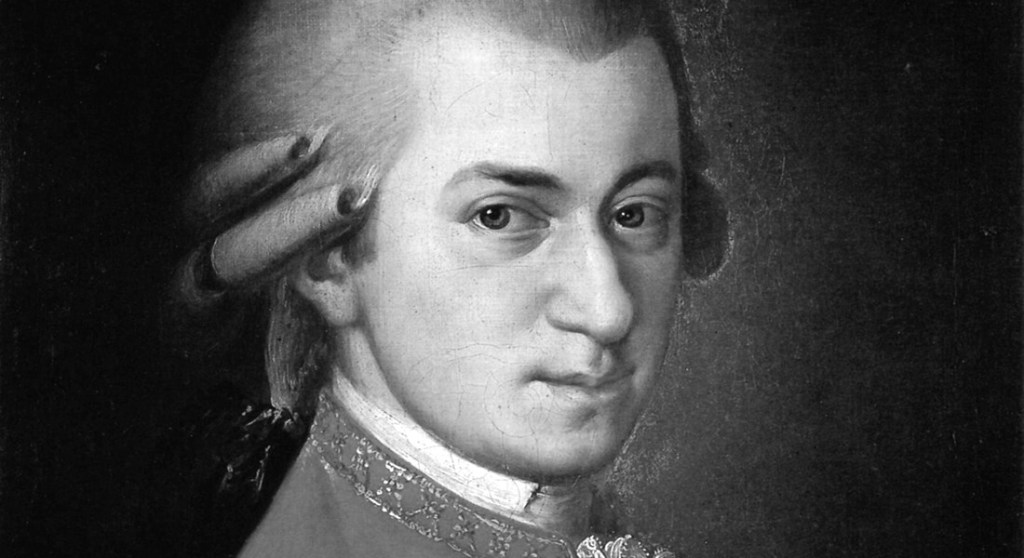
(Wolfgang Amadeus Mozart, 27 January 1756 – 5 December 1791)
Do you want to know about the Mozart Symphony #39 in E-flat Major? Brace yourself for more stories of musical heroes. Wolfgang died at the age of 35, and within two months of his final years, composed THREE symphonies- 39, 40, and 41. Number 39 was the introduction, so to speak, that culminates in his “Jupiter” (#41). But Wolfie- no oboes??? The London Symphonia clarinets took the limelight in the bold and heroic first movement. In the second, third, and fourth movements, the 18th-century composition took us through dialogues of instruments in our city’s brilliant small orchestra, ending in something that’s been called “the 18th-century equivalent of a hoedown”.
If you couldn’t make it- and are curious about how all of that anticipation and joy can be in one symphony – DO invest in the London Symphony “Video on Demand” concert purchase on their website. If you’re as cheap as I am, here’s a freebie from Frankfurt:
Okay for now, but don’t you dare miss the full experience of “Payadora” on November 15, 2025, in the London Symphonia 2025-2026 series.
For more information about London Symphonia and the 2025-2026 Season, visit https://www.londonsymphonia.ca/
Reviewed by Daina Janitis, The Beat Magazine 2025 Classical Music Writer


 The Beat Magazine 2025