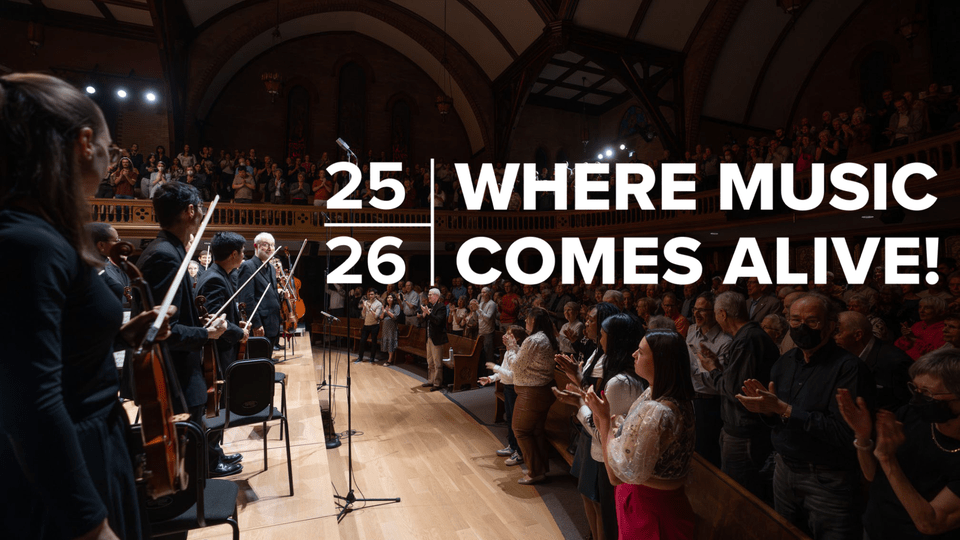
Where were YOU in the winter of 2015?

Previewed by Daina Janitis

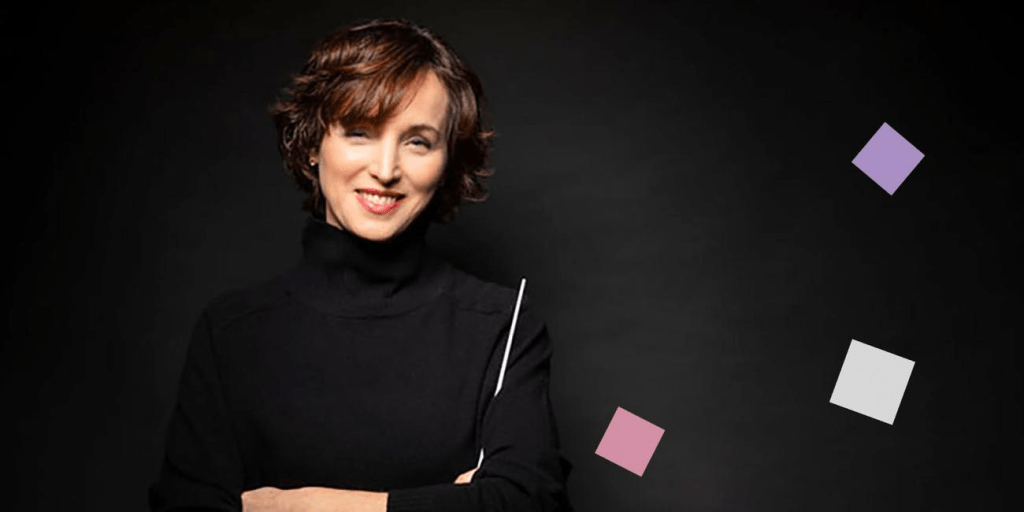
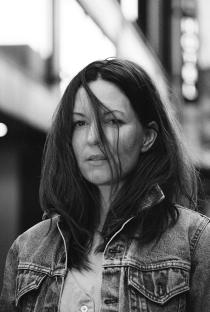
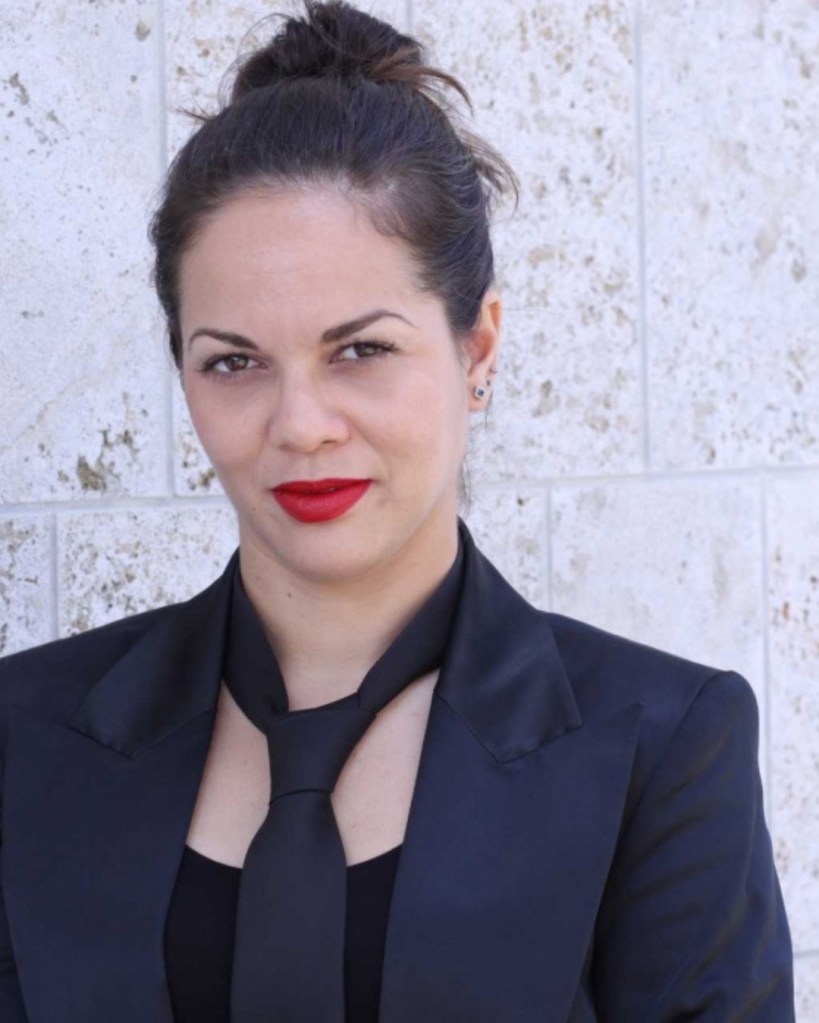
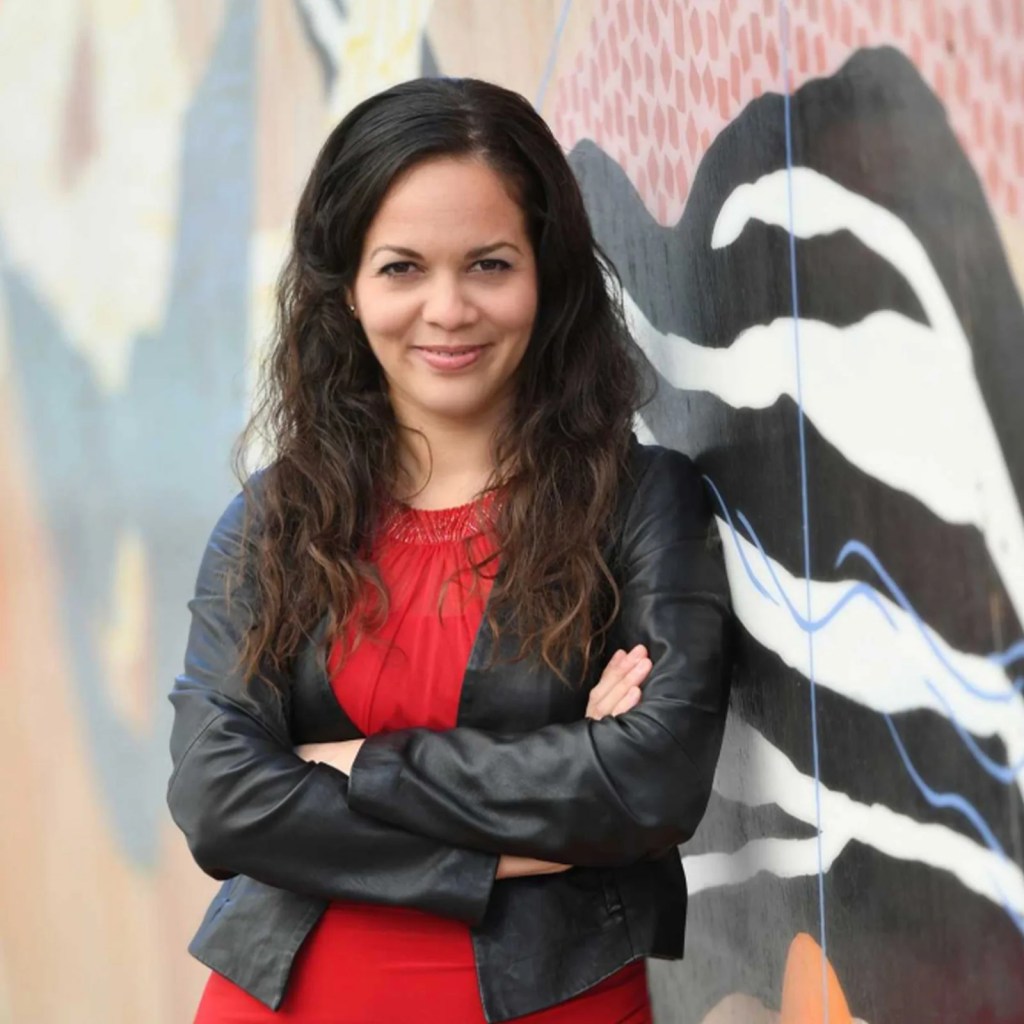
(Pictured: London Symphonia Guest Conductor Tania Miller.)

If you recall the disaster of that season – and were part of the London spirit that helped to rebuild – you really should join in celebrating the spirit of resistance and revival that has taken London Symphonia toward its 10th anniversary.

And the program of the final concert of the 9th season – as well as the musicians – of Beethoven, Shostakovich, and Marsh will be an evening of three survival strategies: a spinning cartwheel, a searing letter from a war‑torn city, and a symphony that refuses to stop dancing.

I was the Volunteer Committee Chair in 2015 when Orchestra London formally filed for bankruptcy, ending decades of orchestral history in the city. And I had the joy of seeing London Symphonia incorporated later that year, picking up the tradition that began back in 1937 and continuing as the only professional orchestra to offer a full season in the region. Many current players, including concertmaster Joe Lanza, bridge both eras, having performed with Orchestra London and now with London Symphonia. And the community helped with trust and creativity. The glorious concert space of “The Met” would not have happened without Londoners’ belief in all the gifts of the spirit.

This concert is music about resilience, played by an orchestra that had to prove its own.

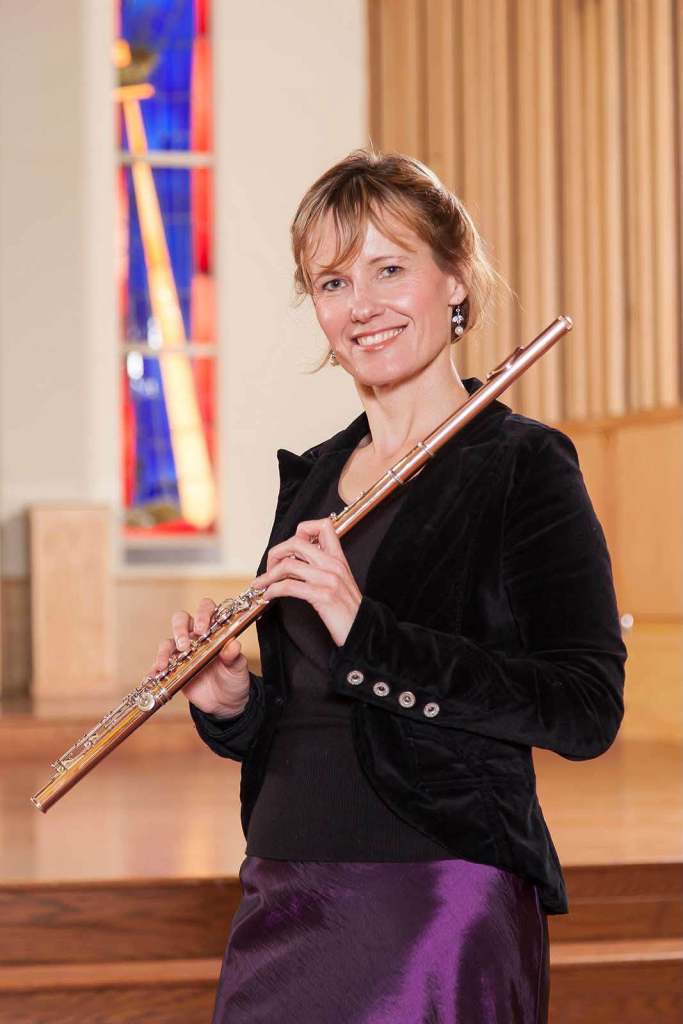
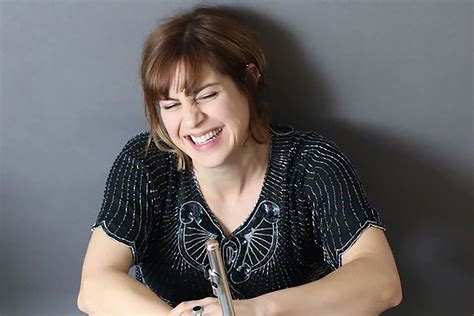
(Pictured: LS Principal Flute Laura Chambers.)

And what a dazzling group of talents our London orchestra has brought together in these nine years. Laura Chambers is the LS Principal Flute. Her solo work, ensemble contributions, and innovations are renowned across Canada- but did you know …

  • She’s a lover of the outdoors. Her performance of Stravinsky’s Rite of Spring for an audience of over 30,000 at sunset in the Nevada desert is her most memorable to date.
  • She’s a passionate educator. Laura’s studio of students spans in age from 5 to 85, and she is welcomed as a guest clinician at schools, music camps and festival workshops throughout Canada.
  • In addition to her performance and private teaching, Laura is a PhD candidate at York University, where her research is focused on the recontextualization and sustainability of classical music in today’s world.
  • She currently holds a sessional lecturer position at the University of Toronto and is a faculty member of the Royal Conservatory of Music’s Oscar Peterson’s School of Music.

And because you supported us for the last nine years, LYS has thrived. You can now be part of a world premiere- the flute concerto that Laura Chambers commissioned from Alexis Marsh just for Laura by London Symphonia.

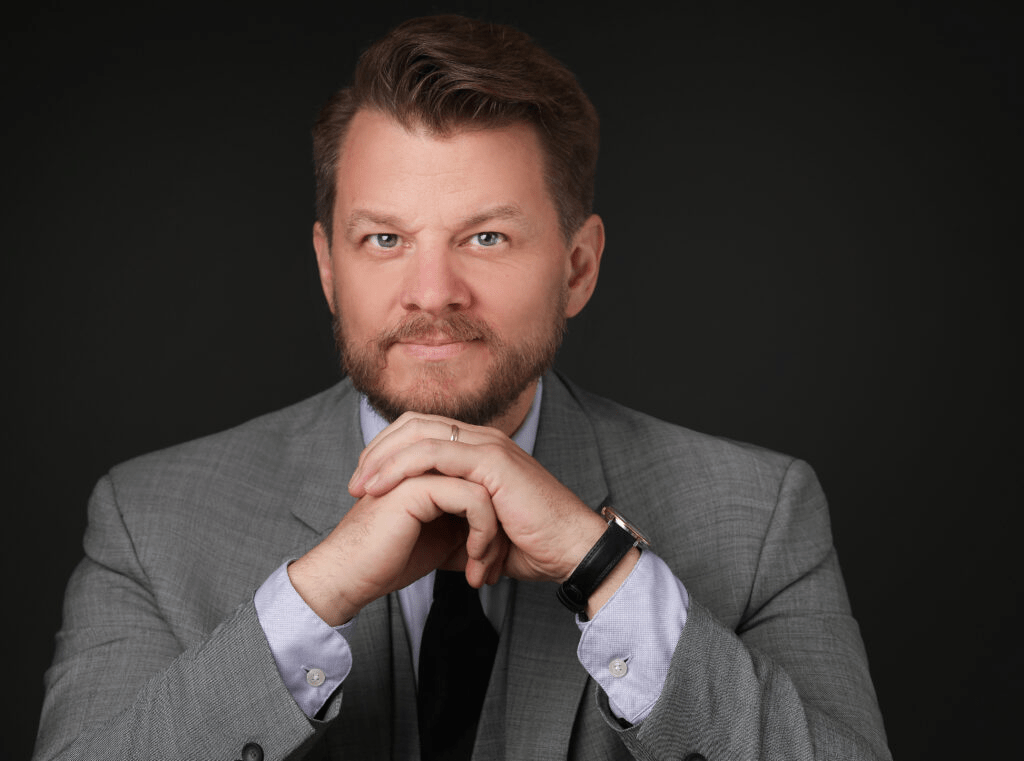
(Pictured: Composer Alexis Marsh.)

Alexis Marsh, a Canadian composer from Winnipeg, built her career in Los Angeles, scoring films and series like TNT’s Animal Kingdom, animated feature Next Gen, and numerous indie projects. She’s used to writing music that lives inches away from the camera, following tiny facial expressions and shifts in mood. A concerto lets that language move into the open, onto a stage.
You’ve heard Laura Chambers in countless moments this season—now imagine an entire work tailored to the way she phrases a single line. The concerto’s title, View of a Cartwheel from an Ascending Plane, sounds like a film shot: a spinning shape seen from above, slowly receding.

And Tania Miller is one of London Symphonia’s favourite guest conductors. Of course, the musicians like her; they know what it means to rebuild something, and so does she. In her writing on leadership, she talks about being “the fuel and the fire,” about creating a spark and then “sometimes letting them play and standing back to enjoy the performance. She sees orchestral work as a “collective search for the meaning in the music,” emphasizing fresh ideas and connection rather than top‑down control.

(Pictured: Tania Miller.)

She is a builder herself, renewing ensembles, most famously as music director of the Victoria Symphony for 14 years, where she developed a reputation as a visionary leader and innovator. She was the first woman to lead a major Canadian orchestra, appointed to Victoria at 33, and now directs the Brott Music Festival and its training programs, all of which underscore her comfort with change and institution‑building. She’s a creative risk-taker — leaving a secure position in Victoria to become, as one article suggested, a guest conductor for hire exploring ‘uncharted waters.

Beginning to sound like a feminist manifesto? No apologies from me- but even the Old White Dead Guy pieces chosen for this program are exciting expressions of resistance and revival.

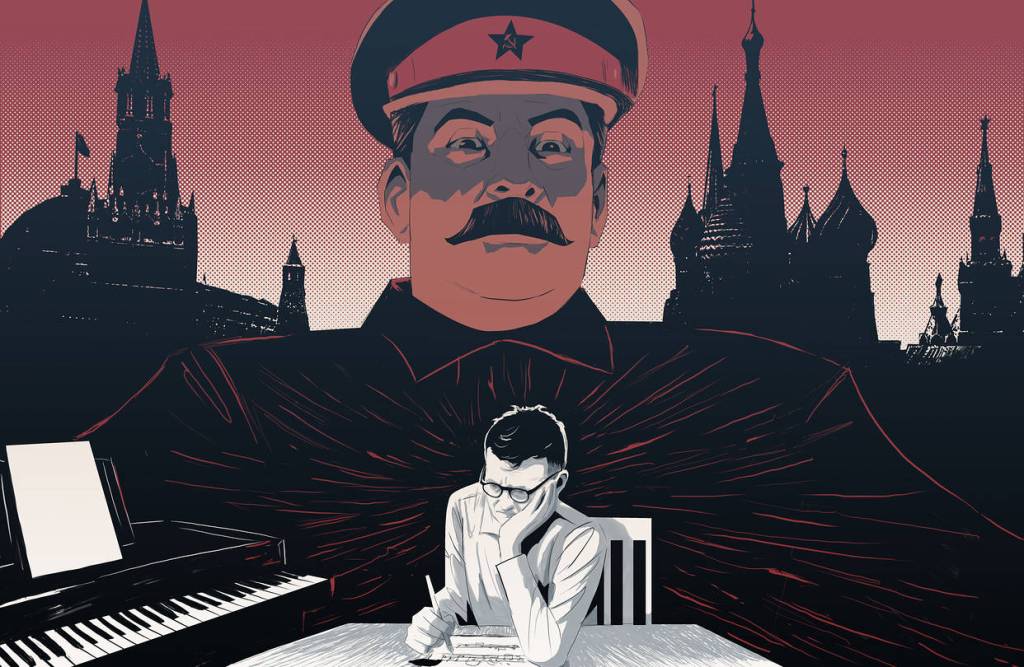
Shostakovich’s Chamber Symphony Op. 110a came to life as a string quartet dashed off in three days in bombed‑out Dresden, dedicated ‘to the victims of fascism and war’ and packed with his own musical initials like a secret signature—a grief‑stricken protest from someone who knew all about other kinds of terror. It was a piece written amid literal rubble, carrying both an official dedication to war’s victims and a coded act of resistance from a composer who knew about other kinds of terror in his life under Stalin’s iron rule.

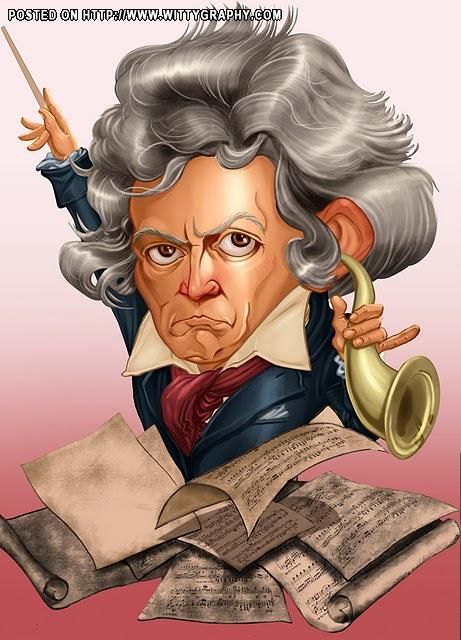
Ludwig Van’s Seventh? He composed it in 1811–12, and it was first heard in Vienna in 1813 at a benefit concert for soldiers wounded at the Battle of Hanau, one of the late‑war clashes that helped drive Napoleon’s army out of German territory. No wonder the symphony feels like resistance turned into rhythm—an entire orchestra insisting on life while a collapsing empire limps away in the background.

Its rhythms carry little melancholy. Wagner called it “the apotheosis of the dance” – and other musical worthies of the time said it was “exuberant,” “boisterous,” and “life-affirming”. Don’t we need something right now to remind us that we can choose to dance in the face of pointless war and the threat of domination?

Londoners … every ticket bought since 2015 has been a small act of faith, and on this night the orchestra pays that faith back in music about survival, defiance, and hard‑won joy. You helped the rebuilding – now come to the concert and celebrate this local source of pride.

IF YOU GO:

What: London Symphonia presents Beethoven, Shostakovich, and Marsh

When: Saturday, May 2, 2026, at 7:30pm.

Where: Metropolitan United Church, 468 Wellington Street, London, Ontario.

Tickets: Beethoven, Shostakovich, and Marsh | London Symphonia

Previewed by Daina Janitis

The Brahms Effect with Tom Allen: The Clarinet and the Art of Being Human

Previewed by Daina Janitis

The Brahms Effect with Tom Allen, London Symphonia, Saturday, April 18, 2026, 7:30 PM

At a time when the world can feel heavy with noise, how comforting it is to gather for an evening devoted to listening — not only to music, but to the stories that live inside it. The Brahms Effect brings together two artists who understand that sound and story are human languages made from the same yearning: the desire to be understood.

Storyteller, broadcaster, and master communicator Tom Allen has long revealed the hidden pulse beneath great music, helping audiences hear composers not as distant figures but as people alive with wit, frailty, and imagination. Alongside Graham LordLondon Symphonia’s principal clarinetist, Allen explores the clarinet as perhaps the most human of instruments — an instrument that can sigh, laugh, ache, and console, often within a single breath.

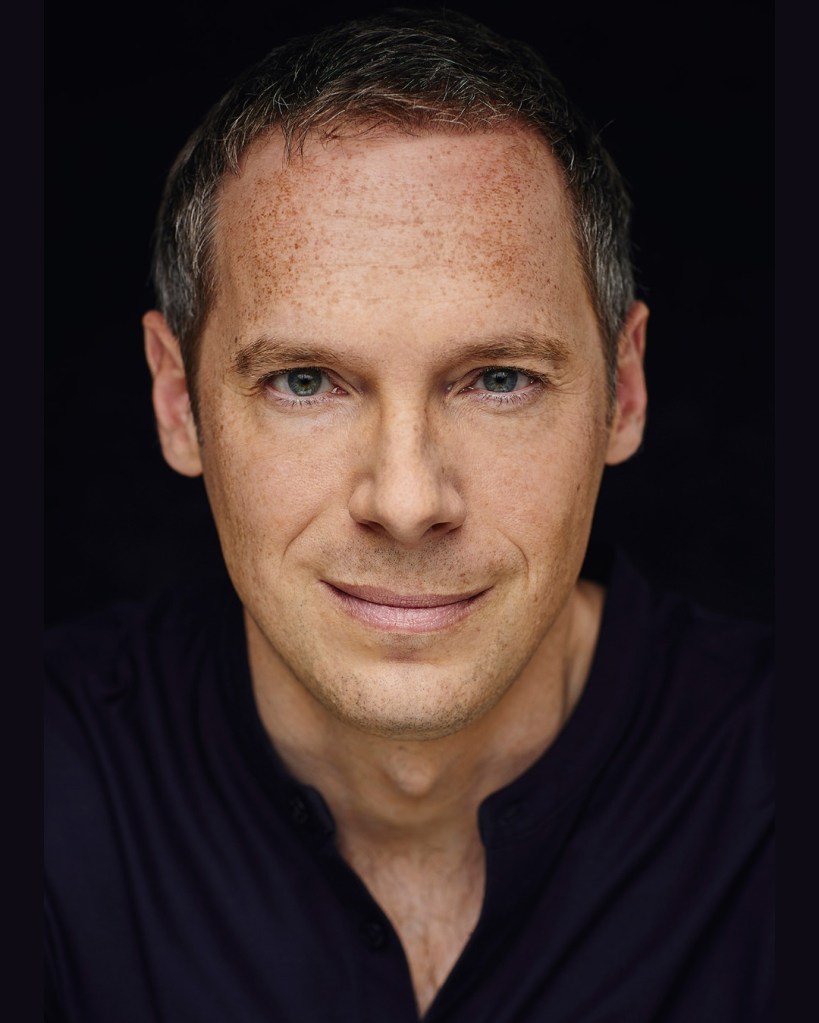
(Pictured: Tom Allen.)

Tom Allen is well known to Canadians through his CBC story broadcasts – but did you know?

  • He planned to be a professional trombonist and worked hard at it into his late twenties
  • By around age 30, he realized that, in his own words, “storytelling and language were where my greatest strengths were,” so his career began to pivot toward radio and narration rather than full‑time performance.
  • A formative moment was a 1982 music history class at Boston University with John Daverio, whose vivid, funny stories about composers convinced Allen that classical music history could be anything but boring. That realization—that extraordinary music comes from very ordinary, messy human lives—became the core of his storytelling approach.
  • Tom and harpist Lori Gemmell are life partners (married), living in Toronto; their personal partnership is the foundation for the artistic one. Around 2010 they began creating staged shows together that mix storytelling, history, and chamber music, which they themselves started calling “chamber musicals.”

So, the honest answer is he didn’t so much abandon the trombone as discover that his strongest instrument was language. The trombone training, the practicing, and the orchestra life became the soil out of which the storyteller grew.

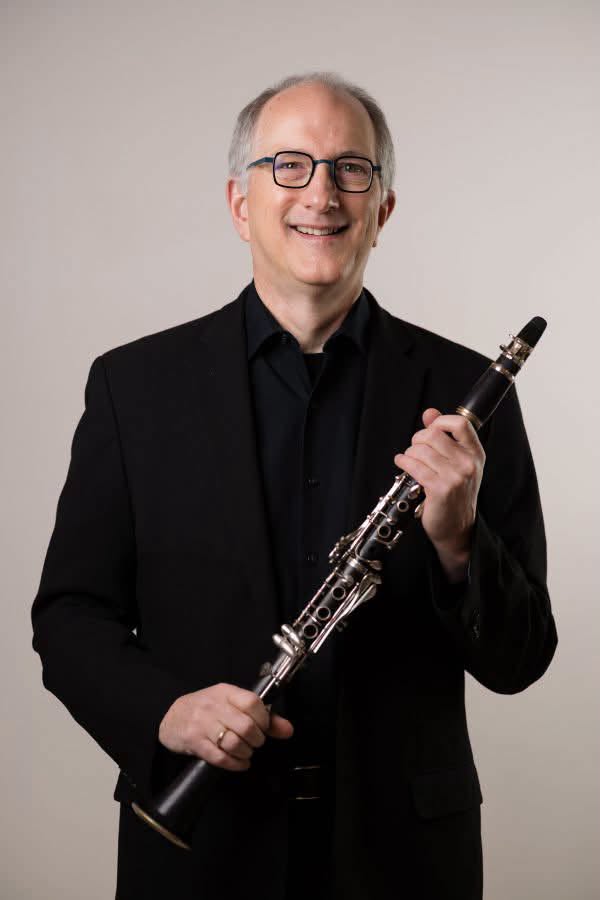
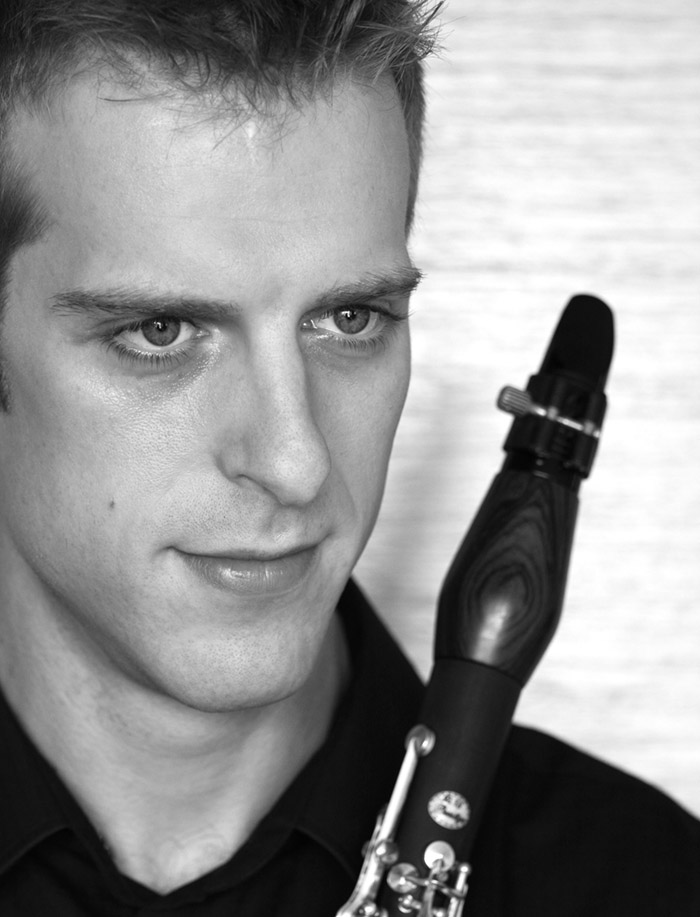
A native of the Vancouver area, clarinetist Graham Lord has made Southwestern Ontario his musical home as principal clarinetist of both London Symphonia and the Windsor Symphony Orchestra. A sought‑after guest principal with orchestras from Toronto and Vancouver to Winnipeg, Edmonton, Kitchener‑Waterloo, Nova Scotia, and Thunder Bay, he brings a national Canadian perspective to the clarinet’s most human voice.

(Pictured: Graham Lord.)

For The Brahms Effect, Graham Lord not only performs but also curates the program, guiding listeners through music that has shaped his own artistry — from the intimacy of Finzi and Mozart to the shimmering urban chorus of Steve Reich and the deep, autumnal glow of Brahms’s Clarinet Quintet.

And what an uncanny gift for curating- as well as performing- Graham Lord has. Tom Allen will involve you in the music before the clarinet begins, and I hope he tells you that Gerald Finzi’s Five Bagatelles for clarinet and piano were composed initially in 1941 as Finzi was drafted into war service. He added to the composition in 1943 and premiered it in London’s (the Big One) National Gallery during the Blitz. The clarinet is heard at its most versatile here – nostalgic, playful, and intimate.

Their program is as emotionally varied as any engrossing story. You’ll be delighted by the lyrical ease of Mozart and the big-city tension of Steve Reich’s New York Counterpoint. Graham’s choices are a musical trip through history, genius, and feeling. Samuel Coleridge‑Taylor’s Clarinet Quintet sets the stage for Brahms’s late‑life masterwork — the Clarinet Quintet in B Minor, Op. 115 — music born from an unexpected friendship with a clarinetist that rekindled Brahms’s creativity and deepened his faith in beauty.

Graham Lord, principal clarinetist and curator of The Brahms Effect with Tom Allen and Andrew Chung, Artistic Producer of London Symphonia discuss why the clarinet is such a magical pairing with the string quartet, the genius of Brahms’ Clarinet Quintet, how Graham chose the repertoire for the concert, and Steve Reich’s rarely performed New York Counterpoint, which creates the texture of a clarinet choir of 11 voices: https://youtu.be/rlJgMLWSFX0?si=YE-TRUe7BtISTgBv

Through Lord’s expressive artistry and Allen’s narrative insight, the concert invites listeners to rediscover what music can do when it’s shared in real time — the way it draws us closer, reminding us of our capacity for empathy, wonder, and joy. By Saturday, April 18th, who can predict the noises of aggression, resentment, and hatred that will be filling our social media and news reports? What lies will we have to decipher and expose?

But in our London, a city that values its creators, The Brahms Effect will offer exquisite music and enchanting stories — a concert that reminds us that art, at its best, recalls to us our most human selves.

IF YOU GO:

What: London Symphonia presents The Brahms Effect with Tom Allen.

When: Saturday, April 18, 2026, at 7:30pm.

Where: Metropolitan United Church, 458 Wellington Street, London, ON.

Tickets: The Brahms Effect with Tom Allen | London Symphonia

Previewed by Daina Janitis.

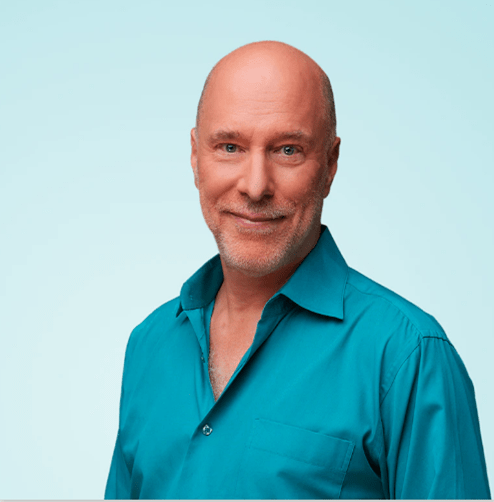
Why I should NOT be writing about Classical Music for The Beat:

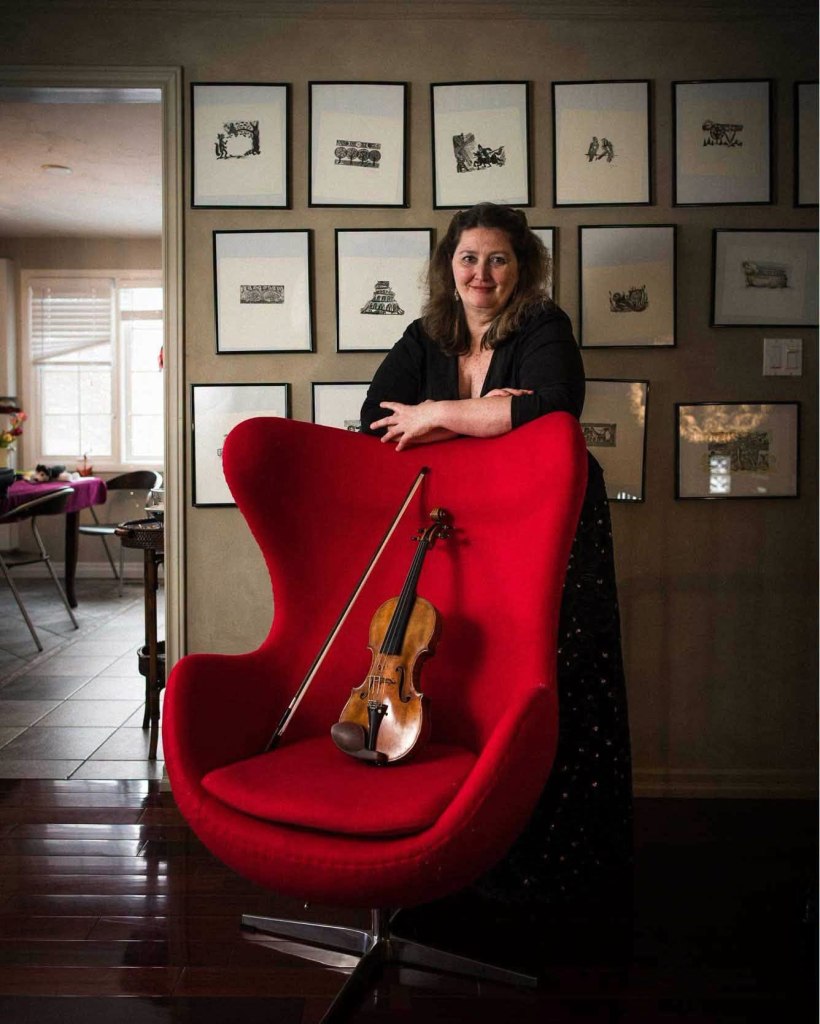
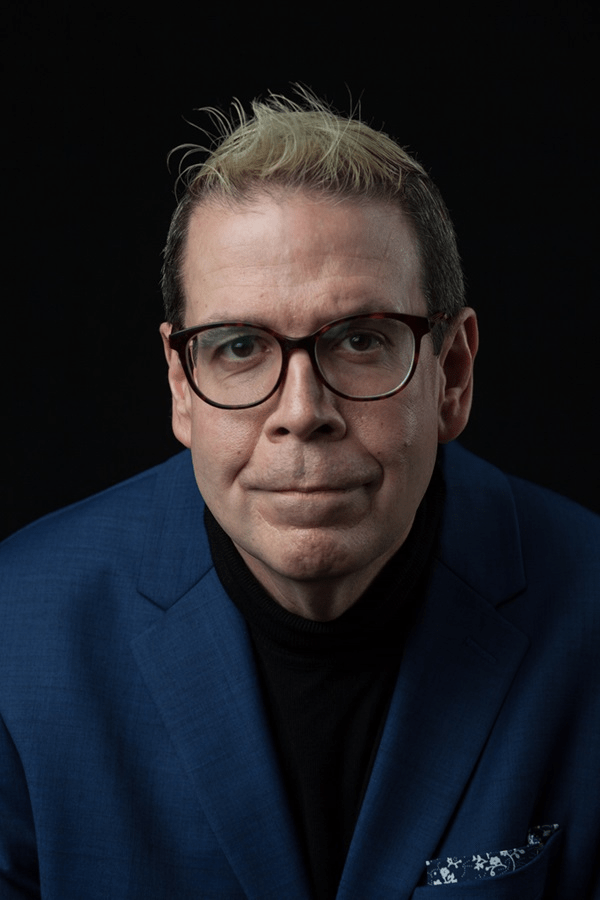
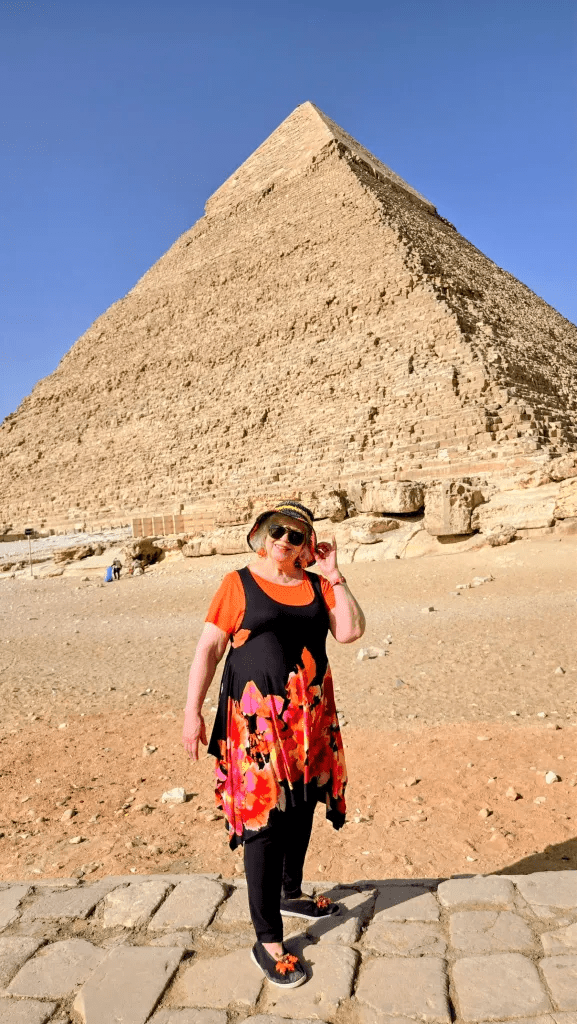
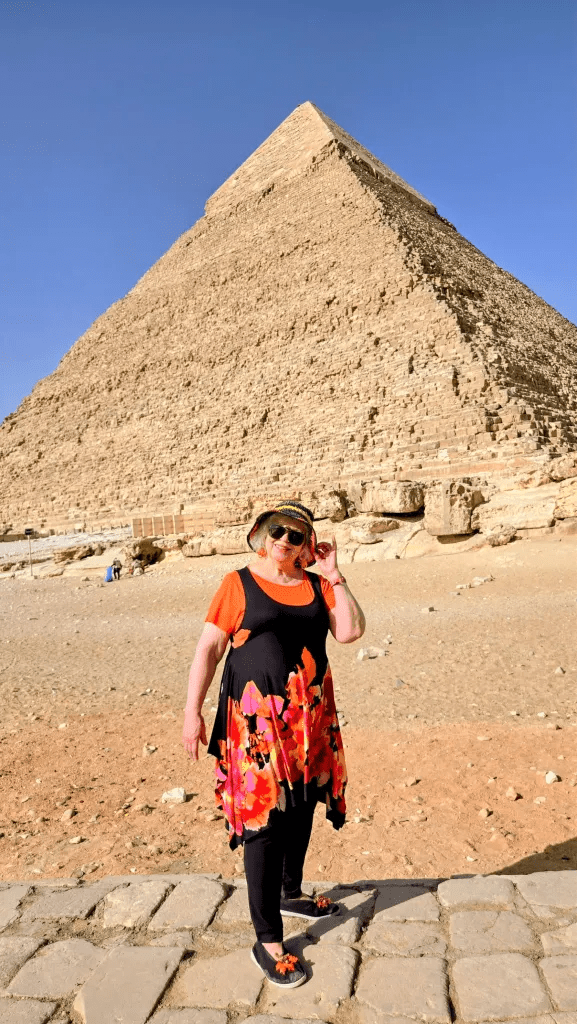
Well, judge for yourself from the photo. I’m 80. I took Latin in high school instead of keyboarding. I am not a performer or a specialist in classical music (a few curling RCM diplomas for Grade 8 and 9 Piano notwithstanding). I played Highwaymen CDs for my kids when they were in the bathtub, and I love Linda Ronstadt songs. I asked for a ticket to the Elvis Presley concert in Maple Leaf Gardens for my 12th birthday, and attended in my choir accompanist uniform, clutching my leather satchel of sheet music. A nerd.

Why I want to Write for The Beat Magazine 2025:

I miss it since the print version retired. I admire its hard-working, eclectic editor, Rick Young, and its many volunteer writers for the kind, informative, and enthusiastic pieces they wrote about our London arts scene.

What I Think I Can Bring:

I taught high school English for thirty-three years- and have been retired for over twenty. Because I was grateful for the people who provided my children experiences and adventures in school music- and in the London Youth Symphony and Amabile – I started volunteering for these heroic people with talents I couldn’t match. I’m on the board for LYS and Magisterra Soloists, I was on the AHMAA board for saving the Aeolian Hall, I assemble newsletters for my union and for the classical music events in London, and I attend every concert I can manage.

But to my mental peril, I have been caught up in the political turmoil of our time. In just the last few months, I’ve read in horror about the denigration of DEI, the turning of the Kennedy Center into a “massage music” emporium, the selling off of public education and public journalism, the incitement of hatred for immigrants, and the finest relief for this anger I feel is in classical music.

What is the source of that solace? It’s a living genius in the musicians who play classical music for us in London, Ontario. Attending a pop music concert is certainly enjoyable, but attending a classical concert is intellectually stimulating and emotionally immersive. It requires sustained focus, careful listening for structure and nuance, and an openness to delayed gratification and complexity. Your emotional responses can be profound and spiritual. The concert offers a contemplative experience, with less overt physical movement and a stronger emphasis on collective listening and silent appreciation. Thank you, London musicians, for the courage you put into your work.

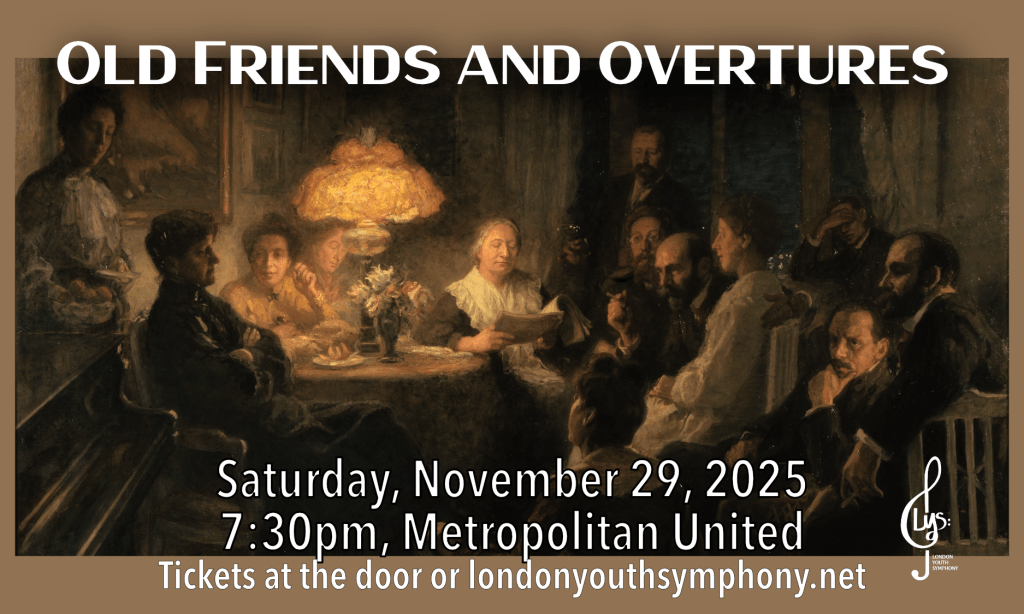
Daina Janitis previews the London Youth Symphony’s Old Friends and Overtures, November 29.

Previewed by Daina Janitis

“In an orchestra, the whole is greater than the sum of its parts. Together, we can create something truly extraordinary.” – Yo-Yo Ma

And looking at this recent photo of the London Youth Symphony on that beautiful stage at The Met below, these words resonate.

(Pictured: London Youth Symphony.)

They bring back sweet memories: Taking my stoic 12-year-old son and his bassoon to an audition with conductor Jerry Summers over 30 years ago. Wondering how he’d get through the chosen piece, some scales on that gigantic piece of pipe, and then a piece of sight-reading. When he was accepted, there were cheers from his nerdy parents and a chocolate cake at Sebastian’s on Richmond.

And then his mom started over 30 years of volunteering for London’s youth orchestra, thankful for what orchestra playing provided for her own kids.

Oh, the Londoners in LYS whose performances continued to enrich our lives ~

String players like Alex, who went on to Montreal’s Symphony.

Andrea, who is now part of the Montreal ensemble she created:  collectif9.

Susan, who left London to study at Oberlin and was principal cello in Louisiana before returning to London to teach and inspire.

Becky, who played in a Polish salt mine- and the Krakow Cathedral – but now delights audiences in Kitchener-Waterloo.

But equally inspiring- the LYS musicians who used their talents in other fields ~

Steve, who adds fire to the local community orchestra while completing his epidemiology degree.

Sharon, who started her own Suzuki school to help generations of little ones flourish.

Ana, a dedicated therapist who also plays her violin in LCO.

Mary, the oboist- member of the first LYS over 60 years ago, still sets that tuning A for the community orchestra.

So why am I indulging in personal memories as the first LYS concert of Season 2025-26 begins?

Because I find the power of the music these young people rehearse, the energy that their conductors and mentors provide their efforts, and the willingness of the audience- even non-family members – to offer them applause, one of the most powerful beacons of hope in a world that is showing the distressing speed at which values can be lost.

Only this past weekend, some of you might have seen this demonstration by some gentlemen across the Wortley Road Bridge in London.

This group announces on its website that The Second Sons is a men-only, Canadian white nationalist group. The group operates chapters throughout Canada, using gyms as meet-up spots and to train their fitness via martial arts. The group appears publicly in white masks and sunglasses, similar to the Patriot Front, and has adopted a modified version of the Red Ensign as its logo.

 What would they and their “Remigration Now” banner make of the LYS kids (and their supportive families), whom you can hear this Saturday night? What would they learn from the Kims, Lees, Sanatanis, Wongs, and Smiths who create beautiful harmony and stirring rhythms with notes put together by composers around the world?

Overall, the discipline and collaboration required in classical music ensembles nurture well-rounded individuals who are socially aware, emotionally mature, and cognitively equipped, qualities that are invaluable for sustaining democracy and community life. This makes the London Youth Symphony’s first concert not only a musical event but a celebration of these deeper civic and personal benefits.

But as Daniel Barenboim reminded us, “An orchestra is not an orchestra without the musicians, but the musicians are not an orchestra without the audience.”

(Pictured: Argentine-Israeli classical pianist and conductor, Daniel Barenboim.)

Among a gazillion other accomplishments, Daniel Barenboim worked with the late Palestinian scholar to create a youth orchestra of young Israeli and Arab musicians. This ensemble was created to show that music can break down barriers once thought insurmountable. Their commitment is to showing that bridges can be built if we listen to each other’s narratives. You won’t be hearing the West-Eastern Divan Orchestra on Saturday night, but you WILL be part of building bridges and bearing witness to young people merging their right and obligation to create something exquisite for each other and for you.

(Pictured: LYS Conductor, Ben Bolt-Martin.)

And what scores will LYS Conductor Ben Bolt-Martin be bringing to life with his baton- and his dedication to London’s musicians? Some of them will be familiar to you – and I’ll even add some links to previous performances if you’d like to get your expectations ready:

There’s “Nimrod” from Enigma Variations — Elgar

Elgar’s “Enigma Variations” began almost as a private joke at the piano, when he started improvising little musical caricatures of his friends to amuse his wife after a long day of teaching and routine work. Each variation is a musical “portrait gallery,” where you can actually hear personalities, inside jokes, and even remembered conversations, yet the whole piece is wrapped around a secret hidden theme that Elgar claimed, “goes through and over the whole set, but is not played” and that he took to his grave without ever explaining. The “Nimrod” was written about a friend, but its slow, gentle start and rise to glorious sound have made it a favourite selection for funerals!

And what about Capriccio Italienne -Tchaikovsky?

Peter Ilyich’s love life was the pits at that time, but Tchaikovsky’s Capriccio Italienne was composed during that dark and turbulent time in his life, bursting with the vibrant energy of the Roman Carnival he witnessed firsthand. The piece captures the bright colours and lively folk tunes of Italy as Tchaikovsky absorbed local street music and dances, creating a joyful, almost theatrical celebration of a city that stirred something vital in his sensitive soul.

And are you ready for  Academic Festival Overture – Brahms?

Will you catch its irony? He offered it as a thank-you for a new degree – an honorary doctorate- and gave the bigwigs a rousing potpourri of boisterous student drinking songs rather than a solemn academic piece. He used four drinking songs and ended with “Gaudeamus igitur,” a centuries-old student anthem meaning “Let us rejoice, therefore, while we are young,” capturing the mischievous, playful spirit of youth amid a formal academic celebration.​

I‘m sure we’ve all heard this one, too – Overture to Der Freischütz – von Weber

Are you ready to take the risk of Weber’s overture to “Der Freischütz”? It stands out for how it dramatically sets the scene for the opera’s dark romantic tale of supernatural bargains and moral struggle, weaving together actual themes and motifs from the opera—especially the eerie diminished seventh chord associated with the devil figure Samiel and the lyrical hunting horn calls—into a vivid musical narrative.

Your openness of mind, your willingness to learn, and your celebration of some of London’s most inspiring young artists are gifts that you have the power to give and receive by your presence. An orchestral performance is a collaboration between the conductor, the musicians, and the audience. It is a shared experience where everyone involved becomes a part of something greater than themselves. It is a connection of souls, united by the power of music.

IF YOU GO:

What: London Youth Symphony presents Old Friends and Overtures.

When: Saturday, November 29, 7:30pm.

Where: Metropolitan United Church, 468 Wellington Street, London, ON.

Tickets: At the Door or https://lys.ticketspice.com/old-friends

Previewed by Daina Janitis

The Jeffery Concerts continue the 2025-26 season with a program of Baroque and Early Classical music, October 19, at the Metropolitan Church.

Sensibilité: C. P. E. Bach and Vivaldi in the Age of “Emotional Hyperreactivity”
presented by Accademia de’ Dissonanti
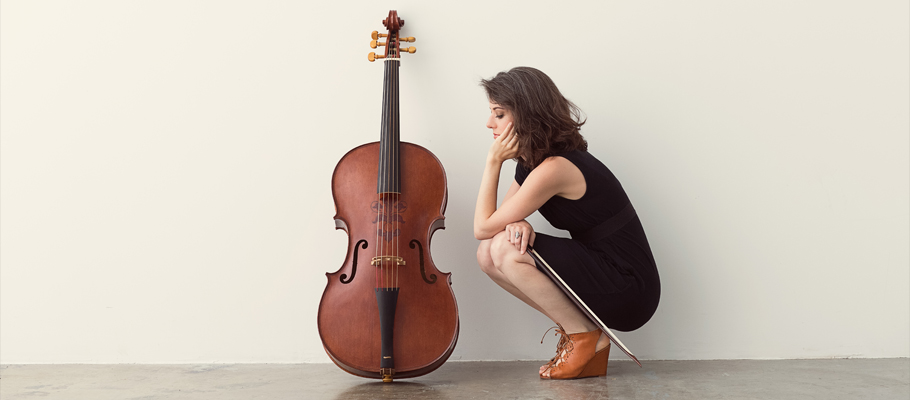
Elinor Frey, cello and direction
Joseph Lanza, violin
Jessy Dubé, violin
Olivier Brault, viola
Eliana Zimmerman, cello
Joseph Phillips, contrabass
Mélisande McNabney, harpsichord

The royal courts of mid-eighteenth-century Berlin were lively crossroads for some of the greatest musicians of the time. The three cello concertos of C. P. E. Bach were composed in the early 1750s, likely for performance at one of the private academies or music societies that were popular in Berlin at the time. These tempestuous and dramatic concertos, replete with fragmented and blustery exchanges, bear witness to Bach’s vigorous imagination. A generation earlier, Antonio Vivaldi wrote highly imaginative concertos for strings at the Le Pietà conservatory in Venice. These surprising works are full of in-jokes and amusements to entertain his talented young students. In Vivaldi and Bach’s music, emotions are fleeting and instantaneous, and above all, the beauty of melody is emphasized.

The Accademia de’ Dissonanti, led by renowned cellist Elinor Frey, is an ensemble dedicated to exploring Baroque and early Classical repertoire. Under Frey’s leadership, they will bring an expressive and historically informed approach to their performance of the music of Vivaldi and C.P.E. Bach.

(Pictured: Elinor Frey, artistic director, cello, viola da gamba, viola d’arco)

PROGRAM
Antonio Vivaldi
 (1678 – 1741) – Concerto for Strings in G Minor, RV 152
Allegro molto – Andante molto e sempre pianissimo tutti – Allegro molto
J. S. Bach (1685 – 1750) – Harpsichord Toccata in D Major, BWV 912 
C. P. E. Bach (1714 – 1788) – Cello Concerto in B-flat Major, Wq 171
Allegretto – Adagio (Cadenza) – Allegro assai
Intermission 
Antonio Vivaldi – Concerto for Strings in D Minor, RV 127
Allegro – Largo – Allegro
C. P. E. Bach – Cello Concerto in A Minor, Wq 170
Allegro assai (cadenza) – Andante (cadenza) – Allegro assai

If You Go:

What: The Jeffery Concerts presents Sensibilité: C. P. E. Bach and Vivaldi in the Age of “Emotional Hyperreactivity”

Who: Accademia de’ Dissonanti

When: Sunday, October 19, 2025, at 3:00 pm.

Where: Metropolitan United Church, 468 Wellington Street, London, ON

Tickets: To purchase tickets for this concert, please contact the Grand Theatre online at https://tickets.grandtheatre.com/11649, by phone at 519-672-8800, or in person at 471 Richmond Street. Single tickets are also available at the door.

Students with a valid ID are welcome free of charge.

For more information about The Jeffery Concerts, visit https://www.jefferyconcerts.com/season2526/index.html

Follow The Jeffery Concerts on Facebook https://www.facebook.com/thejefferyconcerts

To learn more about Accademia de’ Dissonanti, visit https://www.accademiadedissonanti.com/

Daina Janitis Reflects On London Symphonia’s Opening Night: Mozart, Ravel, and Beyond.

by Daina Janitis

So, I warned you in my Bio, didn’t I – I’m not an academic musician – English Lang and Lit graduate – and I’m doddering past 80 years of age. And reviews of concerts seem sort of pointless to me. If you were there, you know what it sounded like- and if you weren’t, you don’t need any shade of schadenfreude thrown at you for having missed a unique experience (although I have high praise for the crew that videotapes the London Symphonia concerts-the experience is worth trying). So, “The Husband” and I huffed up the stairs to the balcony and positioned ourselves where we could see David Jalbert’s hands on the keyboard – all of us “Displaced Persons” kids took piano lessons when our families were let into Canada… we know where to sit.

Yes, the music was spectacular – but it was only part of the experience. With London Symphonia concerts at “The Met,” you get something unique on the concert evening- something that deserves thanks and acknowledgement, while empathy, respect for diversity, and liberal education are becoming crimes and vices in the elephantine country south of us.

You know those rooms set aside for “Big Givers” in theatres and performance halls where they can get a free glass of musty Chardonnay and schmooze with others of that generosity level? AT OUR Met, the London Symphonia musicians, guest artists, and the conductor are ready to chat with you and to answer any dumb question you might have.

After Saturday night’s concert, I was able to hug Ted and Renee of Serenata Music and thank them for their generosity in helping the Symphonia bring to London someone like Jalbert. I walked over to a gaggle of Western Music students who were still jumping up and down with the excitement of the music. I cornered two of them – a toque and hockey shirt on one, a BIG waxed mustache and sleeveless tee (no sombrero) on the other – to thank them for making the concert even better with their presence. I also told them I was grateful for being in Canada together- were we in Chicago or Memphis, ICE agents might have seized them both at the exit. I could tell Ben the Cello that, should I ever become deaf, I could enjoy concerts fully just by watching his face. And I could hug Cosette the Conductor, telling her how much I loved Kooba (I know, after showing the other half of my Spanish- “Ola!”). “The Husband” had to get all expert, shaking her hand and thanking her for “a wonderful master class in orchestral conducting.”

(Pictured: Cosette Justo Valdés. Photo Credit: Lia Crowe)

And the music – a totally shared experience, no matter what your level of “expertise.” Cosette the Conductor, dressed in traditional black, led the audience in singing along with “O Canada.” She had brought to the program two pieces by Cuban composers – and in the second, after she explained its inspiration – the double-bench horse-drawn carts in Cuba that haul farmers, water, crops, and appliances – every clack of Tim Fancom’s percussion brought that musical scene to life. And although Cosette said that “Canada is my home” after six years, those unmistakable Cuan dance moves enhanced her conducting of the piece.

(Pictured: David Jalbert. Photo Credit: Julien Faugère)

And David Jalbert’s performance of Ravel’s Concerto in G major? It left the audience breathless – not only for Jalbert’s genius and technical skill, but through, I believe, the musical “community” Ravel’s writing for orchestra and piano creates in the three-movement piece. The first begins with Jalbert’s hands posed in a criss-cross on the keys while a jazzy chorus of clarinet, trumpet, bassoon, and trombone joins him in some sensuous music- and that harp suddenly adds brushstrokes of mystery. Don’t even ASK about how perfect his rapid trills were! The second movement assured us that Jalbert can handle anything – a solo piano beginning that eventually is joined by the English horn and the other instruments in rising tension. And the final presto movement did what a French composer, Louis Fleury, said it should do: be “an unstoppable onslaught, spurred on by the shrieks of the clarinet and the piccolo, the donkey brays of the trombone and occasional fanfare flourishes in the brass.” How that wonderful Canadian pianist had the energy to play a Prokofiev rumble of pure delight as an encore – we OWE him!

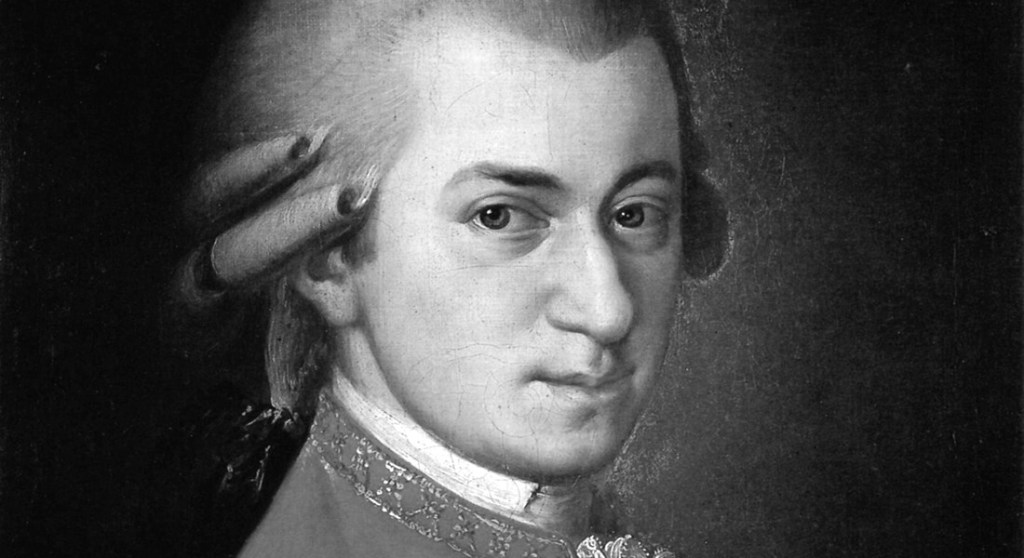
(Wolfgang Amadeus Mozart, 27 January 1756 – 5 December 1791)

Do you want to know about the Mozart Symphony #39 in E-flat Major? Brace yourself for more stories of musical heroes. Wolfgang died at the age of 35, and within two months of his final years, composed THREE symphonies- 39, 40, and 41. Number 39 was the introduction, so to speak, that culminates in his “Jupiter” (#41). But Wolfie- no oboes??? The London Symphonia clarinets took the limelight in the bold and heroic first movement. In the second, third, and fourth movements, the 18th-century composition took us through dialogues of instruments in our city’s brilliant small orchestra, ending in something that’s been called “the 18th-century equivalent of a hoedown”.

If you couldn’t make it- and are curious about how all of that anticipation and joy can be in one symphony – DO invest in the London Symphony “Video on Demand” concert purchase on their website. If you’re as cheap as I am, here’s a freebie from Frankfurt:

Okay for now, but don’t you dare miss the full experience of “Payadora” on November 15, 2025, in the London Symphonia 2025-2026 series.

For more information about London Symphonia and the 2025-2026 Season, visit https://www.londonsymphonia.ca/

Reviewed by Daina Janitis, The Beat Magazine 2025 Classical Music Writer

London Symphonia Opening Night – the ONLY Night – and I can hardly wait!

Previewed by Daina Janitis

This is one of many 2025-26 season first concerts- opportunities I hope to tell you more about soon – but this one is special. “Classical” music is my passion to hear live and to write about. Not because I’m a musician or an instructor, but because I’m committed more than ever to the shared experience of being at a concert played or sung by London’s formidable talent pool. The energy and emotion felt by the players are felt by everyone in the audience – it’s a shared experience that increases the pride and identity of our city.

Opening Night, London Symphonia

October 4, 2025, at 7:30, Metropolitan United Church

(But as Londoners, let’s call it “The Met” – The Met halfway between Toronto and Detroit)

(Pictured: Opening Night Guest Artist, Canadian pianist, David Jalbert.)

And on the program …

Augusta Holmès, La Nuit et l’Amour

Rodrigo Prats, Canta el Carretero Cuando Dan Las Seis
Ravel, Piano Concerto in G Major 
Mozart, Symphony No. 39

First, David Jalbert- the guest artist. The Canadian is ranked “among the best 15 pianists of all time” by the CBC. Critics have strived to explain what makes him unique: “In an age of knuckle-busting keyboard technicians fixated on a single era, composer or concerto, it is a great pleasure to encounter an artist of Jalbert’s stature for whom the piano is simply a transcendent means of human expression” (WholeNote)” His recordings are already legendary- Prokofiev, Faure, the Goldberg Variations, and on Saturday night, he’s performing Ravel.

In an interview with Andrew Chung, Jalbert admits that he’s like an actor, changing characters with every composer that he plays. Ravel, to him, is an “old friend” who “never ceases to amaze”. The concerto he’ll perform with London Symphonia is only twenty-two minutes long- but it’s “an astonishing piece” with French themes, touches of flamenco, and hints of American jazz.

And I can’t omit this detail about Jalbert. In the “dark times”, when Orchestra London musicians were regrouping through “We Play On” into the stunning ensemble we know today, Jalbert offered to perform with them – refusing to take a fee!

You can watch Andrew’s interview in its entirety here https://youtu.be/4BlZrRFSPAc?si=sz0R3wCFSwmfylD4

You know by now that London Symphonia has no permanent conductor. An exciting new conductor is invited for every program- and this opening night has an upcoming young Cuban-born maestra on the podium.

(Pictured: Opening Night Guest Conductor, Cosette Justo Valdés.)

Cosette Justo Valdés has conducted in a mind-boggling number of cities around the world. She is Honorary Director still of the symphony of Santiago, Cuba where she spent nine years, but her contributions to Canadian culture through music are particularly interesting: “Through her daring, innovative programming with the Vancouver Island Symphony Ms. Valdés has quickly ignited new passion in her audiences, inspiring them to engage personally not only with living, contemporary music but also with rarely heard historical works. As an ongoing part of her artistic agenda in Vancouver Island, Ms. Valdés proudly continues to give a powerful voice to the works of women composers and composers from Native Canadian and American heritage.”

I promised myself I would not drag current politics into notices about London’s rich classical music scene – but with every new announcement and curtailing of DEI, cutting of support for the arts and education, and ridicule of “wokeness’ – I’m breaking that promise. As Thom Hartmann reminds his fellow Americans, “[The old Democrats] knew that politics is not just about what laws are passed but about what stories a nation tells itself about who it is. They knew that culture is not an afterthought; it is the riverbed through which politics flows.”

London Symphonia is one of London’s most valuable forgers of our Canadian culture. This opening night concert will add to our cultural fabric – and level up your internal immunity to the noise pollution of social media and politics.

What: London Symphonia Opening Night

When: October 4th, 2025

Where: Metropolitan Church, 468 Wellington St, London, ON 

For more information and to purchase tickets, visit https://www.londonsymphonia.ca/

Previewed by Daina Janitis