Out of the Woods and Into the Spotlight: How London’s Literary Community Built Its First Anthology

by Dawn Lyons

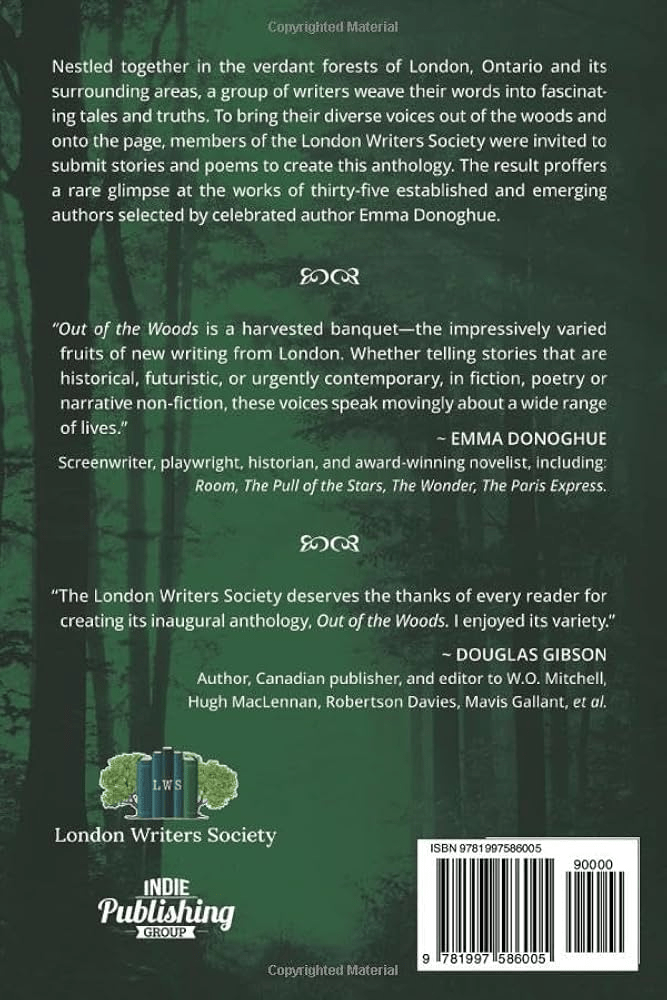
When members of the London Writers’ Society first tossed around the idea of creating an anthology, it felt more like a someday dream than a concrete project. But in 2023, with a growing membership, a renewed energy, and a core of volunteers ready to say yes, “someday” shifted into “now.” The result, Out of the Woods: Voices from the Forest City, has since become more than a book. It’s a celebration of London’s writers, its literary identity, and the collaborative spirit that fuels creative communities.

A vision years in the making

The goal for the anthology was simple but ambitious: to create a showcase of the Society’s members that reflected the full breadth of London’s talent. The committee envisioned a collection with creative nonfiction, fiction, and poetry that allowed room for multiple genres and voices, all reviewed through a tiered judging process and curated by a local prominent literary figure.

While the vision stayed largely intact, one thing surprised them – the sheer amount of work involved. From funnelling anonymous submissions to first readers, to coordinating edits, to choosing the final layout, the process became a true community effort. Society members were invited to submit up to five pieces each, and the response was overwhelming. Most submitted at least one piece, with many sending in the maximum. The first-round judges produced a longlist; then came the question of who would choose the finalists.

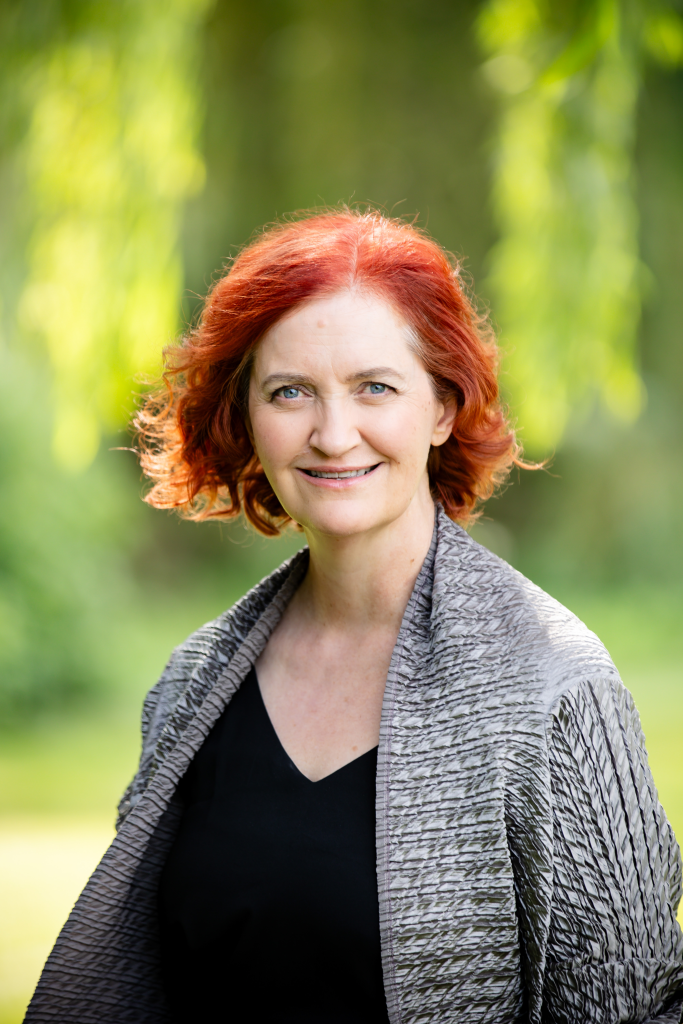
Because the anthology was rooted in London, the team wanted a local literary presence. Someone suggested novelist Emma Donoghue. They assumed it was a long shot.

It wasn’t.

“She responded immediately with ‘Sure!’” recalls

“We were shocked and thrilled.”

(Pictured: Emma Donoghue. Photo Credit: Woodgate Photography.)

Donoghue selected a beautifully varied set of finalists that included stories of all tones, genres, and moods. Behind the scenes, editor Heather Godden played a crucial role, offering thoughtful feedback even to writers being edited for the first time. She also crafted the order of pieces, creating what the committee describes as a “gentle wave-like vibe, allowing emotions to ebb and flow throughout the book.”

A mix of writers, a mix of worlds

The anthology gathers work from writers at every stage: brand new voices, emerging writers building momentum, and established authors adding another credit to their growing list. Many were published for the first time; others were thrilled to contribute alongside peers they admire.

What stands out most is the depth of diversity, not only of the authors themselves but of the stories they tell. The membership of the London Writers’ Society spans ages, backgrounds, identities, and experiences, and the anthology reflects that richness. Within its pages, readers will find memoir, political reflection, gender-identity-focused nonfiction, supernatural tales, science fiction, romantasy, historical narratives, and poetry, both light and deeply moving. Like London itself, where one turn reveals affluence and another reveals hardship, the anthology refuses categorization.

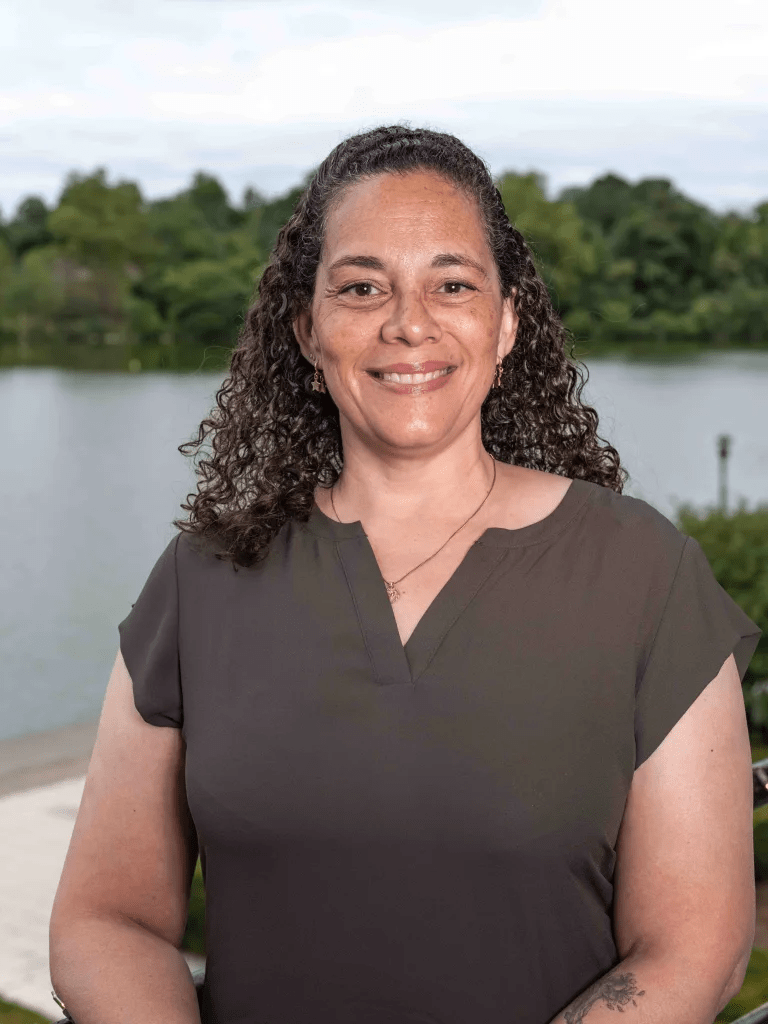
(Pictured: Martha Morrison, London Writers Society Anthology Chair.)

“There is no ‘one’ London,” Morrison explains. “This city, like its authors, cannot be defined.”

Because the book is titled Out of the Woods, writers were encouraged to interpret the theme literally or figuratively. The result is a tapestry of forested settings, metaphors of struggle and emergence, stories of being “out of the woods” — or very much not.

Most Londoners will recognize that the title also plays with London’s nickname, the Forest City, which brings to mind the idea of voices emerging from woods, fields, and farmland to step into the light.

Beyond the theme, Morrison and the committee see the book as something that fills a much larger gap: recognition of London’s vibrant literary culture. “It is a hotbed of innovation and creativity,” she says. “We’d like to proclaim it ‘the City of the Arts.’”

Watch Martha Morrison and Donna Costa discuss Out of the Woods on a recent episode of Rogers TV’s show, What’s Up London: https://www.facebook.com/share/r/17qacRK3Bq/

Lines that linger

Several pieces in the anthology stand out for their resonance. A few of the committee’s favourite lines (although Morrison indicates there are many) include:

From Discovery by Laurie Browne:
“…My heart lies among the discarded shells and stones and my edges have softened like blue beach glass…”

From Alignment by Laura Wythe:
“…They were peering into the windows of the van… dressed in hide or bark with woven stuff sticking out, and masks—or were they faces?… It was difficult to say if they were human, animal or, weirdly, tree?”

From Not Just Lonely by Bruce Lord:
“You were those petals, I those thorns / and when you held me for the very last time, I fear I made your fingers bleed.”

From Wear a Denim Shirt for Me by Diane Kirby:
“I have lived a life steeped in denim.”

From Dust – An Ode by E. Jeffrey Orchard:
“Dust is like laundry / there’s always more.”

If this book had a soundtrack…

Music lovers will appreciate the anthology’s unofficial playlist curated by the committee — a mix of Canadian, local, and Irish artists (a nod to the anthology’s curator):

  • “Out of the Woods” – Nickel Creek
  • “Nightingale” – Leonard Cohen
  • “Everything I Call Home” – The Pairs
  • “Lonely” – Lost in Japan
  • “Redwood Tree” – Van Morrison
  • “Lost Forest Medley” – Paul Mills
  • “A Case of You” – Joni Mitchell
  • “Take It on Home” – Genevieve Fisher
  • “A Forest” – The Cure
  • “Meet Me in the Woods” – Lord Huron
  • “In the Woods Somewhere” – Hozier
  • “Shadows and Tall Trees” – U2
  • “Go Back to Your Woods” – Robbie Robertson

(And yes, for the Swifties: Taylor Swift’s Out of the Woods also fits!)

A community-powered national spotlight success story

One of the defining features of Out of the Woods is how many hands helped shape it. From grants and sponsorships to support from the wider publishing world, including Terry Fallis writing the foreword and Douglas Gibson providing a blurb, the team felt as if the whole literary community rallied behind them. Local independent bookstores embraced the anthology, as did surprising partners like Tuckey Home Hardware in Wortley Village, which now keeps shelves dedicated to local writers.

Reader response has also been overwhelmingly positive, with people praising its readability, emotional range, and resonance. Live readings have brought packed rooms, tears, laughter, and countless conversations.

Perhaps the biggest surprise came when the anthology was named one of The Globe and Mail’s “35 Hot New Reads” for August and September. Physical copies of the paper were immediately purchased for safekeeping when the committee heard about the recognition from a friend. 

“It’s a stamp of approval that reminds many of our members they are indeed writers,” says Morrison. 

What’s next?

The idea of a second anthology is already on the table, and the early signs are promising — volunteers are stepping forward, and energy is building.

In the meantime, the London Writers’ Society continues its year-round work: monthly craft workshops, critique groups, author spotlights, Book Fair booths, a developing podcast, and a growing presence across southwestern Ontario. With more than 150 members writing poetry, fiction, creative nonfiction, and scripts, the Society remains a cornerstone of London’s literary landscape.

Where to Buy Out of the Woods: Voices from the Forest City

Readers can find the anthology at independent booksellers across London and surrounding communities (Windsor, Port Stanley, St. Thomas, Strathroy, Sarnia, St Marys, Stratford), at Indigo, and online through Amazon and Barnes & Noble. A full list of retailers is available under the “Anthology Project” tab at: https://www.londonwriterssociety.ca

Follow the London Writers Society on Facebook: https://www.facebook.com/LondonOntWriters

Follow the London Writers Society on Instagram: https://www.instagram.com/londonwriterssocietyontario/

By Dawn Lyons.

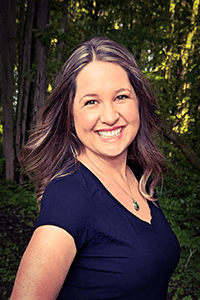
(Pictured: The Beat Magazine Contributor, Dawn Lyons.)

An Informal Chat with Odesa Company’s Scott Smalley during Intermission at Misery, Oct. 25/25

by Richard Young, Publisher & Content Manager, The Beat Magazine

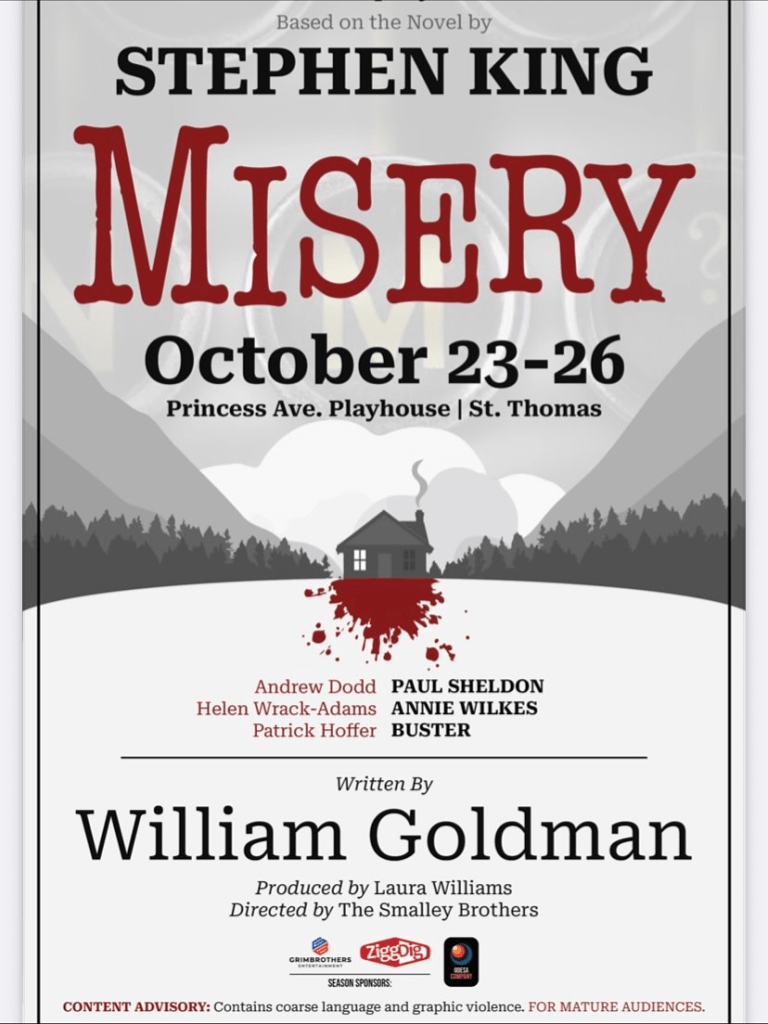
If you were one of the fortunate people who took time off from watching the Blue Jays World Series games to attend Odesa Company’s all too short four-day run of Misery at the Princess Ave Playhouse in St. Thomas, lucky you. If you didn’t, pity.

Produced by Laura Williams and co-directed by Chris and Scott Smalley, the tautly staged thriller based on the Stephen King novel was a delight and filled with tension from beginning to end.

The story is familiar. Paul Sheldon, a well-known author of a series of highly successful Misery romance novels, wakes up to find himself severely injured and confined to a bed with no recollection of how he got there. He discovers he was badly hurt in a car accident and is now convalescing in the remote home of Annie Wilkes, a former nurse who claims to be his biggest fan. Grateful and flattered at first, Paul gradually realizes that he is being held prisoner by his menacing and increasingly violent caregiver.

To be sure, the Princess Ave Playhouse was the ideal venue for the Odesa Company’s production. Small and intimate, it gave audience members a front-row seat to the action on stage and made them feel that they were in the cramped cabin with the play’s protagonists.

The play’s leads were both outstanding.

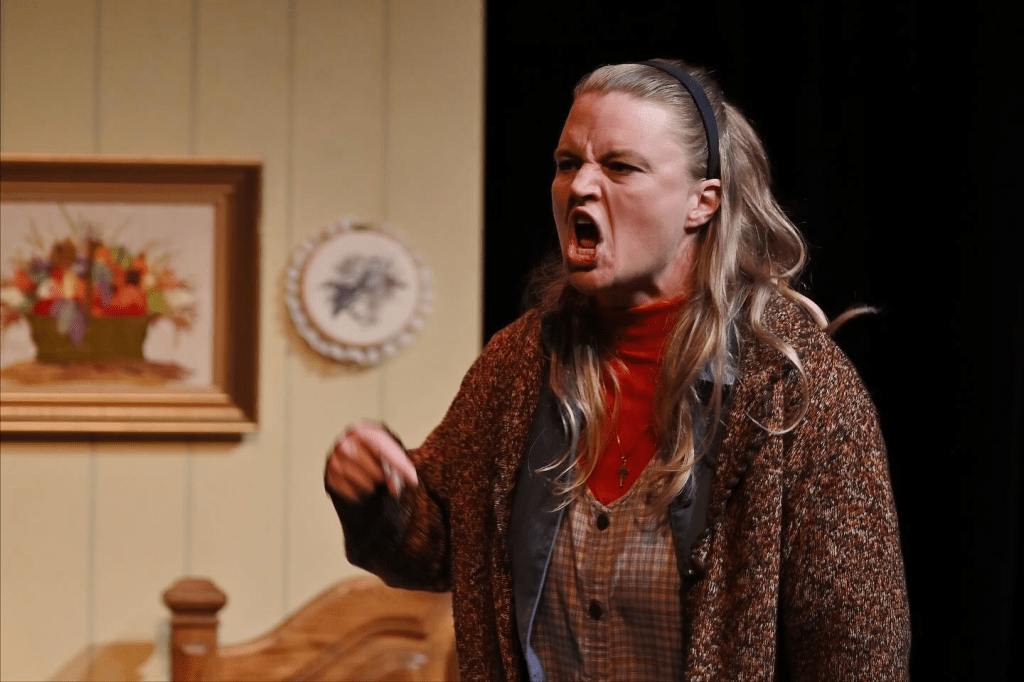
(Pictured: Helen Wrack-Adams as Annie. Photo Credit: Ross Davidson)

Helen Wrack-Adams shone as the physically dominating and sadistic Annie who turned on a dime throughout the play. One moment she was affectionate and fawning, the next minute she was taking a mallet to Paul’s ankles. Her increasing menace was definitely felt by the audience who, like Paul, dreaded each time she entered the bedroom.

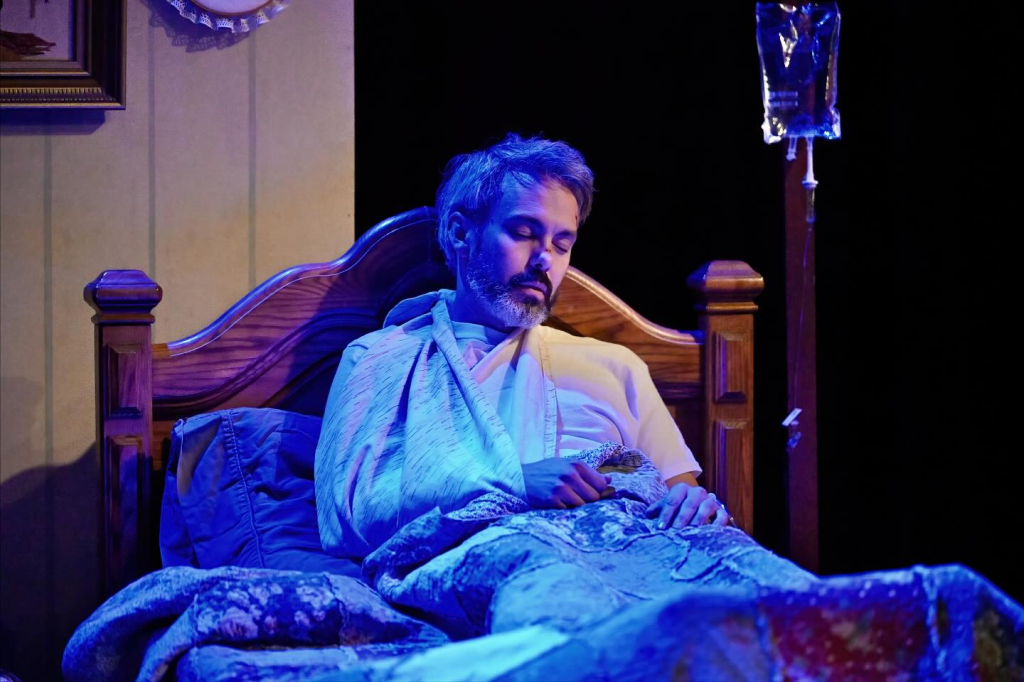
As Paul, Andrew Dodd spent much of his time on stage in bed or in a wheelchair. He deftly conveyed his character’s gradual realization that he was being held captive by a seriously deranged God-fearing, moral absolutist. The scene in which he cast himself out of bed and crawled across the floor in an attempt to escape was so convincing that members of the audience were wincing in pain, including this writer!

(Pictured: Andrew Dodd as Paul. Photo Credit: Ross Davidson)

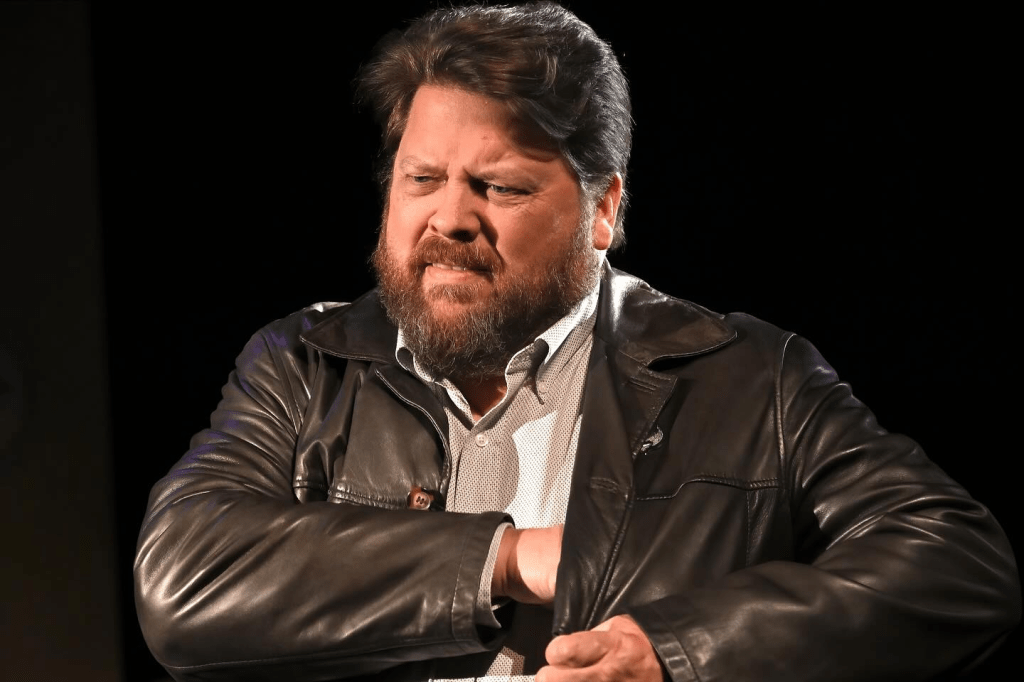
Patrick Hoffer, as Buster, the small-town sheriff and Paul’s would-be rescuer, breaks up the tension with his brief appearances on stage. Unfortunately, he ended up being shot by Annie for his efforts.

(Pictured: Patrick Hoffer as Sheriff Buster. Photo Credit: Ross Davidson)

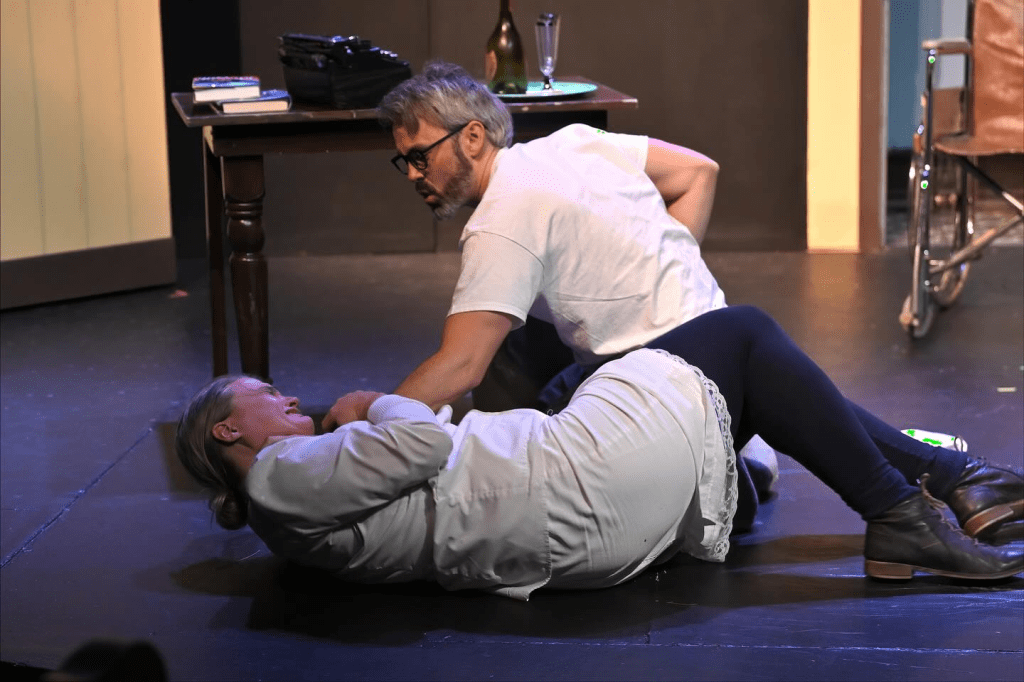
The final physical altercation between Paul and Annie was startingly realistic, thanks no doubt to the contributions of London’s Shrew’d Business.

(Pictured: Annie (Helen Wrack-Adams) and Paul (Andrew Dodd). Photo Credit: Ross Davidson)

*********************

I had the good fortune to buttonhole Scott Smalley during the Intermission for a brief impromptu interview about the play and Odesa Company. Here’s an edited summary of that chat.

Q. How has the play’s run been so far?

The run’s been really good. Sales have been really good. I’m a Blue Jays fan, and I’m really grateful that they’re in the World Series, but we have found ourselves competing with their success. Our matinees have been selling well, and audiences have been really enjoying the production.

Q. Could you have extended the play to a second week?

We could have. It’s one of those things where we look at our sales data. We picked up momentum thanks to good word of mouth. Unfortunately, it’s one of the drawbacks of doing a one-week run. You don’t have as many opportunities to build interest and momentum in your production.

Q. Is there any particular reason why you chose Princess Ave Playhouse as the venue for Misery?

It’s well-suited for this show. A more intimate space is really helpful for the type of story we’re telling, especially in the second act when things get a little bit crazier on stage. After we did The Elephant Man here, it became very obvious that St. Thomas audiences are interested in great theatre, and they’ve been very supportive of our efforts. We’ve had people come from London who said they didn’t know this place even existed, so that’s pretty cool.

Q. Any comments you would like to make about your Cast?

They’re wonderful! When it came to auditions, we had a lot of options. They were all excellent, and they all brought different things to the roles, but the chemistry that we’ve developed during the rehearsal process was really amazing, and the on-stage product reflects that. I’d like to point out that our Techs have been just as much of the play’s process and success

Q. One final question. What’s up next for Odesa Company?

We were going to do StageQuest next, but we’ve bumped it to next year. We’ve got a few irons in the fire, and we’ve had folks who have pitched various shows. We’re kinda navigating those things, and we look forward to having a very full 2026 season.

For more information about Odesa Company, visit https://odesa.company/

Follow Odesa Company on Facebook https://www.facebook.com/odesa.company

Follow Odesa Company on Instagram https://www.instagram.com/odesa.company/

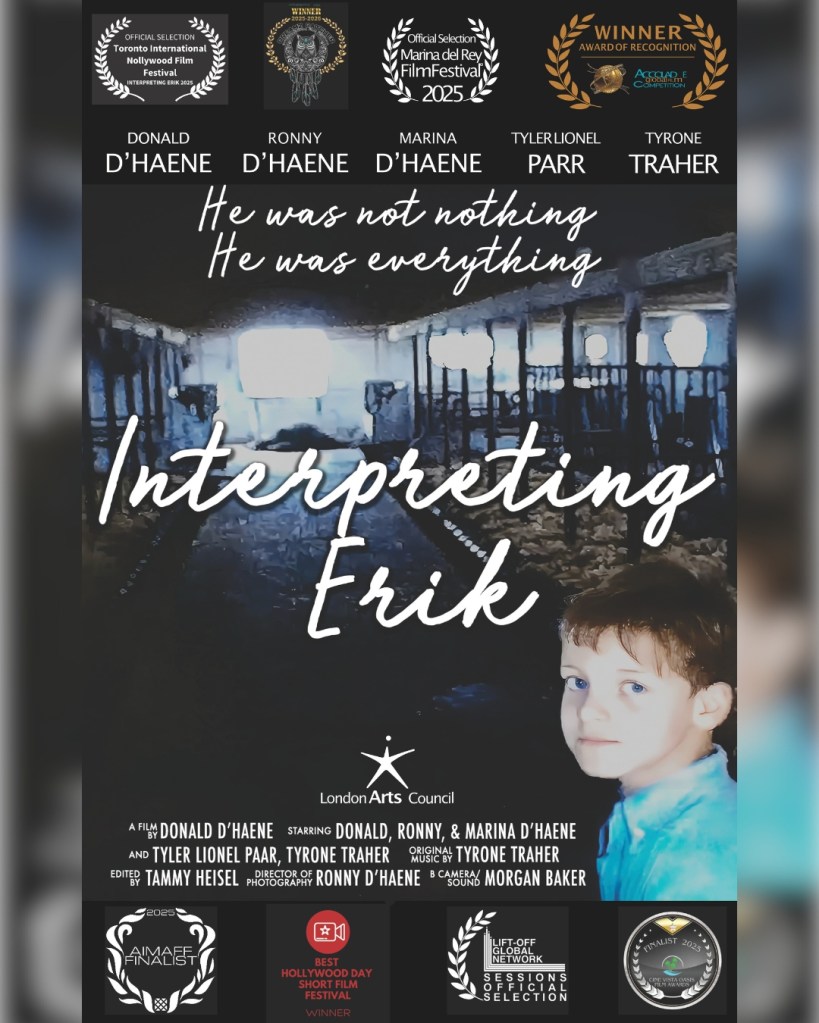
Interpreting Erik: Donald D’Haene’s love letter to his late brother.

By J. Bruce Parker

Well-known London creative, Donald D’Haene, is riding the crest of a wave.

His documentary, Interpreting Erik, being screened at this year’s Forest City Film Festival, is getting noticed; everywhere. It has garnered just under three hundred awards and accolades worldwide. But like all waves, there is a trough, which is the content of the documentary. Interpreting Erik follows the tragic life of Donald’s brother, who died on the streets of Vancouver in 2020. Erik, like Donald, brother Ronny, and sister Marina, was sexually abused by their father, not just once but repeatedly.

The documentary is not just Erik’s story, but the story of Donald and his two siblings’ survival throughout this ordeal. For Donald, it was through therapy, outlined in his two books Father’s Touch and Nobody Wants To Read You Are Happy. For Ronny, it was photography, and he became an award-winning nature photographer. When the family unit broke up, Marina found solace, guidance, and hope in various group homes in London. The D’Haene children survived and grew beyond the horrible abuse of their past, but not Erik.

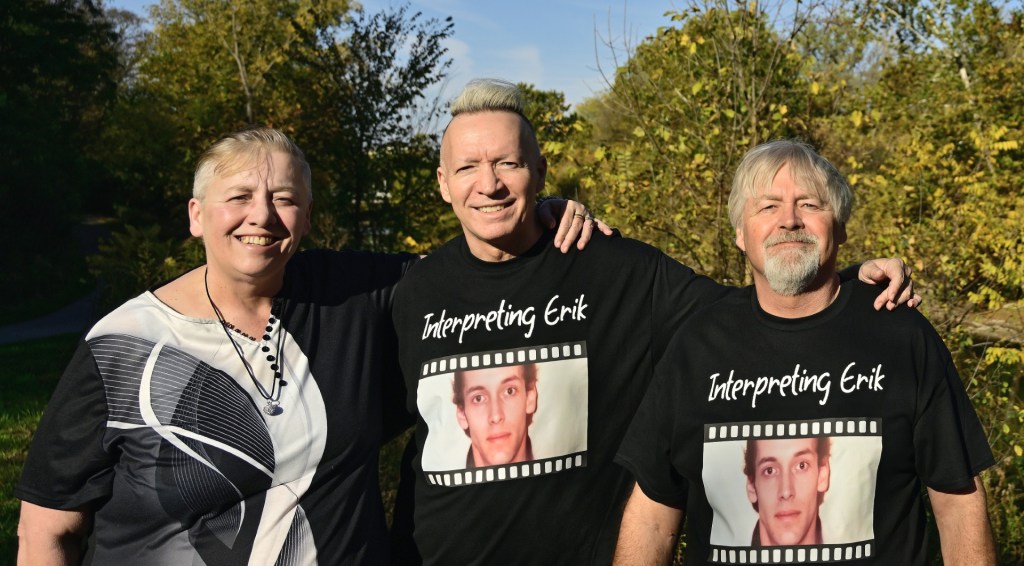
(Pictured: The D’Haene siblings, Marina, Donald, and Ronny.)

Donald’s documentary explores Erik’s life through his art, his diaries, and his letters. Erik is portrayed by actors Tyler Lionel Parr and Tyrone Traher, reading Erik’s words and characterizing his image on the street. At the film’s end, there is a sense of understanding his struggle.

“You see, we have no videos of our brother, but I found over one thousand letters, some with prose or poems, and over one hundred art pieces and drawings. I never knew I had them. I took care of my mom until she passed, and we had our own ‘Grey Gardens’ (a 1975 film) going,” says Donald. “Thank goodness I never listened to anyone as I never de-hoarded. While I was writing my memoir, I picked up what I thought was a date book my mother kept in an old box. Lo and behold it was a diary and there were more than twenty of them. I never knew she kept a diary.”

“Then I went through scores of bags and found Erik’s letters and art. Erik’s life had meaning; he had incredible talent. More importantly, he had hopes and dreams like any other displaced member of our society. He could never escape the past, although he tried with drugs and other forms of self-abuse. My guilt was suffocating me. My depression consumed me until I decided to tell Erik’s story, first through my book and then through sharing his works and art. I have been reborn telling my Erik’s story. I feel I’m alive again, but I have to be, for him”.

Erik’s life and death on the streets of Vancouver echoes the plight of all marginalized people who end up without a home and little hope. Erik becomes the ‘everyman’ on the street, but he has a name, and he had a life. 

“He was not nothing, he was everything,” as Donald reminds us.

Erik stated, “I need an interpreter in my own skin”. Brother Donald has been successfully able to do that.

Interpreting Erik will be shown at the Forest City Film Festival at Wolf Performance Hall, October 26th at 12:00 p.m. and November 2nd at 2:30 p.m.

For more information about the Forest City Film Festival, visit https://fcff.ca/

Written by The Beat Magazine’s J. Bruce Parker
Why Have I Revived The Beat Magazine? It’s a labour of love and more.

by Richard Young, Publisher & Content Manager, The Beat Magazine 2025.

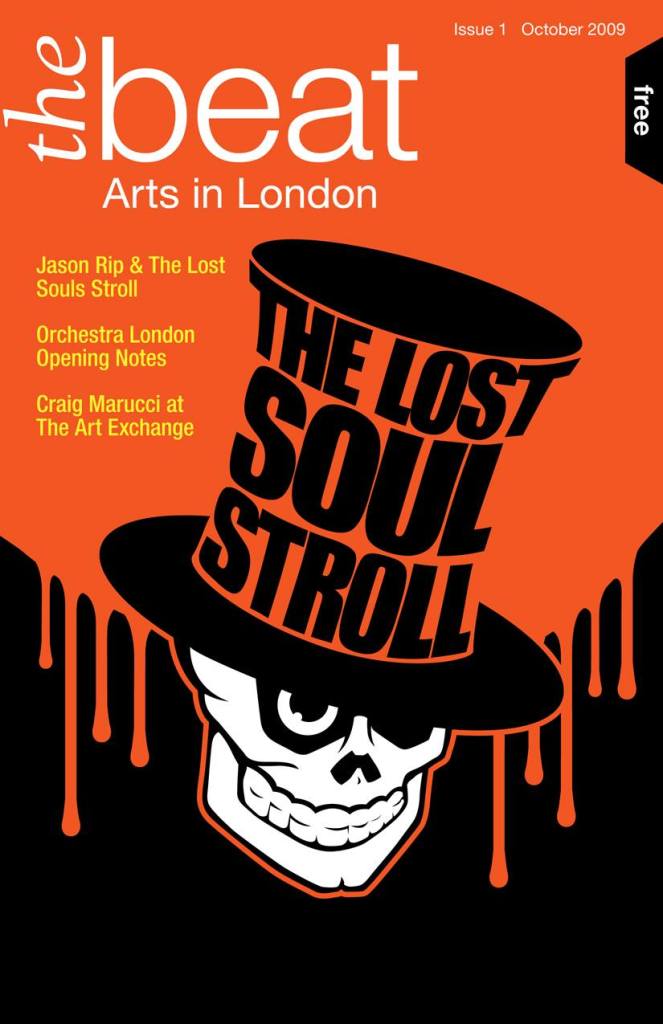
(Pictured: The Beat Arts In London, Issue 1, October 2009. Cover Art by Lionel Morise)

After a nine-year hiatus, I recently revived The Beat Magazine, an independent arts magazine I founded and published from 2009 to 2013, as The Beat Magazine 2025 website.

Since then, several of my peers and contemporaries have asked me one simple question: Why?

It’s a question I have asked myself many times over the last few weeks.

First and foremost, my reason for doing so is my humble attempt to make up for the lack of local arts and culture coverage in the mainstream media over the last several years. Frankly, I think this is criminal in a city the size of London. London and area creatives deserve better.

As one of our volunteer writers, Dawn Lyons, sums it up:

“London’s arts scene is alive with talent, creativity, and passion. It’s full of amazing artists across disciplines who continue to create, perform, and inspire, often without the recognition they truly deserve. I see The Beat Magazine 2025 as a way to showcase that energy and help connect people in the community with the incredible work happening around them.”

Much like the former print publication, the website provides timely, informed local arts news and commentary, and previews and reviews of local arts events. It also includes profiles of the area’s creatives and arts and culture venues. It is ad-free, and subscriptions are free. 

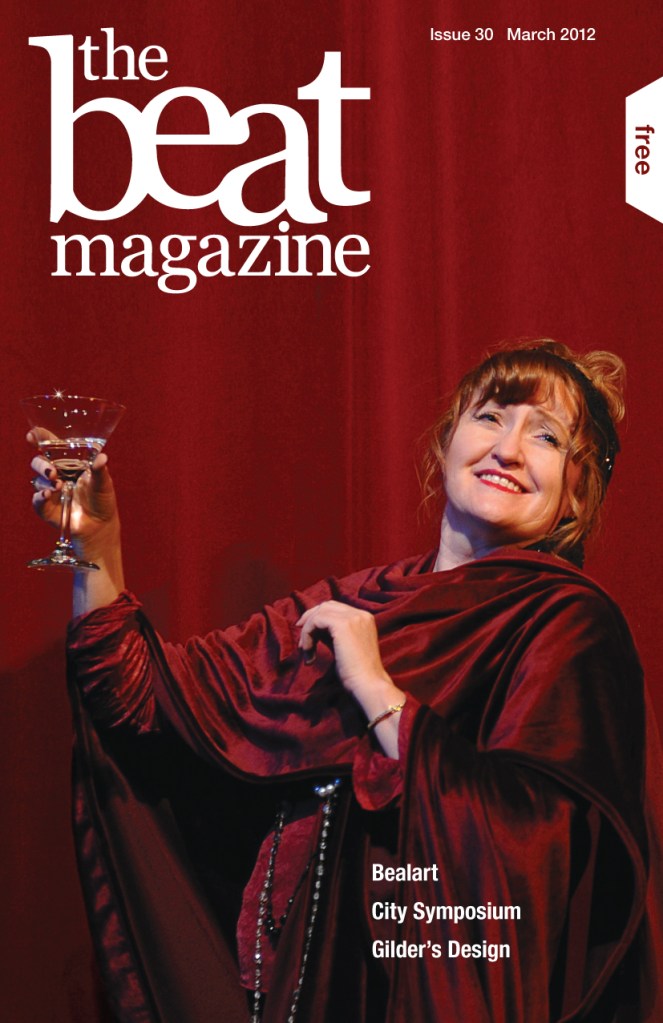
(Pictured: The Beat Magazine, Issue 30, March 2012. We featured Ceris Thomas on the cover. Ceris was appearing in The Drowsy Chaperone, then playing at the Palace Theatre.)

Second, simply because I want to.

Since the print magazine folded in the summer of 2013, I have kept myself busy doing many things.

I wrote freelance for a variety of local print publications, including Lifestyle Magazine, Business London, London, Inc., Professionally Speaking (Ontario College of Teachers), Scene Magazine, and the Villager Group of community magazines.

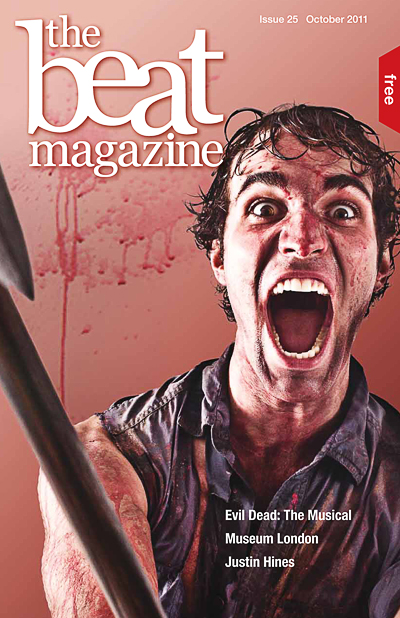
(Pictured: The Beat Magazine, Issue 25, October 2011. This cover, featuring a cast member from Evil Dead: The Musical, proved to be one of our most popular ones. We had difficulty keeping our stands stocked!)

I worked part-time/casually at a well-respected London Advertising & Marketing agency, writing copy about heavy industrial machinery. Talk about a learning curve! I thank owners Robert Adeland and Mina Thaler for their patience in teaching me the ins and outs of large cranes, dump trucks, excavators, and the like.

From December 2022 until August 2025, I was the Publicity and Program Department Head for Silver Spotlight Theatre, London’s theatre company that gives those 55 and older a chance to sing, dance, and perform on stage or backstage.

Most recently, I have served on the London Public Library’s Historic Sites Committee, the body that erects plaques around the city commemorating people and places of local historical significance. One project I take particular pride in is an Interpretive Sign Celebrating Wonderland Gardens’ Contribution to London’s Music History, which I prepared in collaboration with the City of London Culture Office. It will be officially unveiled on a date TBD.

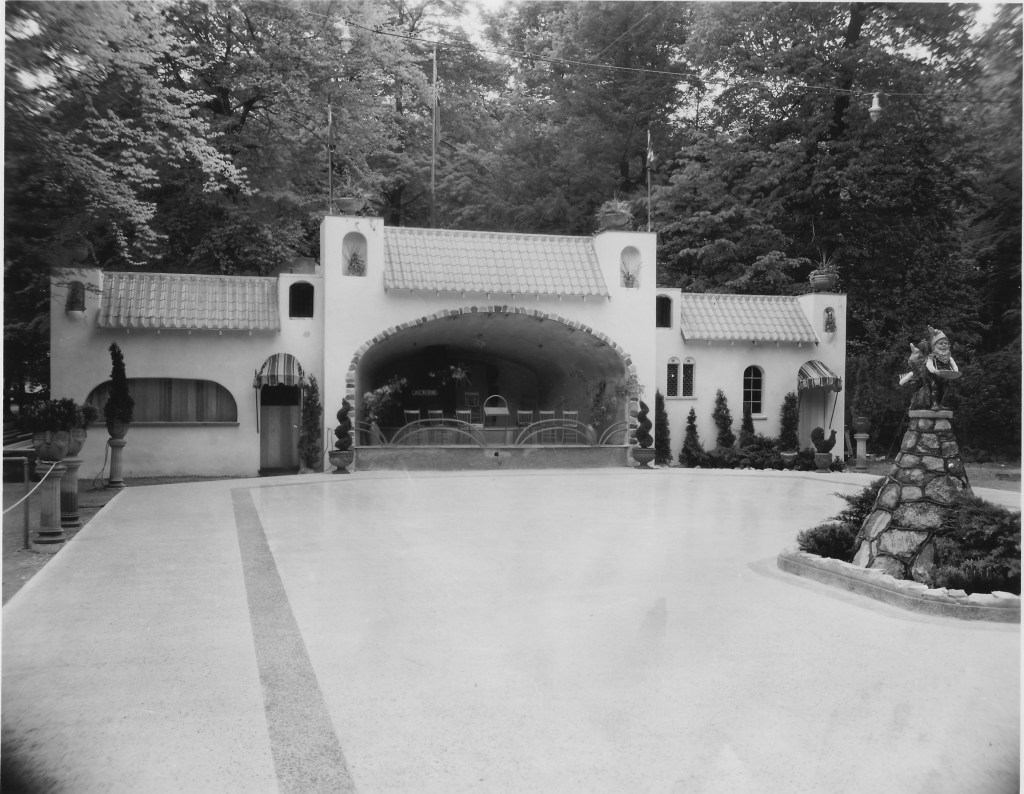
(Pictured: The original Wonderland Gardens Outdoor Bandshell. Wonderland opened on May 24, 1935.)

That brings me up to the summer of 2025.

An unexpected medical diagnosis of Chronic Kidney Disease in July forced me to reevaluate many aspects of my life.

First and foremost, was changing my dietary and exercise habits. Gone are all processed foods, fast foods, and those with high levels of sodium and potassium. No more putting off going to the gym at least three times weekly.

Second, was relieving those things that cause me mental stress and unnecessary anxiety.

At my age (70-something), I decided that I want to fully re-engage with the local arts and culture community, rather than focusing on one aspect of it with my involvement with Silver Spotlight Theatre.

I also want to work at my own beck and call and not be accountable to others who may not always share my at times unbridled enthusiasm and relentlessness.

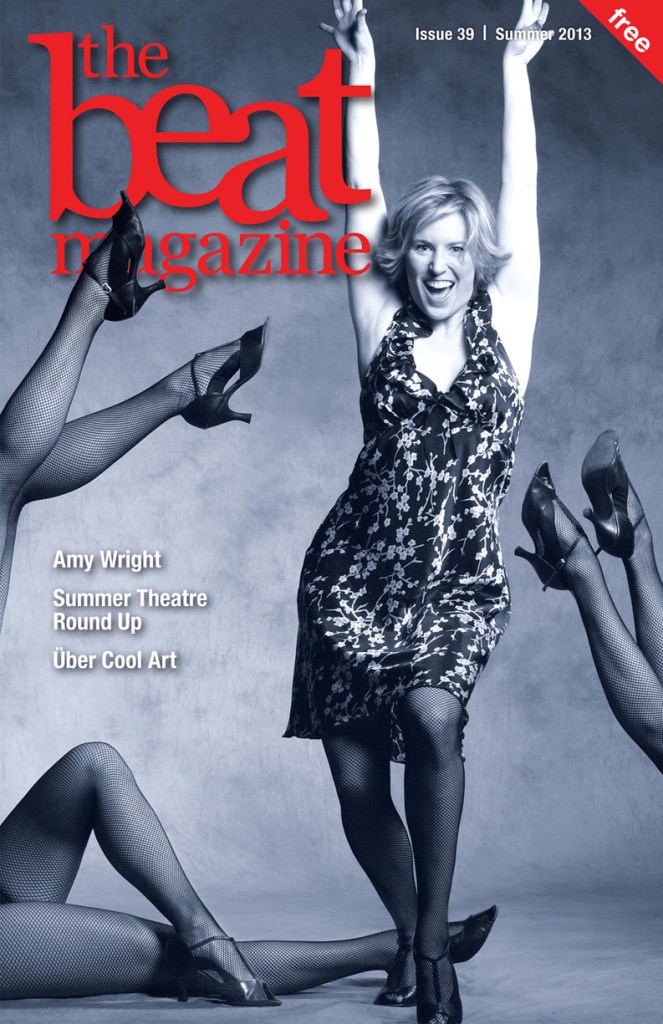
(Pictured: The final issue of The Beat Magazine, Summer 2013, featuring London dancer and choreographer, Amy Wright, on the cover)

In short, reviving The Beat Magazine seemed to be the best course of action to follow at this point in my life.

Has it taken up a lot more of my time than I thought? Hell, yes! But it’s my time and I love it.

Is there any financial return? Hell no! It’s strictly, to use the old cliche, a labour of love.

So, welcome to the new Beat Magazine in the form of The Beat Magazine 2025 website!

Let us know what you would like us to cover.

Let us know if you would like to volunteer some writing about the local arts and culture scene.

Let us know how we’re doing.

Let us know what’s working and what’s not working.

Contact me at richardyoung@thebeatmagazine2025.ca

Thanks for taking the time to read this.

Richard Young, Publisher & Content Manager, The Beat Magazine 2025, https://thebeatmagazine2025.ca/

Addendum: Since going live in mid-August, the site has accumulated 4,007 Views and 2,901 Visitors.

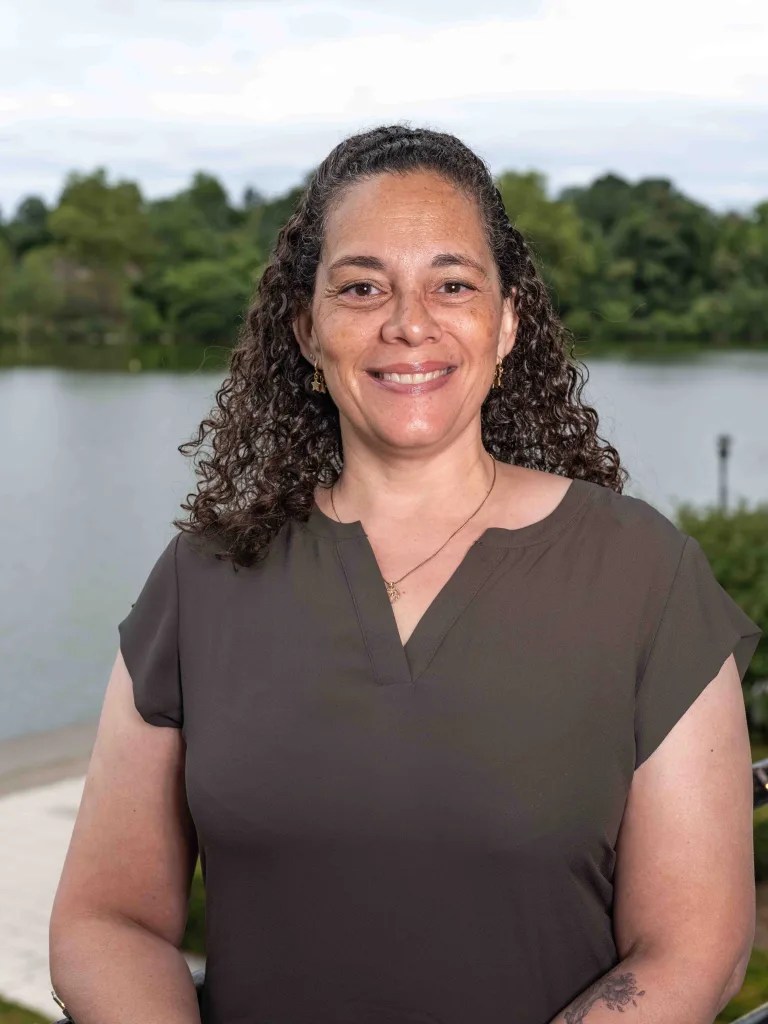
Meet The Beat Magazine 2025 Writer: Dawn Lyons

The Beat Magazine 2025 is honoured to welcome Dawn Lyons as a volunteer writer. Dawn has an extensive journalism background and previously wrote for The Beat Magazine print edition (2009-2013). Dawn is ready to connect with those amazing artists across disciplines who continue to create, perform, and inspire, often without the recognition they truly deserve.

Name and Occupation
My name is Dawn Lyons. I currently work as a grant writer for nonprofits, after spending many years as a copywriter and freelance journalist.

Background and Experience
I started out as a copy editor in advertising, which somehow led to a career in copywriting for various types of businesses around the world. Over the years, I’ve also worked as a freelance journalist, contributing to publications such as Metro NewsFIVE MagazineThe Middlesex BannerLondon Community News, OurLondon.ca, and The Beat Magazine, with many front-page features. I’ve also published creative nonfiction in Thrive In Life magazine. Writing has always felt like a natural career path for me — I was in love with books before I even started school, and I was writing stories and poems as early as second grade.

Past Arts & Culture Writing Activities
Much of my freelance work focused on community news and events, but some of my most rewarding assignments came from profiling actors, directors, musicians, artists, and writers for The Beat Magazine’s original print publication. It was a wonderful way to reconnect with London’s arts scene, which I had been part of in my younger years through theatre, music, and writing competitions, but stepped away from once I started university.

Why am I volunteering as a writer for The Beat Magazine 2025?
Writing for The Beat was one of my favorite freelance experiences, so I was sad when it ceased publication. I’m thrilled it’s back and to be writing for it again. London has such a vibrant and deeply talented arts community, but sometimes it feels like an underground, best-kept secret that deserves to be more widely known, experienced, and celebrated. I believe The Beat plays an important role in giving artists and community artistic organizations the attention they deserve, especially when local mainstream media doesn’t always shine that spotlight. I’m happy to contribute to that mission.

Thoughts about the London arts and culture community
London’s arts scene is alive with talent, creativity, and passion. It’s full of amazing artists across disciplines who continue to create, perform, and inspire, often without the recognition they truly deserve. I see The Beat as a way to showcase that energy and help connect people in the community with the incredible work happening around them.

Anything else readers should know about Dawn Lyons?
In addition to grant writing, I continue to write poetry and creative nonfiction, and I’m an aspiring lyricist, fascinated by how the right words woven into music can carry so much impact. I also maintain an online memorial to celebrate one of my favorite songwriters, Lisa Marie Presley, whose creative talents were deep and meaningful, but often overlooked.

If you are interested in becoming a volunteer writer for The Beat Magazine 2025, please contact Richard Young, Publisher & Content Manager, at richardyoung@thebeatmagazine2025.ca. We are seeking writers and reviewers for local music, visual arts, fiction, poetry, and prose.