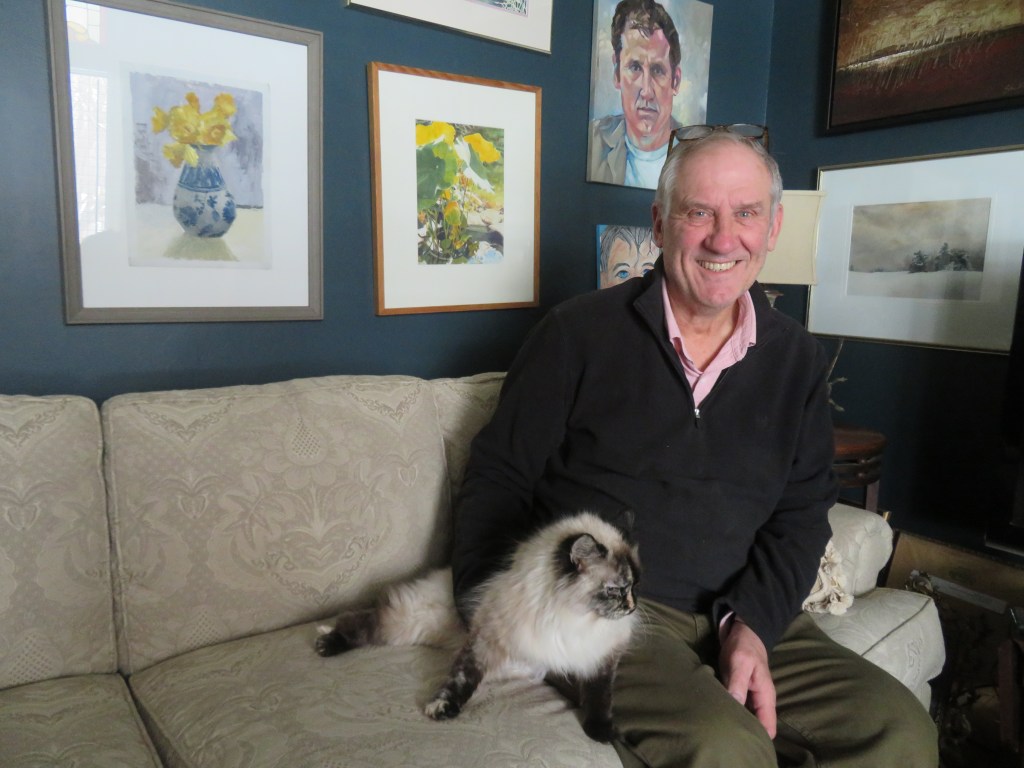
David Long – A Life In Apples, Advocacy and Community Theatre

By J. Bruce Parker

(Pictured: The Palace Theatre’s David Long.)

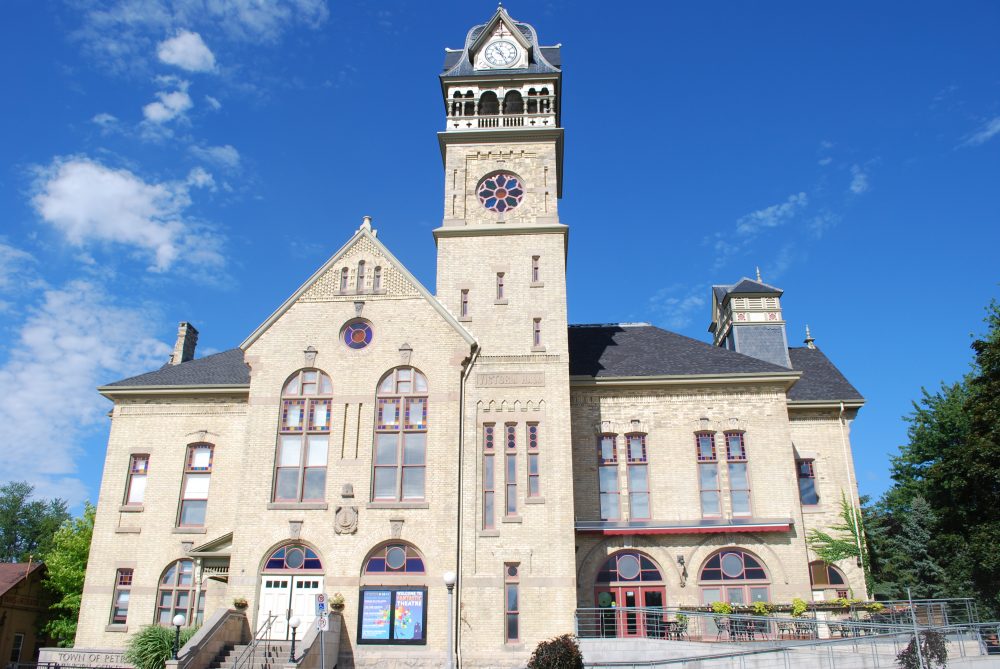
The Palace Theatre, constructed in 1929 as a venue for silent movies and designated by the City of London in 1991 for its historic or architectural value or interest, remains a focal point in London’s Old East Village for quality theatre. It is the home of London Community Players, London Youth Theatre Education & London Fringe.

This historic venue is divided into two stages, the 75-seat Procunier Hall and the 350-seat David Long Stage.

Often, a stage is named after a beloved but deceased benefactor, actor, producer, or director. However, David Long is still with us, with a 47-year history associated with the London Community Players.

I recently met up with David at his home in East London. Over coffee and banana bread and surrounded by a lifetime’s collection of artwork and plates, we discussed the trajectory of his life.
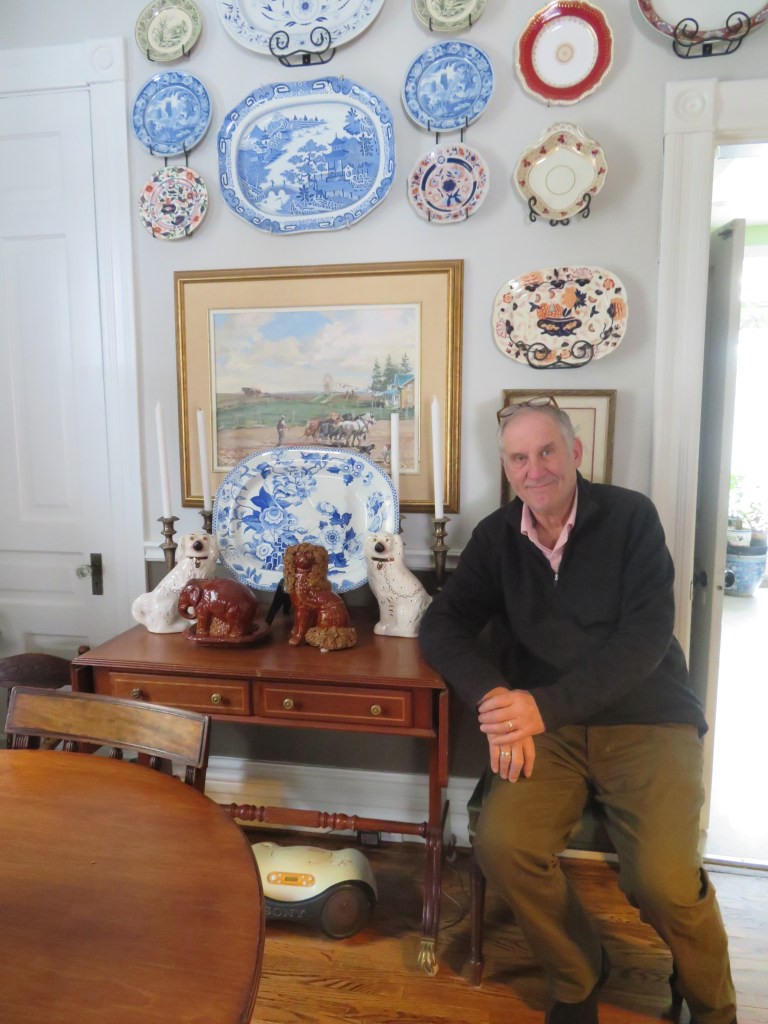
(Pictured: David Long.)

The Long family’s ancestry in London dates back to 1850. At some point, according to David, family members “dispersed around the city.” David’s great-grandparents purchased land in the vicinity of Commissioners Road and Andover Drive. His father established Wood Lynn Farm Market, with various venues in the city. The Longs owned 300 acres of apples alone.

Wood Lynn Farms would become the first ‘pick your own’ orchard in Ontario. A pre-teen David was conscripted to wait at the gate and hand out a flyer to incoming customers, offering smiles as well as both prices and the ‘rules’ of the orchard. No overfilling, and there were trunk checks. At the time, a bushel of apples cost $1.50. This was long before ‘controlled atmosphere storage’ of apples, and so three generations of the Long family were involved during the narrow apple picking season, which would run from September into the Thanksgiving weekend of October. David proudly adds, “They were lined up on Oxford Street.”

David Long stayed true to his original neighbourhood, where his family home was established in 1935, just three houses from the Brick Cemetery. In 2010, ‘Friends of Brick Street Cemetery’ was established to provide guardianship to the eternal home of over 750 souls, and David Long got on board. The first burial occurred in 1813, 13 years before the City of London was established.

The organization researched the names of those under the soil and began repairing and re-erecting tombstones. According to David, “one third of the stones were on the ground, one third were leaning, and one third were still standing.” David was dubbed with the nickname ‘Jigsaw’ as it was his task to reassemble broken tombstones with both cement and epoxy. There was also the painstaking effort to clean the fronts of the stones without diminishing the lettering.

It was at York University in the 1970’s that David enrolled in a theatre program. . His desire to study theatre was built upon his drama experience in high school, which included a role in a production of the classic “Arsenic and Old Lace.”

But a year in university was enough, and he eventually returned to London after a bit of a tenure working in a paint store in Stratford.

It may or may not have been a synchronistic moment, but David’s return coincided with the beginnings of the London Community Players. He had invested a year’s worth of training in drama, and now a new theatre back home was opening.

The genesis of the London Community Players began with former members of ‘London Little Theatre’ as well as some passionate and earnest local actors. Productions began at the Gallery Theatre established at 36 York St. Their focus was Canadian-written plays, and 35 were performed between 1974 and 1978.

David leapt in and was cast in “Norman, Is That You?’ London’s first ‘gay’ play, a work David regards as a “bit of fluff,” but an important piece of theatre in recognizing and accepting London’s gay community. This was 1977, and London Free Press theatrical reviewer, Doug Bale, who could run roughshod over a local production, answered the question “Is London ready for gay plays?” with a resounding “Yes”.

David’s talents were also recognized in his ability to design and create sets. “My one grandfather built houses, and my other grandfather painted houses. I think I get my building skills from one and my painting skills from the other. The theatre discovered that I could build sets, and so that was the end of my acting career.”

As David was settling back into the theatre in his hometown, ‘HALO,’ the Homophile Association of London, Ontario, was establishing itself as a community club at Colbourne and Pall Mall streets. When David came out as a gay man in the late 70s, he had the support of his family, specifically from one of his grandfathers, who stated, “I knew people like that at Beal in the 1920s, and it didn’t bother me then, and it doesn’t bother me now”.
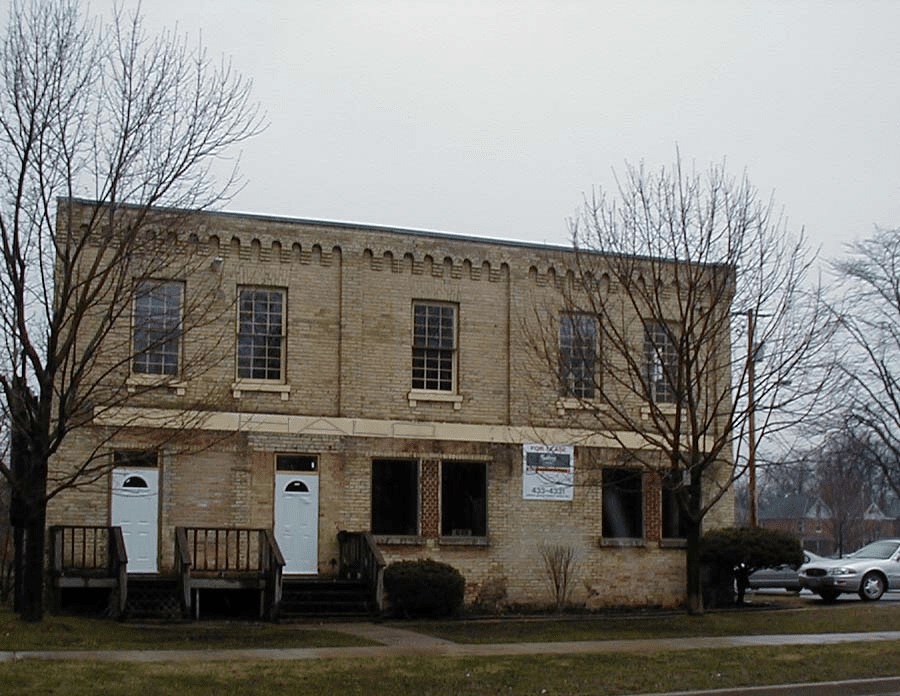
(Pictured: HALO Building, Colborne and Pall Mall Streets, London, ON.)

David eventually became president of the HALO club at a time of social intolerance of homosexuality. He was often the subject of homophobic slurs as he entered the front door, as well as dealing with vandalism in the form of broken windows, which were eventually boarded up. He recalls, “The music didn’t stop, and the dancing didn’t stop, so the club persevered and survived.”

This was a time when the former mayor of London, Diane Haskett, refused to proclaim ‘Gay Pride’ at City Hall as it was against her Christian values. She was eventually overruled by the Ontario Human Rights Tribunal, and the gay pride flag was flown over city hall. The HALO centre was the hub of the largest gay community in Canada, struggling yet surviving.

David recalls, “There were always lineups to get in. We had double-door security to protect our patrons. We always had Western (referring to the University of Western Ontario). The thing with the gay community at UWO was that everyone was here for four years. They would arrive, they came out, came to HALO, and they left when they graduated. There was always this kind of turnover.”

By the early 90s, within the gay community of London, HIV/AIDSwas creeping in. This disease was largely ignored by the media as well as American President Ronald Reagan. made its impact in London.

John Gordon was the first man in London to come out about his diagnosis of AIDS in South Western Ontario, and his death and legacy were the cornerstone of the creation in 1992 of the `John Gordon Home’, a Victorian-style residence on Dufferin Ave, which became a hospice. Tenants were cared for by a team of 30 volunteers (myself being one). The bedrooms of the building were remodelled, offering an individual design to each of the eight. David Long coordinated the renovation. He eventually found himself on the board of the John Gordon Home and was the representative of JGH to the Aids Committee of London. David knew the first residents, the first to arrive and the first to go to spirit.
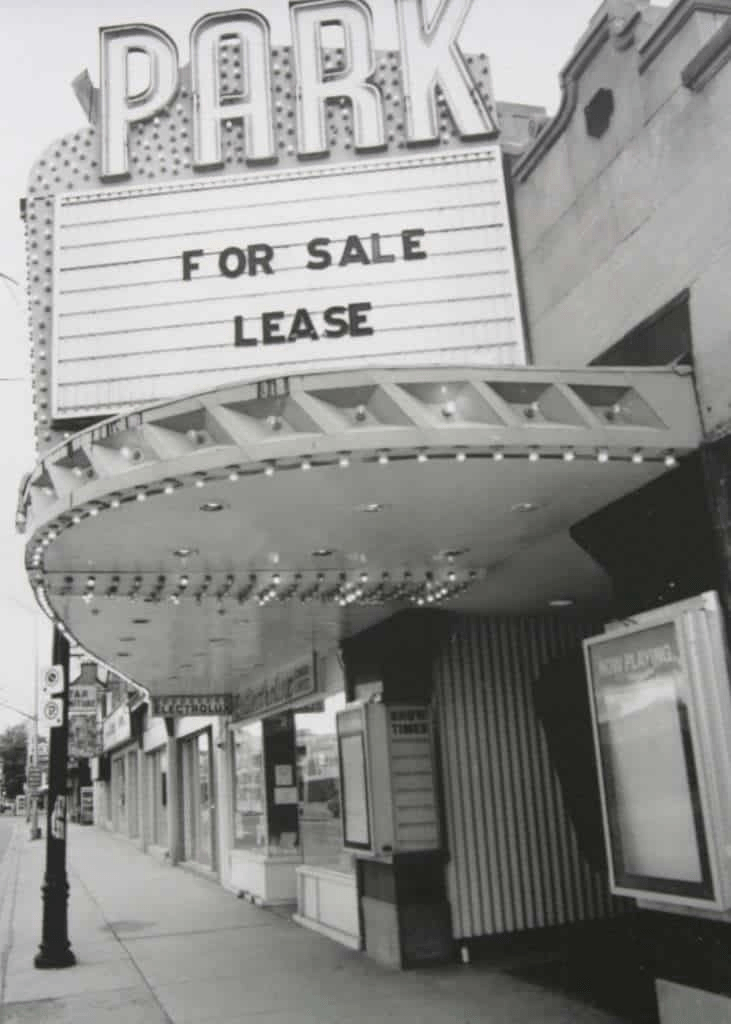
During the same period, the London Community Players were growing. With his long-standing work with the theatre, David became part of the Board of Directors. There was this notion to physically expand the theatre as it grew, but it was David Long who noticed the ‘For Sale’ sign at the Park Theatre in East London. There was an existing stage as well as seating for up to 400 people, and in short order, the deal was closed, and the Park Theatre was purchased in December of 1990.

Renovations happened quickly, with backstage areas including dressing rooms being constructed, with the first play opening in July of 1991.

David reflects. “Looking back over the years, some of the plays we have done there have been mind-boggling.’ He adds, “It is community theatre, but you balance the events. You have people who want the light entertainment, and you have people who want to be entertained, challenged, and educated.”
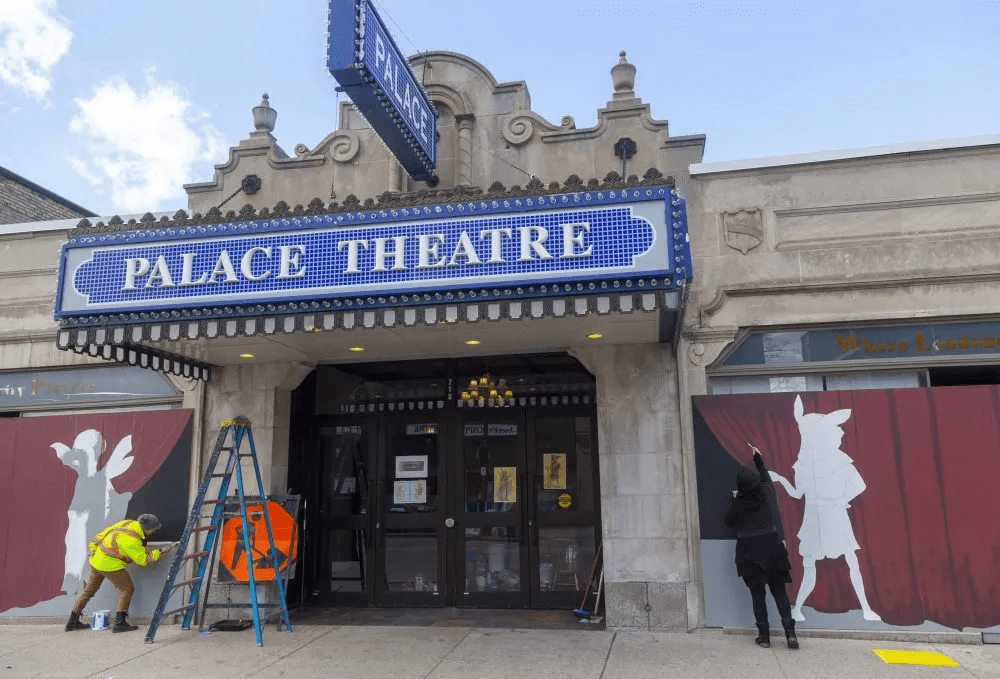
Now in its 51st season, The Palace Theatre continues to present engaging theatre to the London public. But community theatre has always had its challenges.

There is the issue of operating on tight budgets and high production costs. There is a reliance on volunteers, who may come and go. Casting actors has its own issues of scheduling conflicts as well as finding actors with the right skills. You also have to find a balance to produce safe and popular shows which guarantee the sale of tickets up against bringing in challenging and thought-provoking work. Every town and city which has a community theatre is always under this threat.

The Palace Theatre has had its share of added challenges. London has a homeless population of over 2000, and the 700 block of Dundas Steet as David Long calls it is ‘ground zero’ for the problem of homelessness. The plight of vagrancy in London carries the issues of addiction, mental health problems and vandalism, which directly affects the Palace Theatre.

Windows have been broken, as well as break-ins and theft. There is open drug use on the block, which is a deterrent to potential theatre goers.

Providing security is expensive, as hundreds of dollars are required to secure each production, protecting the building as well as safely ushering patrons in and out.

David adds, “The social services provided here are overwhelmed, and the foot patrol can only do so much,” adding, “Theatre used to be in the parks and on the streets, and we just can’t do that now.”
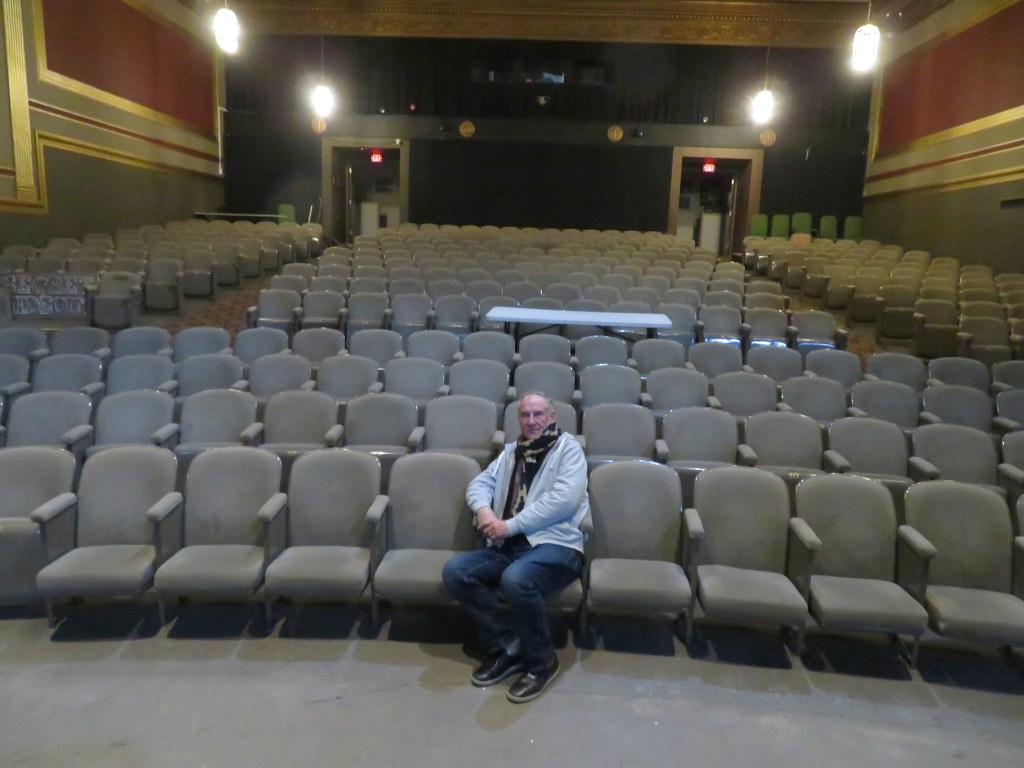
(Pictured: The Palace Theatre’s David Long.)

What is the future for Community Theatre?

“The future is challenging. There are theatre companies always closing down as they cannot adapt, change and survive. We need young people to get involved in theatre in multiple layers,” says David. He adds, “We used to sit and talk on breaks during rehearsals. Now everyone is on their phones. Cell phones are the worst invention which creates distractions from real communication.”

“There is this perception that we are an elite group of people. No, we are just trying to pay the rent and are open to any and all ideas for the stage. Give us something challenging, and we would love to do it. Let’s use Procunier Hall to do create something very ambitious.”

And what would be the ideal piece of theatre?

“Something in Procunier Hall, about 90 minutes long with no intermissions, no breaks, and no lapses with the actors and their connection to the audience”.

He slyly adds, “We shut the door for 90 minutes, and you can’t get out.”

David’s lifelong commitment to Community Theatre is reflected not only in the productions selected for the stage but also in the sets he thoughtfully designed and created. The David Long Stage that proudly bears his name stands as a fitting and enduring tribute to his dedication, creativity, and lasting impact.

To learn more about the Palace Theatre Arts Commons and its productions, visit Palace Theatre Arts Commons | London ON Community Theatre

By J. Bruce Parker

J. Bruce Parker is a retired oncology nurse. As an avid cyclist, he crossed the country by bicycle in 1991 and still explores Ontario’s north via canoe trips. He has published a short story based on his camping experiences.

For over 20 years, as a citizen scientist, he was involved with Monarch Watch, an organization that monitors the annual migration of the Monarch butterfly. He has written about this species and other articles on nature for The Cardinal, Nature London’s quarterly magazine.

For more information about Nature London and The Cardinal, visit https://www.naturelondon.com/the-cardinal/

He is documenting his ongoing friendship with Canadian poet bill bissett, which he hopes to eventually publish. 

Bruce has been writing articles for Villager Publications since 2022. To read samples of Bruce’s writing, visit https://www.villagerpublications.com/
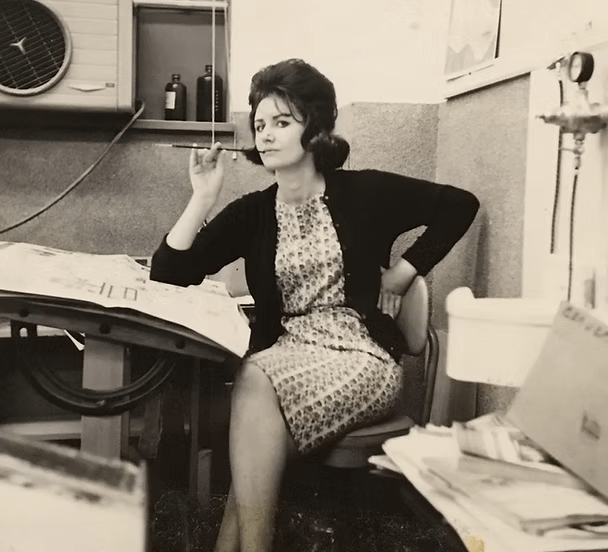
Drawing on the Past: Smashing Fashion! The 60s Illustration of Bonnie Parkinson.

Reviewed by Beth Stewart

London artist Bonnie Parkinson began her career as a commercial artist in the 1960s before turning to fine art in the 1980s and ultimately making her mark in both worlds. Smashing Fashion! The 60s Illustration of Bonnie Parkinson, which runs to January. 10, at TAP Centre for Creativity, is all about her commercial beginnings but with a contemporary twist.

Visitors are treated to 29 pieces, including seven of Parkinson’s original full-page ads from her time working at the London Free Press (LFP) and at Eaton’s, as well as twenty-two 60s-influenced pieces produced late in 2025.

(London Free Press, Special Fashion Section, Eaton’s ad 1969 detail. Courtesy of Bonnie Parkinson and Andrew Lewis.)

To fully appreciate the show, it is helpful to have a sense of the artist’s history.

Parkinson’s early career is a young artist’s dream. She was hired while still in her final year of the Special Art Programme at Beal to work part-time in the art department of the LFP. Upon graduation in 1960, she transitioned to the LFP’s full-time fashion artist.

Ladies’ fashion was in its heyday. Parkinson recalls, “At that time, London had many independent women’s fashion stores; my job was to do all these different stores, but each with a distinctive style.”

In 1964, she left the LFP to work for the T. Eaton Company (Wellington Square, London, Ontario). Between 1967 and 1968, she worked with Canadian fashion designer Marilyn Brooks at The Unicorn (Clarence St., London, Ontario) while continuing to freelance for Eaton’s in the evenings. From 1973 to 1974, Parkinson worked full-time at the Total Marketing Advertising Agency, London, Ontario. Then, in 1979, she was hired by Fanshawe College to teach illustration as well as life-drawing to fashion design students.

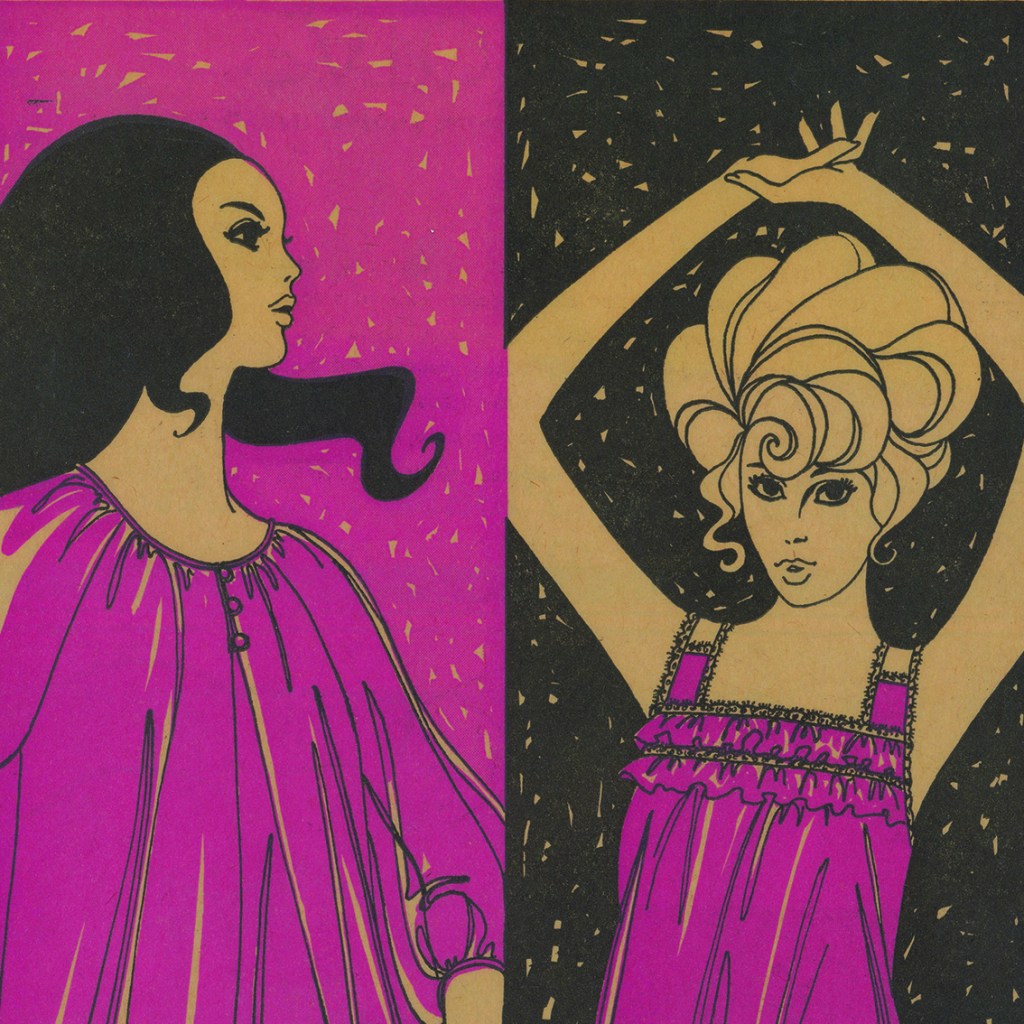
(Eaton’s ad 1968, fashion duo in fuchsia detail. Courtesy of Parkinson and Lewis.)

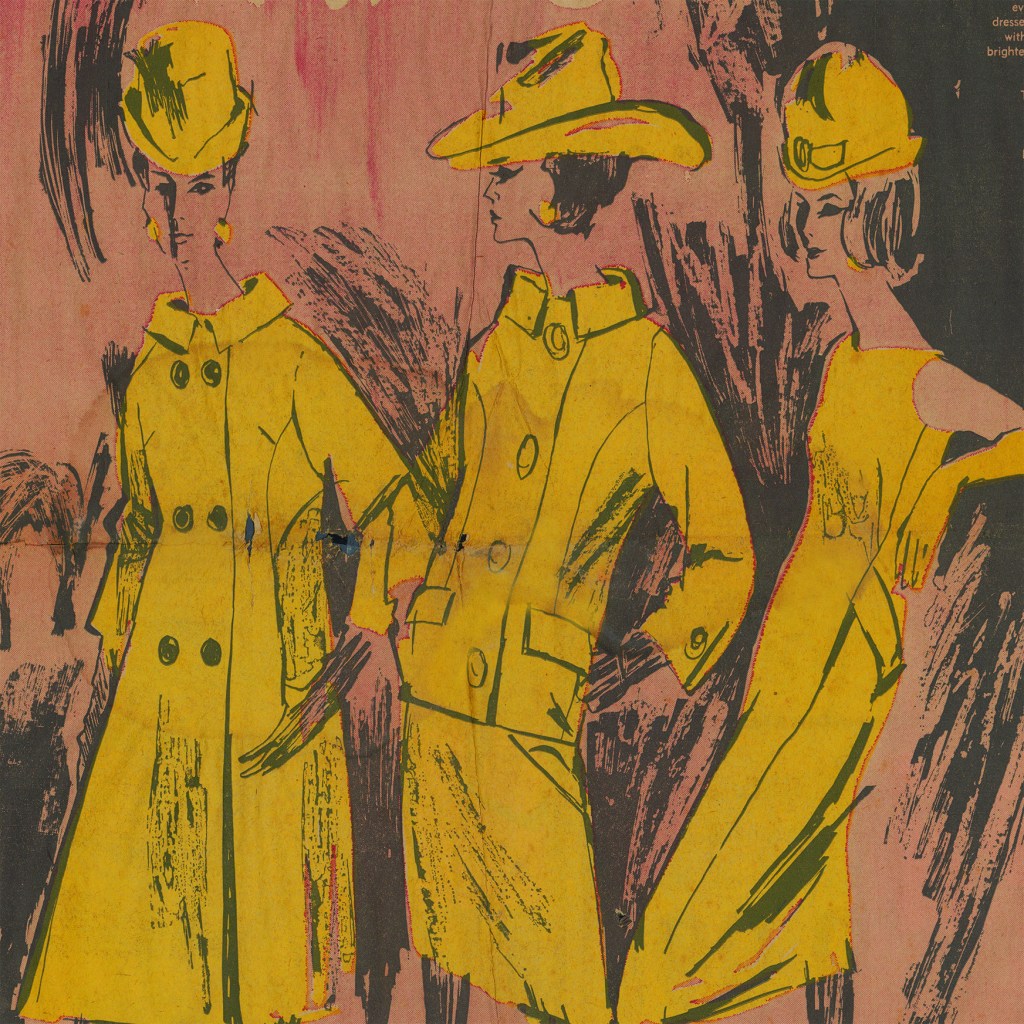
Parkinson describes her early illustrations as stylized and heavily influenced by the 60s phenomenon. It was an exciting time, and she met it with gusto. She drew directly on paper with a fine line marker, no pencil sketch first, and just put down what she saw. The emphasis was on the designed page, bold colour, and elegant lines.

In 1982, at the age of 40, Parkinson left commercial art entirely to paint full-time. Since then, Parkinson has been a constant in the arts community, exhibiting both locally and elsewhere.

(Eaton’s ad 1963, fashion trio in yellow detail. Courtesy of Parkinson and Lewis.)

What prompted Parkinson to put this Smashing Fashion! exhibition together? After 40-plus years as a painter, why did she circle back to fashion art at this point in time? Parkinson credits artist Andrew Lewis.

Lewis approached her in October 2025 with the idea for this show. He thought it was important to show the advertising fashion work that had been done right here in London, Ontario, as art. Parkinson agreed.

She quickly discovered that to do new illustrations of 60s fashions, some sixty years later, took some serious resetting. On top of this, it took a while for her to get back to pen and ink.

She also did an online refresher of the wild and crazy 60s Fashions.

(Bonnie Parkinson’s new illustration of swinging London England’s fashion icon Jean Shrimpton.)

Smashing Fashion! occupies the front two rooms of TAP that comprise Lab 203. It is an intimate area that is well used by Parkinson. The art is simply hung with minuscule magnets for maximum impact.

The full-page ads from the LFP are nostalgic nods to a once vibrant industry. Parkinson’s new illustrations effectively invoke the fashion sense that was part of the 60s’ cultural revolution, but in a less stylized manner and with more attention to detail in the fabrics. As a whole, the 2025 pieces present a veritable rogues’ gallery of the 60s with Andy Warhol, Cher, Jean Shrimpton and Twiggy amongst leggy young things sporting an array of bold patterns and designs.

(One of Parkinson’s new illustrations of 60s clothes.)

Smashing Fashion! The 60s Illustration of Bonnie Parkinson runs to January 10. A Meet the Artist reception is planned for Saturday, January 3, from 1 to 3 pm. It’s a hip way to start the New Year.

For more information about this exhibition and others at TAP Centre for Creativity, visit https://www.tapcreativity.org/

Follow Bonnie Parkinson on Instagram https://www.instagram.com/bonnieparkinson_artist/?hl=en

Reviewed by Beth Stewart

Web: https://bethstewart.ca/

Facebook: https://www.facebook.com/profile.php?id=100009620916363

Introducing The Elgin Theatre Guild

This is the third in a series of Q&A Interviews with representatives of London area theatre companies and groups. Today, we profile the Elgin Theatre Guild in St. Thomas.

Q. When was your company founded? By whom and why?

The Elgin Theatre Guild was formed in 1967, thanks to community volunteers with a $500 loan arranged by founding member Noni McLean from her boss, the St. Thomas Times-Journal (Here’s a Link to a story about the Guild’s founding https://share.google/xl4fejULmWu1QDPqX )    

Q. Is your company best described as professional or not-for-profit community theatre?

Not-for-profit community theatre.

Q. What venue(s) do you use to stage your productions?

Princess Avenue Playhouse, 40 Princess Avenue, St. Thomas.

Q. Does your company have a Mission or Statement of Purpose?

To produce quality live productions through community theatre and rentals of the theatre venue for concerts and other arts-related presentations.

Q. Does your company have a Board of Directors and paid staff?

Elgin Theatre Guild is comprised of all volunteers, with an elected Board of Directors.

Q. Tell me about your 2025-2026 Season. Does it have any underlying theme?

The underlying theme is the Power of Friendship and Belief in one another.

Q. What show(s) will you be staging this fall (September to December)? Tell me a little bit about each.

Two classic stories about love, friendships, and miracles.

Steel Magnolias – Sept 18-28, 2025
By Robert Harling
The action is set in Truvy’s beauty salon in Chinquapin, Louisiana, where all the ladies who are “anybody” come to have their hair done. Helped by her eager new assistant, Annelle (who is not sure whether or not she is still married), the outspoken, wise-cracking Truvy dispenses shampoos and free advice to the town’s rich curmudgeon, Ouiser, (“I’m not crazy, I’ve just been in a bad mood for forty years”); an eccentric millionaire, Miss Clairee, who has a raging sweet tooth; and the local social leader, M’Lynn, whose daughter, Shelby (the prettiest girl in town), is about to marry a “good ole boy.” Filled with hilarious repartee and not a few acerbic but humorously revealing verbal collisions, the play moves toward tragedy when, in the second act, the spunky Shelby (who is a diabetic) risks pregnancy and forfeits her life. The sudden realization of their mortality affects the others, but also draws on the underlying strength—and love—which give the play, and its characters, the special quality to make them truly touching, funny, and marvelously amiable company in good times and bad.

rawpixel.com/create/design/01JYFEBGZH8MRY571MSTRBGZ1C

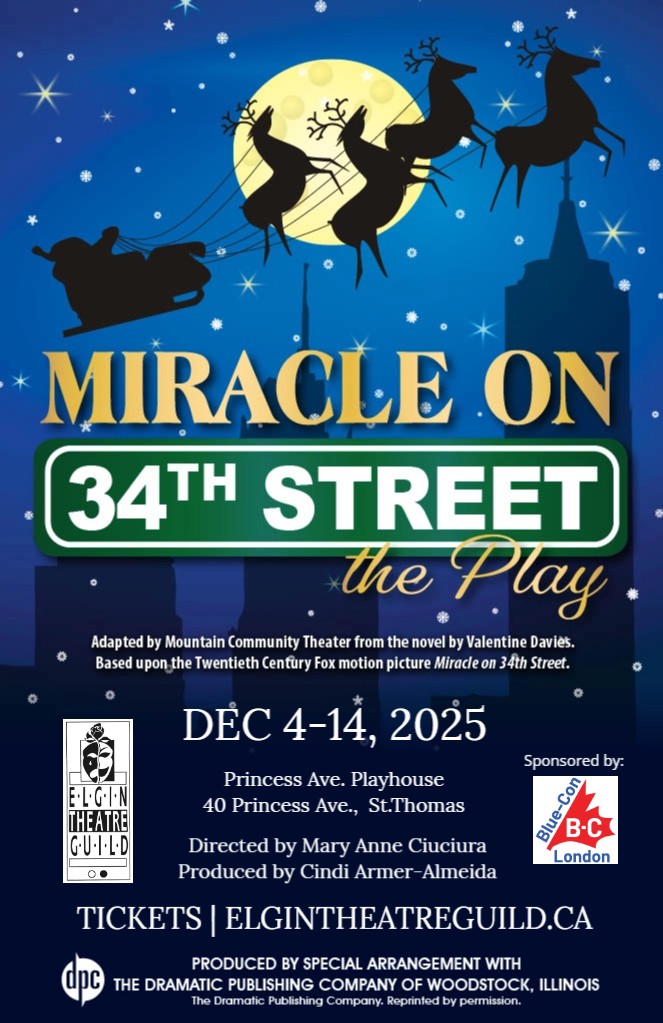
Miracle on 34th Street, The Play – Dec 4-14, 2025
Adapted by Mountain Community Theater from the novel by Valentine Davies.
Based upon the Twentieth Century Fox motion picture Miracle on 34th Street.“This is a tale that we want to believe in, that creates a world we seem to desperately desire, free of the blatant commercialism that surrounds us, where love and decency and generosity of spirit are their own rewards. What we want Christmas to be all about, really.” So writes the Santa Cruz Sentinel of this most heartwarming holiday story. By chance, Kris Kringle, an old man in a retirement home, gets a job working as Santa for Macy’s. Kris unleashes waves of goodwill with Macy’s customers and the commercial world of New York City by referring parents to other stores to find exactly the toy their child has asked for. Seen as deluded and dangerous by Macy’s vocational counselor, who plots to have Kris shanghaied to Bellevue Psychiatric Hospital, Kris ends up in a court competency hearing. Especially at stake is one little girl’s belief in Santa. In a dramatic decision, the court confirms Kris as the true Santa, allowing Susan and countless other children to experience the joy of childhood fantasy.

Q. Do you have any thoughts about the London area theatre community and your place in it?

We are proud to be part of the rich community theatre network in our area and look forward to building relationships and continued support of our fellow organizations

For more information about the Elgin Theatre Guild and to purchase tickets, visit https://www.elgintheatreguild.ca/

Q&A Profile Audrey Cooper & ArtWithPanache 

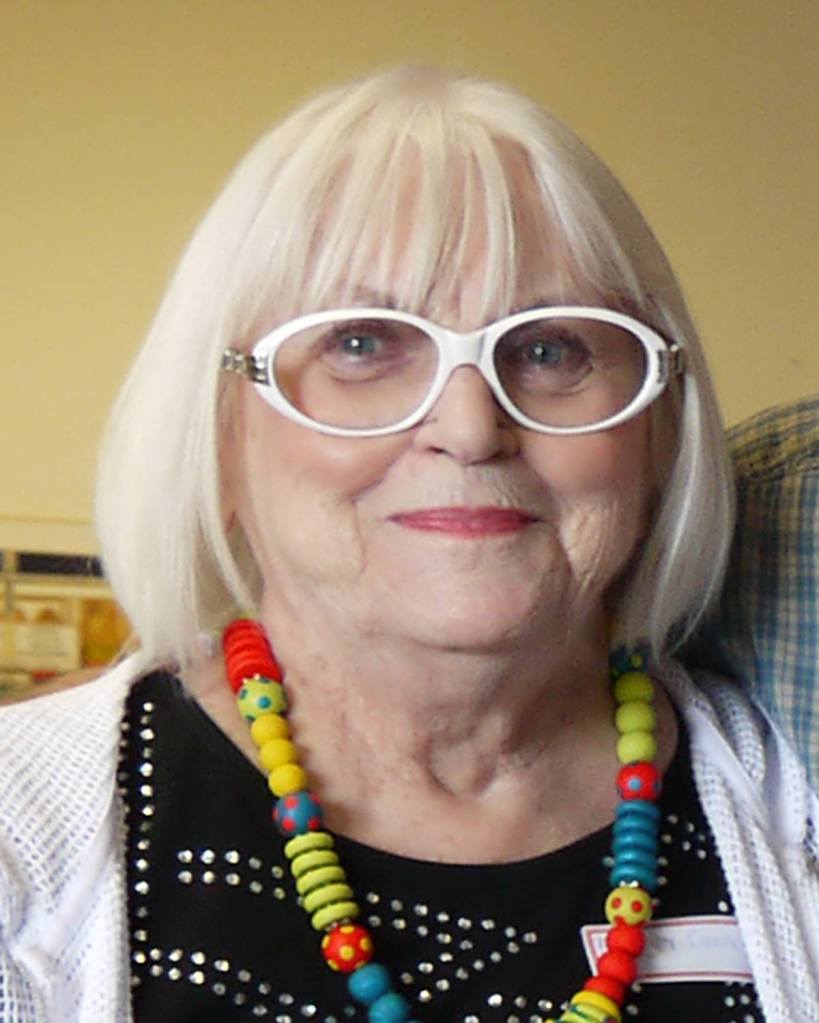
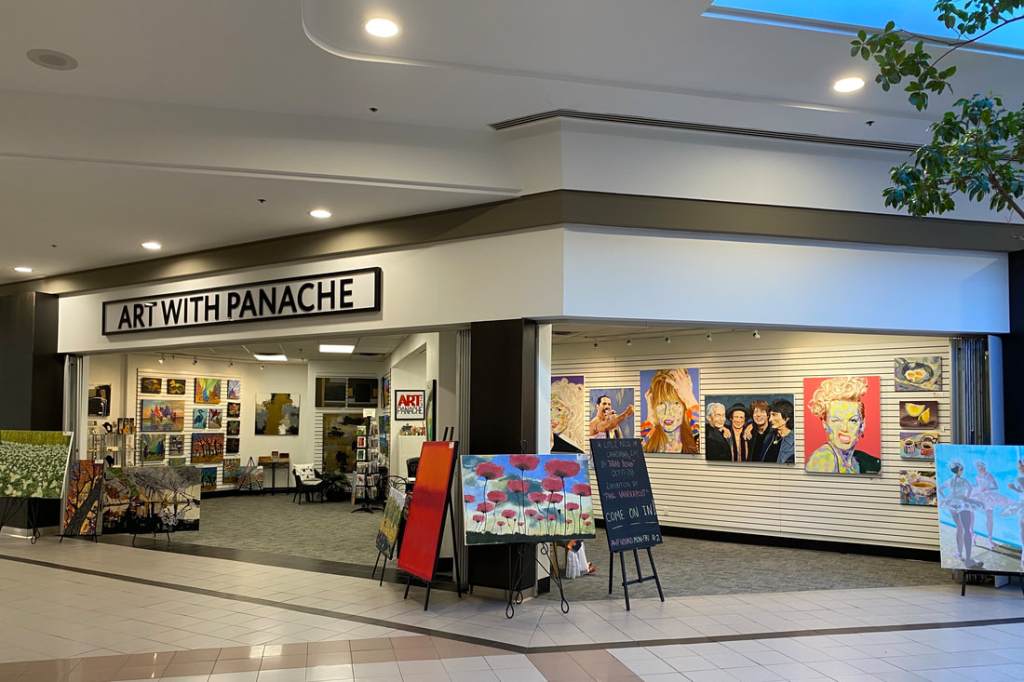
Soon-to-be ninety-eight-year-old Audrey Cooper is the proud proprietor and curator of London’s downtown art gallery, ArtWithPanache. The Beat Magazine 2009 recently spoke with Audrey about her gallery and what the future holds for her. 

What follows is an edited Q&A Profile. 

When did you open your gallery? What motivated you to open it? 

I opened ArtWithPanache in September 2013. I was given the opportunity to convert 2,000 square feet of retail space in the Talbot Centre in downtown London into an art gallery. So, I said, “Why not? I am only 86 and it sounds like fun.”  So, I signed up and never looked back. 

The real motivation behind it though was when I came to London and started to paint, there were no galleries here willing to take the risk of showing emerging artists. I gathered all the artists I knew, hung their art and away we went. Over time ArtWithPanache became a sort of hangout for artists who would drift in for artist talk and companionship and that continues until this day. We are the only gallery that encourages artists to spend time in the gallery interacting with clients. I do not know why; I love it. 

What is the significance of the gallery’s name? 

I am something of a word junkie and ‘panache’ to me conjures up pictures of cool fashions, 1920s art, and the fantastic background decor in black and white Fred and Ginger movies. 

Have you always been at your present location? 

Yes, the gallery has always been in the Talbot Centre, but because of renovations to the first floor we are in a different space on the first floor. 

What does “London Gallery Run by Local Artists” mean? 

AtWithPanache operates primarily as an ‘Artists Collective.’ Artists who become members of ‘Panache Artists’ are not charged for displaying their work in the gallery; however, they must exhibit at least two paintings at all times and are eligible for one complimentary solo exhibition annually. The gallery commission on sales is set at 5% lower than the standard ArtWithPanache rate. Participating artists are required to volunteer in the gallery for a minimum of two days per month. Gallery staff are always available to assist customers with purchasing original art and to engage in discussions about art with visitors or fellow artists. 

Do you have scheduled exhibitions, or is the artwork displayed on consignment for set periods? Or both? 

Panache Artists regularly exhibit in the gallery, and non-gallery artists are welcome to display their work for two- or three-week periods on commission. Art groups and clubs also participate. Currently, Portside Gallery from Port Stanley is hosting a show with us. 

September is a particularly eventful month for you, with the opening of a show featuring an Oh Canada theme. The gallery is celebrating its 12th anniversary, and you will mark your 98th birthday. May I ask if you have any special plans for the month? 

September will be hopping. The Oh Canada show opens on Saturday, September 20, from 12:00 until 4:00 with our artists’ heartfelt depictions of their love for Canada and what it means for them to live here.  Artists will be on hand to mingle with visitors; refreshments will be served and lots of other stuff going on. 

September 30 is our day to celebrate our 12th Anniversary as ArtWithPanache and my 98th Birthday with an Open House in the gallery. Refreshments and lots of fun and surprises, Join us please. 

I see you were named to. the City of London Mayor’s 2024 New Year’s Honorary List under Arts. Tell me how it felt to receive that recognition. 

Ha! I was completely gobsmacked and still believe there was a mistake made at City Hall. 

Is there anything else you think The Beat Magazine 2009 readers should know about Audrey Cooper and ArtWithPanache? 

Since I have packed in 98 years there is lots more to tell but you will need to drop into ArtWithPanache to find out. 

To learn more about Audrey and ArtWithPanache, visit https://artwithpanachelondon.weebly.com/

You can also follow ArtWithPanache on Facebook and Instagram. 

Marilu Murphy reviews Sexy Laundry at the Victoria Playhouse, Petrolia

As Act one begins and before the stage lights up, the air thumps with Ray Charles’s “Hit the Road Jack”. The audience sings along;

Hit the road Jack and don’t you come back
No more, no more, no more, no more
Hit the road Jack and don’t you come back no more
What you say?

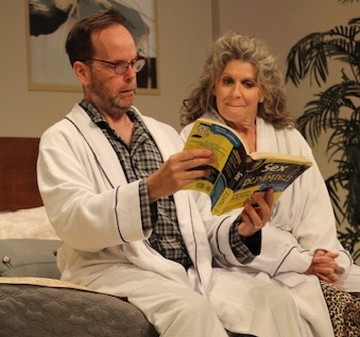
Alice, (played by Bernadette Taylor Dolha) is laying flat out on the bed with Henry, (played by Bernadette’s real-life husband, Andrew Dolha), who is trying his best to massage Alice into relaxation. Alice has plans to bring her and Henry’s love life back to the boiling point again – Hot and Sexy! The unmistakable yellow covered dummies book “Sex for Dummies” is close by and open. She’s asking Henry if he’s aroused while she guides his touch to her back and shoulders.

He’s not!

Sexy Laundry is now on stage at Victoria Playhouse, Petrolia.  A comedy about a married couple, it’s one that many in the audience will relate to, for better or for worse.

Alice has put a lot of effort into this weekend. She reserved a posh hotel, provided ambiance with fragranced air, sexy nighties and a will to reignite that spark in to a 25-year marriage. A marriage that produced three kids while busy with each one’s career.  So far, her endeavours aren’t working out so well. Finally, yes finally, there’s a spark of interest from Henry, a subdued engineer. He takes her reading glasses, picks up the book and skims through her marked pages. There may have been a few snickers and giggles in the audience up until they read out loud that they should give their private parts a name. The audience livens up while watching the two coax one another to go ahead and follow the books suggestion. Henry wanted nothing to do with Alice’s suggestion of Frank.  However, Henry’s interest does pique and with arms flailing and beating his chest, he yells out, that his name for his special part would be the almighty Caesar.  The audience roars.

To keep Henry invested in her plans, she asks him about his fantasy after she describes her own which includes two Italian gay waiters. Henry questions, “why gay waiters?”. The audience giggles at her descriptive rendition.  Her face contorts through the emotions as he describes his fantasy. It’s a description of a typical husband from the 50’s, it’s a perfect wife that waits on him and is always happy! He has great kids, a comfortable home, a good job and of most importance, he’s able to watch the news in peace. Henry obviously wants a no-fuss, easy life now. He’s got a bit of anxiety and just wants to chill. Alice, on the other hand, is feeling the need for desire and is fearful that she’s not attractive anymore, now that she’s in her fifties. She feels that she’s always competing against the nightly news for Henry’s attention.

It could be at this time when some of the couples in the audience are elbowing one another as they watch these feelings being portrayed on the stage.

In the second act, their crazy adventures continue with leather, leopard print and lace. The emotions between the two fly high and low as they hilariously battle out their indifferences. Finally, each one looks into their own mirrored reflection and they come to a very important conclusion.

I thoroughly enjoyed Sexy Laundry and most definitely see those same issues that affect us all at one time or another.  Bernadette and Andrew Dohlar were magnificent after the intermission.  They became stronger but more natural and drew their audience into their performance. There were side splitting comedic episodes between the two of them that were almost non stop. One was where Alice tried with all her might to release F-Bombs. Another was where Henry was pumping up his vibe and getting his groove on.

Michele Riml, a critically acclaimed playwright from Vancouver, British Columbia wrote Sexy Laundry after only 5 years of marriage.  Her play became a hit and is in 17 languages playing in Canada, the US and Europe. I found that to be quite fascinating.

I could easily see this performance again; it comes highly recommended.

Sexy Laundry is playing at the Victoria Playhouse in Petrolia from August 5 to August 21 at 2pm, and on August 22nd, there is a showing at 7:30pm. You can order tickets online at thevvp.ca or call the Box Office at 1-800-717-7694 or 519-882- 1221.

Photo: Andrew Dolha as Henry and Bernadette Taylor Dolha as Alice in Sexy Laundry. The married couple play a married couple! Photo by Diane O’Dell. 

Sexy Laundry
By Michele Riml
Performed by Bernadette Taylor Dolha and Andrew Dolha
Victoria Playhouse, Petrolia
August 5 to 22, 2025
Reviewed by Marilu Murphy

Note: This Review first appeared on the website Entertain This Thought, and it is reprinted with the permission of the reviewer. For more Reviews, visit https://www.entertainthisthought.com/