All Around Me, All Around You at Museum London: Hunter’s Eye View.

Reviewed by Beth Stewart
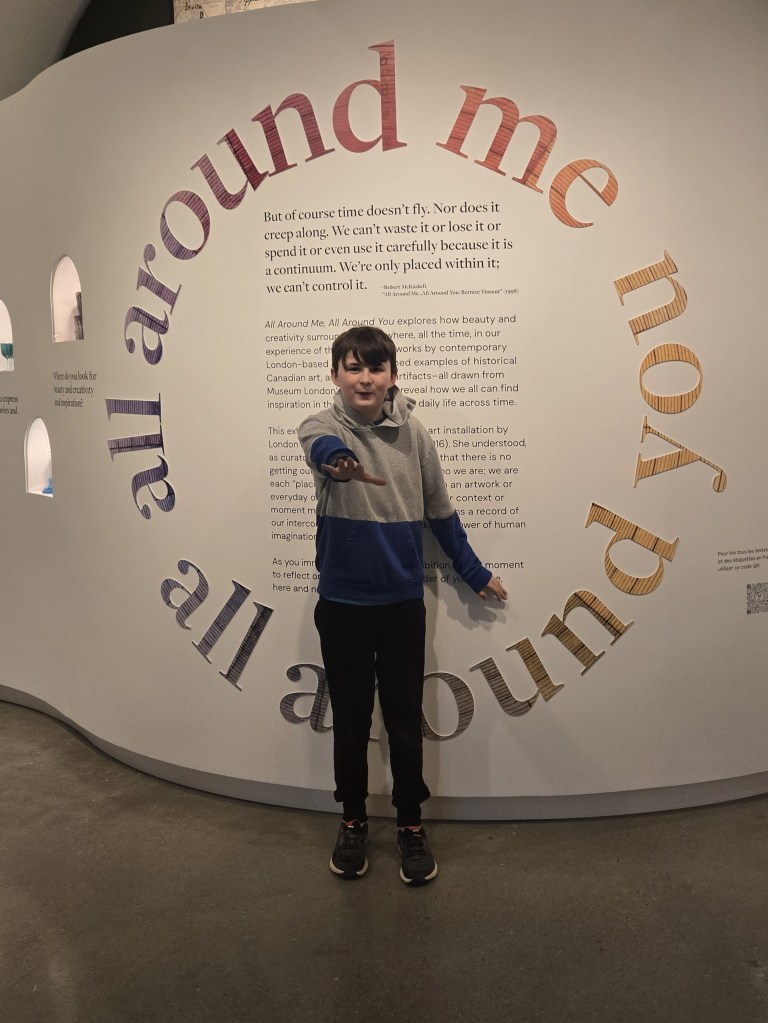
(Arrival at Museum London’s All Around Me, All Around You. Photo: Beth Stewart.)

During March break week, I revisited Museum London’s All Around Me, All Around You and experienced, for the first time, Tropi-X: Brazilian Art in Canada, 1970s-Now. I was accompanied by my eleven-year-old grandson Hunter.

All Around Me, All Around You features artworks and artifacts from Museum London’s permanent collection with an emphasis on the creative spirit of regional artists. It invites viewers to explore art at a sensory level as well as through memory, language, and symbols.

Hunter’s eye view was vastly different from mine, and I dutifully followed his lead.

We began with the “All Around Me, All Around You” exhibition, and the first piece that grabbed Hunter’s attention was Raymond Boisjoly’s text-based “As it Comes (Started Singing).”
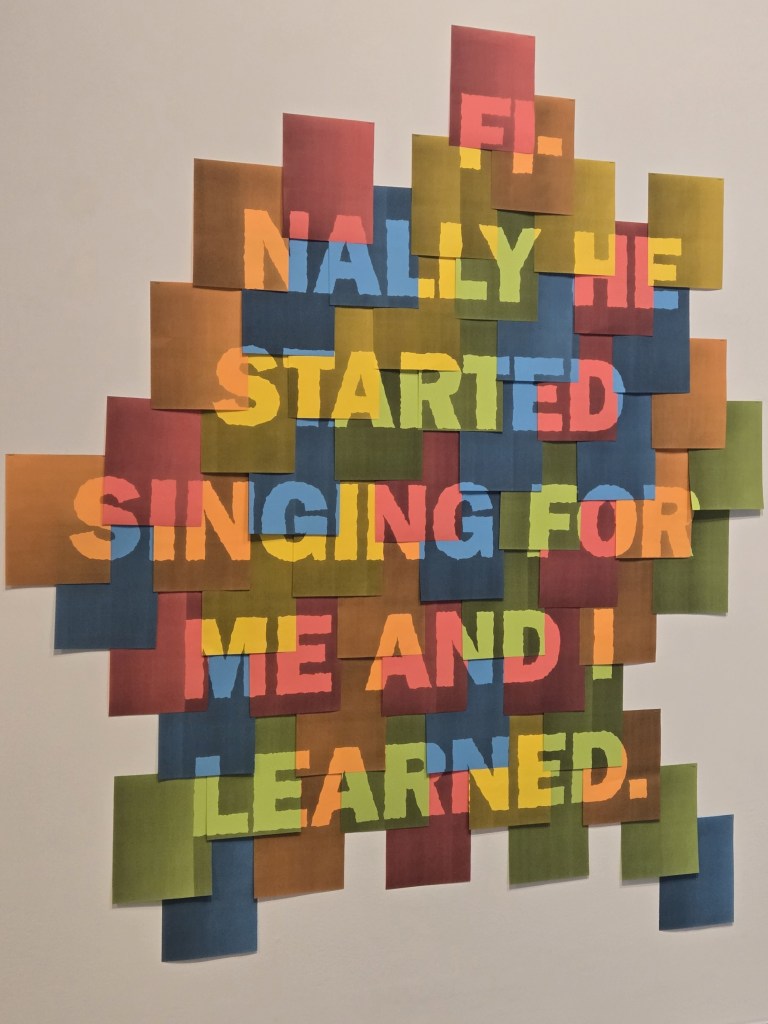
(Raymond Boisjoly’s “As it Comes (Started Singing)”, inkjet prints and staples on stock paper, 2023. Photo: Beth Stewart.)

Next, he gravitated towards an interactive projection of Bernice Vincent’s “All Around Me, All Around You,” a piece that also gives the exhibition its name and embraces its joie de vivre.
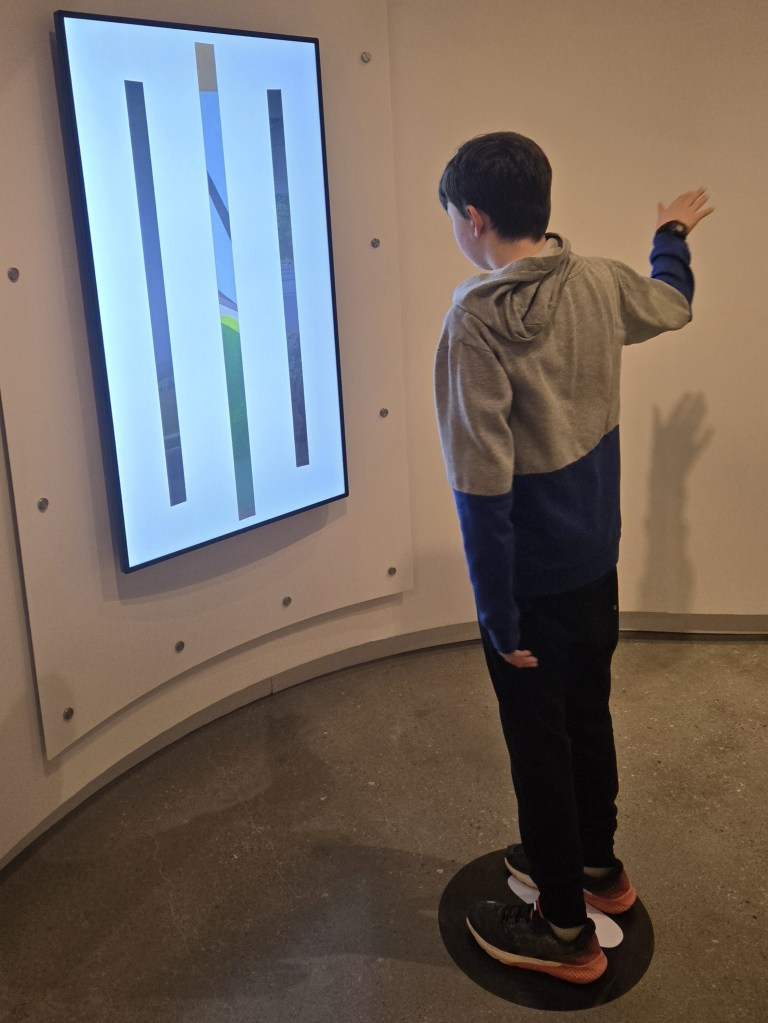
(Hunter interacting with the projection of Bernice Vincent’s “All Around Me, All Around You”. Photo: Beth Stewart.)

Hunter spent a great deal of time exploring it and following the instructions (“Wave arm right, left below waist to navigate between individual pieces. Raise arm up/ down to show or hide accompanying artist note. Wave arm in either direction to dismiss instructions and explore the artwork.”) and concluded, with much satisfaction, “The pictures are good, and you can move the thing by just moving your hand.”
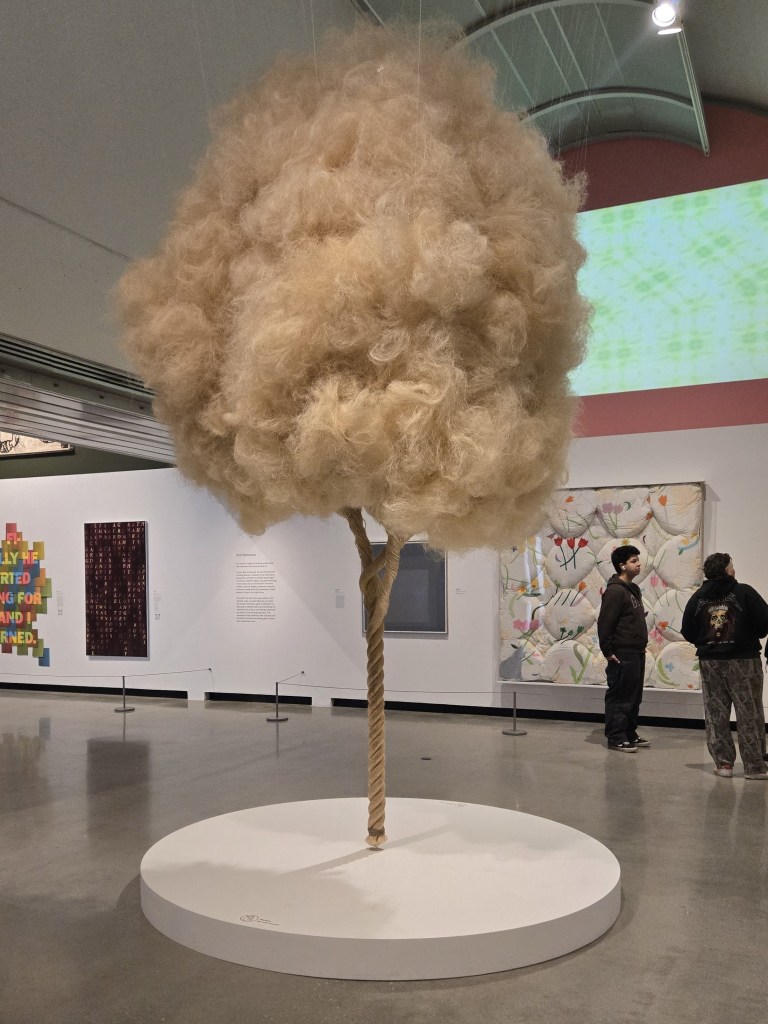
(David Merritt’s “Untitled (rope)”, sisal rope fibre, 2010. Photo: Beth Stewart.)

David Merritt’s “Untitled (rope),” was the next attention grabber. Hunter said, “It reminds me of The Lorax by Dr. Seuss because it looks like his fluffy trees. It also looks like chimney smoke that is going up in the air or like an explosion.”

Walter Redinger’s large biomorphic piece, “Snake”, soon slithered into view. While Hunter saw it first as a snake, he then thought it looked more like an extension cord. He was impressed with how “nicely painted” it was.
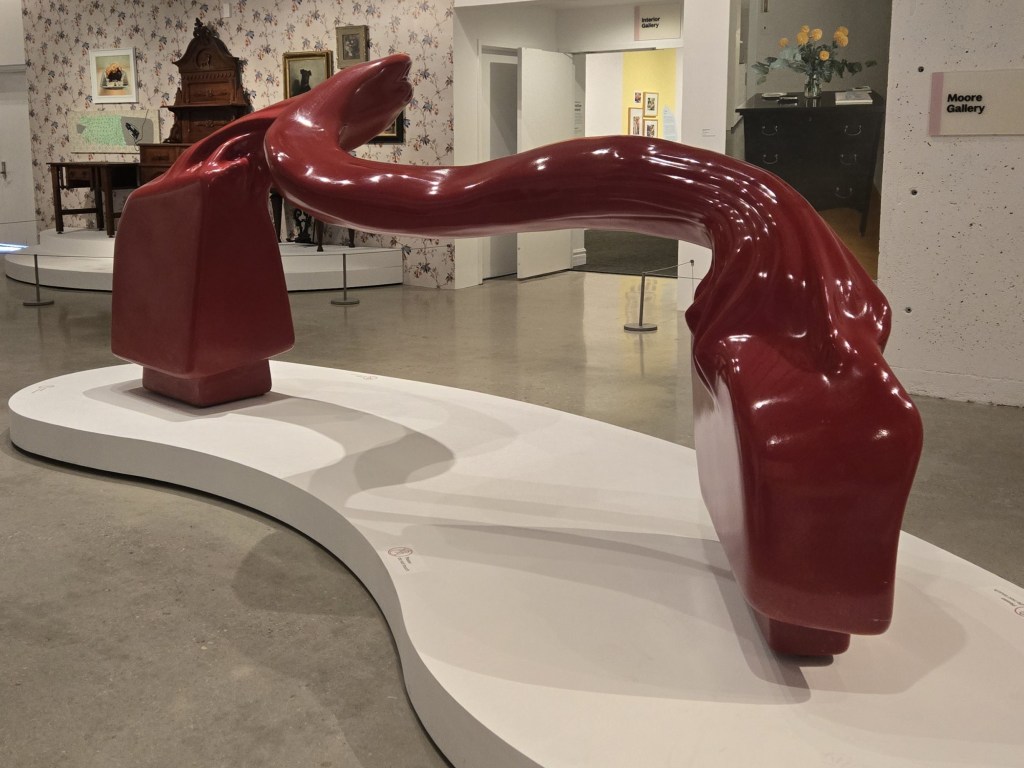
(Walter Redinger, “Snake” cast fibreglass with steel armature, automotive paint, 2001. Photo: Beth Stewart.)

Next, Hunter was able to satisfy his tactile urges, a rare opportunity in most galleries, at a designated touch station. Each of the six displays is connected to pieces on display. Hunter was drawn to David Bobier’s “Parable Hands,” which uses articulated wooden hands to explore gestures and language.
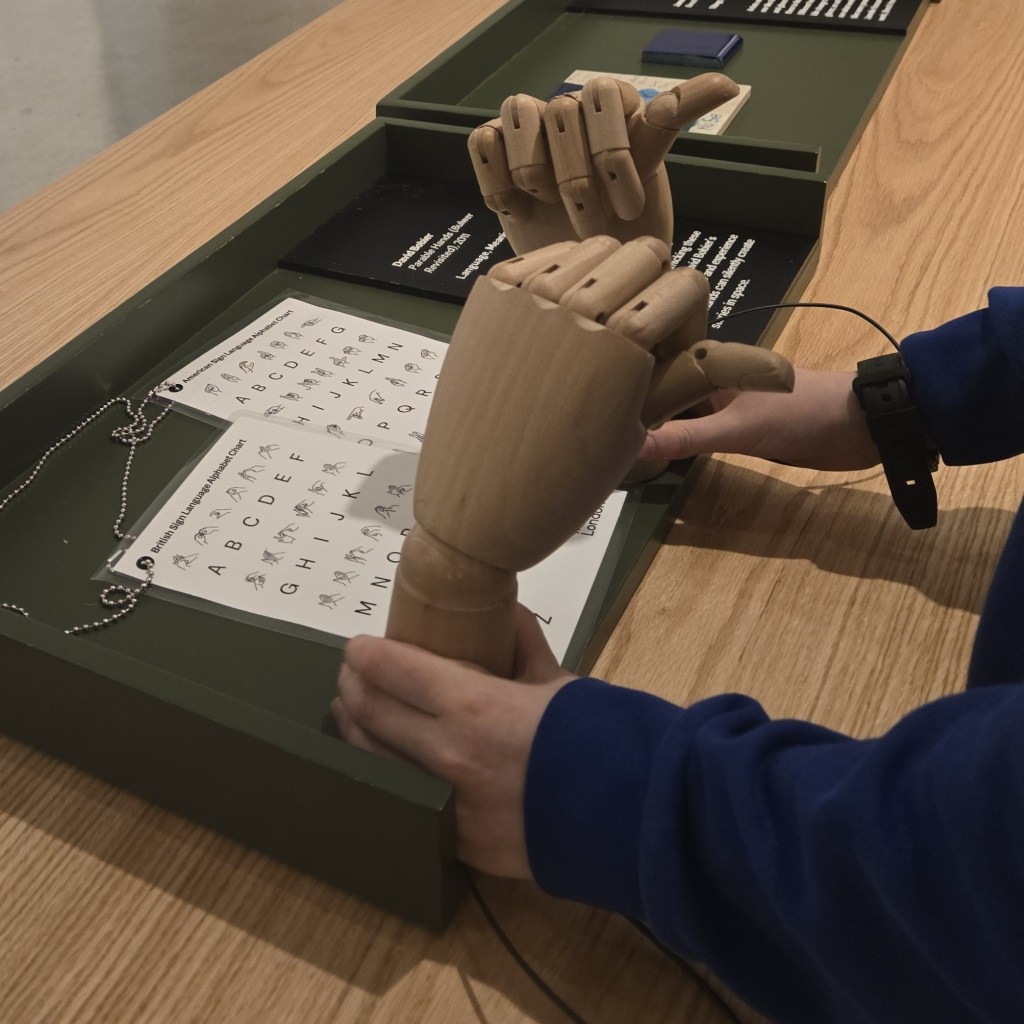
(David Bobier’s “Parable Hands,” Photo: Beth Stewart.)

He then examined ceramic test tiles related to Jamelie Hassan’s “Bench from Cordoba.”
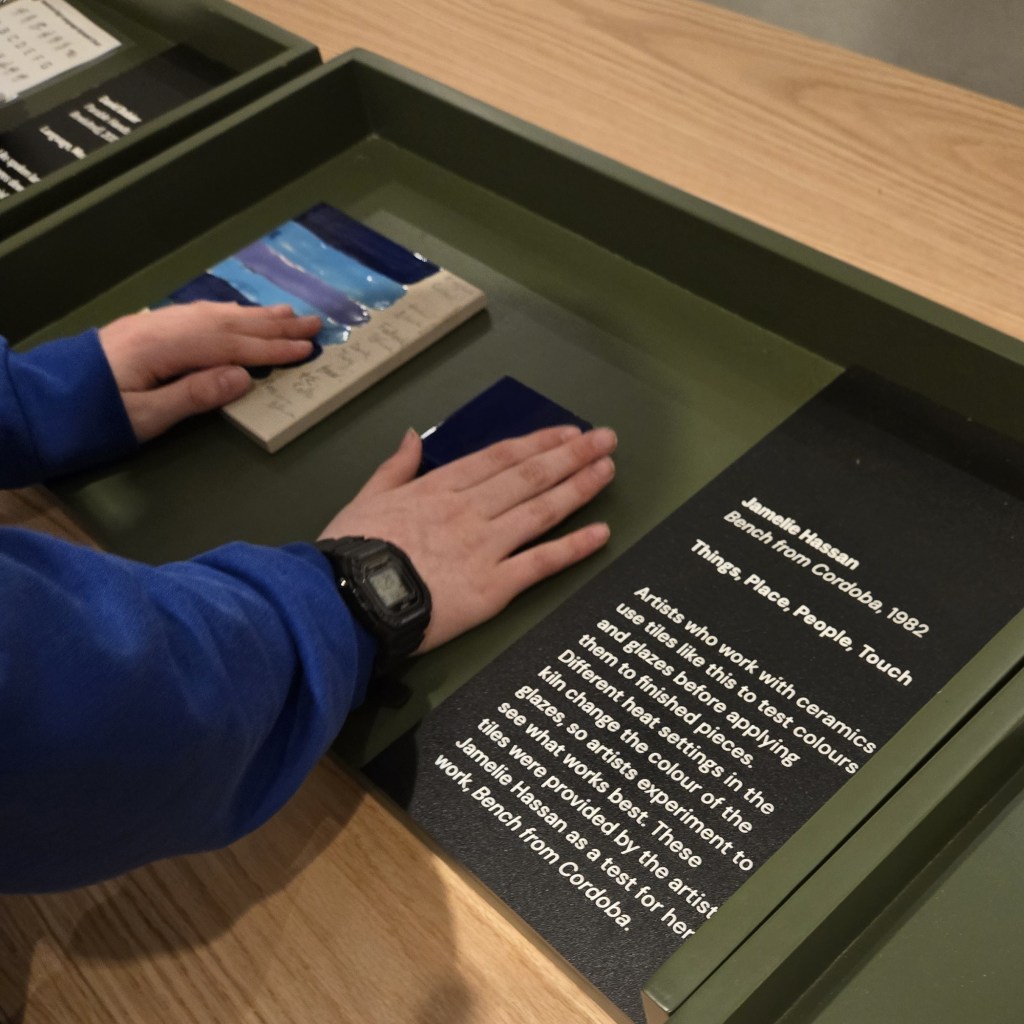
(Jamelie Hassan’s trial tile from “Bench from Cordoba”. Photo: Beth Stewart.)

Finally, Hunter explored the texture of sisal, which was used in David Marritt’s “Untitled (rope).”
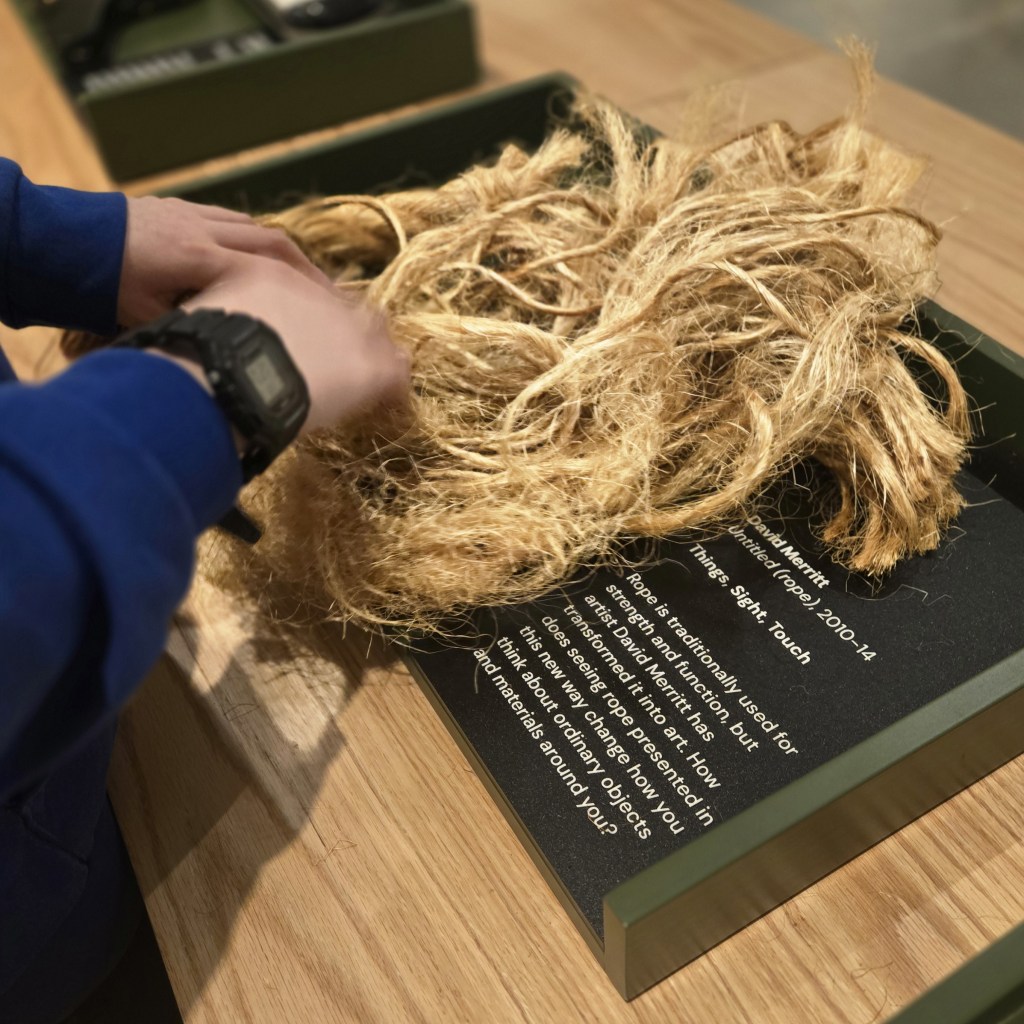
(David Marritt’s “Untitled (rope).” Photo: Beth Stewart.)

Upon encountering Kent Monkman’s mixed media installation “Nativity Scene”, Hunter immediately asked, “Why does the baby have a grown-up head?”
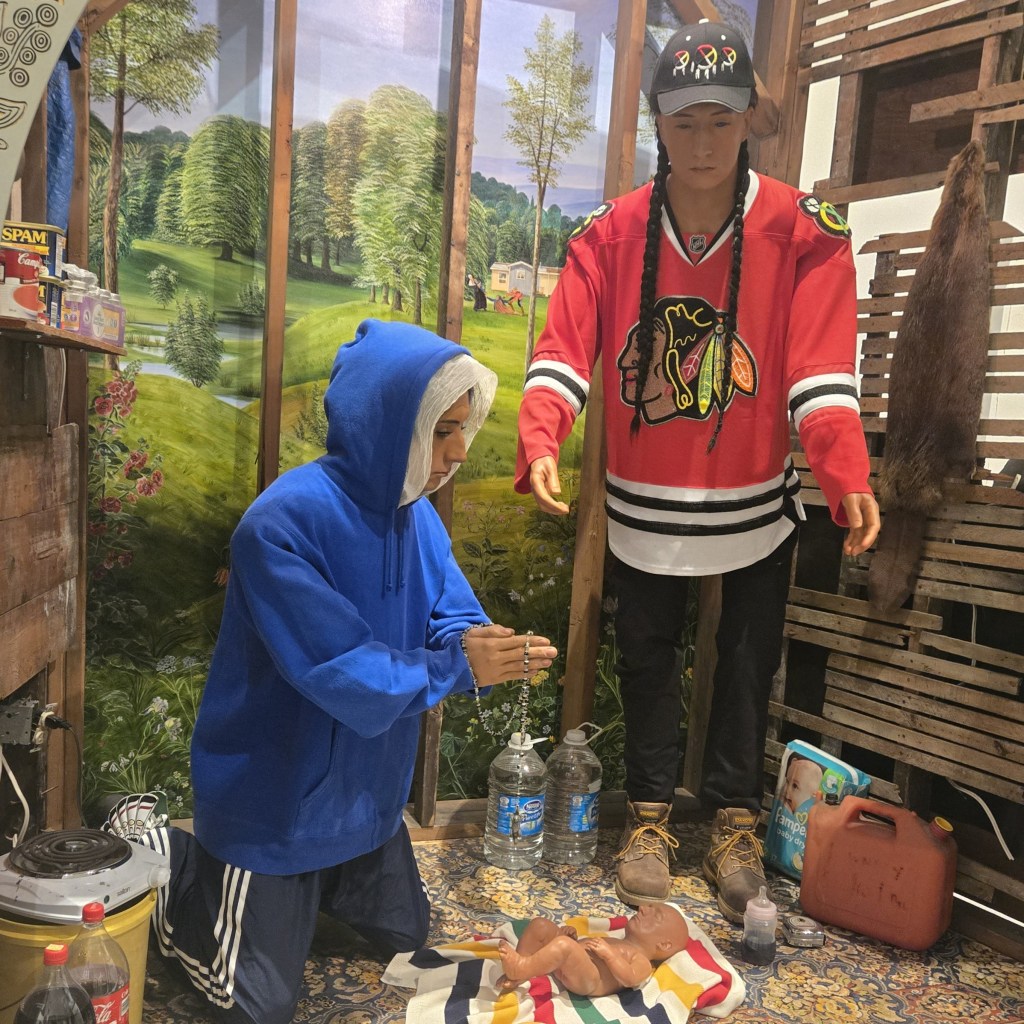
(Kent Monkman’s “Nativity Scene”, mixed media installation, 2017. Photo: Beth Stewart.)

While he recognized some kind of Indigenous connection, Hunter didn’t see a “remagined Christian holy family”; he saw something else entirely. He observed, “Maybe it [the head] grew because of the enchanted necklace above it,” and concluded, “they are doing some kind of ritual.”

Leaving All Around Me, we entered Tropi-X: Brazilian Art in Canada an exhibit comprised of 70 pieces that explore the preservation of Brazilian culture in Canada. It juxtaposes paintings, sculpture, and textile pieces from the 70s with contemporary pieces.

First up was Vinicius de Agular Sanchez’s “The Power of Speech (Shock),” a stop motion film that Hunter described as “fascinating because it combines music and art.”

His attention then went to a textile piece called “The Jaguar.” He said, “I think the cat is cool – it looks very soft – I want to touch it.”
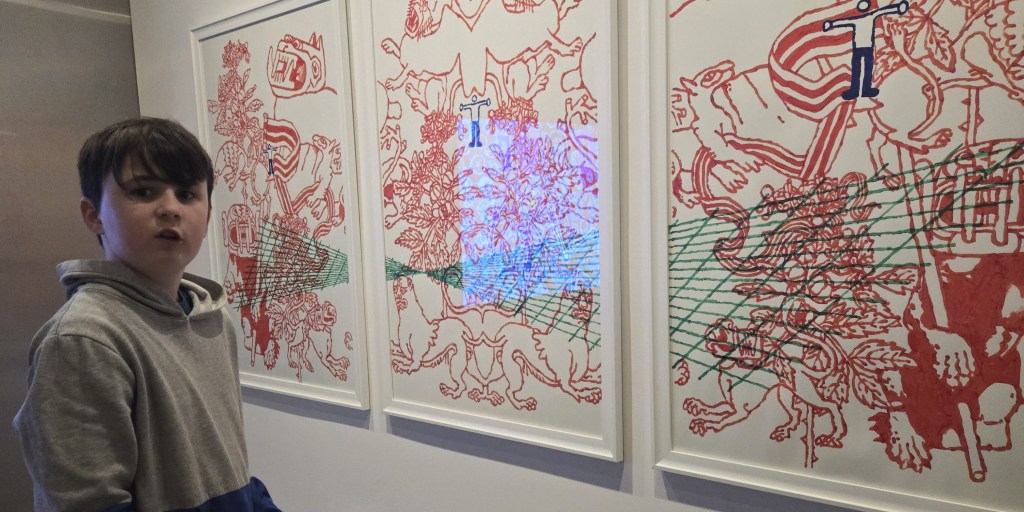
(Ian Indiano, “Between here and there”, acrylic on paper, 102 by 122 cm, 2019. Photo: Beth Stewart.)

Three large acrylic-on-paper panels, “Between Here and There,” were next. Hunter liked that they seemed to tell a “continuing story,” and I introduced him to the word triptych. He noted there were three people, one inside each painting, and that the center panel was symmetrical (kudos to his art teacher). He liked how the side panels were mirror images of each other.
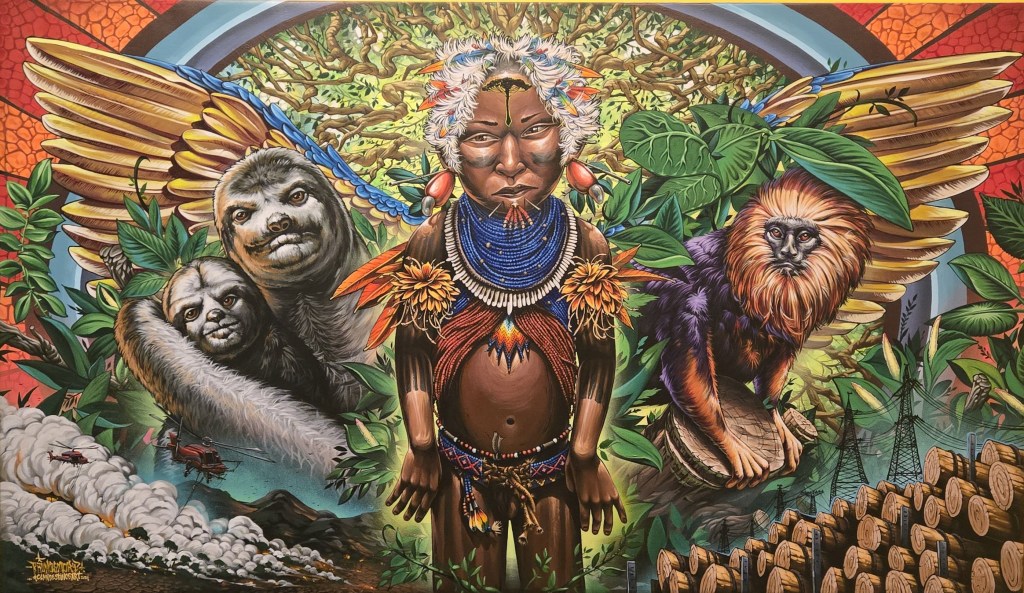
(Bruno Smoky, “Protect What We Have Left”, spray paint, acrylic, and airbrush on canvas, 165 by 287 cm, 2023-25. Photo: Beth Stewart.)

Bruno Smoky’s spray paint, acrylic, and airbrush on canvas painting “Protect What We Have Left” was a definite attention-grabber. Hunter liked that it had lots of colours and that it was so realistic. His favourite part was the two sloths. He commented on the solitary human: “I think it shows people rule; they are above everything else,” but then decided, “the person might be stranded and living with the animals.”
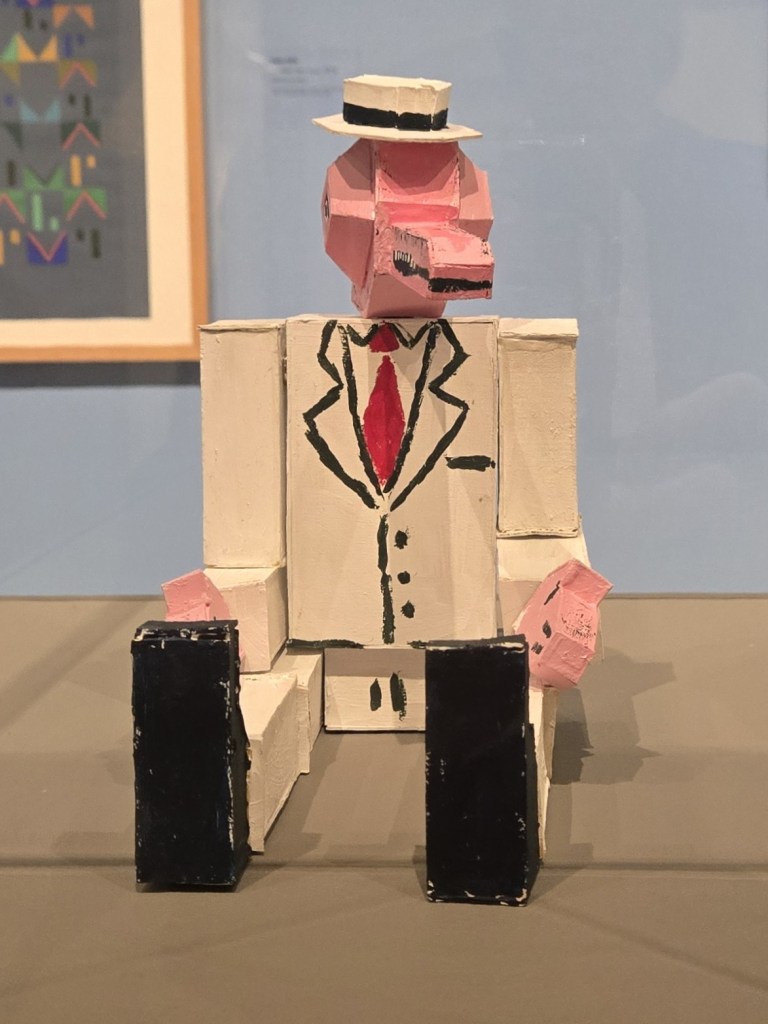
(Vinicius de Aguiar Sanchez, “Pink Dolphin”, balsa wood and wood paint, 2023. Photo: Beth Stewart.)

Vinicius de Aguiar Sanchez’s “Pink Dolphin” sculpture earned much admiration. Said Hunter, “I can relate to it because it looks similar to the stuff that I draw … really crazy things.”

Our last piece of the day was Hélio Eudoro’ s mixed media installation “Mantle N° 5 – Battle Against Destiny – Moirai’s Fate Armour”. Hunter commented that it was “colourful and probably very heavy.” He liked that the artist had used a combination of “clothing, money, buttons, shiny stuff, and necklaces” in the piece.
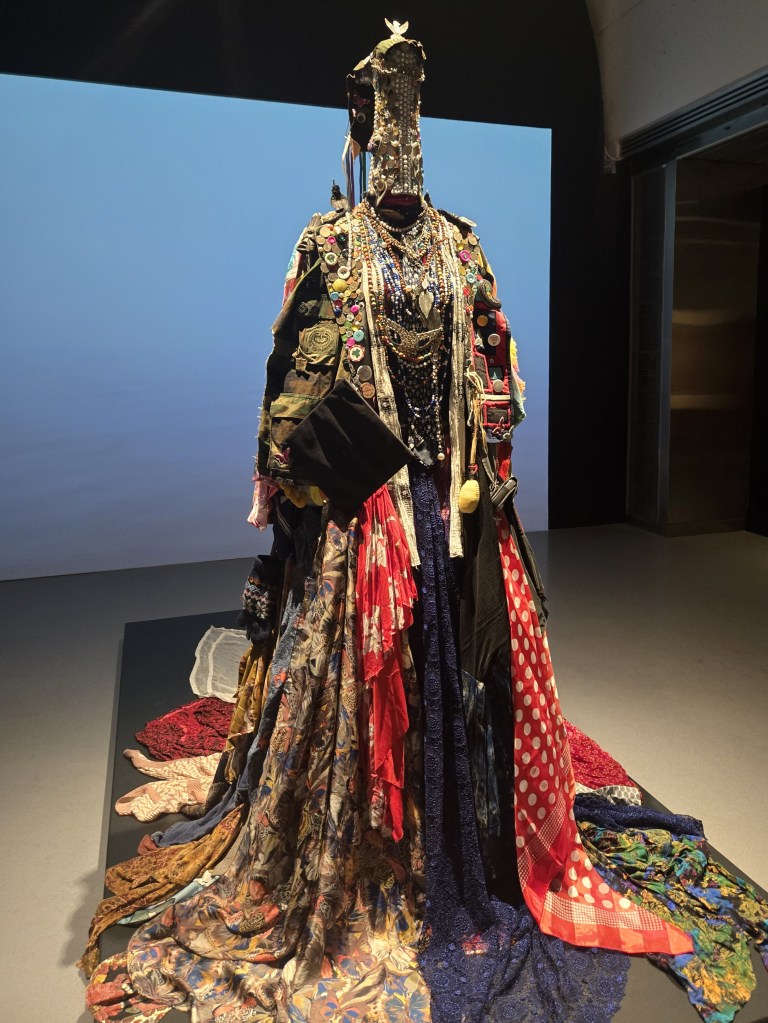
(Hélio Eudoro, “Mantle N° 5 – Battle Against Destiny – Moirai’s Fate Armour”, mixed media, 2022. Photo: Beth Stewart.)

Hunter said, “I first looked at the head, because someone’s head doesn’t look like that. I then noticed that the heart from the movie Moana is on it, so I think it might be a god.”

Visiting an exhibition with someone else adds another layer of exploration and understanding. Visiting with an eleven-year-old art enthusiast led me to look at pieces I might otherwise have passed and introduced me to unique interpretations. All in all, time well spent.

All Around Me, All Around You is located on the second level in the Volunteer/Moore Galleries and is ongoing. Tropi-X: Brazilian Art in Canada, 1970s-Now is also on the second level in the Ivey Galleries. It runs to April 19, 2026, so time is of the essence if you don’t want to miss it.

For more information about Museum London, visit Home | Museum London

Reviewed by Beth Stewart.
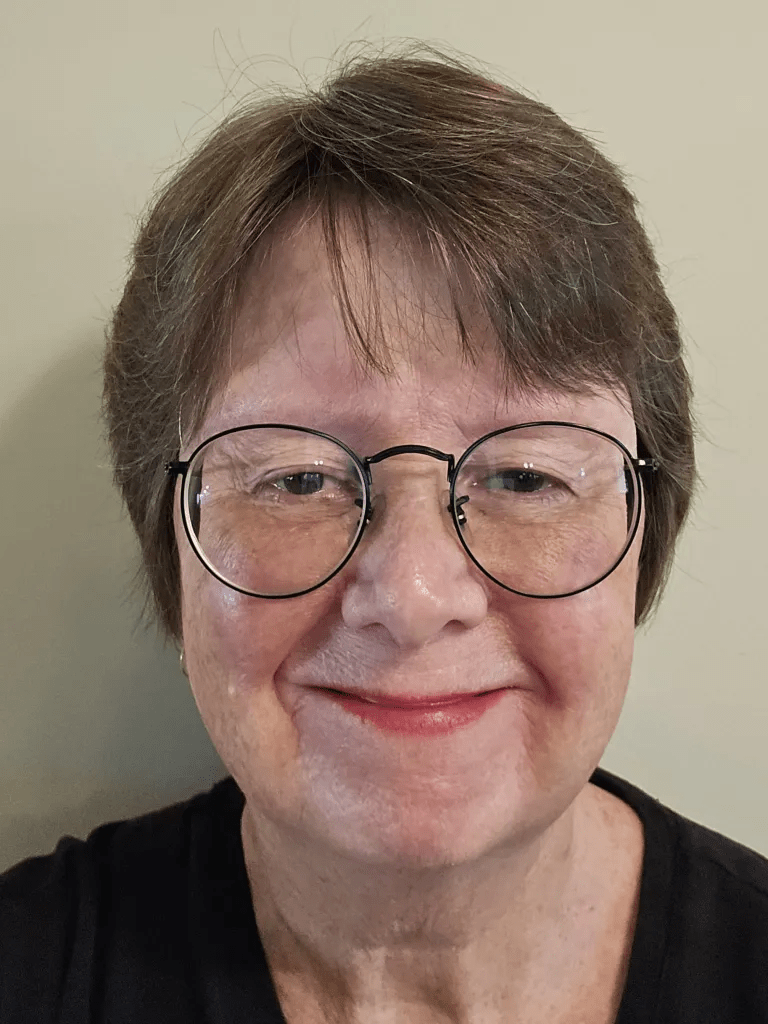
Beth Stewart is a writer, educator, and visual artist. She has a B.A. and a B.Ed. from the University of Windsor and a Diploma in Art Therapy from Western University. Beth has worked as an Art Therapist with Canadian war veterans and as a Secondary School Teacher of art and English for the TVDSB. She retired in 2024.

Beth was the arts editor at Scene Magazine from 2004 to 2006. She founded Artscape Magazine in 2006 and served as its editor until 2008. In addition, Beth wrote on the arts for Lifestyle Magazine from 2006 to 2017 and served as the copy editor for The Beat (in print) from 2009 to 2013.

As a visual artist, Beth works mainly in dry media and favours coloured pencil. Over the past decade, Beth’s focus has been on wild and domestic birds. Beth is a member of the Coloured Pencil Society of America, the Gallery Painting Group, the Eclectic Collage Collective, the Lambeth Art Association, and a founding member of the Coloured Pencil Artists of Canada group.

Web: https://bethstewart.ca/

Facebook: https://www.facebook.com/profile.php?id=100009620916363
David Long – A Life In Apples, Advocacy and Community Theatre

By J. Bruce Parker

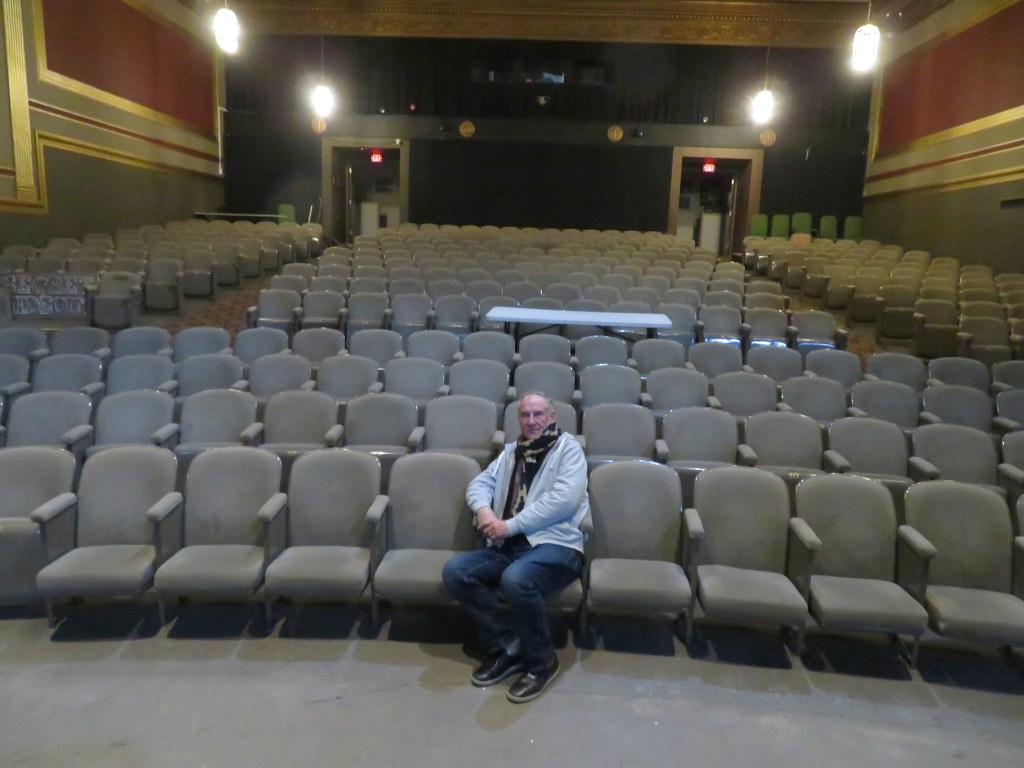
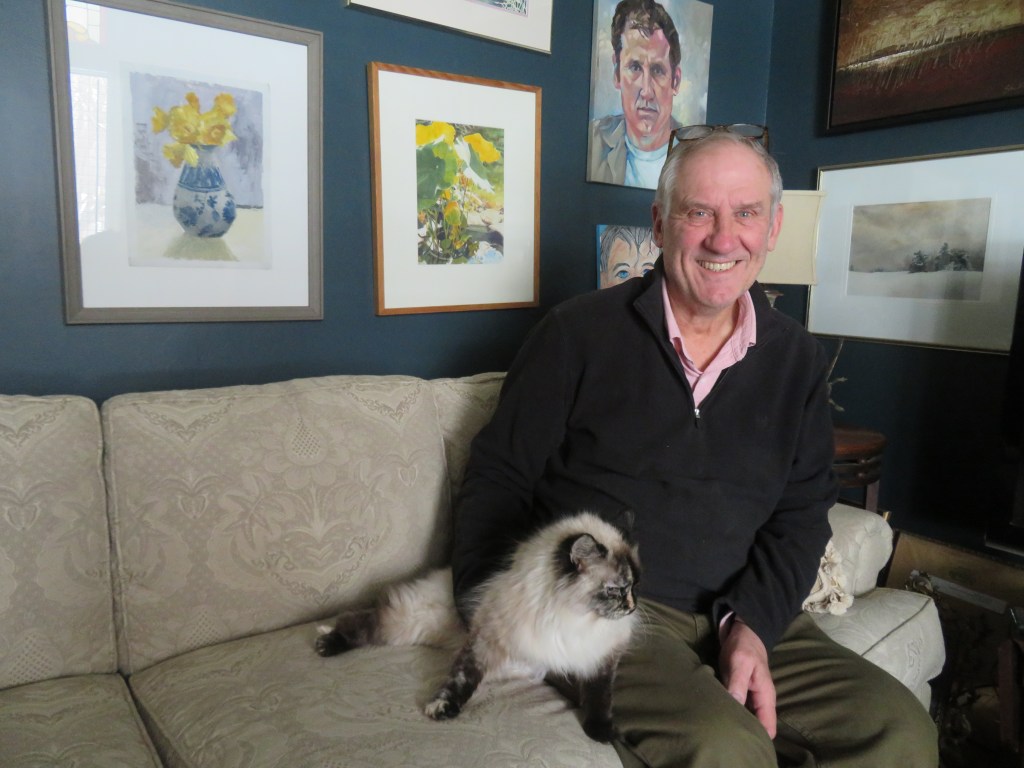
(Pictured: The Palace Theatre’s David Long.)

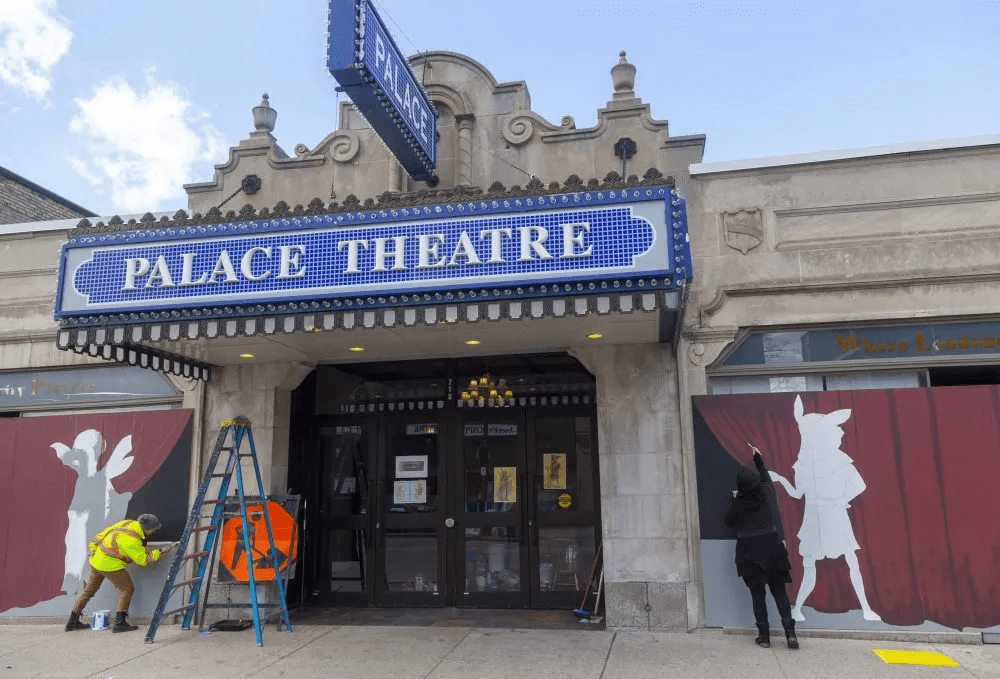
The Palace Theatre, constructed in 1929 as a venue for silent movies and designated by the City of London in 1991 for its historic or architectural value or interest, remains a focal point in London’s Old East Village for quality theatre. It is the home of London Community Players, London Youth Theatre Education & London Fringe.

This historic venue is divided into two stages, the 75-seat Procunier Hall and the 350-seat David Long Stage.

Often, a stage is named after a beloved but deceased benefactor, actor, producer, or director. However, David Long is still with us, with a 47-year history associated with the London Community Players.

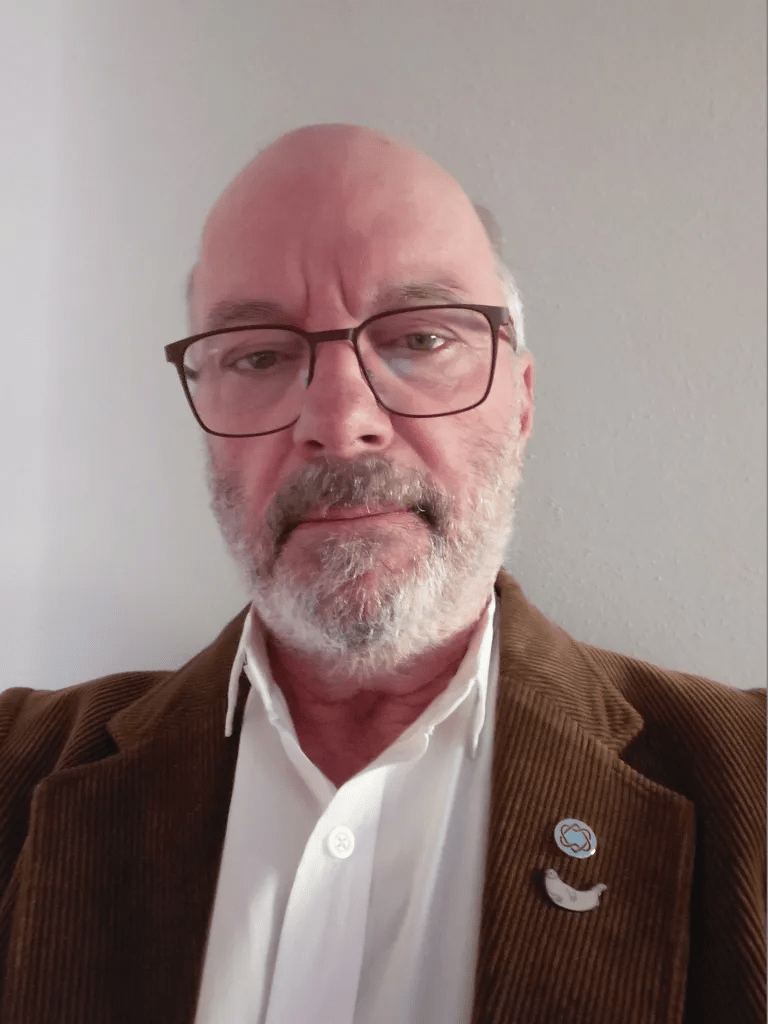
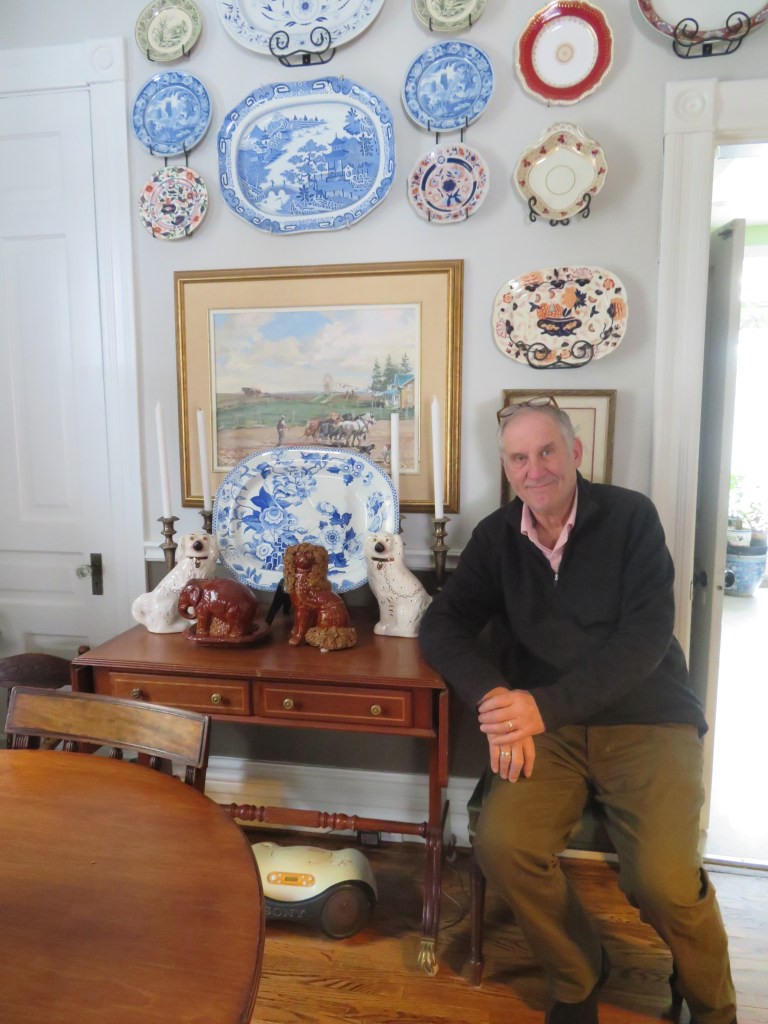
I recently met up with David at his home in East London. Over coffee and banana bread and surrounded by a lifetime’s collection of artwork and plates, we discussed the trajectory of his life.

(Pictured: David Long.)

The Long family’s ancestry in London dates back to 1850. At some point, according to David, family members “dispersed around the city.” David’s great-grandparents purchased land in the vicinity of Commissioners Road and Andover Drive. His father established Wood Lynn Farm Market, with various venues in the city. The Longs owned 300 acres of apples alone.

Wood Lynn Farms would become the first ‘pick your own’ orchard in Ontario. A pre-teen David was conscripted to wait at the gate and hand out a flyer to incoming customers, offering smiles as well as both prices and the ‘rules’ of the orchard. No overfilling, and there were trunk checks. At the time, a bushel of apples cost $1.50. This was long before ‘controlled atmosphere storage’ of apples, and so three generations of the Long family were involved during the narrow apple picking season, which would run from September into the Thanksgiving weekend of October. David proudly adds, “They were lined up on Oxford Street.”

David Long stayed true to his original neighbourhood, where his family home was established in 1935, just three houses from the Brick Cemetery. In 2010, ‘Friends of Brick Street Cemetery’ was established to provide guardianship to the eternal home of over 750 souls, and David Long got on board. The first burial occurred in 1813, 13 years before the City of London was established.

The organization researched the names of those under the soil and began repairing and re-erecting tombstones. According to David, “one third of the stones were on the ground, one third were leaning, and one third were still standing.” David was dubbed with the nickname ‘Jigsaw’ as it was his task to reassemble broken tombstones with both cement and epoxy. There was also the painstaking effort to clean the fronts of the stones without diminishing the lettering.

It was at York University in the 1970’s that David enrolled in a theatre program. . His desire to study theatre was built upon his drama experience in high school, which included a role in a production of the classic “Arsenic and Old Lace.”

But a year in university was enough, and he eventually returned to London after a bit of a tenure working in a paint store in Stratford.

It may or may not have been a synchronistic moment, but David’s return coincided with the beginnings of the London Community Players. He had invested a year’s worth of training in drama, and now a new theatre back home was opening.

The genesis of the London Community Players began with former members of ‘London Little Theatre’ as well as some passionate and earnest local actors. Productions began at the Gallery Theatre established at 36 York St. Their focus was Canadian-written plays, and 35 were performed between 1974 and 1978.

David leapt in and was cast in “Norman, Is That You?’ London’s first ‘gay’ play, a work David regards as a “bit of fluff,” but an important piece of theatre in recognizing and accepting London’s gay community. This was 1977, and London Free Press theatrical reviewer, Doug Bale, who could run roughshod over a local production, answered the question “Is London ready for gay plays?” with a resounding “Yes”.

David’s talents were also recognized in his ability to design and create sets. “My one grandfather built houses, and my other grandfather painted houses. I think I get my building skills from one and my painting skills from the other. The theatre discovered that I could build sets, and so that was the end of my acting career.”

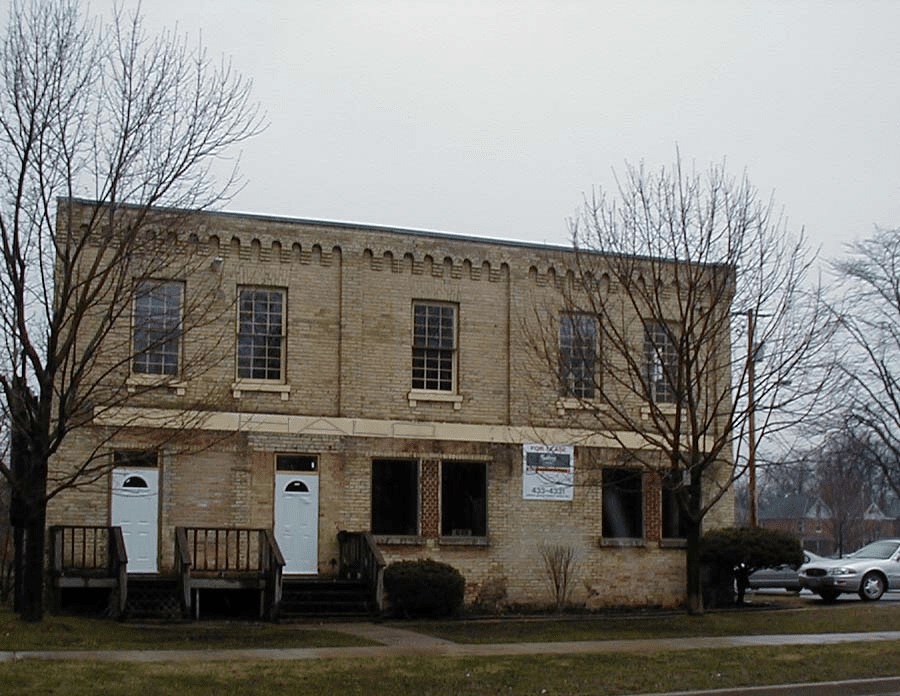
As David was settling back into the theatre in his hometown, ‘HALO,’ the Homophile Association of London, Ontario, was establishing itself as a community club at Colbourne and Pall Mall streets. When David came out as a gay man in the late 70s, he had the support of his family, specifically from one of his grandfathers, who stated, “I knew people like that at Beal in the 1920s, and it didn’t bother me then, and it doesn’t bother me now”.

(Pictured: HALO Building, Colborne and Pall Mall Streets, London, ON.)

David eventually became president of the HALO club at a time of social intolerance of homosexuality. He was often the subject of homophobic slurs as he entered the front door, as well as dealing with vandalism in the form of broken windows, which were eventually boarded up. He recalls, “The music didn’t stop, and the dancing didn’t stop, so the club persevered and survived.”

This was a time when the former mayor of London, Diane Haskett, refused to proclaim ‘Gay Pride’ at City Hall as it was against her Christian values. She was eventually overruled by the Ontario Human Rights Tribunal, and the gay pride flag was flown over city hall. The HALO centre was the hub of the largest gay community in Canada, struggling yet surviving.

David recalls, “There were always lineups to get in. We had double-door security to protect our patrons. We always had Western (referring to the University of Western Ontario). The thing with the gay community at UWO was that everyone was here for four years. They would arrive, they came out, came to HALO, and they left when they graduated. There was always this kind of turnover.”

By the early 90s, within the gay community of London, HIV/AIDSwas creeping in. This disease was largely ignored by the media as well as American President Ronald Reagan. made its impact in London.

John Gordon was the first man in London to come out about his diagnosis of AIDS in South Western Ontario, and his death and legacy were the cornerstone of the creation in 1992 of the `John Gordon Home’, a Victorian-style residence on Dufferin Ave, which became a hospice. Tenants were cared for by a team of 30 volunteers (myself being one). The bedrooms of the building were remodelled, offering an individual design to each of the eight. David Long coordinated the renovation. He eventually found himself on the board of the John Gordon Home and was the representative of JGH to the Aids Committee of London. David knew the first residents, the first to arrive and the first to go to spirit.

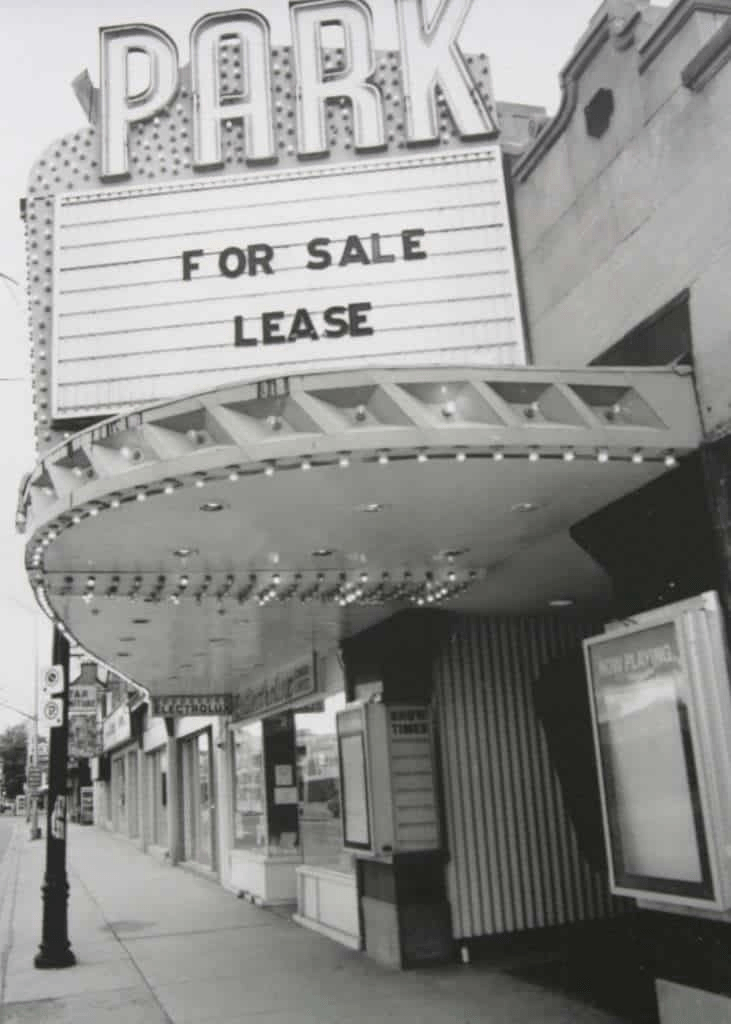
During the same period, the London Community Players were growing. With his long-standing work with the theatre, David became part of the Board of Directors. There was this notion to physically expand the theatre as it grew, but it was David Long who noticed the ‘For Sale’ sign at the Park Theatre in East London. There was an existing stage as well as seating for up to 400 people, and in short order, the deal was closed, and the Park Theatre was purchased in December of 1990.

Renovations happened quickly, with backstage areas including dressing rooms being constructed, with the first play opening in July of 1991.

David reflects. “Looking back over the years, some of the plays we have done there have been mind-boggling.’ He adds, “It is community theatre, but you balance the events. You have people who want the light entertainment, and you have people who want to be entertained, challenged, and educated.”

Now in its 51st season, The Palace Theatre continues to present engaging theatre to the London public. But community theatre has always had its challenges.

There is the issue of operating on tight budgets and high production costs. There is a reliance on volunteers, who may come and go. Casting actors has its own issues of scheduling conflicts as well as finding actors with the right skills. You also have to find a balance to produce safe and popular shows which guarantee the sale of tickets up against bringing in challenging and thought-provoking work. Every town and city which has a community theatre is always under this threat.

The Palace Theatre has had its share of added challenges. London has a homeless population of over 2000, and the 700 block of Dundas Steet as David Long calls it is ‘ground zero’ for the problem of homelessness. The plight of vagrancy in London carries the issues of addiction, mental health problems and vandalism, which directly affects the Palace Theatre.

Windows have been broken, as well as break-ins and theft. There is open drug use on the block, which is a deterrent to potential theatre goers.

Providing security is expensive, as hundreds of dollars are required to secure each production, protecting the building as well as safely ushering patrons in and out.

David adds, “The social services provided here are overwhelmed, and the foot patrol can only do so much,” adding, “Theatre used to be in the parks and on the streets, and we just can’t do that now.”

(Pictured: The Palace Theatre’s David Long.)

What is the future for Community Theatre?

“The future is challenging. There are theatre companies always closing down as they cannot adapt, change and survive. We need young people to get involved in theatre in multiple layers,” says David. He adds, “We used to sit and talk on breaks during rehearsals. Now everyone is on their phones. Cell phones are the worst invention which creates distractions from real communication.”

“There is this perception that we are an elite group of people. No, we are just trying to pay the rent and are open to any and all ideas for the stage. Give us something challenging, and we would love to do it. Let’s use Procunier Hall to do create something very ambitious.”

And what would be the ideal piece of theatre?

“Something in Procunier Hall, about 90 minutes long with no intermissions, no breaks, and no lapses with the actors and their connection to the audience”.

He slyly adds, “We shut the door for 90 minutes, and you can’t get out.”

David’s lifelong commitment to Community Theatre is reflected not only in the productions selected for the stage but also in the sets he thoughtfully designed and created. The David Long Stage that proudly bears his name stands as a fitting and enduring tribute to his dedication, creativity, and lasting impact.

To learn more about the Palace Theatre Arts Commons and its productions, visit Palace Theatre Arts Commons | London ON Community Theatre

By J. Bruce Parker

J. Bruce Parker is a retired oncology nurse. As an avid cyclist, he crossed the country by bicycle in 1991 and still explores Ontario’s north via canoe trips. He has published a short story based on his camping experiences.

For over 20 years, as a citizen scientist, he was involved with Monarch Watch, an organization that monitors the annual migration of the Monarch butterfly. He has written about this species and other articles on nature for The Cardinal, Nature London’s quarterly magazine.

For more information about Nature London and The Cardinal, visit https://www.naturelondon.com/the-cardinal/

He is documenting his ongoing friendship with Canadian poet bill bissett, which he hopes to eventually publish. 

Bruce has been writing articles for Villager Publications since 2022. To read samples of Bruce’s writing, visit https://www.villagerpublications.com/

Full Circle: Westland Gallery Goes Home Again

By Beth Stewart

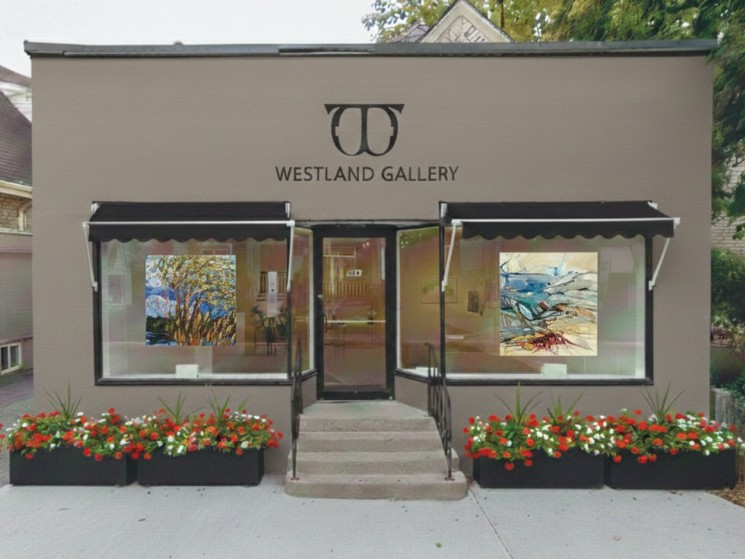
(Pictured: Designer’s rendition of exterior Westland Gallery façade. Photo courtesy of Al Stewart.)

Westland Gallery has settled into its new/old location at 247 Wortley Road. The site, once known as The Art Exchange and then Westland South, has been rechristened Westland Gallery. While the new sign has yet to go up, the old one has come down.

Located in Wortley Village, Westland Gallery offers original artwork by Canadian artists from within Ontario and mounts a new show every four to five weeks. Westland has twice been voted best art gallery in London, and this year, it won a People’s Choice Award for favourite businesses in Wortley Village.

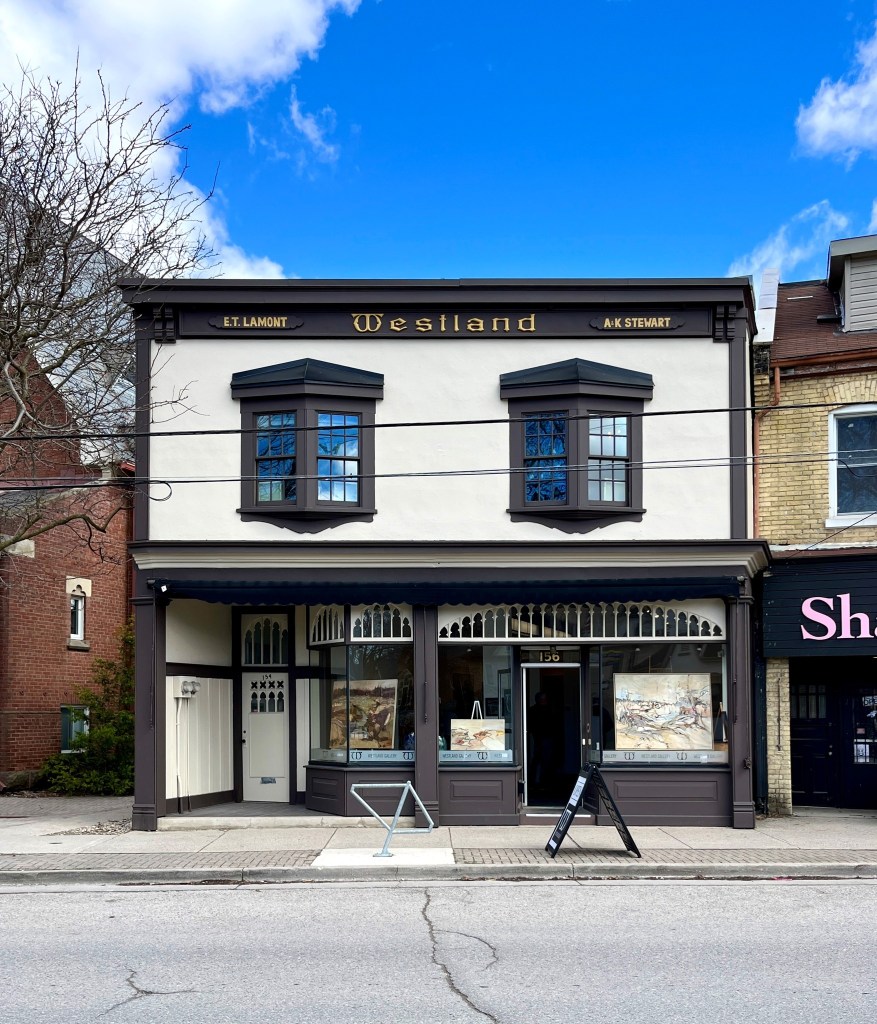
Westland Gallery came into being when, in 2007, Al Stewart’s friend Eugene Lamont asked him to be the “caretaker,” so to speak, of the latter’s historic building at 156 Wortley Road. It was just a few blocks north of Stewart’s original business, The Art Exchange.

For the next four years, the two shared the building; Lamont continued selling antiques, and Stewart began selling art at the second location.

Finally, in 2013, Westland Gallery was born. While Stewart made extensive renovations, he remained true to the building’s history.

Built in 1886, the building had housed a painting and decorating store called Westland, two pharmacies, and an antique store. The last two were owned and run by Lamont.

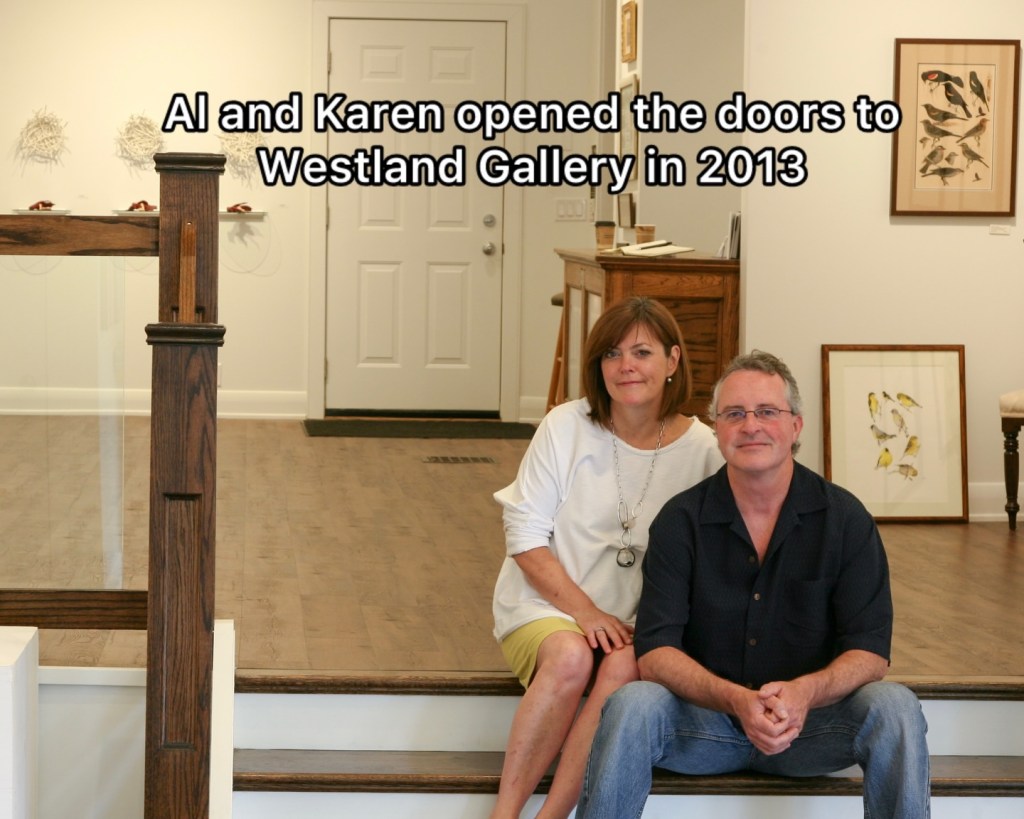
(Pictured: Westland Gallery proprietors, Karen and Al Stewart.)

Prompted by their 65th birthdays in 2025, Westland Gallery owners Al and Karen Stewart decided it was time to “dial things back.” Al Stewart says, “This is what we needed to do for ourselves at this time.”

While they were ready to let the building go, they sought a buyer who would continue to celebrate Lamont’s legacy.

Al Stewart says, “We have taken care of her, and now it is time to let someone else have the honour.”

Now, in a best-case scenario, the old building has been sold to Purdy Naturals, a storefront business that fits well into the fabric of Wortley Village.

Although the location of Westland Gallery has changed, the quality and service haven’t. Westland Gallery will still deliver exceptional artworks in a range of styles and mediums, as well as services such as art consultation and secure international shipping.

While they will miss the old building, the Stewarts are excited to have a home-based business once again.

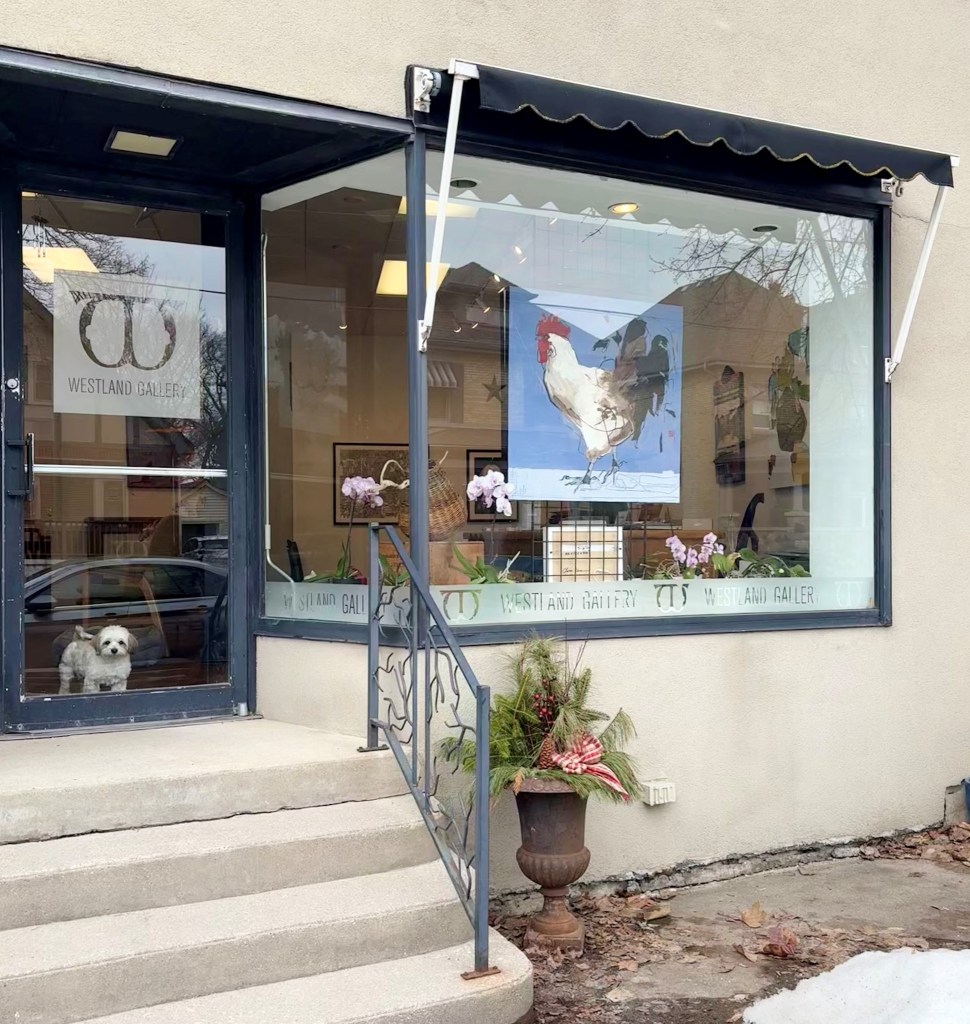
(Photo: Courtesy of Al Stewart.)

Extensive renovations have been done to 247 Wortley Road, and more are planned. Shelving has been removed. New flooring has been installed from the front of the gallery through to the back of the Stewart’s living space to create greater continuity.

(Photo: Courtesy of Al Stewart.)

The “new” location is more compressed, but Al Stewart is rising to the challenge and making use of every inch. There is less storage space, which will necessitate a faster turnover of overstock and greater website presence.

He sees it as an opportunity to put the fun back into selling art.

(Photo: Courtesy of Al Stewart.)

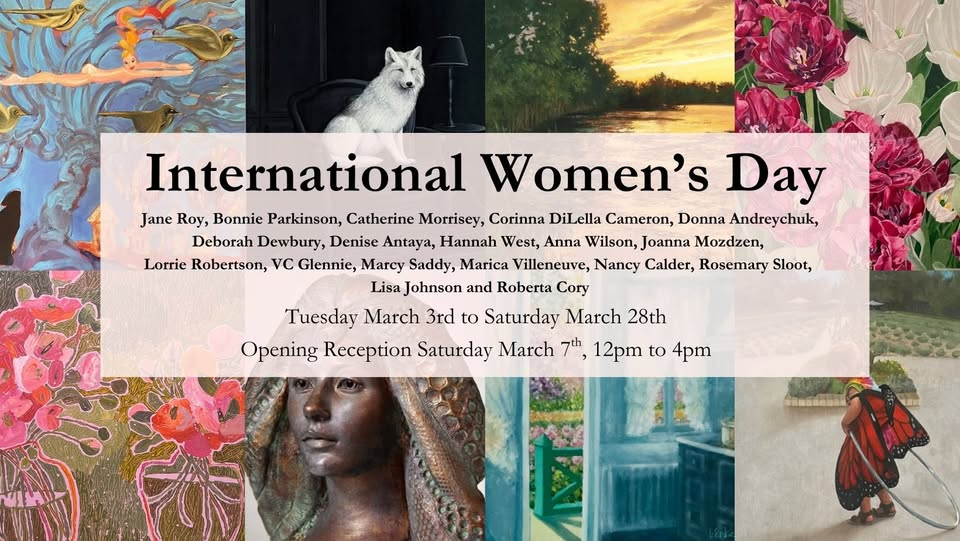
Westland Gallery’s inaugural exhibition, “International Women’s Day”, runs from March 3 to March 28, 2026 and celebrates the work of 19 female artists. The opening reception is Saturday, March 7, from 1pm to 3pm.

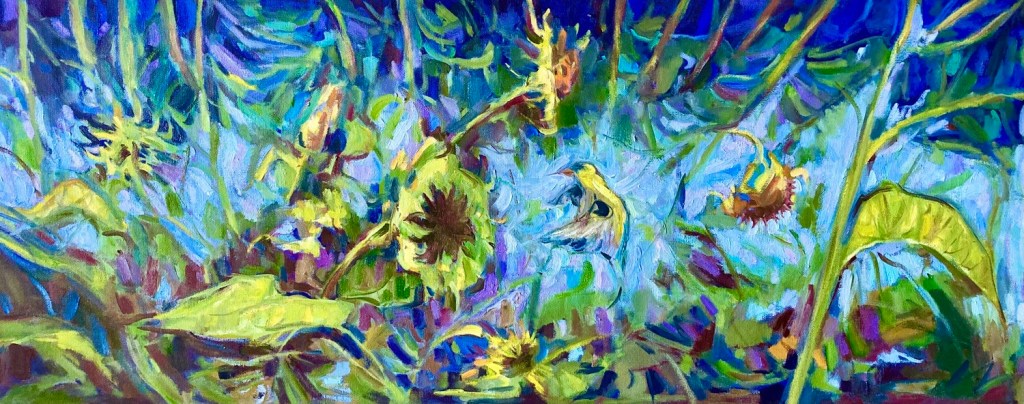
(VC Glennie, “Goldfinch,” oil on wood panel, 16 x 40 inches.)

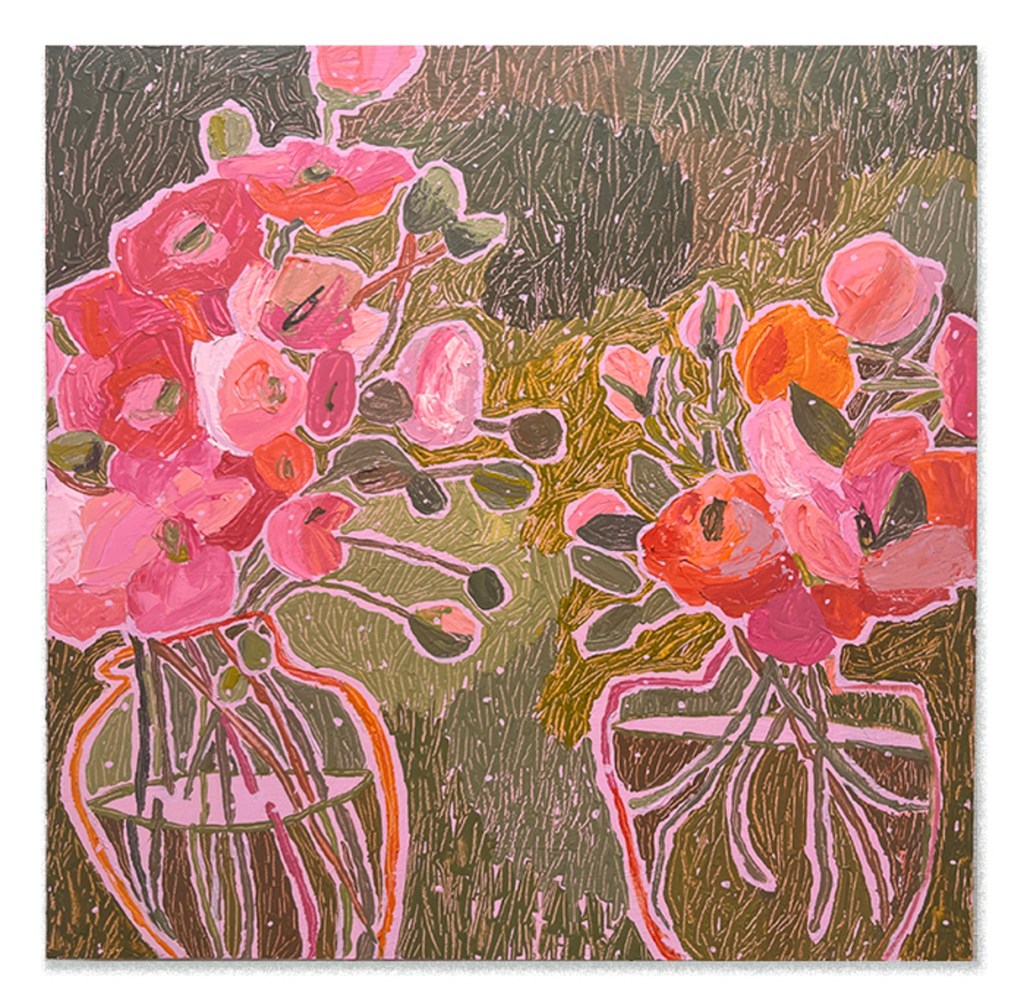
(Marcy Saddy, “Janie Jones,” acrylic on cradled board, 20 by 20 inches.)

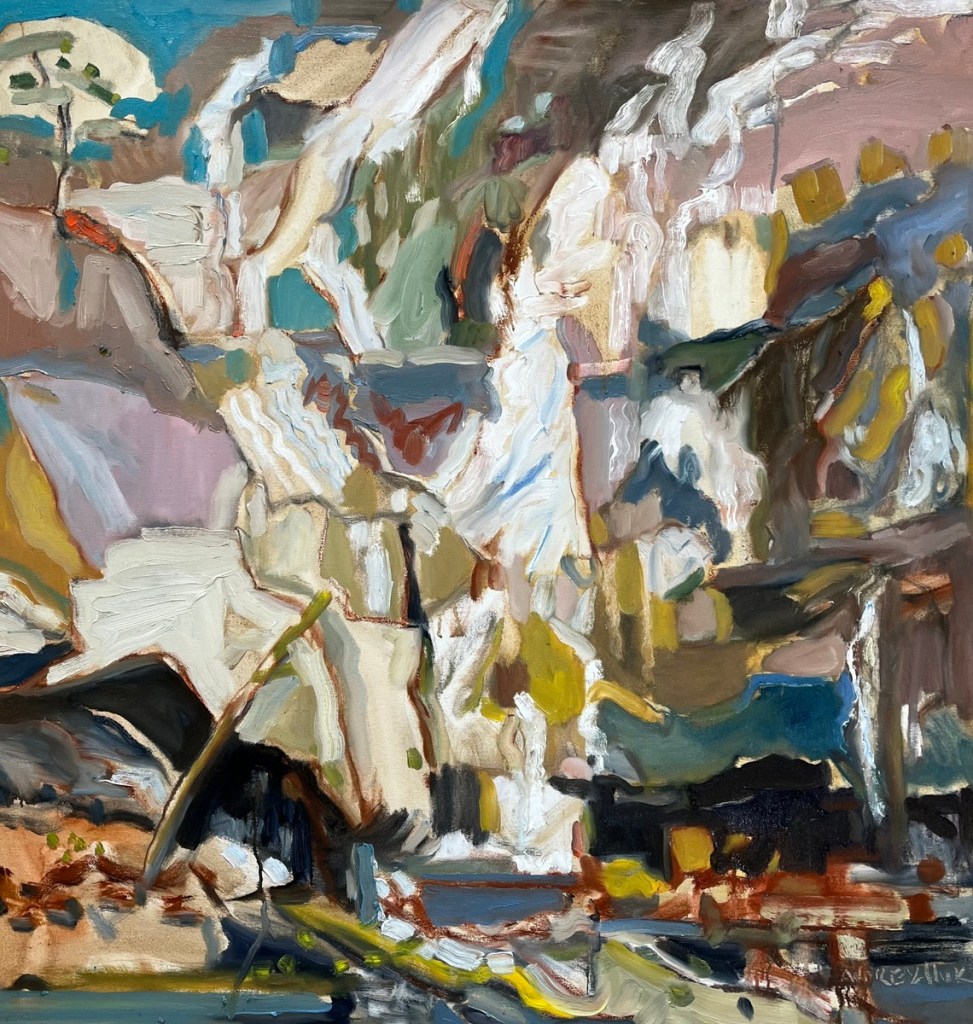
(Donna Andreychuk, “Falling Down”, oil on canvas, 40 by 40 inches.)

(Watch this video of the International Women’s Day Exhibition: https://youtu.be/qFFGfdedNu4?si=n0-WhKNyf7wFYe2P)

This is followed by “Pat Gibson and Nancy Moore” from March 31 to April 25, 2026, and the annual floral exhibition “Moms and Mums” from April 28 to May 23, 2026.

Westland Gallery hours are Tuesday through Friday, 10am to 5:30pm, and Saturday, 10am to 4pm. For more information, visit: https://westlandgallery.ca/

By Beth Stewart

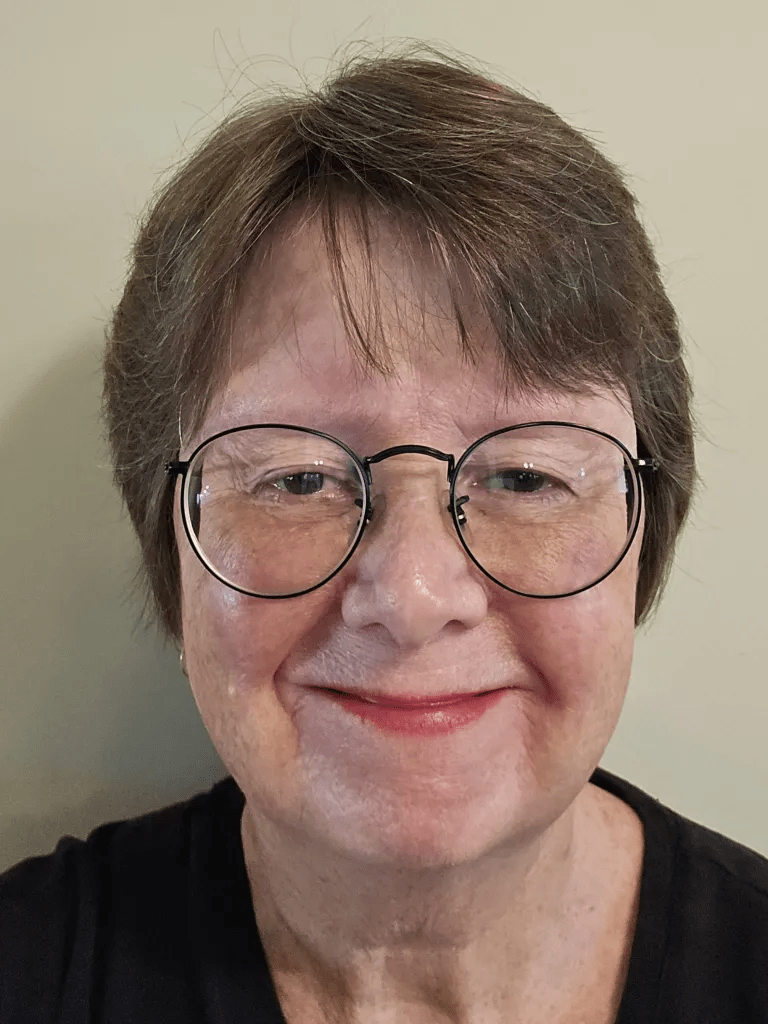
Beth Stewart is a writer, educator, and visual artist. She has a B.A. and a B.Ed. from the University of Windsor and a Diploma in Art Therapy from Western University. Beth has worked as an Art Therapist with Canadian war veterans and as a Secondary School Teacher of art and English for the TVDSB. She retired in 2024.

Beth was the arts editor at Scene Magazine from 2004 to 2006. She founded Artscape Magazine in 2006 and served as its editor until 2008. In addition, Beth wrote on the arts for Lifestyle Magazine from 2006 to 2017 and served as the copy editor for The Beat (in print) from 2009 to 2013.

As a visual artist, Beth works mainly in dry media and favours coloured pencil. Over the past decade, Beth’s focus has been on wild and domestic birds. Beth is a member of the Coloured Pencil Society of America, the Gallery Painting Group, the Eclectic Collage Collective, the Lambeth Art Association, and a founding member of the Coloured Pencil Artists of Canada group.

Web: https://bethstewart.ca/

Facebook: https://www.facebook.com/profile.php?id=100009620916363
Heart and Soul: Angela Hardy and Robert Ruby

by Beth Stewart

(Pictured: Angela Hardy, “Artists in Love”, acrylic with metallic background on two 6-by-8-inch panels.)

Angela Hardy hails from Labrador; Robert Ruby was born in Kitchener. The odds of them ever meeting were slim to begin with. That they met and fell in love, is serendipitous.

The two visual artists now live and work together in St. Thomas, Ontario. It is a relationship forged in happenstance and fired by a passion for art.

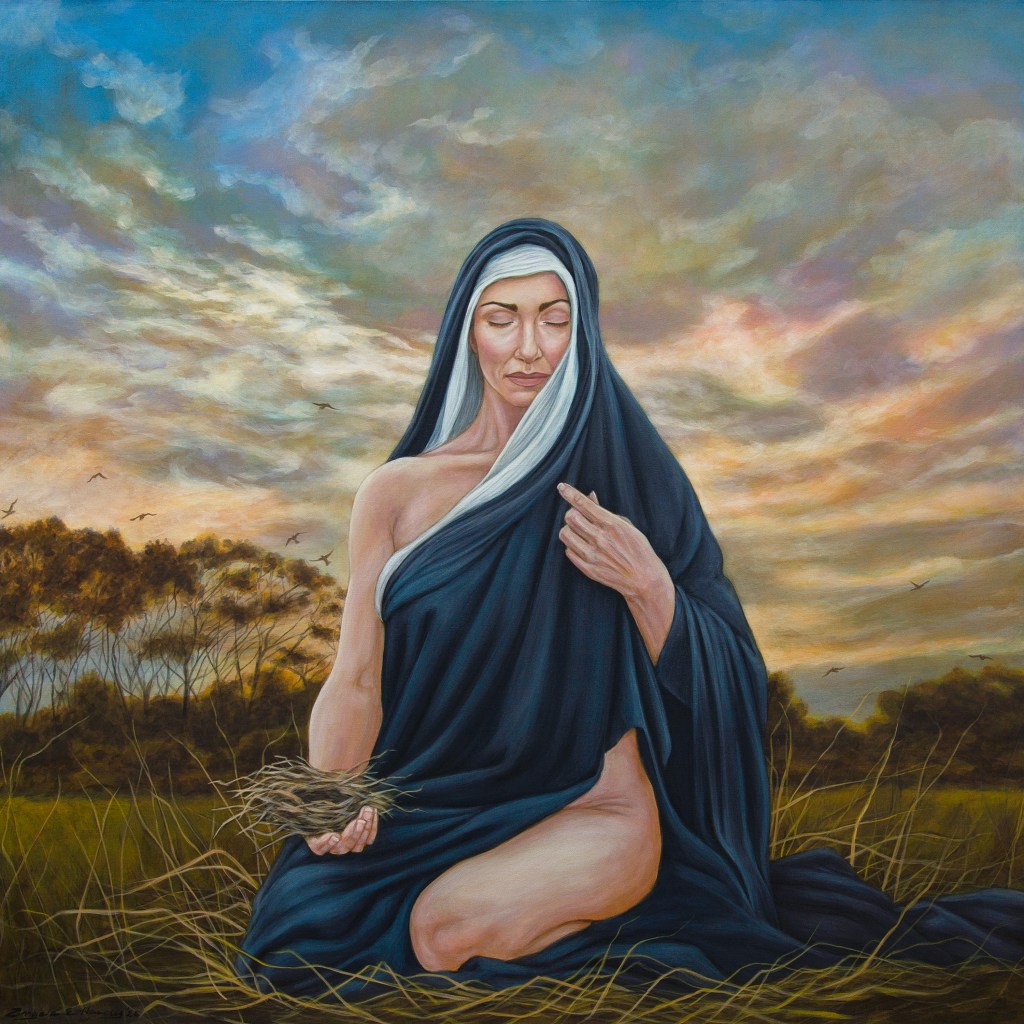
Angela Hardy has worked and trained in most mediums, but primarily considers herself an acrylic painter. Her art is firmly rooted in realism with a healthy dollop of impressionism. She has a deep love of colour and light.

While she paints multiple subjects, including birds, blossoms, landscapes, and skyscapes, she always circles back to figurative and portrait work. Overall, her subjects embrace beauty, love, and strength.

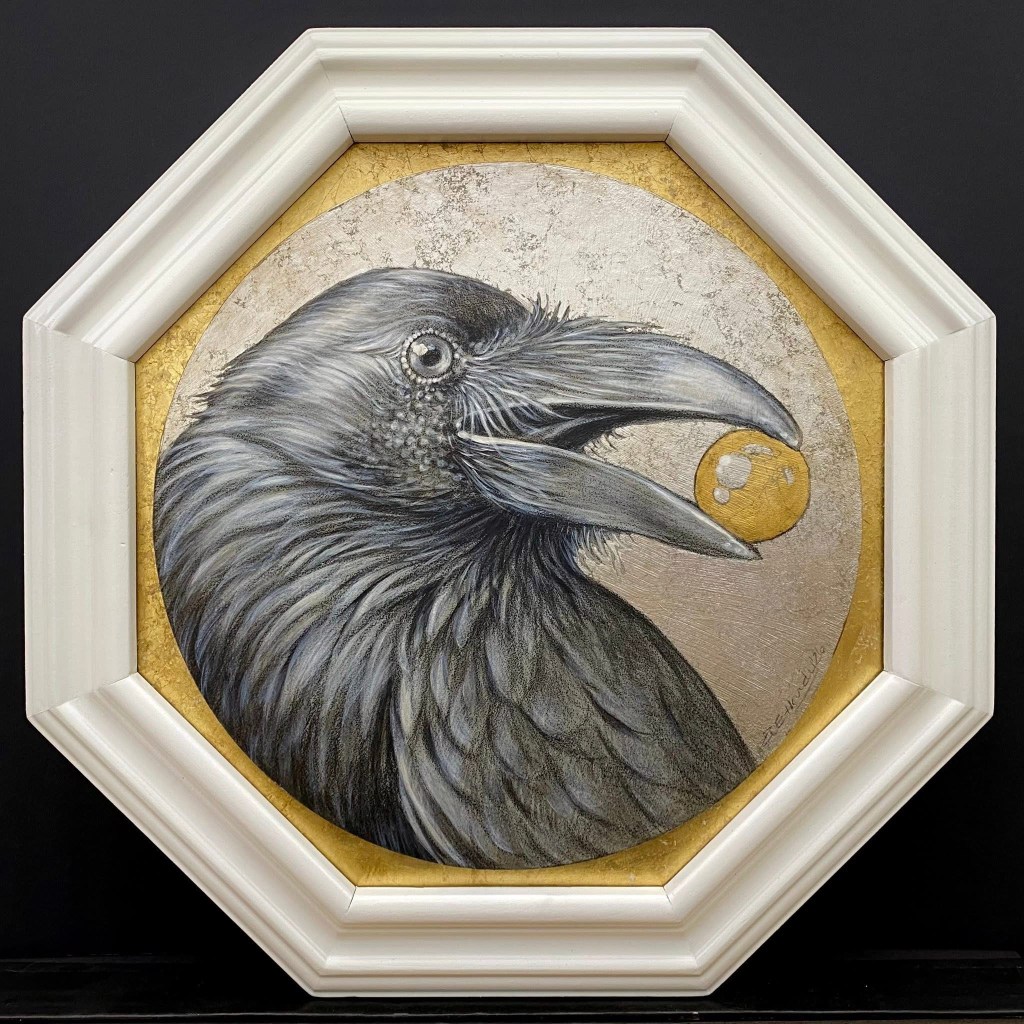
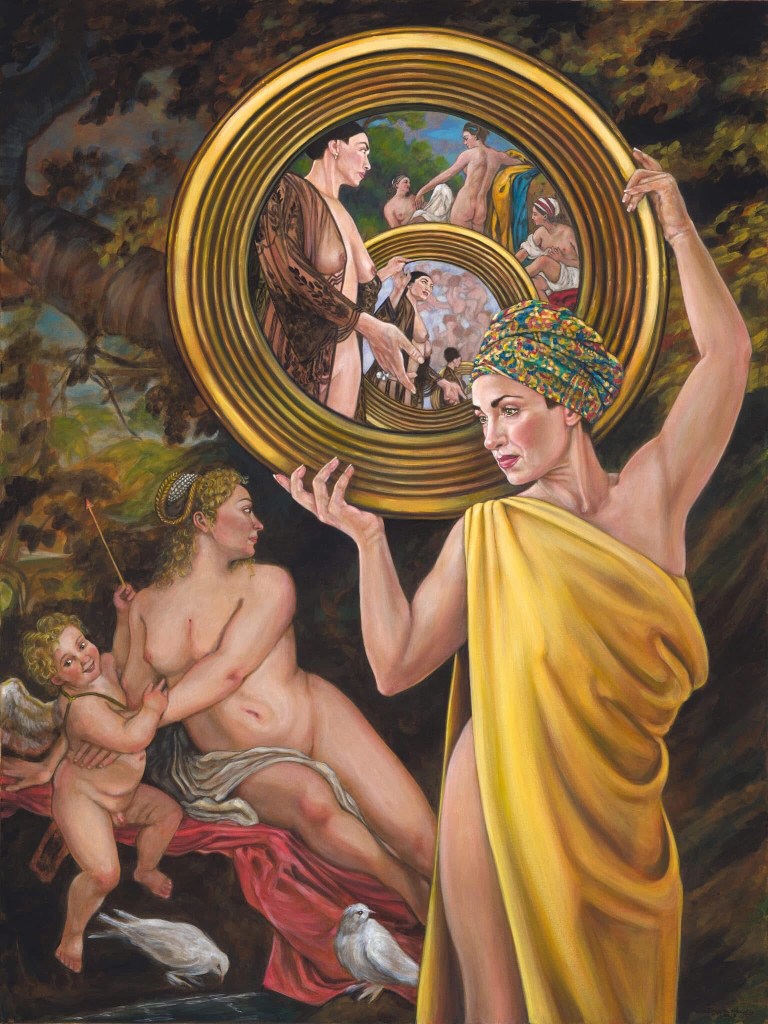
(Pictured: Angela Hardy, “The Keeper”, grease pencil, acrylic paint, silver and gold leaf on a 10-inch round panel with a 14-inch refinished wood octagon frame.)

Over the last few years, Hardy has leaned hard into her passion for art history and the symbolism and decorative elements of the Medieval, Renaissance and Art Nouveau periods.

The desire to draw and paint has always been a part of Hardy’s life. It was first nurtured by her mother, and then she was fortunate enough to attend West Viking College in Newfoundland and the Nova Scotia College of Art and Design in Nova Scotia.

A little over 10 years ago, Angela Hardy moved to Ontario.

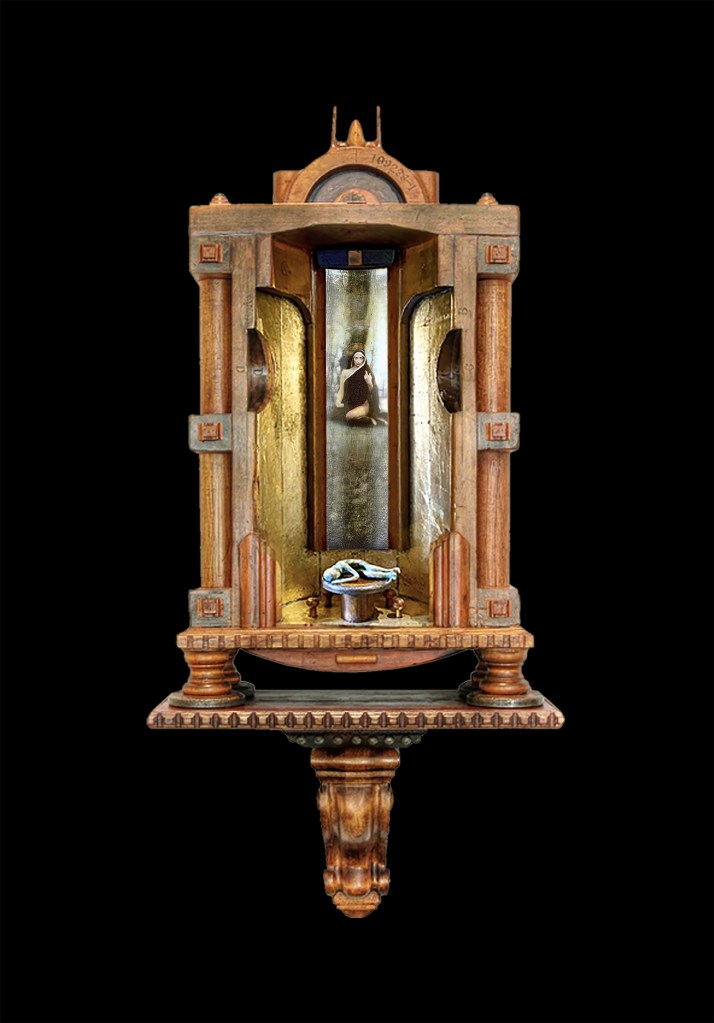
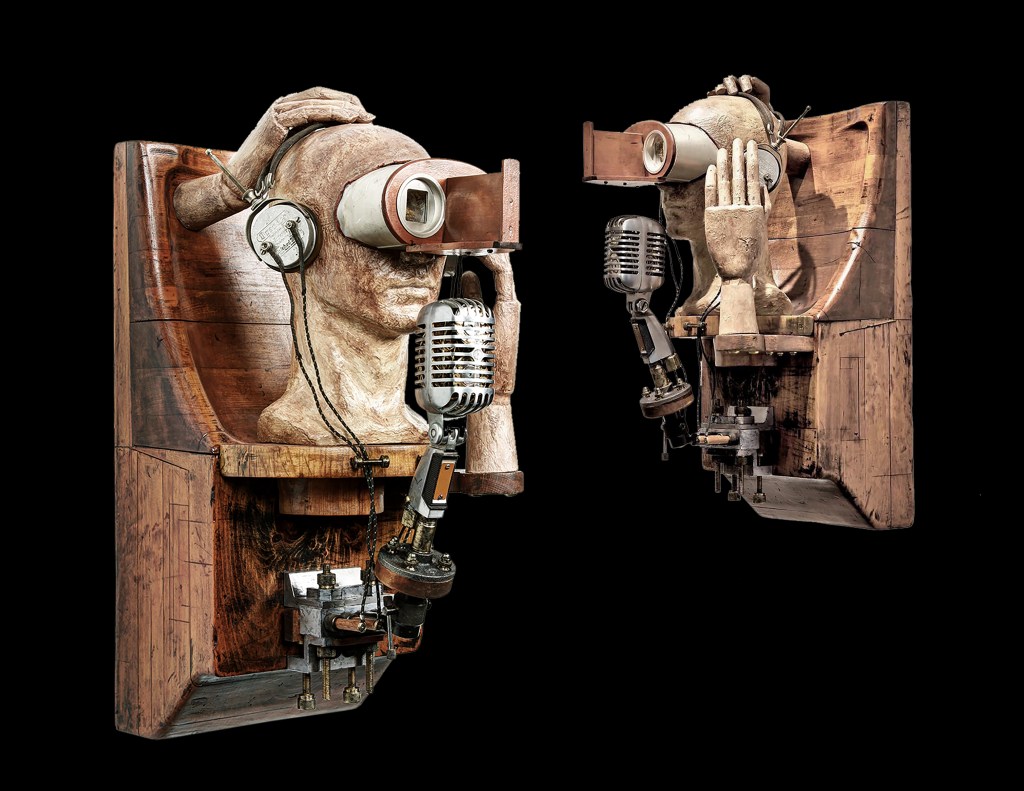
Robert Ruby graduated from the Fine Art Environmental program at Fanshawe College. He, too, has worked in a variety of mediums, but has always gravitated towards assemblage, art that brings together disparate elements – often everyday objects, scavenged or bought – to form a new whole.

The act of assemblage can be seen as a rebellion against art in the traditional sense, and this, says Ruby, makes “intent and narrative” a crucial element of the medium.

Ruby embraces Kurt Schwitters’ philosophy that there is “no reason why used tram tickets, bits of driftwood, buttons and old junk from attics and rubbish heaps should not serve well as materials for paintings.”

It is appropriate that much of his work with its congregation of materials resembles altar pieces, reliquaries or shrines, as he too seeks to protect and respectfully display objects and ephemera.

Ruby is an acquired brain injury (ABI) survivor, which impacts his life and art. There was a long period of time, fourteen years to be exact, during which he attempted to deal with it on his own. He finally sought help.

It was not long after this that he met Angela Hardy, who was giving a talk on art in Port Dover.

He says, “Because of her, on October 5th, 2015, my world changed.”

She says, “Life took a turn I could have never dreamed.”

They quickly discovered how their interests aligned, but for nearly a year, they stayed in the friend-only zone.

“We both knew that we belonged together. We did then, and we still do,” admits Ruby. His assemblage, “Help is on its Way,” is a tribute to Hardy.

(Pictured: Robert Ruby, “Help is on its Way”, mixed media, 42 by 20 by 9 inches, 2022. This piece is part of a body of work that speaks to the challenges, confusion and frustration that often surround an Acquired Brain Injury.)

Angela Hardy and Robert Ruby’s home is also their workspace, so the two are almost constantly together. Both agree they wouldn’t have it any other way.

Ruby says, “Our physical space, the studio, tells a story. What’s in it? Paint palettes and drippings, brushes, tea cups, gears, tools, clocks, canvases, grease pencils, parchment paper, books, easels, paintings and assemblages. It’s a mirror in which I see my dear one, Angela Elizabeth Marie, every day.”

Hardy adds, “There’s never a shortage of romantic gestures or discussions on life and love. We have both lived full lives previous to ‘us’ and that helps drive us to not want to waste the time we have together.”

Since meeting, the two have enjoyed successes and met challenges.

In 2018, one of Hardy’s pieces was accepted into the Salon de la Société Nationale des Beaux Arts (SNBA), Carrousel du Louvre à Paris. In 2019, she was awarded a silver medal for painting at the Arts Sciences Lettres, Paris. Then, life took a couple of unexpected detours.

(Angela Hardy’s acrylic on canvas 30 by 40 inch “Venus Within” was shown at the SNBA, Salon de la Société Nationale des Beaux Arts, Carousel de Louvre in 2018.)

The first was the pandemic. The uncertainty made it hard for Hardy to dive back into the body of work – the “Indestructible Women” series – she had begun before her time in France.

Then, in 2021, her mother, Hardy’s guiding force, became ill with Alzheimer’s. Hardy returned to Labrador, where she stayed for eleven months caring for her mother while battling the Newfoundland healthcare system for her mother’s right to stay in Labrador.

Says Hardy, “Watching my mother decline changed how I see the world.” It drove home the importance of living fully. She concluded, “Art isn’t just for when we have time or feel the inspiration, it is a powerful tool to help us in difficult times … when we create for ourselves, we also serve others by giving their minds, imaginations, and emotions a place to linger.”

Her mother passed away in December 2022. Hardy says, “Without my partner, my Robert, his support and love, I don’t think I would have made it through it at all or find my way during and after.”

(Pictured: Angela Hardy, “Sanctuary of Safe and Sound” (part of the ongoing “Indestructible Women” series), acrylic on canvas, 48 by 48 inches.)

In 2023, Ruby had a 22-piece solo show at the St. Thomas-Elgin Public Art Centre (STEPAC). “The Mechanics of Meaning” explored his experience navigating life with an ABI. Much of the work was assemblage art, and the melding of old and new materials in this project can be seen as a metaphor for Ruby’s old self meeting and melding with his new self.

(Pictured: Robert Ruby, “Three Out Of Five Ain’t Bad”, mixed media, 12 by 24 by 10 inches, 2023.)

Since then, Ruby has been working on pieces that address the issue of aging, with his most recent piece titled “Assisted Living no. 01”. In addition, he has been working on a series about society’s treatment of women. One of the finished pieces in this series is “White Picket Fence,” which is fashioned after Margaret Atwood’s Handmaids.

Four of his assemblages are currently on display at Frankingstyle Art Gallery on Talbot Street in St Thomas.

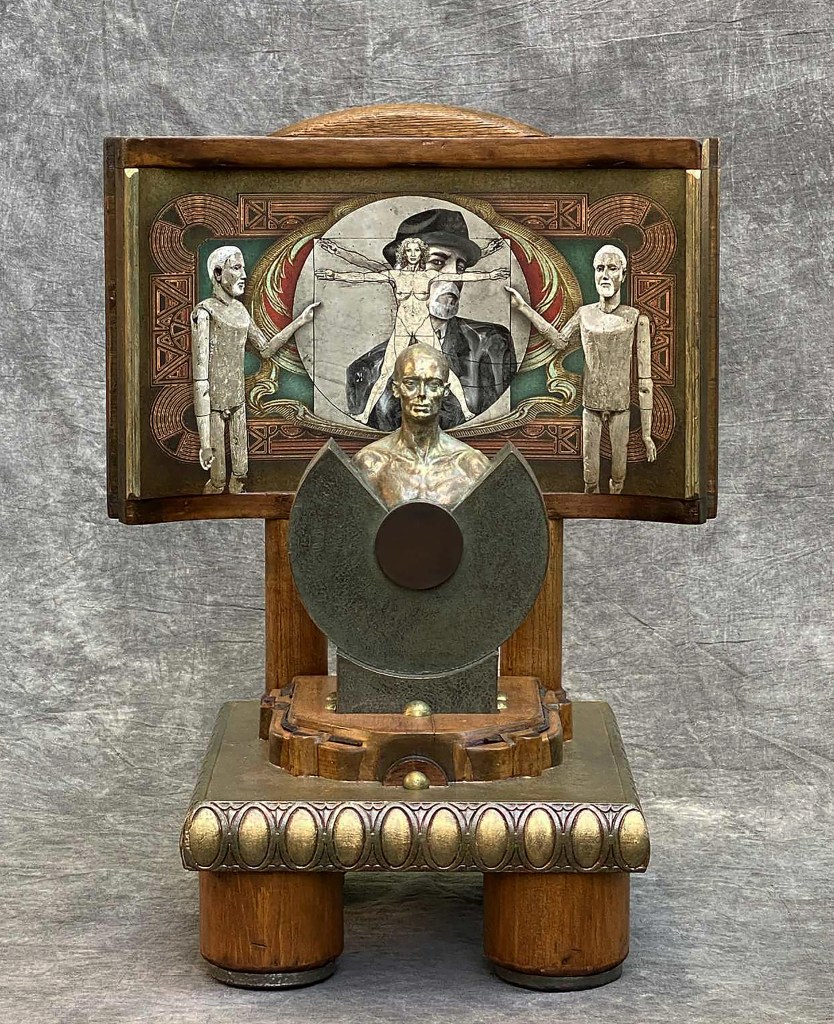
(Robert Ruby’s “Declaration No 01” is subtitled “Before Every Vitruvian Man There’s a Vitruvian Woman”.)

In their time together, Angela Hardy and Robert Ruby have never run short of creativity. Says Hardy, “If anything, this collaboration of love and creativity keeps growing. Our day-to-day revolves around the art we make.”

London photographer Paul Lambert says, “Angela and Robert are a testament to the beauty of connection. Angela and Robert remind us that being ‘artists in love’ isn’t just about sharing a creative life — it’s about living as co-creators of something bigger than themselves.”

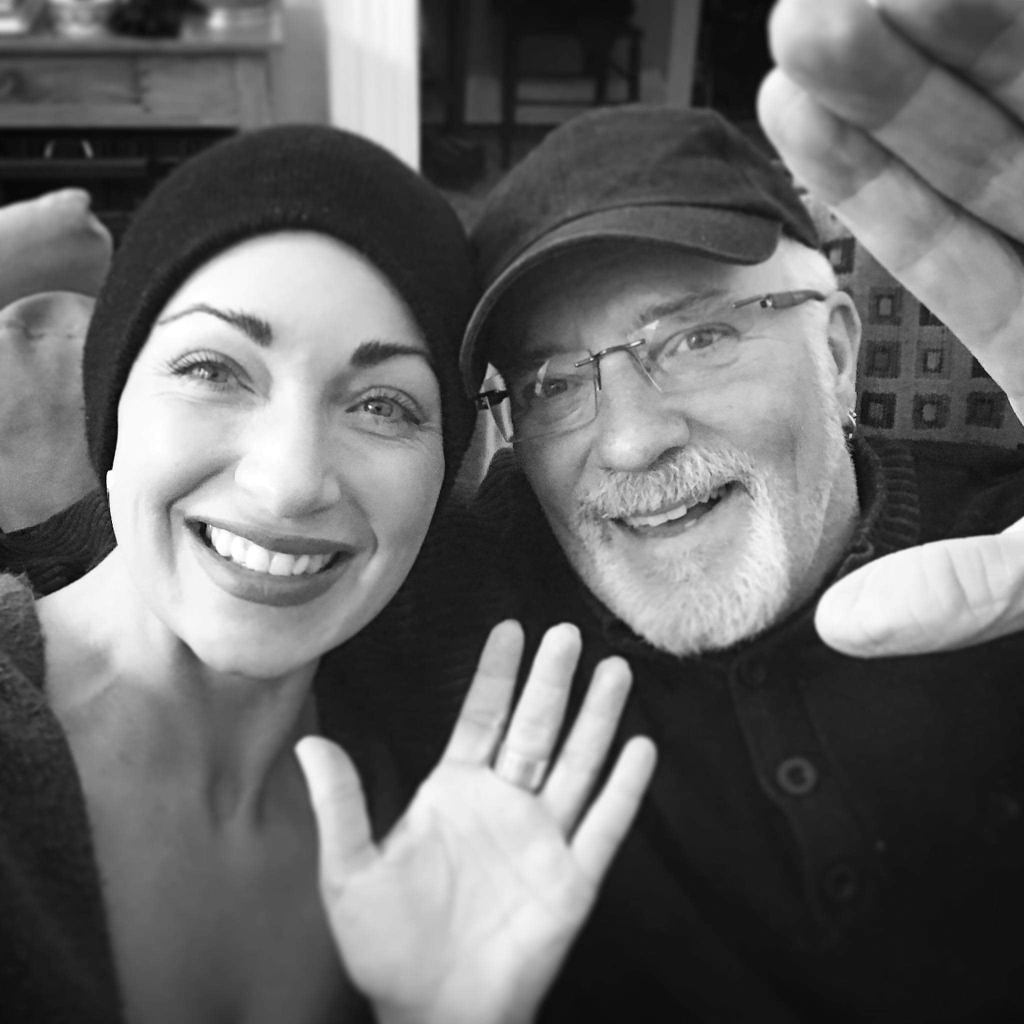
(Pictured: Angela Hardy and Robert Ruby. Photograph by Robert Ruby.)

For more information on Angela Hardy and Robert Ruby, visit:

http://www.angelahardyfineart.com/

http://www.facebook.com/angelahardyfineart

Instagram: @ang2art

http://www.robertrubyfineart.com

By Beth Stewart

Web: https://bethstewart.ca/

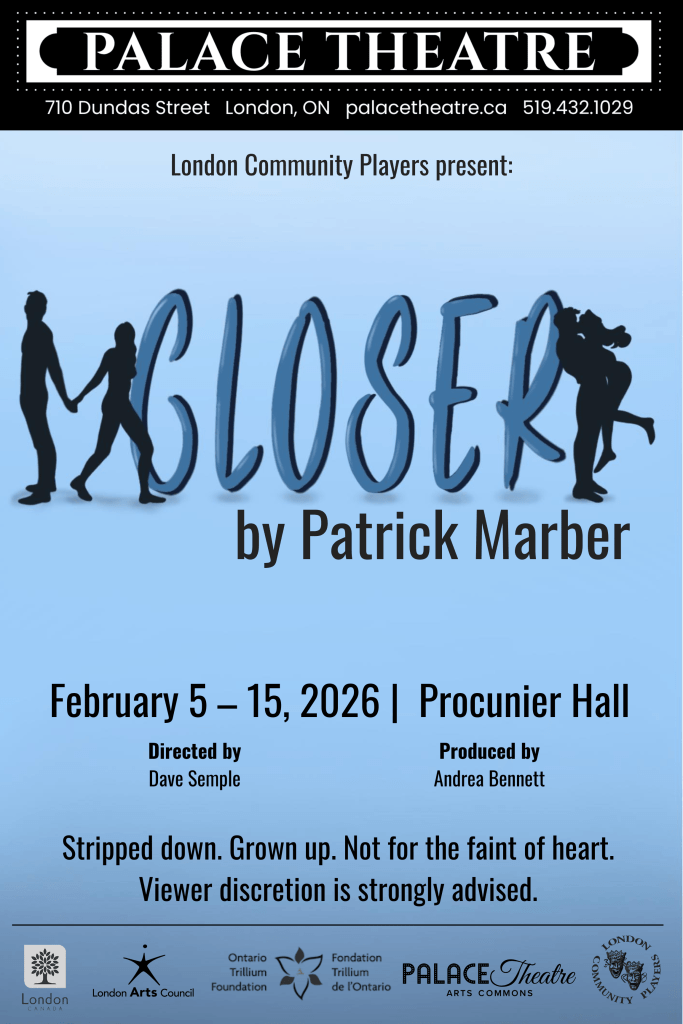
Closer: Love Laid Bare at Procunier Hall

by Jo-Anne Bishop

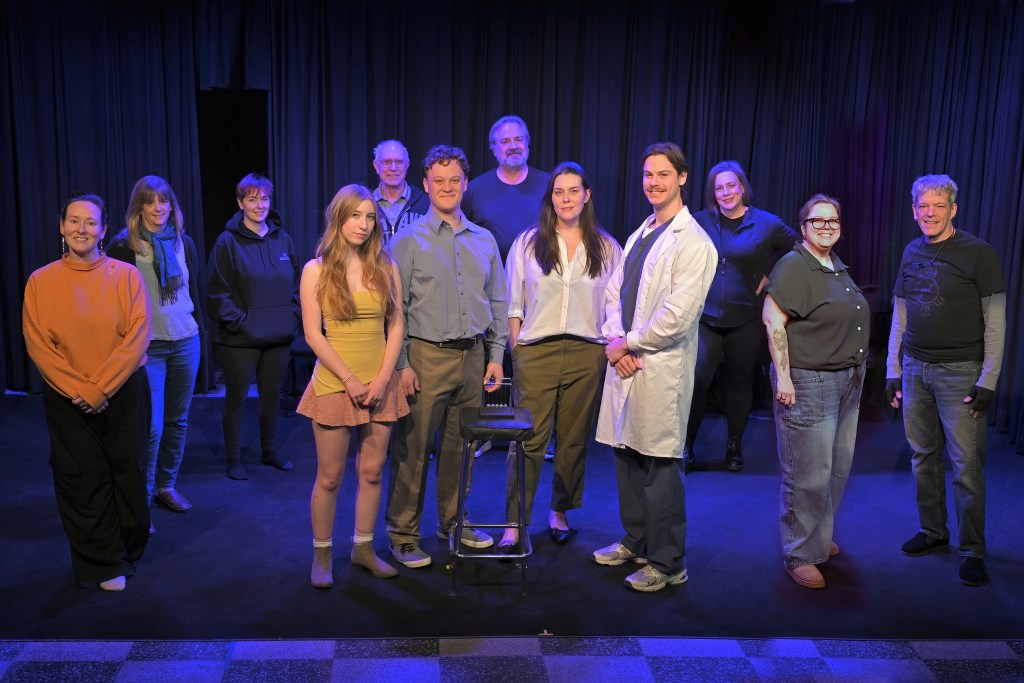
(Pictured: Cast & Crew of Closer. Photo Credit: Ross Davidson.)

There are moments early in Closer when you may find yourself wondering where it’s all going. Patrick Marber’s provocative examination of love, desire, and emotional brutality opens at a measured pace, and I’ll admit that at first, I wasn’t convinced. The stripped-down staging and deliberate slowness made me question whether this production would land for me at all. But somewhere around the midpoint of the first act, something shifted, and from there on, I was completely engrossed.

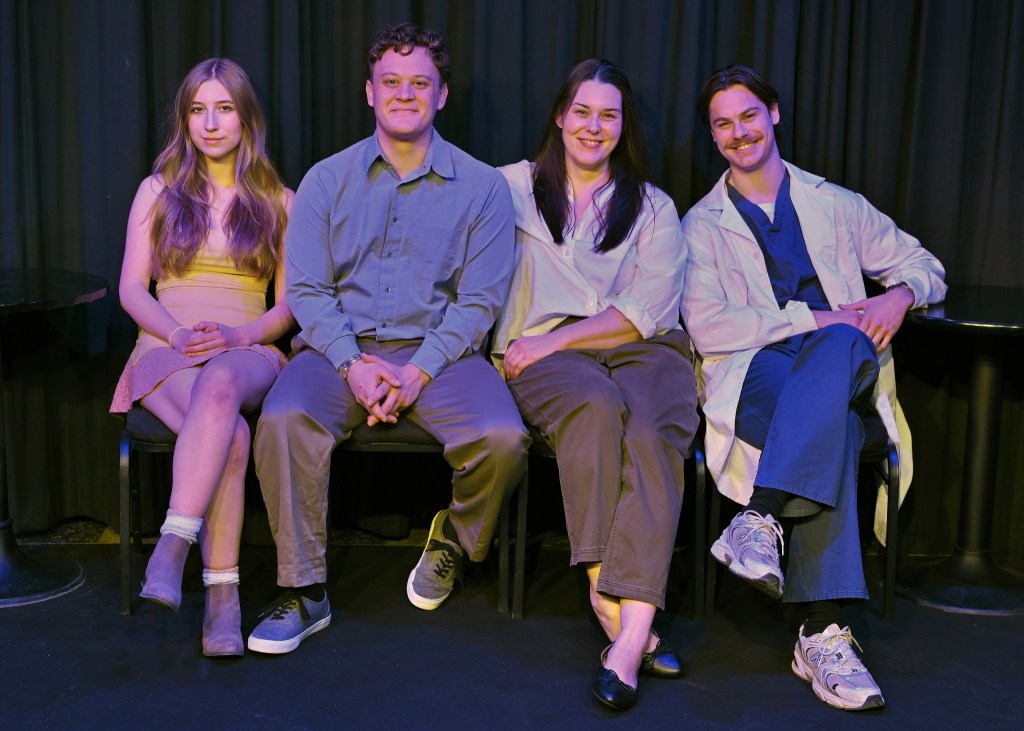
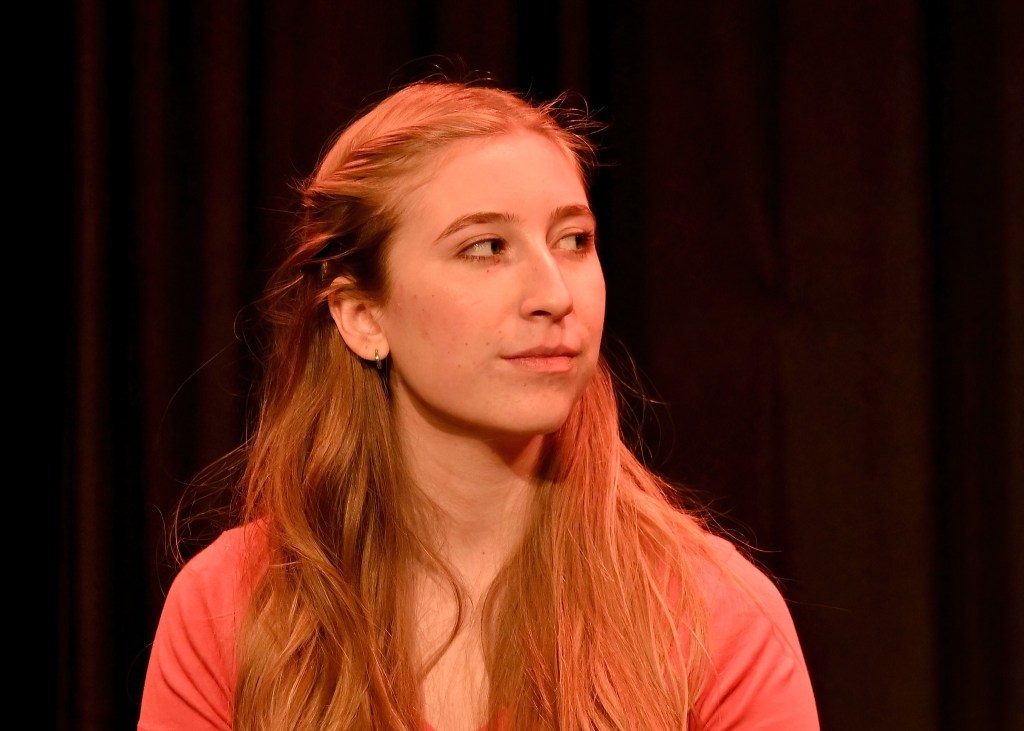
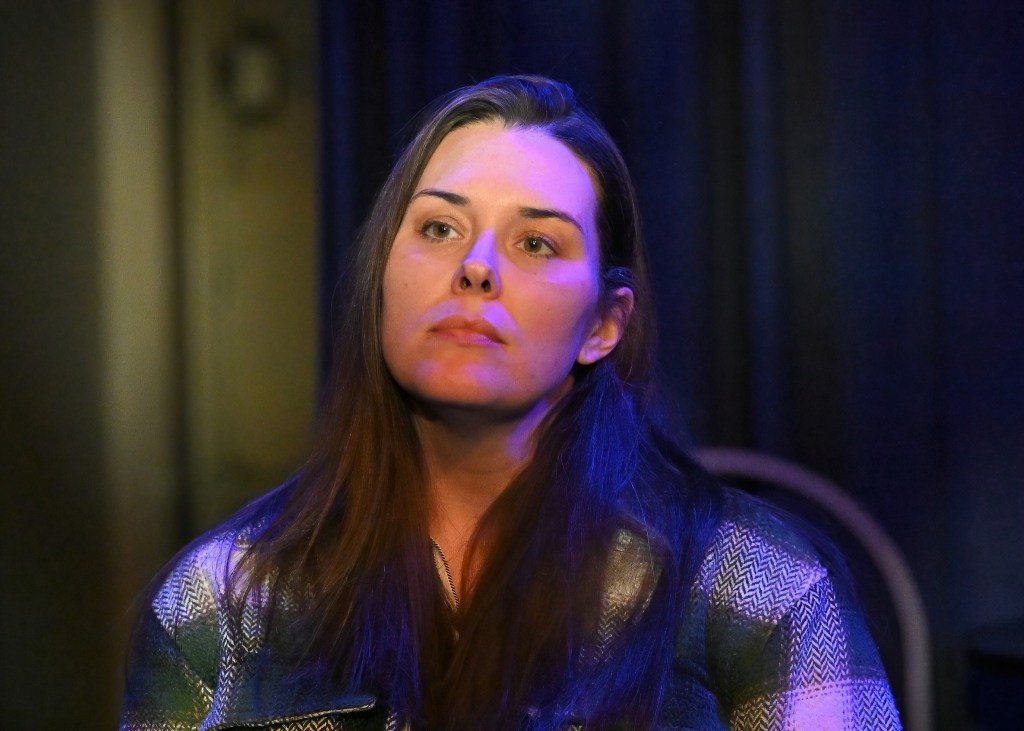
Directed by Dave Semple and produced by Andrea Bennett, Closer unfolds in the small black box space at the Palace Theatre’s Procunier Hall, placing the audience uncomfortably close to the emotional wreckage on stage. Starring Noah Englmann as Dan, Scarlett Allen as Alice, Alex Pinter as Larry, and Meghan Brown as Anna, the production strips away nearly everything except the actors themselves and ultimately proves it doesn’t need anything more.

(Pictured: Closer Cast – Scarlett Allen, Noah Englmann, Meghan Brown, and Alex Pinter. Photo Credit: Ross Davidson.)

The performances across the board are deeply believable, but special recognition must go to the two female roles. Scarlett Allen gives a brave, uncompromising performance as Alice. Allen gives herself fully to the role, including moments of near-total nudity that could easily feel gratuitous or awkward in lesser hands. Instead, she owns the space with absolute confidence. Never hesitant, never insecure. Her fearlessness makes Alice feel raw, real, and emotionally dangerous, which is exactly what the role demands.

(Pictured: Scarlett Allen as Alice. Photo Credit: Ross Davidson.)

Meghan Brown’s Anna is equally compelling, offering a performance layered with vulnerability, restraint, and quiet devastation. I found myself hanging on her every word and movement, forgetting for a moment that this was a play and not a moment of voyeurism. Together, Allen and Brown anchor the production with emotional authenticity, elevating every scene they’re in. While Englmann and Pinter deliver strong, grounded performances as Dan and Larry, it’s the women who truly drive the emotional core of the play.

(Pictured: Meghan Brown as Anna. Photo Credit: Ross Davidson.)

Closer is, at its heart, an unflinching look at relationships and the many contradictions of love. I grew up on the verse “love is patient, love is kind,” but this play reminds us that love can also be messy, cruel, obsessive, and brutal. Marber doesn’t soften any of it, and this production leans fully into those truths. Love here is exposed for all its ugliness and beauty, its tenderness and violence, and the result in this production is as uncomfortable as it is compelling.

The program describes the show as “stripped down, grown up, and not for the faint of heart,” with a strong viewer discretion warning—and that description is absolutely accurate. This is not a play for anyone inclined to clutch their pearls. If explicit language, sexual frankness, or emotional cruelty make you uncomfortable, this likely isn’t the show for you. But if you’re willing to sit with a little bit of discomfort, Closer will reward you with a powerful exploration of love, loss, and heartbreak.

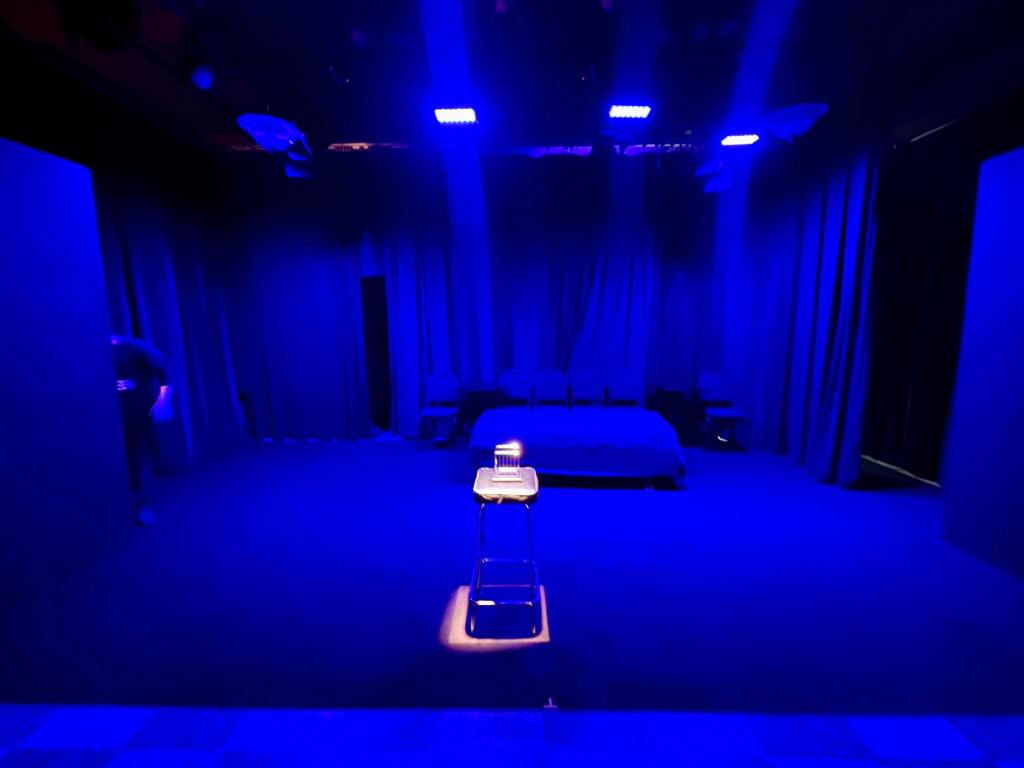
One of my initial hesitations was the minimalist staging. There are no traditional props and only sound effects and physical suggestion. At first, I found myself distracted, wondering why actual props weren’t used at all. But as the play progressed, it became clear: they don’t need them. The actors are the props. Their physicality, timing, and emotional commitment are so precise that you stop noticing what’s missing. Your focus narrows entirely to the characters and their unravelling relationships, which is exactly where it should be.

(Pictured: Set of Closer. Photo Credit: Ross Davidson.)

By the end of the two-hour production, the bare stage feels not like a limitation but a strength. The production is perfectly staged and brilliantly acted, proving that when performances are this strong, nothing else is necessary.

Despite my early doubts, I left thoroughly impressed and genuinely moved. Closer is challenging, bold, and beautifully performed. If you’re looking for theatre that doesn’t shy away from taking emotional risks, do yourself a favour and catch this production before it closes on February 15th.

IF YOU GO:

What: Closer, by Patrick Marber

When: February 5th-15th, 2026

Where: Procunier Hall at the Palace Theatre, 710 Dundas St, London Ontario

Tickets: $30-33, 2024-2025 Shows – Palace Theatre  RECOMMENDED 18+

Reviewed by Jo-Anne Bishop

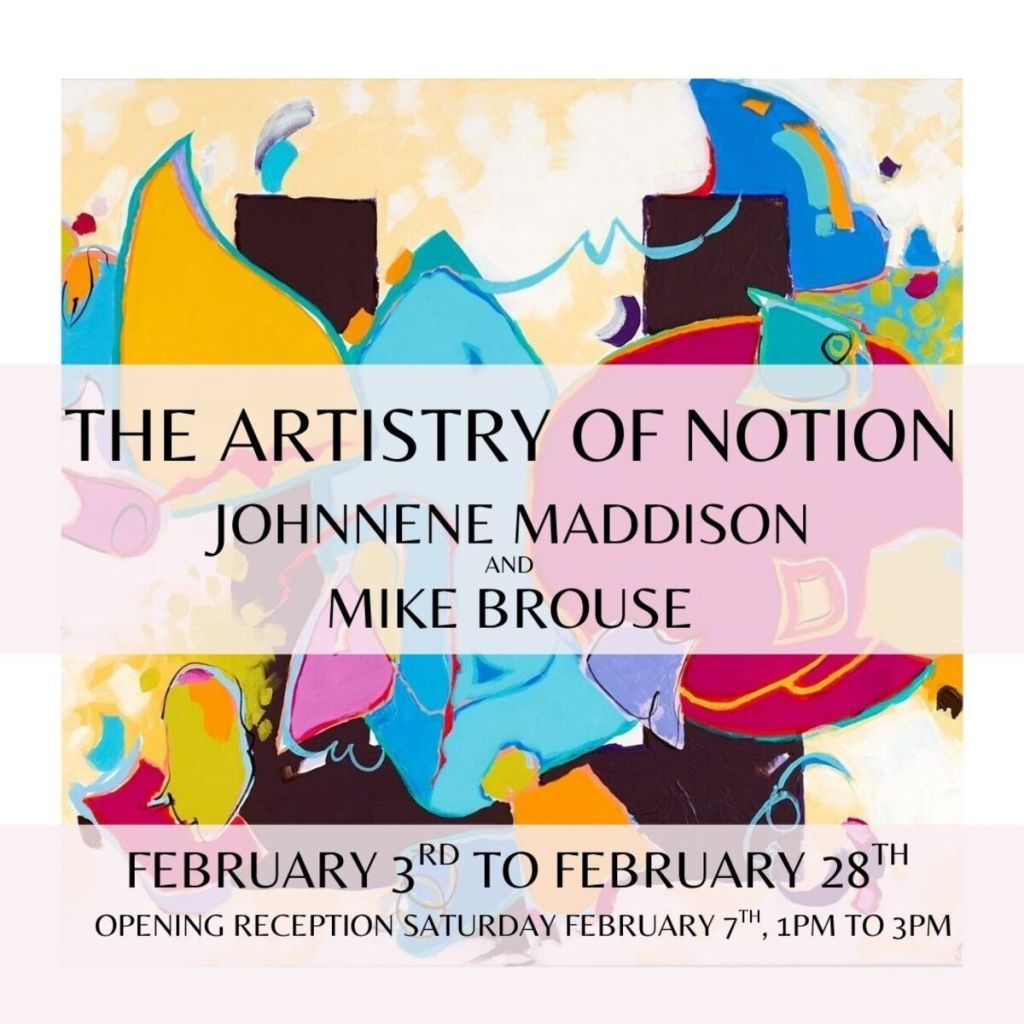
The Artistry of Notion, at Westland Gallery until February 28.

Reviewed by Beth Stewart

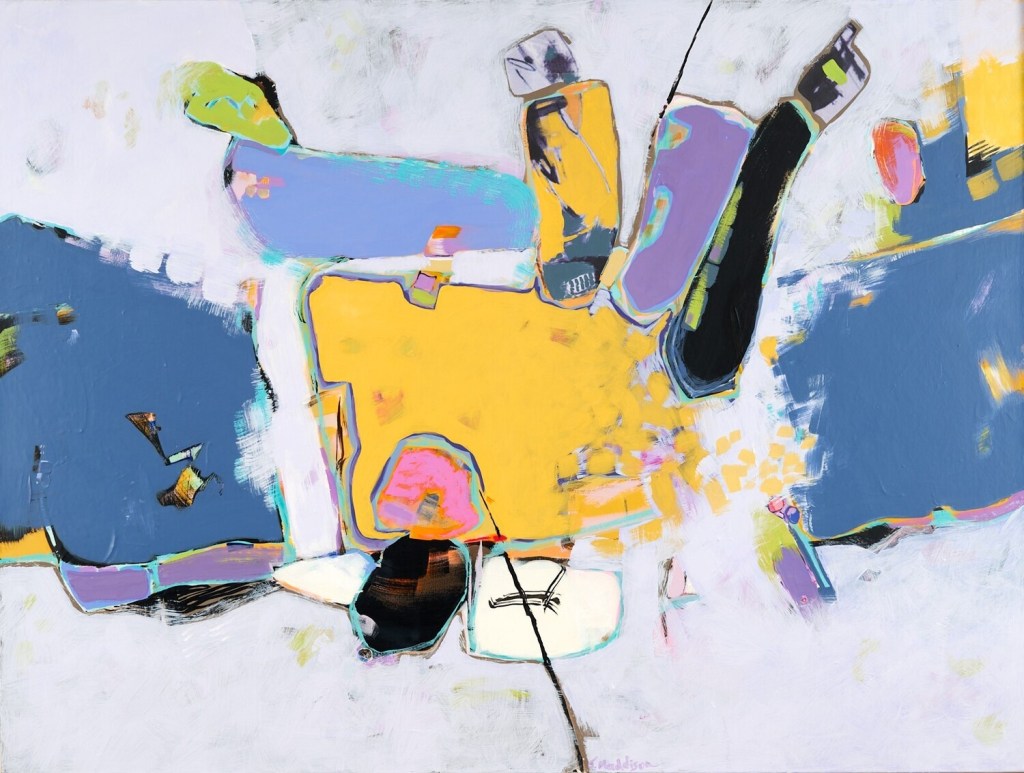
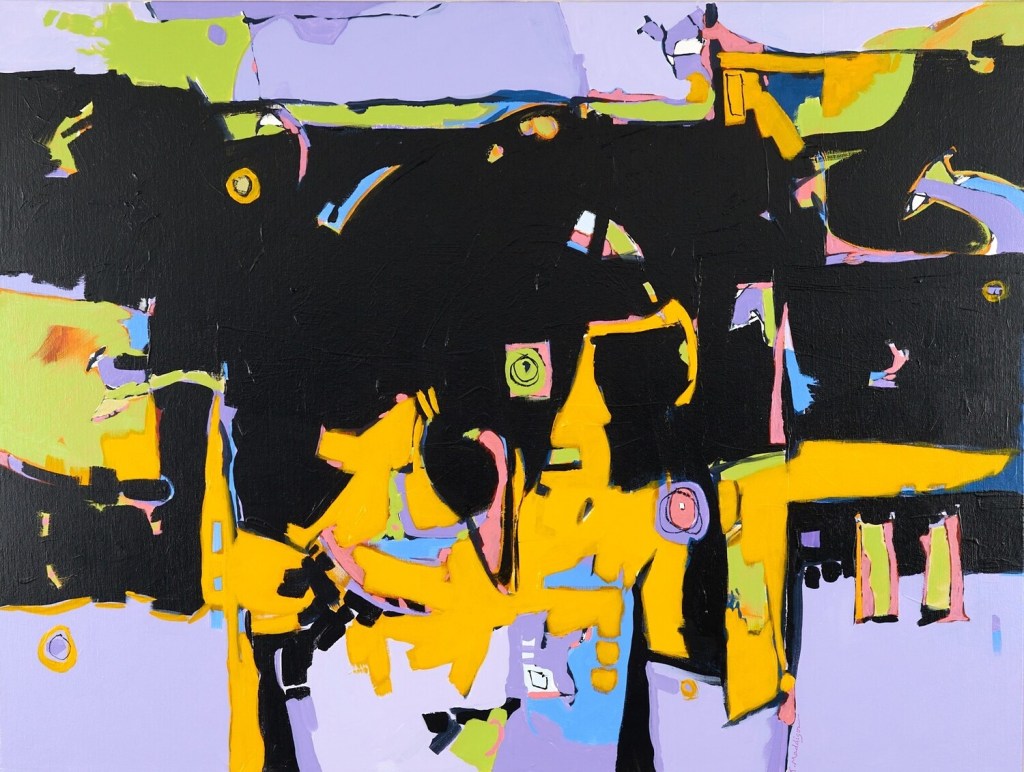
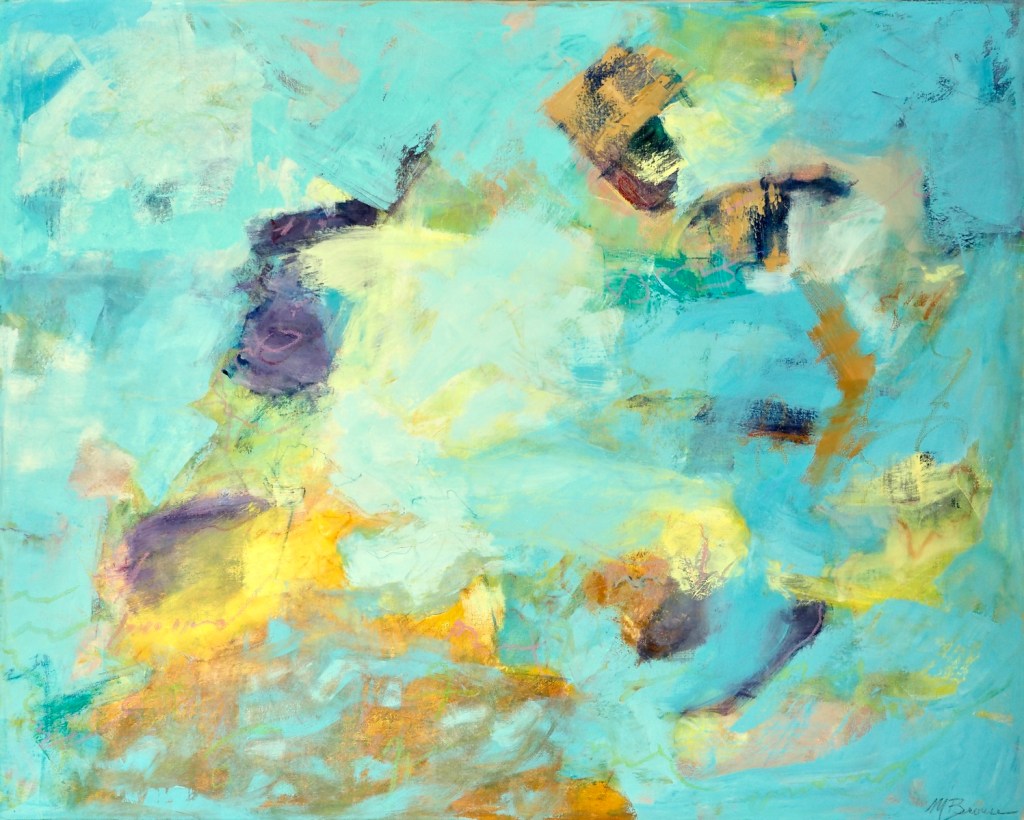
The Artistry of Notion exhibition at Westland Gallery celebrates the work and friendship of Johnnene Maddison and Mike Brouse. It includes fifteen of Maddison’s colourful abstractions, as well as three of her small hand-stitched gems, and fifteen of Brouse’s expressionistic pieces.

Maddison’s acrylic-on-canvas paintings fill the front gallery, while Brouse’s oils are spread throughout the rear gallery.

Johnnene Maddison’s delightful pieces preserve small points in time in paint and form.

In her artist statement, she writes about how her subject matter and choice of media has evolved over the years from mixed media work about women – their rights, their history, their challenges – to single-media acrylic paintings that are gestural and immediate.

This work is personal yet also presents Maddison’s experiences as universal truths.

The pieces burst with colour and carefully constructed forms. While the pieces stand on their own, the titles guide the viewer’s observations and direct their thoughts.

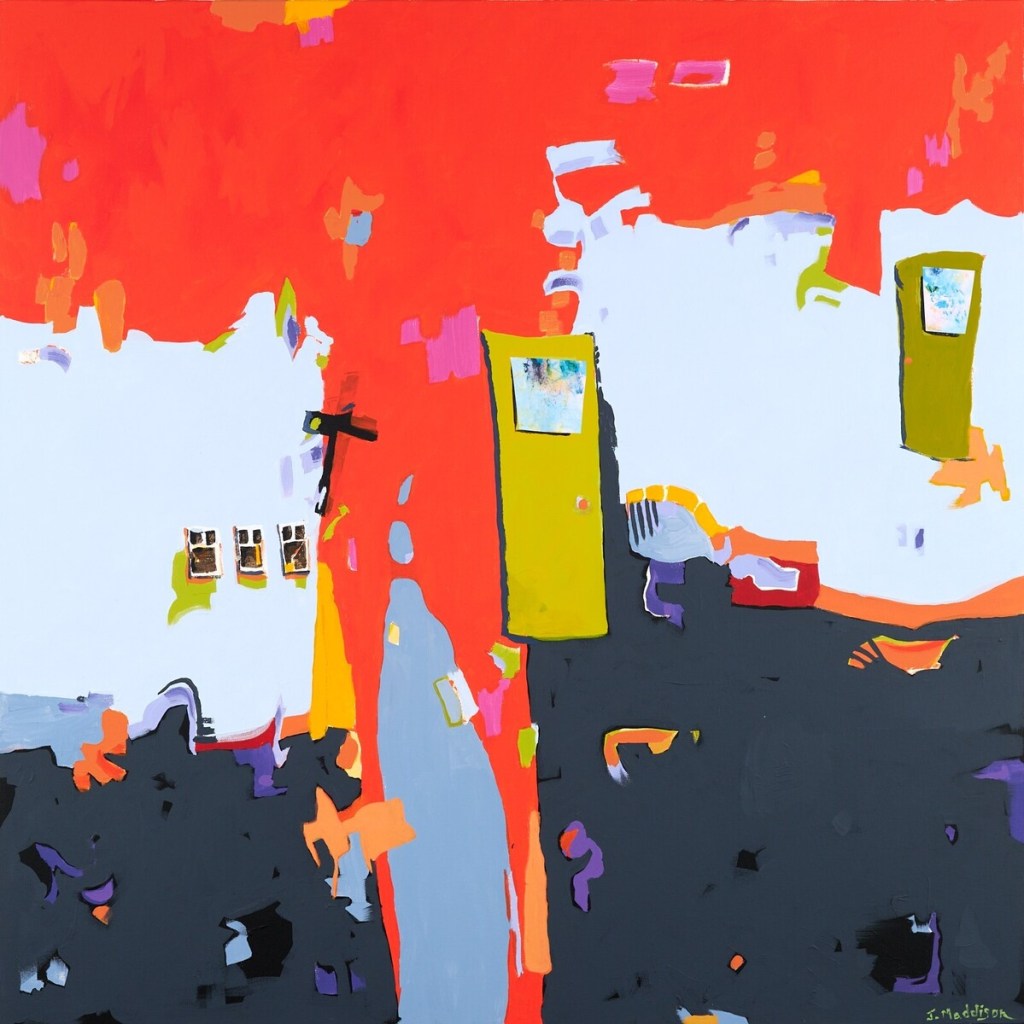
(Pictured: Johnnene Maddison, “Doors and Windows”, acrylic on canvas, 36 by 36 inches.)

Her 36-by-36-inch acrylic on canvas “Doors and Windows” rightfully occupies the front window. The subject can be enjoyed as is, but can also be seen as a representation of transitional thresholds.

(Pictured: Johnnene Maddison, “Wandering in My Mind”, acrylic on canvas. 30 by 40 inches.

Upon entering the gallery, her 30-by-40-inch acrylic on canvas, “Wandering in My Mind”, graces the left wall with its cadmium yellow centre clamouring for attention. Another eye-catcher, her 30-by-40-inch acrylic titled “Crazy Trip”, hangs on the back wall. Both embrace angular forms that straddle a line between staticity and busyness.

(Pictured: Johnnene Maddison, “Crazy Trip”, acrylic on canvas, 30 by 40 inches.)

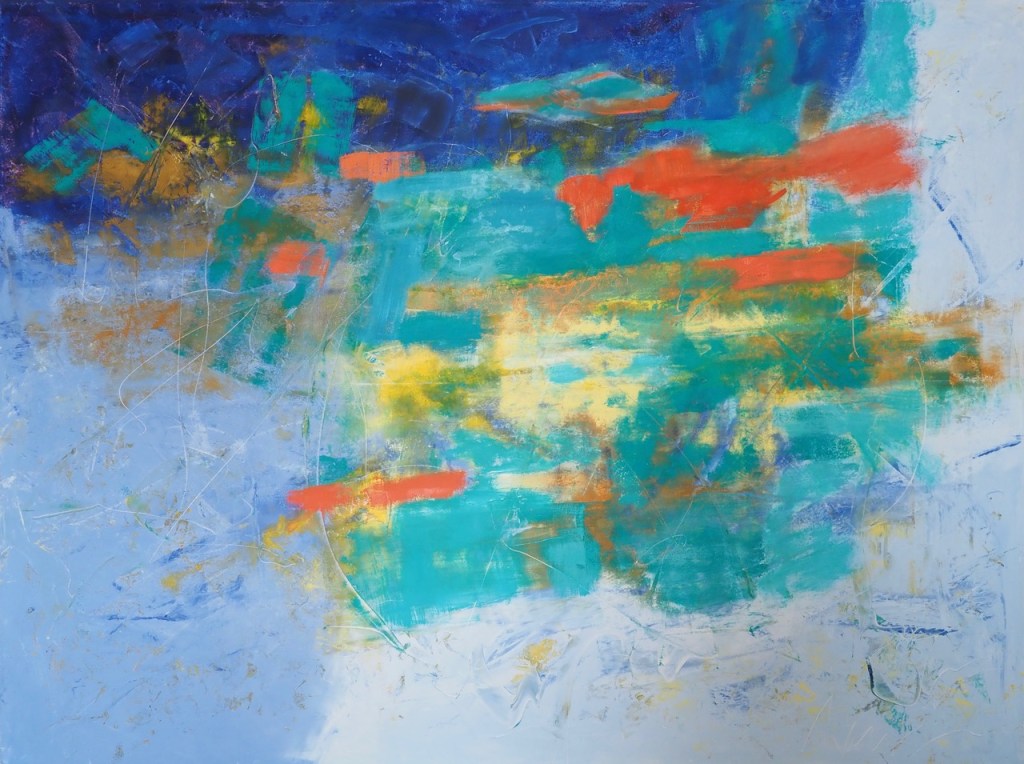
While Maddison boasts a well-established artistic career, Michael Brouse came late to art after taking a class just before retirement. Around 2010, he began painting landscapes, but says he soon became “excited about the distortions caused by waves on reflections [and] segued into expressive abstraction”.

He cites Maddison and American expressionist painter Krista Harris, whose work is rooted in the natural world, as having influenced his work.

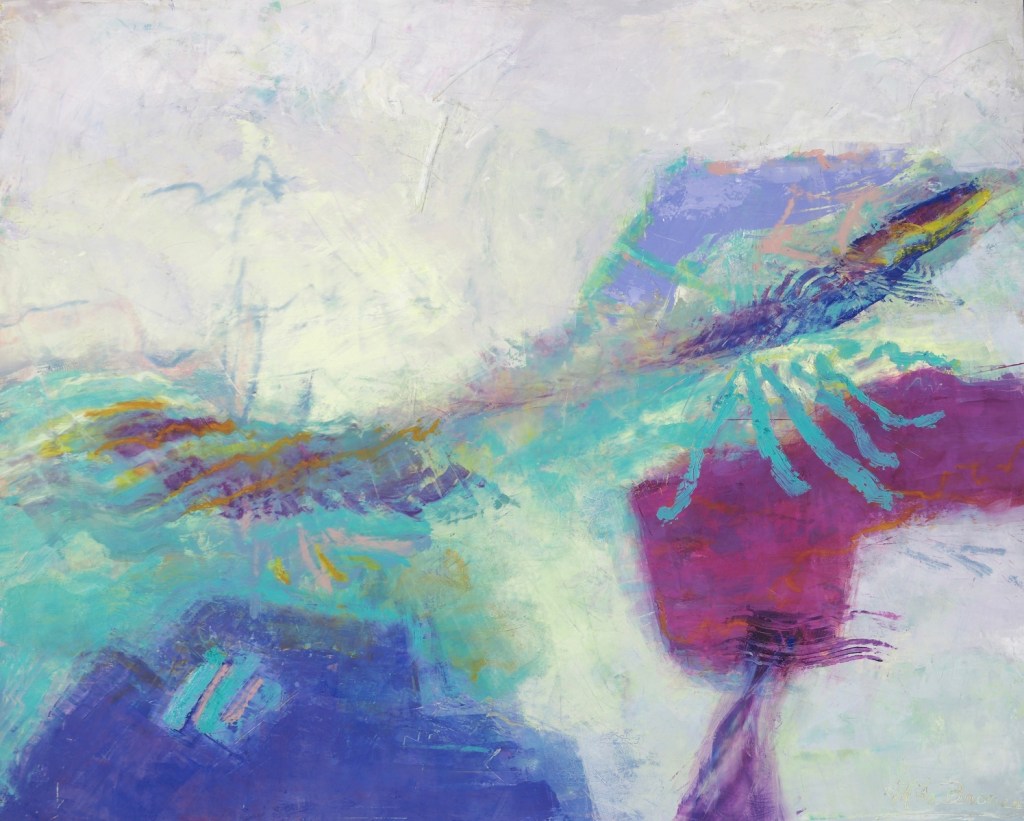
His works have an ethereal quality. As with Maddison’s work, titles are important

His layered, scratched, and scraped surfaces suggest landforms and figures, yet these remain elusive. His brushwork is ragged and energetic.

To Brouse, a notion as reflected in the title of this show refers to “an intuition, a feeling, imagination.” Fitting, as his expressive application of paint on a canvas conveys memory and dreams.

(Pictured: Michael Brouse, “Stillness”, oil on canvas, 36 by 48 inches.)

For example, he says his oil on canvas “Stillness”, which hangs on the left wall with its pops of orange, captures a vivid feeling from his childhood. It is one he has also marked with a poem: “Barefoot I stepped/ on to a cold winter floor/ as a child, touched by the/ radiant magic of a breaking morn./ My secret treasure stored away/ in the stillness.”

(Pictured: Michael Brouse, “North Shore”, oil on panel, 24 by 30 inches.)

On the right wall, Brouse’s 24-by-30-inch “North Shore” is next to the 32-by-40-inch “Notion”. While the subject of “North Shore” remains slippery, it contains forms that come tantalizingly close to representational, making it all the more intriguing.

One can assume its neighbour, “Notion”, is the source of the show’s title.

(Pictured: Michael Brouse, “Notion”, oil on canvas, 32 by 40 inches.)

IF YOU GO:

What: The Artistry of Notion featuring works by Johnnene Maddison and Mike Brouse.

When: February 3 to February 28. Opening Reception on Saturday, February 7, from 1:00 to 3:00pm.

Where: Westland Gallery, 156 Wortley Road, London, ON,

For more information, visit: https://westlandgallery.ca/

Reviewed by Beth Stewart

Uncommon Things Ring True

Reviewed by Beth Stewart

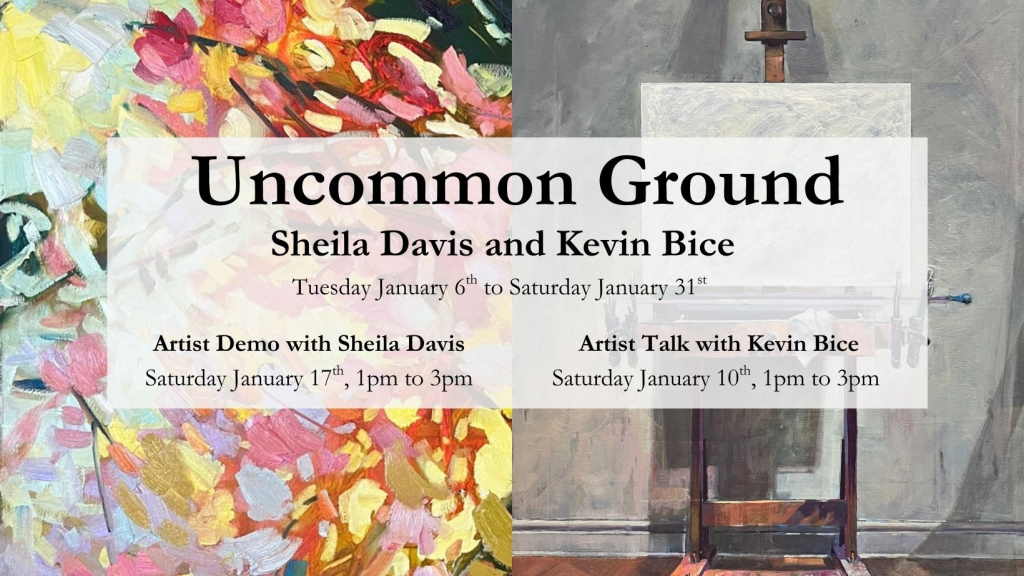
Uncommon Ground at Westland Gallery, January 6 to 31, 2026, brings together work by two disparate artists: Sheila Davis and Kevin Bice. While the works of both are firmly rooted in the environment, they diverge drastically from there. Together, they are a feast for the eyes and mind.

The main level is filled with Davis’s vibrant landscapes; it is an environment of colour, light, and form. The upper-level embraces Bice’s muted still life and landscapes; it is an environment of studied memory. Both celebrate the richness of life.

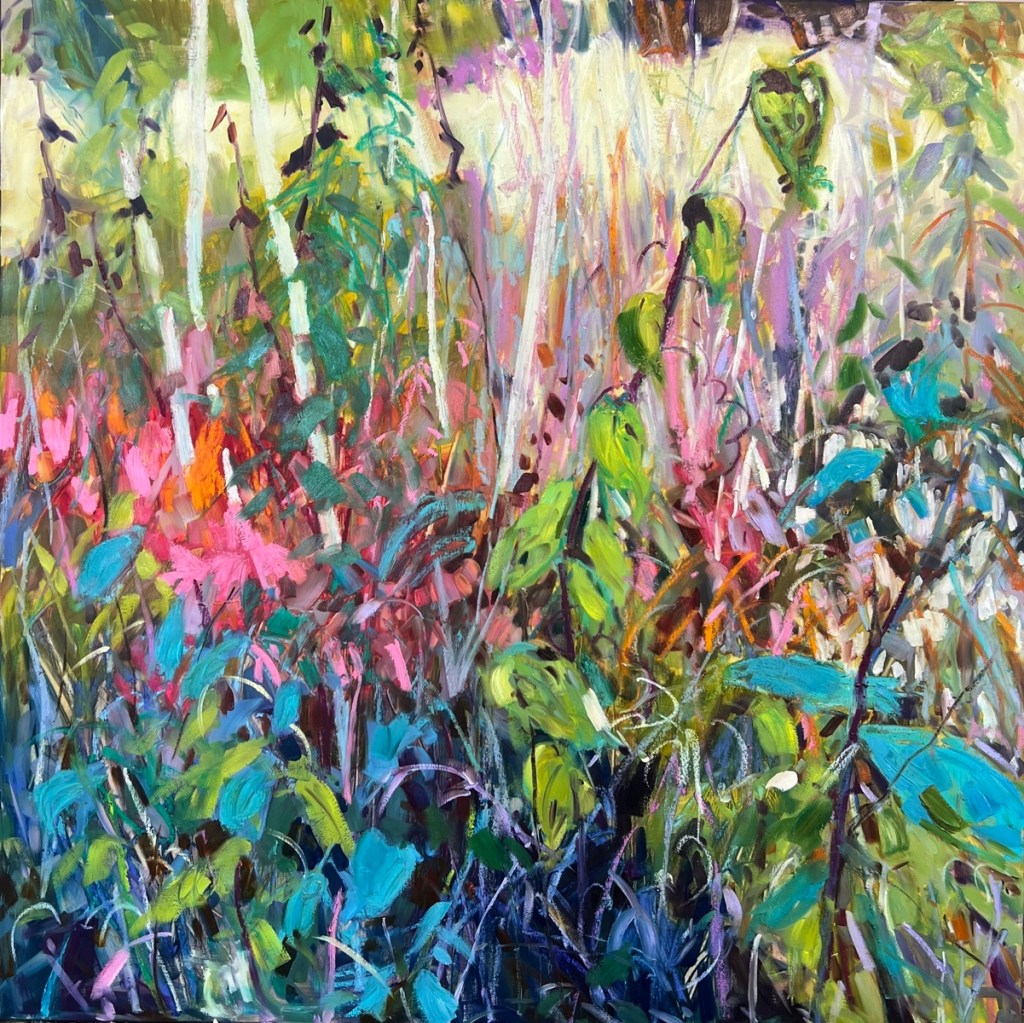
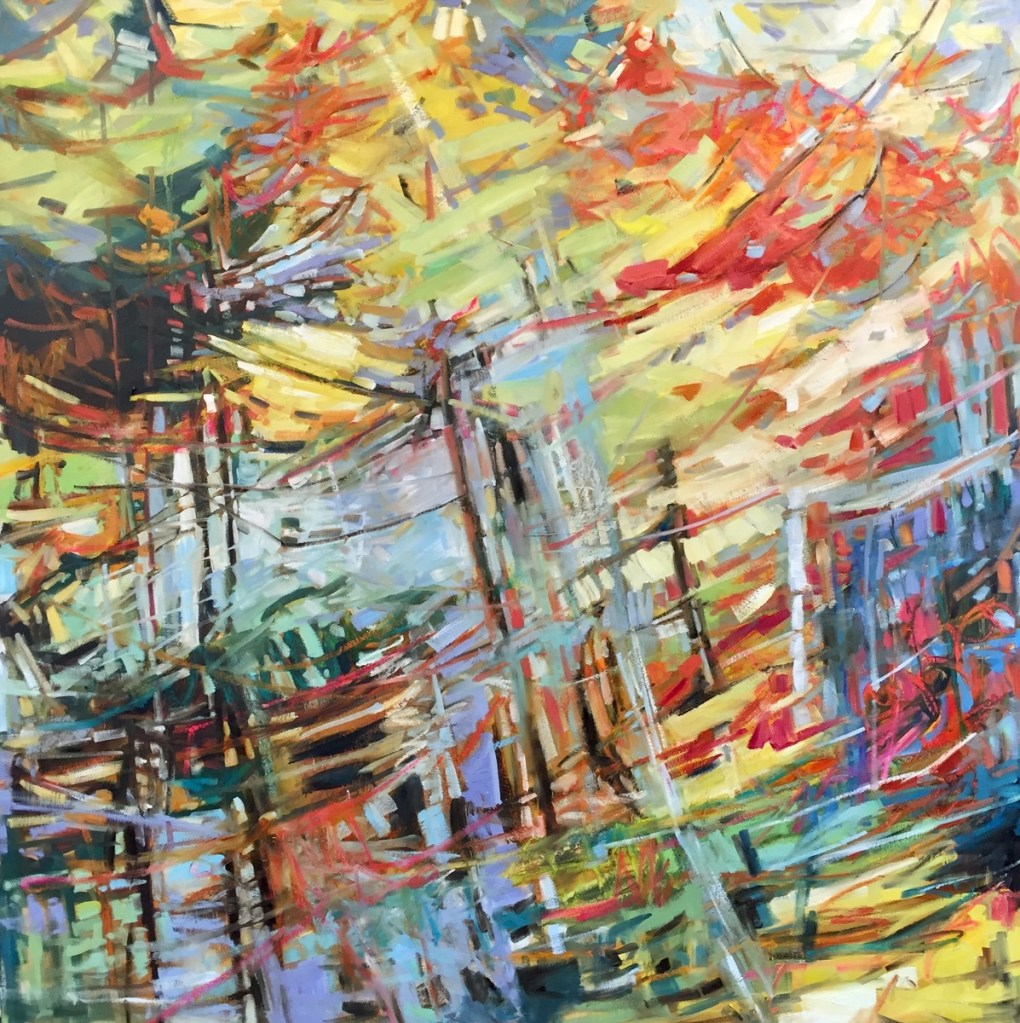
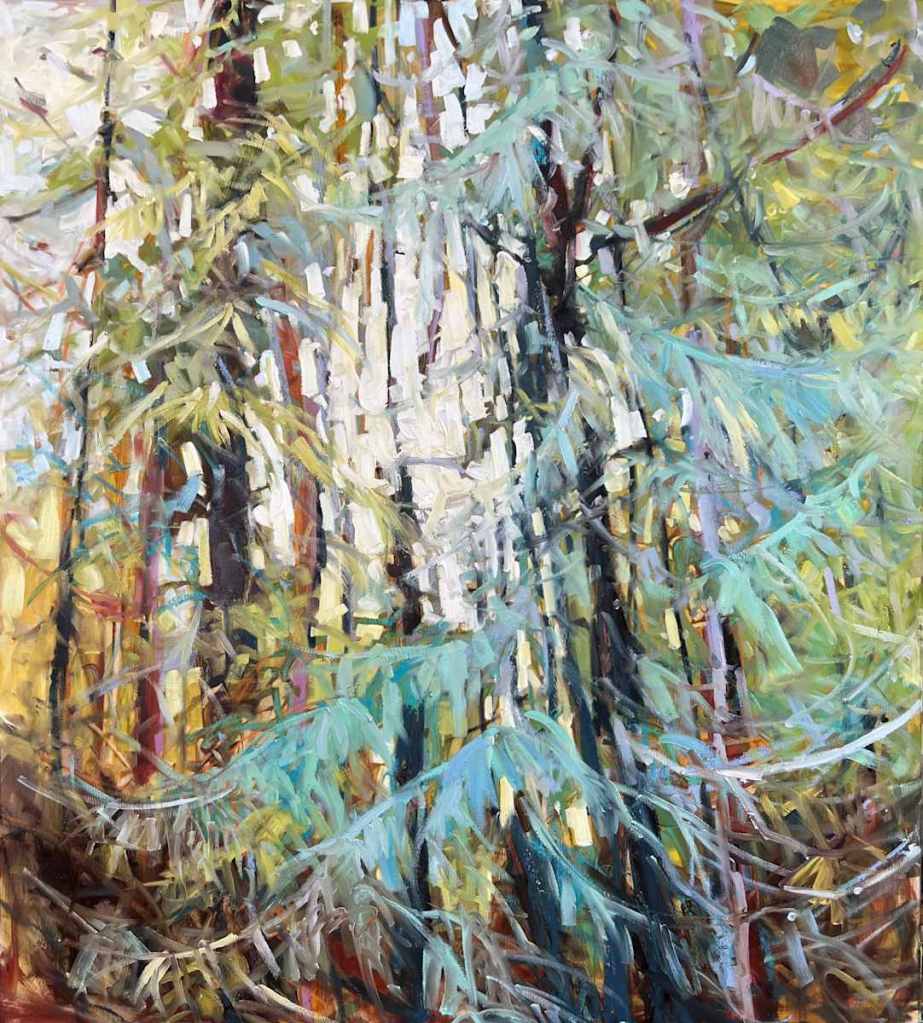
Davis’s work is awash in brush strokes and saturated colour. Being surrounded by her work is akin to forest bathing, the Japanese practice of immersing oneself in the canopy of a forest to promote well-being. Viewing her work is restorative – especially in the midst of a London winter.

(Pictured: Sheila Davis, “Wallflower II”, oil on panel, 40 by 40 inches. Courtesy of Westland Gallery.)

In “Wallflower II, a 40-by-40-inch oil on panel, turquoise and lime-green foliage compete with dashes of pink and orange against a band of cream. It is a lively dance of colour and form that beckons a viewer.

(Pictured: Sheila Davis, “Poetic License”, oil on panel, 48 by 48 inches. Courtesy of Westland Gallery.)

“Poetic License”, a 48 by 48-inch oil on panel, presents a dizzying array of colour and line that echoes an act of spinning around to observe one’s surroundings. In contrast, the vertical thrust of “Weaving Light”, a 42-by-36-inch oil on panel, elevates the viewer skyward.

(Pictured: Sheila Davis, “Weaving Light”, oil on panel, 42 by 36 inches. Courtesy of Westland Gallery.)

Bice’s work draws from places, people, and objects.

(Pictured: Kevin Bice, “Below the Bridge”, oil on canvas board, 18 by 21 inches – plein air work to celebrate the 150th year of the Blackfriars Bridge. Image courtesy of the artist.)

Some, like “Below the Bridge”, an 18-by-21-inch oil on canvas board, are plein air pieces, with recognizable locations; some, like “Remembering the Lake”, a 40-by-64-inch oil on canvas, seem to be inspired by old family photographs.

(Pictured: Kevin Bice, “Remembering the Lake”, oil on canvas, 40 by 64 inches.Courtesy of Westland Gallery.)

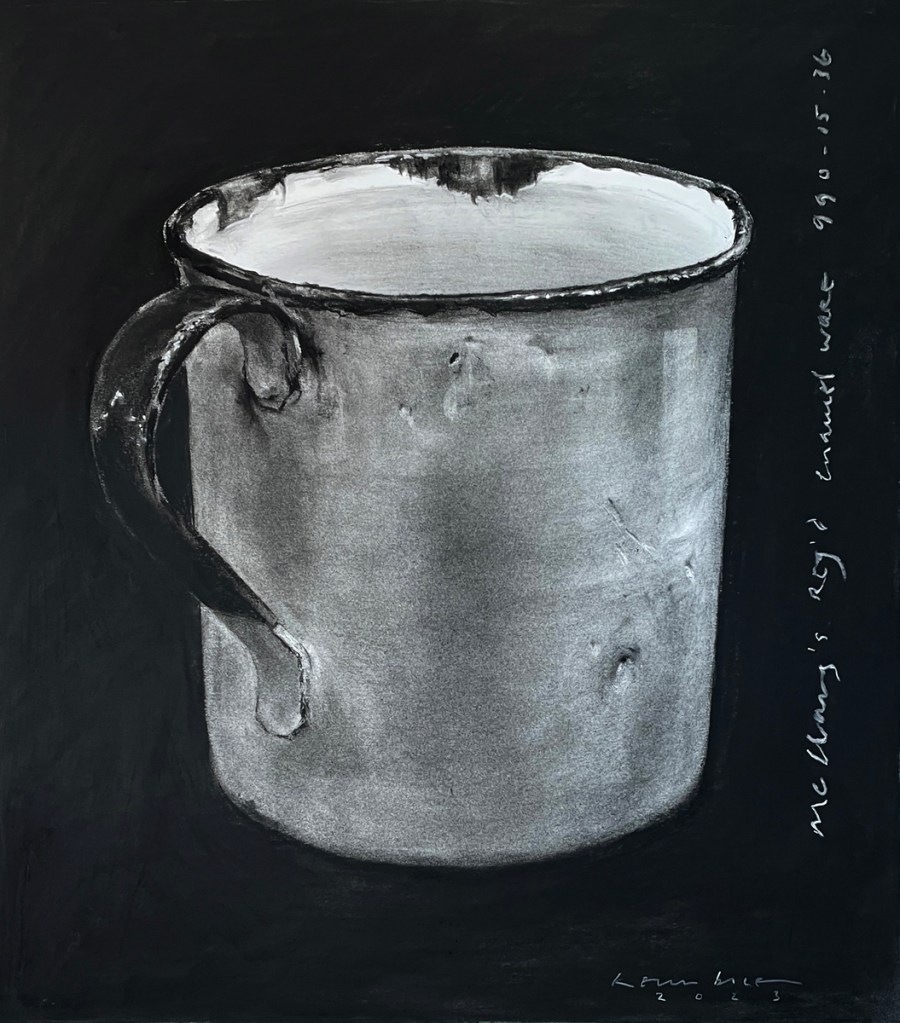
Others, such as “McClary Enamelware”, a 25 by 23-inch charcoal on rag paper, spring from time spent in the vaults of Museum London.

(Pictured: Kevin Bice, “McClary Enamelware”, charcoal on rag paper, 25 by 23 inches. Courtesy of Westland Gallery.)

Several of Bice’s paintings are accompanied by story cards. “I find that people are interested in the narrative which leads to the creation of a piece,” he explains.

For some of his works, like the plein air pieces, the narrative is simple: he was attracted by light hitting something or by a juxtaposition of textures that he wanted to spend more time with.

His motivation for studio works is often more complex. He says, “I might start a work because some image or composition or story is stuck in my head.” In these cases, he is never sure what direction the work will take.

In both instances, he views art as a means of exploration.

Of late, he has rediscovered plein air painting, and this is evident in Uncommon Ground. Bice explains, “It’s easy to get complacent and head for the comfort of the studio. Being around other outdoor artists is a great stimulant.”

Uncommon Ground: New works by Sheila Davis and Kevin Bice continues to January 31, 2026. There is an Artist Talk with Kevin Bice on January 10 from 1 to 3 pm and an Artist Demo with Sheila Davis on January 17, also from 1 to 3 pm.

For more information about this exhibition and Westland Gallery, visit https://westlandgallery.ca/

Follow Westland Gallery on Facebook https://www.facebook.com/WestlandGallery and on Instagram https://www.instagram.com/westlandgallery/

Reviewed by Beth Stewart

Drawing on the Past: Smashing Fashion! The 60s Illustration of Bonnie Parkinson.

Reviewed by Beth Stewart

London artist Bonnie Parkinson began her career as a commercial artist in the 1960s before turning to fine art in the 1980s and ultimately making her mark in both worlds. Smashing Fashion! The 60s Illustration of Bonnie Parkinson, which runs to January. 10, at TAP Centre for Creativity, is all about her commercial beginnings but with a contemporary twist.

Visitors are treated to 29 pieces, including seven of Parkinson’s original full-page ads from her time working at the London Free Press (LFP) and at Eaton’s, as well as twenty-two 60s-influenced pieces produced late in 2025.

(London Free Press, Special Fashion Section, Eaton’s ad 1969 detail. Courtesy of Bonnie Parkinson and Andrew Lewis.)

To fully appreciate the show, it is helpful to have a sense of the artist’s history.

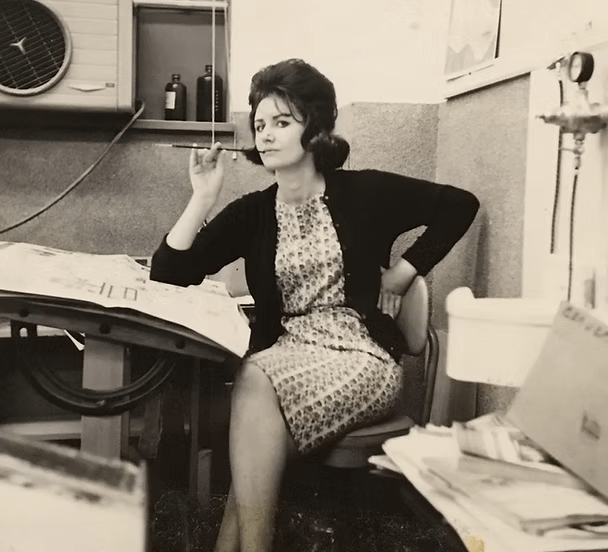
Parkinson’s early career is a young artist’s dream. She was hired while still in her final year of the Special Art Programme at Beal to work part-time in the art department of the LFP. Upon graduation in 1960, she transitioned to the LFP’s full-time fashion artist.

Ladies’ fashion was in its heyday. Parkinson recalls, “At that time, London had many independent women’s fashion stores; my job was to do all these different stores, but each with a distinctive style.”

In 1964, she left the LFP to work for the T. Eaton Company (Wellington Square, London, Ontario). Between 1967 and 1968, she worked with Canadian fashion designer Marilyn Brooks at The Unicorn (Clarence St., London, Ontario) while continuing to freelance for Eaton’s in the evenings. From 1973 to 1974, Parkinson worked full-time at the Total Marketing Advertising Agency, London, Ontario. Then, in 1979, she was hired by Fanshawe College to teach illustration as well as life-drawing to fashion design students.

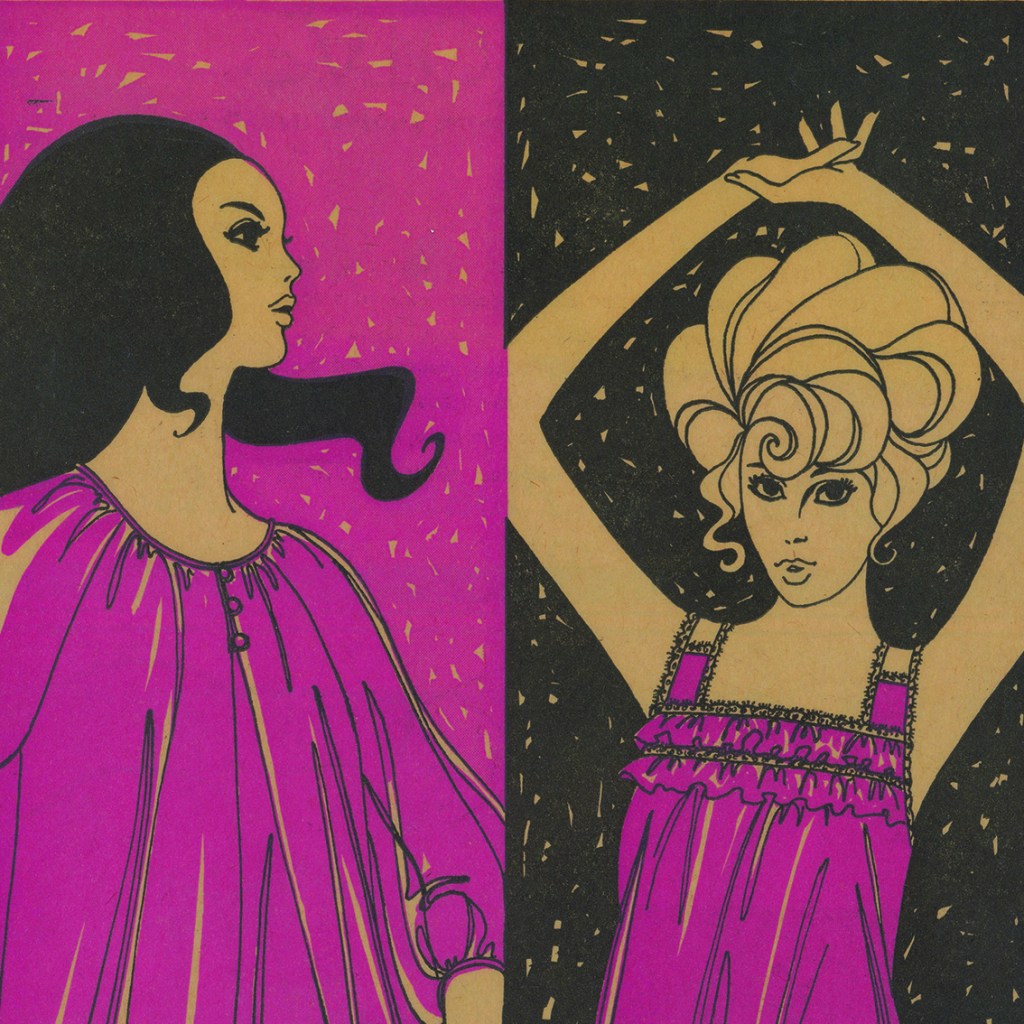
(Eaton’s ad 1968, fashion duo in fuchsia detail. Courtesy of Parkinson and Lewis.)

Parkinson describes her early illustrations as stylized and heavily influenced by the 60s phenomenon. It was an exciting time, and she met it with gusto. She drew directly on paper with a fine line marker, no pencil sketch first, and just put down what she saw. The emphasis was on the designed page, bold colour, and elegant lines.

In 1982, at the age of 40, Parkinson left commercial art entirely to paint full-time. Since then, Parkinson has been a constant in the arts community, exhibiting both locally and elsewhere.

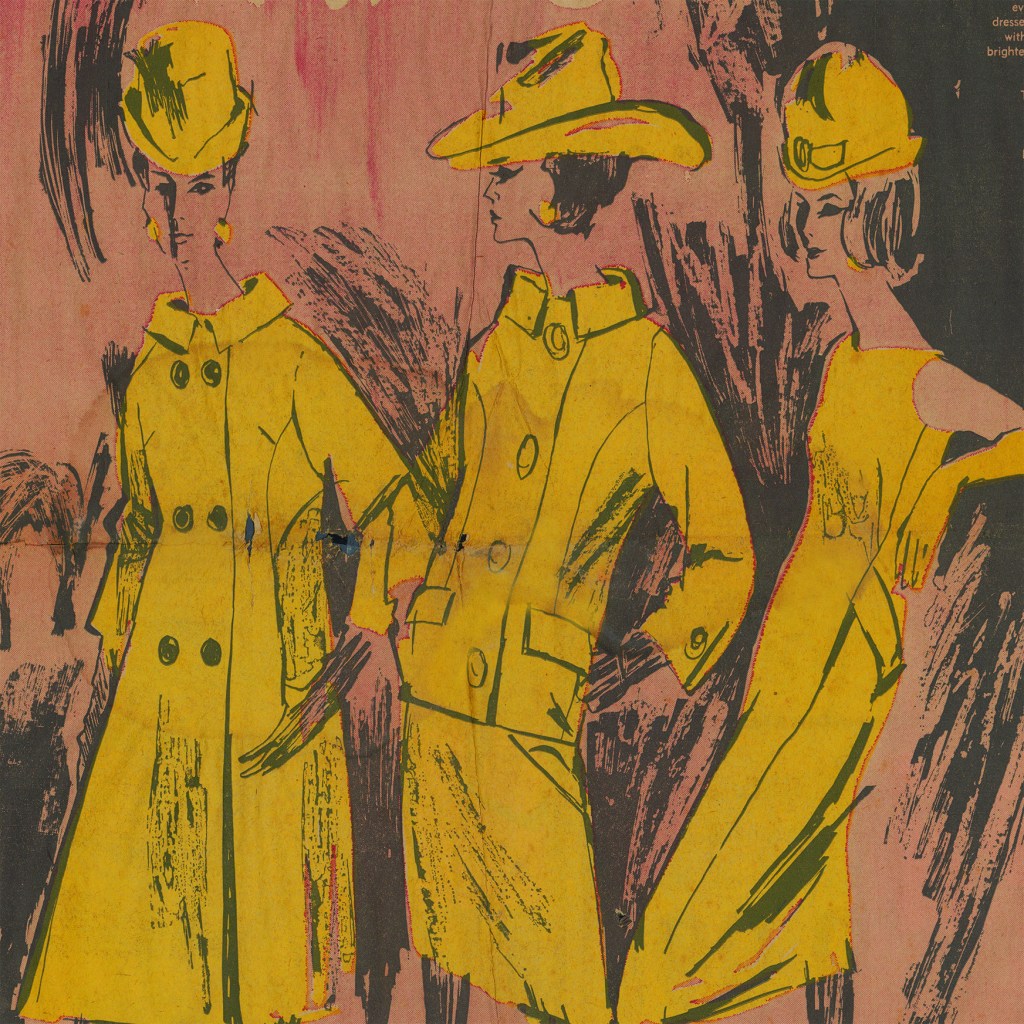
(Eaton’s ad 1963, fashion trio in yellow detail. Courtesy of Parkinson and Lewis.)

What prompted Parkinson to put this Smashing Fashion! exhibition together? After 40-plus years as a painter, why did she circle back to fashion art at this point in time? Parkinson credits artist Andrew Lewis.

Lewis approached her in October 2025 with the idea for this show. He thought it was important to show the advertising fashion work that had been done right here in London, Ontario, as art. Parkinson agreed.

She quickly discovered that to do new illustrations of 60s fashions, some sixty years later, took some serious resetting. On top of this, it took a while for her to get back to pen and ink.

She also did an online refresher of the wild and crazy 60s Fashions.

(Bonnie Parkinson’s new illustration of swinging London England’s fashion icon Jean Shrimpton.)

Smashing Fashion! occupies the front two rooms of TAP that comprise Lab 203. It is an intimate area that is well used by Parkinson. The art is simply hung with minuscule magnets for maximum impact.

The full-page ads from the LFP are nostalgic nods to a once vibrant industry. Parkinson’s new illustrations effectively invoke the fashion sense that was part of the 60s’ cultural revolution, but in a less stylized manner and with more attention to detail in the fabrics. As a whole, the 2025 pieces present a veritable rogues’ gallery of the 60s with Andy Warhol, Cher, Jean Shrimpton and Twiggy amongst leggy young things sporting an array of bold patterns and designs.

(One of Parkinson’s new illustrations of 60s clothes.)

Smashing Fashion! The 60s Illustration of Bonnie Parkinson runs to January 10. A Meet the Artist reception is planned for Saturday, January 3, from 1 to 3 pm. It’s a hip way to start the New Year.

For more information about this exhibition and others at TAP Centre for Creativity, visit https://www.tapcreativity.org/

Follow Bonnie Parkinson on Instagram https://www.instagram.com/bonnieparkinson_artist/?hl=en

Reviewed by Beth Stewart

Web: https://bethstewart.ca/

Facebook: https://www.facebook.com/profile.php?id=100009620916363

Andrew Lewis Finding Balance: “Notes from the Mindfield” Preview

by Beth Stewart

(Pictured: Andrew Lewis, one-third of the “The Three Furies” triptych, acrylic on canvas, 37 by 49 inches, 2025.)

Andrew Lewis’s solo show “Notes from the Mindfield” opens Thursday, December 4, 2025, at TAP Centre for Creativity with a reception from 6:00to 9:00pm.

This collection of new work includes over 250 drawings, paintings, sculptures and wearables and explores the artist’s observations and ideas on the complexity of our current era.

It is, he notes, an era sandwiched between the waning of the pandemic and the rise of artificial intelligence.

The show represents a new direction for the artist. Lewis describes the creative process as more “intuitive.” The result is work that he says “reflects a fragmented world where technology, memory, and human experience are deeply intertwined.” Of note is the dichotomy between abstract and biomorphic forms.

(Pictured: Andrew Lewis, “Ms. + Mr. Squarehouse” (Diptych), acrylic on canvas, 36 by 72 inches, 2025.)

Lewis is a busy creative. His personal work exists in addition to his design/branding business and his teaching at Western University. It is an environment in which he thrives.

The artist says, “At the University, I tell students that artists or designers are like truffle pigs in Italy, finding beautiful morsels that nobody else can see.”

His personal truffle-hunting began two years ago when he came down with COVID on New Year’s Day. It affected his physical and mental health. He says, “My creative process became scrambled.”

Since then, Lewis has witnessed the insidious infiltration of AI into daily life and the resulting deterioration of creative and critical thinking. “I see young, fresh minds not having the ability to provide original ideas or thinking due to how they interact with technology,” he says.

(Pictured: Andrew Lewis, “Ultramarine Series No.3”, acrylic on canvas, 36 by 36 inches, 2025.)

His new work is an escape from the aftermath of COVID and from the pervasiveness of AI.

He began with a series of biomorphic drawings and rediscovered the joy of making images and of unplanned work that just flowed. He describes the resulting work as a fascinating outpouring of the subconscious. That’s what you’ll see at “Notes from the Mindfield”

(Pictured: Andrew Lewis, “Pills, Orgies and Chaos,” acrylic on canvas, 48 by 96 inches, 2025.)

“Notes From the Mindfield” continues to January 10, 2026, at TAP Centre for Creativity, 203 Dundas Street, London, ON.

Associated with this exhibition is an Artist Talk on Saturday, December 6, at 3:00 pm and a workshop on Saturday, December 13, from 1:00 to 4:00 pm.

For more information, visit: https://www.tapcreativity.org/

About The Artist:

Andrew Lewis is an internationally recognized Canadian artist and designer. His artwork has been commissioned by clients such as the British Columbia Arts Council, Canada Post, the Royal Canadian Mint, Perrier, Scotiabank, the Stratford Festival, Starbucks Coffee, Converse, and VISA.

For more information about Andrew Lewis and his work, visit: andrewlewisart.ca.

Follow Andrew Lewis on Facebook: https://www.facebook.com/AndrewLewisArtist

Connect with him on Instagram at https://www.instagram.com/andrewlewisart/

Previewed by Beth Stewart

Web: https://bethstewart.ca/

Facebook: https://www.facebook.com/profile.php?id=100009620916363
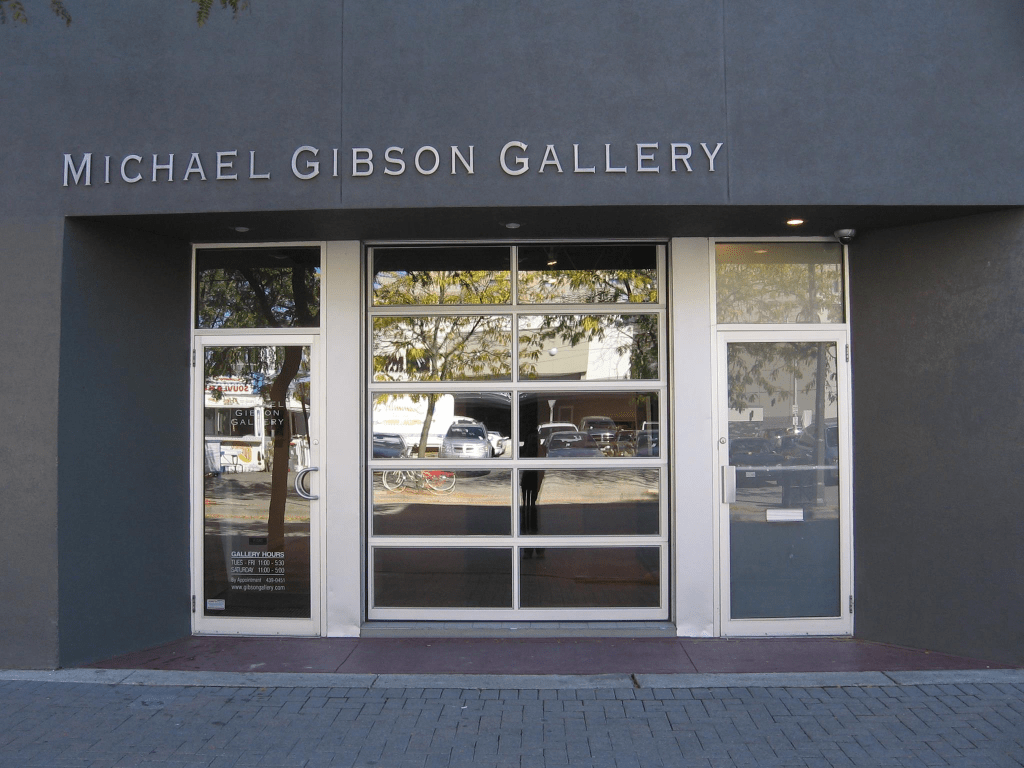
Jack Cocker “New Paintings” at Michael Gibson Gallery

Reviewed by Beth Stewart

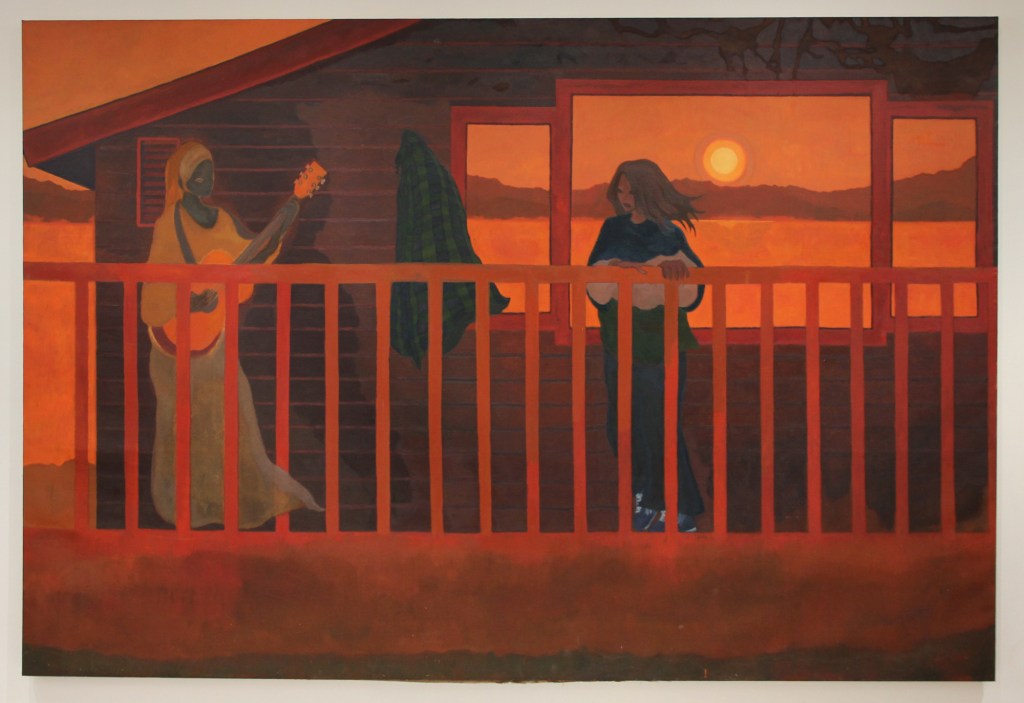
(Jack Cocker, “Wanakita Cabin Scene (Evening),” oil on linen, 80 by 118 inches. Courtesy of Michael Gibson Gallery.)

Jack Cocker is enjoying his third solo exhibition with Michael Gibson Gallery while still in his mid-20s. That’s almost unheard-of success in the hardscrabble business of fine art.

It is a risky undertaking for an established gallery to take on such a young artist and a move that Michael Gibson admits he wouldn’t normally make, as such an artist’s story is “still being written.”

Cocker first approached Michael Gibson when the former was still in his third year at Western. He was studying under associate professor Sky Glabush.

Gibson visited Cocker at Western and then at the artist’s Mount Elgin Studio. He was impressed by Cocker’s ability to build colour and immediately recognized him as a gifted painter.

All of the works in the show were painted over the last year. All are firmly rooted in what Cocker describes as “familiarity, memory and connection.” They include views from his Mount Elgin studio, ski scenes, and figures representing Cocker or persons close to him.

For this show, the main gallery holds four massive pieces and five smaller ones. One of the large pieces is the oil on linen “Wanakita Cabin Scene (Evening)” which measures 80 by 118 inches. It hangs on the left wall of the gallery and features two of Cocker’s oft-repeated figures, his sister and his girlfriend. The piece is decidedly orange in all its glory and exudes the warm glow of a fading day.

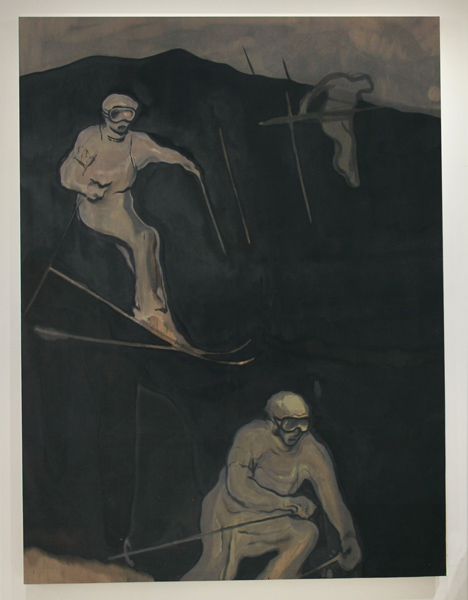
(Jack Cocker, “Night Skiing,” oil on linen, 2025, 93.5 by 70 inches. Courtesy of the gallery.)

A more modestly sized 26-by-21-inch oil and distemper on linen, titled “Girl Near Water, 2024-2025”, with a single figure graces the back wall. On the same wall is “Night Skiing,” oil on linen, measuring 93.5 by 70 inches. It was painted when Cocker was learning to ski and features three beige figures on black snow.

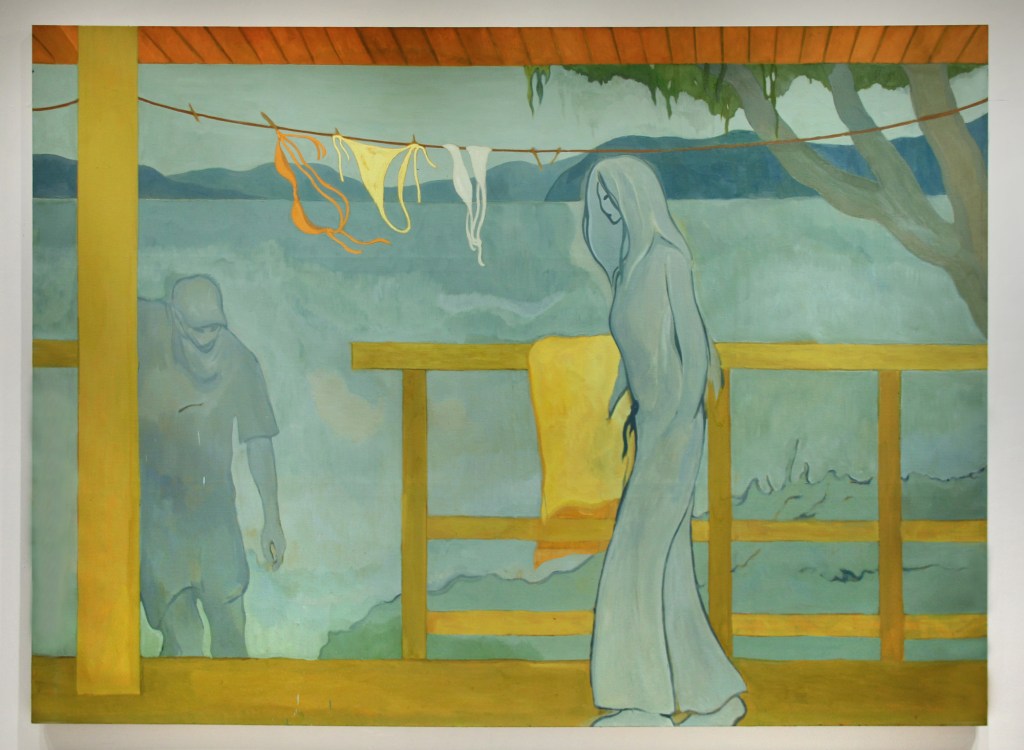
(Jack Cocker, “Girl Near Water 2025”, oil on linen, 78 by 108 inches. Courtesy of the gallery.)

The middle gallery holds one large piece on the right wall, “Girl Near Water 2025”, oil on linen, 78 by 108 inches, with two figures and another 10 smaller pieces scattered throughout.

While Cocker’s works always include a figure and a landscape, they leave a lot to the imagination.

The artist explains, if a figure is too specific, it causes a painting to become “too much about the identity or the quality of the figure”, which, in turn, impedes a viewer’s ability to reflect. Cocker says, “While the paintings always contain elements of personal storytelling … I don’t [want them] to hinge on the autobiographical.”

Thus, the ambiguity of his figures serves to heighten a viewer’s “feeling of immersion in the scenes.” Cocker says that he hopes his paintings “feel like worlds you could walk into.”

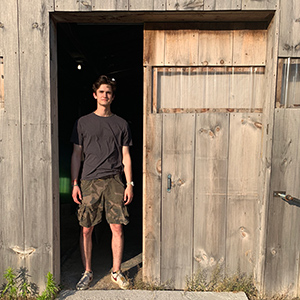
(Pictured: Jack Cocker, Website)

Jack Cocker (born 2001) has a BFA from Western University (2023) and is currently in his first year of his MFA at the Emily Carr School of Art and Design in Vancouver.

Jack Cocker “New Paintings” continues to November 29, 2025, at Michael Gibson Gallery, 157 Carling Street, London.

For more information about the exhibition and the artist, visit https://www.gibsongallery.com/

Reviewed by Beth Stewart

Web: https://bethstewart.ca/

Facebook: https://www.facebook.com/profile.php?id=100009620916363