Rejected But Not Dejected: Salon des Refusés at TAP, July 22 – August 15.

by Beth Stewart.

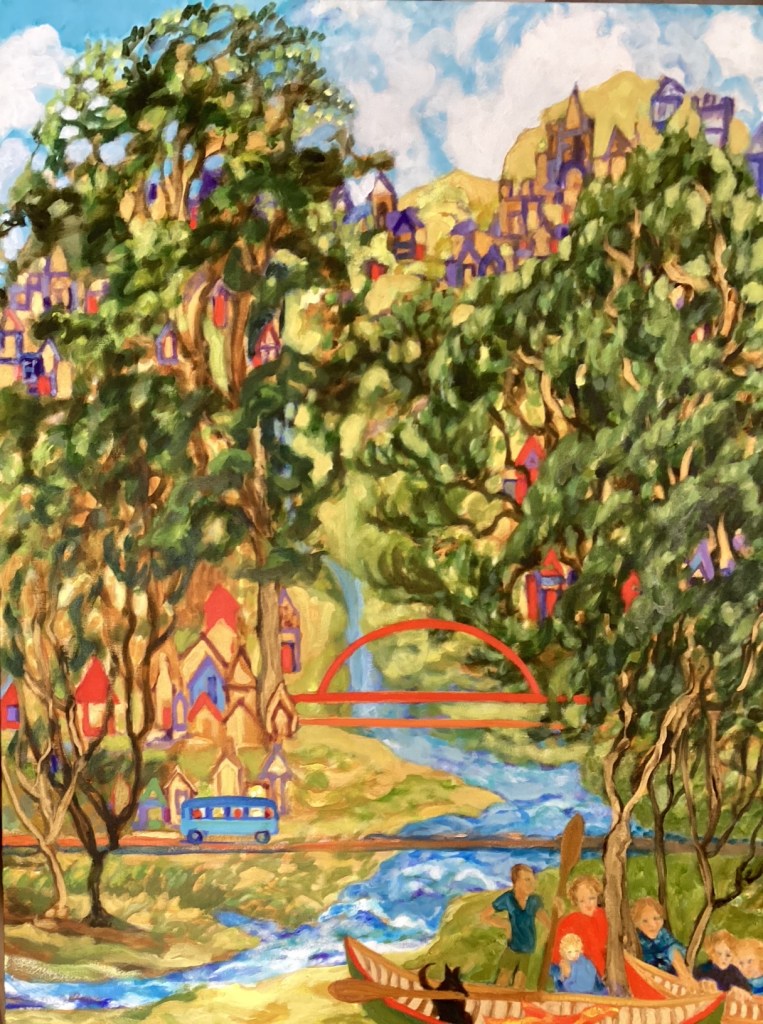
(Pictured: Catherine Morrisey, “We are going for an adventure”, oil on canvas, 36 by 48 inches, 2026.)

Rejection. It is an inevitable consequence of being an artist. To have your proposal or work rejected is disappointing but can spur redirection. To paraphrase a line from Chumbawamba’s 1997 hit “Tubthumping”, you get knocked down, and you get up again.

Yet, rejection may trigger feelings of anger and self-doubt.

This writer recently had a residency application rejected. In an email, I was thanked for my application but informed that “after careful review by the adjudicators,” the organization was not able to offer me a place in the program. It cited limited places and a high volume of quality applications as contributing factors. It ended with, “We understand this news is disappointing for you and hope that it does not discourage you from applying to future programs.”

Was I devastated? No. Will I quit doing art? No.

London artist Catherine Morrisey is no stranger to rejection. With a lengthy career as an artist and strong exhibition history, she is a seasoned veteran of the fickleness of the art world.

Earlier this year, Morrisey had enthusiastically entered a particular art competition and encouraged others to do the same. When their pieces were rejected en masse, she felt bad. Not for herself, but for others. She wondered how she could make it better for them, how she could make them feel “appreciated.”

She thought of how a group of French painters reacted to their rejection from the annual Paris Salon over 150 years ago. They revolted. Says Morrisey, “They had a big party. They celebrated each other’s art. It was a new beginning for art.”

The annual Paris Salon began in 1667; sponsored by the French government and the Academy of Fine Arts, it was an exhibition of the best academic art. Its jury was conservative; idealized realism was expected. When, in 1863, the Salon jury refused 4,000 paintings – approximately two-thirds of the paintings submitted – the rejected artists and their friends protested.

Among the “rejects” were Édouard Manet’s “Déjeuner sur l’herbe” and James McNeill Whistler’s “Symphony in White, No. 1: The White Girl”. Both paintings were thought to be scandalous. Also rejected were works by Camille Pissarro, Johan Jongkind, Henri Rousseau, and James McNeill Whistler.

With the blessing of Emperor Napoleon III, the refused works were displayed in another part of the Palace of Industry. The resulting 1863 Salon des Refusés welcomed more than a thousand visitors per day.

Morrisey went from reaction to action and became an instigator. Not being juried in herself and hurting for her friends sparked an idea, and she ran with it.

Sandra De Salvo, executive director of the TAP Centre for Creativity, says when Morrisey presented her with the idea of a Salon des Refusés, it just felt right for her venue.

The call went out: “While sometimes challenging to face, rejection is an inherent and important part of the artistic process and an artist’s career. At the suggestion of London artist Catherine Morrisey, TAP is hosting a Salon des Refusés. Inspired by the 1863 exhibition of the same name, this exhibition highlights the important role rejection plays in finding an audience, building resilience, and growing as an artist while also acknowledging that rejection can feel exclusionary, disheartening, and disappointing.”

Eligibility was loose: “Artists must be based in London or the surrounding area. Artwork must not have been exhibited before. Artwork must have been rejected from at least one exhibit application process.”

The acceptance process was simple: “In the spirit of this exhibition, we will include as many works as possible, but the submission form will close when we have reached our maximum capacity.”

TAP’s Salon des Refusés promises to be an exhibit with a broad reach. It presents the opportunity for people to come together to connect, share experiences, and to create dialogue. De Salvo’s philosophy on rejection: “Don’t hide from it – put it out there and talk about it.”
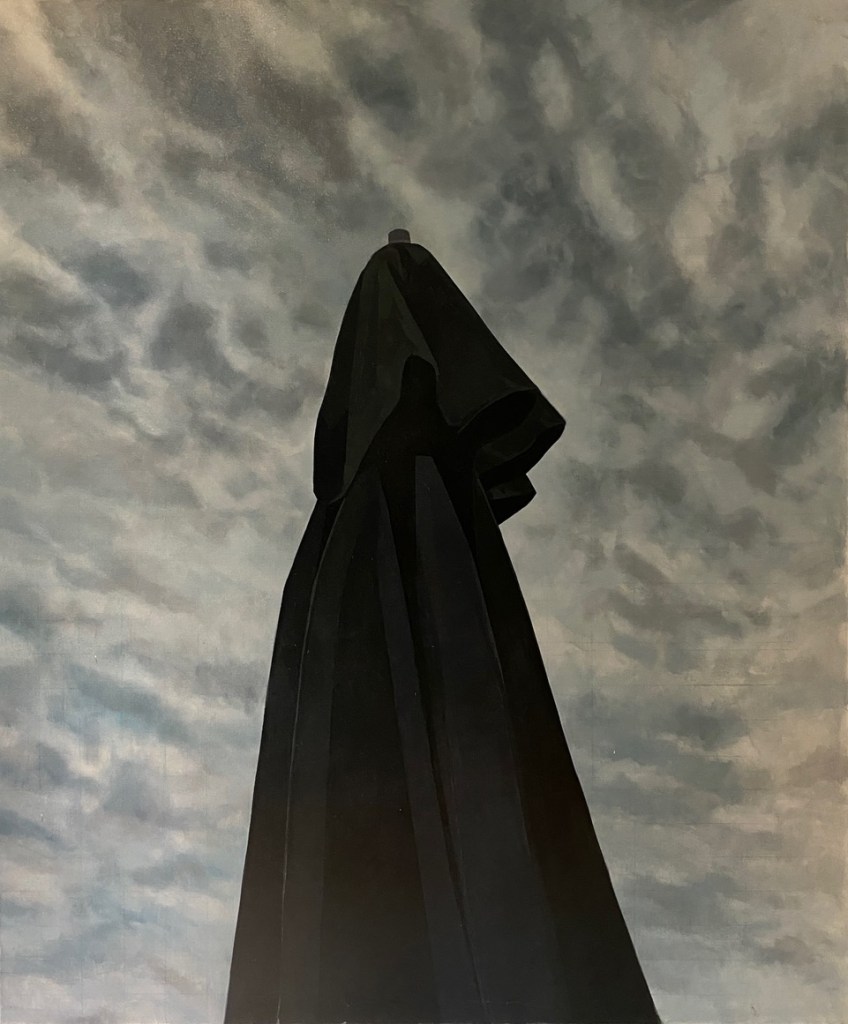
(Pictured: Nick Hall, “I will follow you into the dark”, acrylic on canvas, 60 by 48 inches, 2024.)

Participant artist Nick Hall says, “Rejection, resilience and growth could be called the holy trinity for any serious artist because they are a proven catalyst for progress.”

But, on the flip side, he muses that not all rejection is helpful or even warranted. Rejection made on personal biases is frustrating.

He is fond of the piece he entered in the Salon. The idea for “I will follow you into the dark” came to him rather abruptly, and he felt “compelled” to capture it on canvas. Of the piece, Hall says, “Not everyone will ‘get’ it, perhaps because they fail to really look at it. To those that do, I thank you in advance.”

“Obviously, it’s not everyone’s cup of tea, so attempts made to enter it into exhibits that are naturally interested in more standard fare have failed. Until now!”

As to what he expects to get out of the Salon … “a red dot would be nice. But really, just gauging people’s reactions to it will be a treat.”
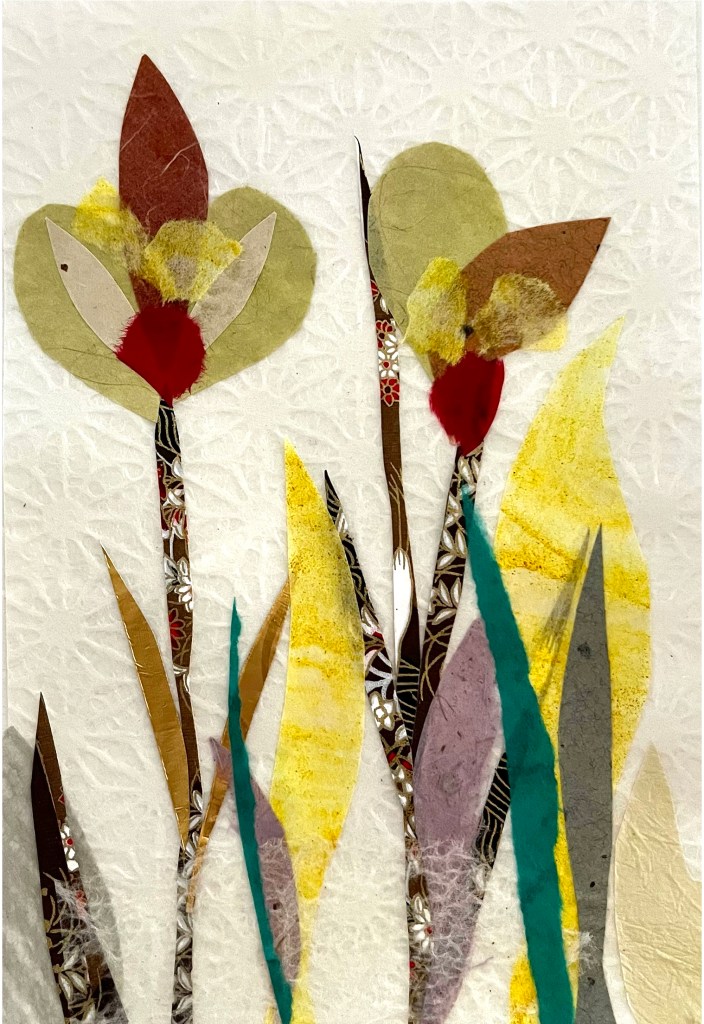
(Pictured: Gabriella Solti, “Collage I”, Japanese washi paper, 7 by 5 inches, 2026.)

Participating artist Gabriella Solti believes, while rejection is part of life, “Artists experience more of it than most because they repeatedly put themselves and their work forward – submitting to open calls, applying for grants and residencies, and pursuing professional opportunities (all very competitive arenas). Beyond making art, a good part of an artist’s practice is taking risks and putting their work and artistic practice up for scrutiny.”

She recognizes that many artists feel wounded when their artwork is rejected, and a Salon des Refusés can lighten the sting.

However, Solti’s own perspective is coloured by having been on both sides of the process. She says, “Twenty years ago, I worked as the gallery coordinator of a suburban municipal art gallery near Vancouver, where I organized open calls, coordinated jurying processes, and curated exhibitions. I know firsthand that there are far more strong artworks than any gallery has the space to exhibit thoughtfully. A rejection is rarely a definitive statement about the quality of a work. More often, it simply means that, within the specific context of a particular exhibition, the work did not align with the curator’s conceptual vision.”

Her motivation for submitting “Collage I” to TAP’s Salon des Refusés comes from her belief that “Every artwork has a receptive audience. The only way to find that audience is to continue showing the work.” Submission, then, is not only a risk – it is also an opportunity for a piece to find viewers with whom it resonates.
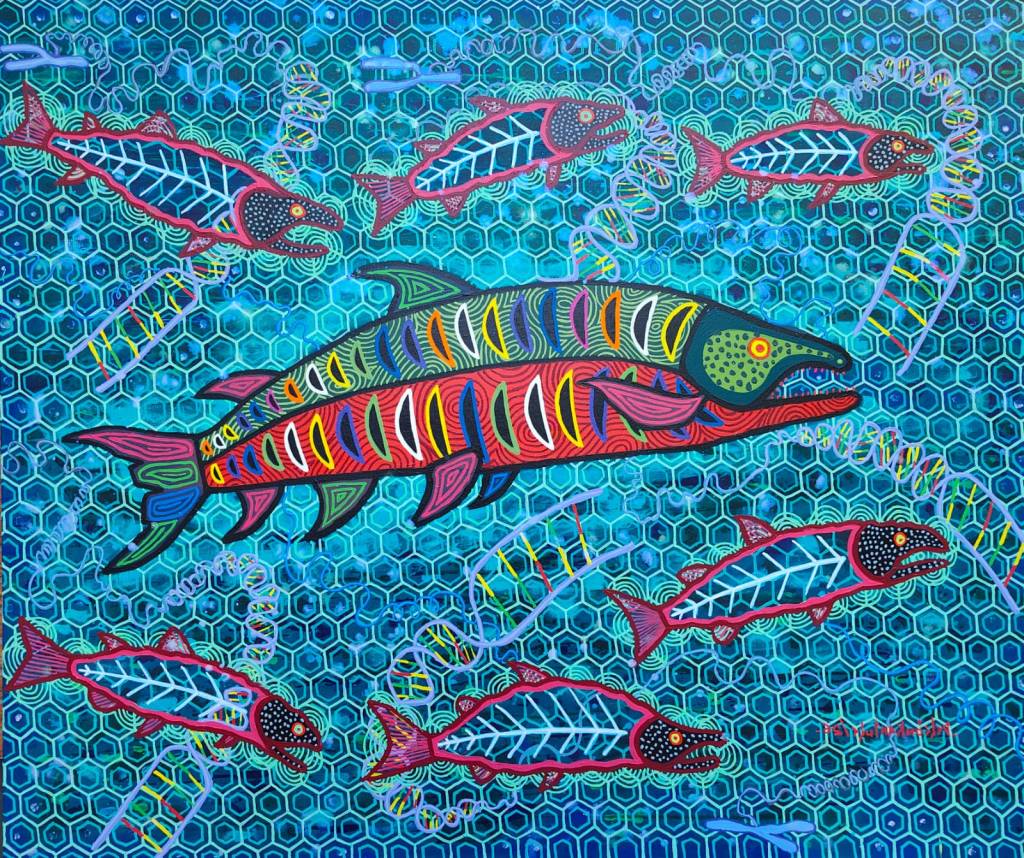
(Pictured: Oswaldo DeLeón Kantule, “Salmon Factory”, acrylic on canvas, 137 by 163 cm, 2026.)

Oswaldo DeLeón Kantule’s art is well recognized in his home country of Panama, but he has struggled to break into the Canadian market.

He says, “Though I was not born in Canada, it’s important for me to feel connected to the community where I live.”

Kantule has lived in London for almost 25 years. He painted “Salmon Factory” for a specific competition as a fusion of Canadian elements (the salmon) and elements from his culture (the mola textile pattern).

While he had submitted work to the same competition in the past and had been rejected, he thought he had a better chance this year after having been selected to participate in the 2024 Venice Biennial.

Again, he was not selected. Kantule says, “It has left me with questions.”

The Salon des Refusés allows Oswaldo DeLeón Kantule to continue cultivating a relationship with his community.
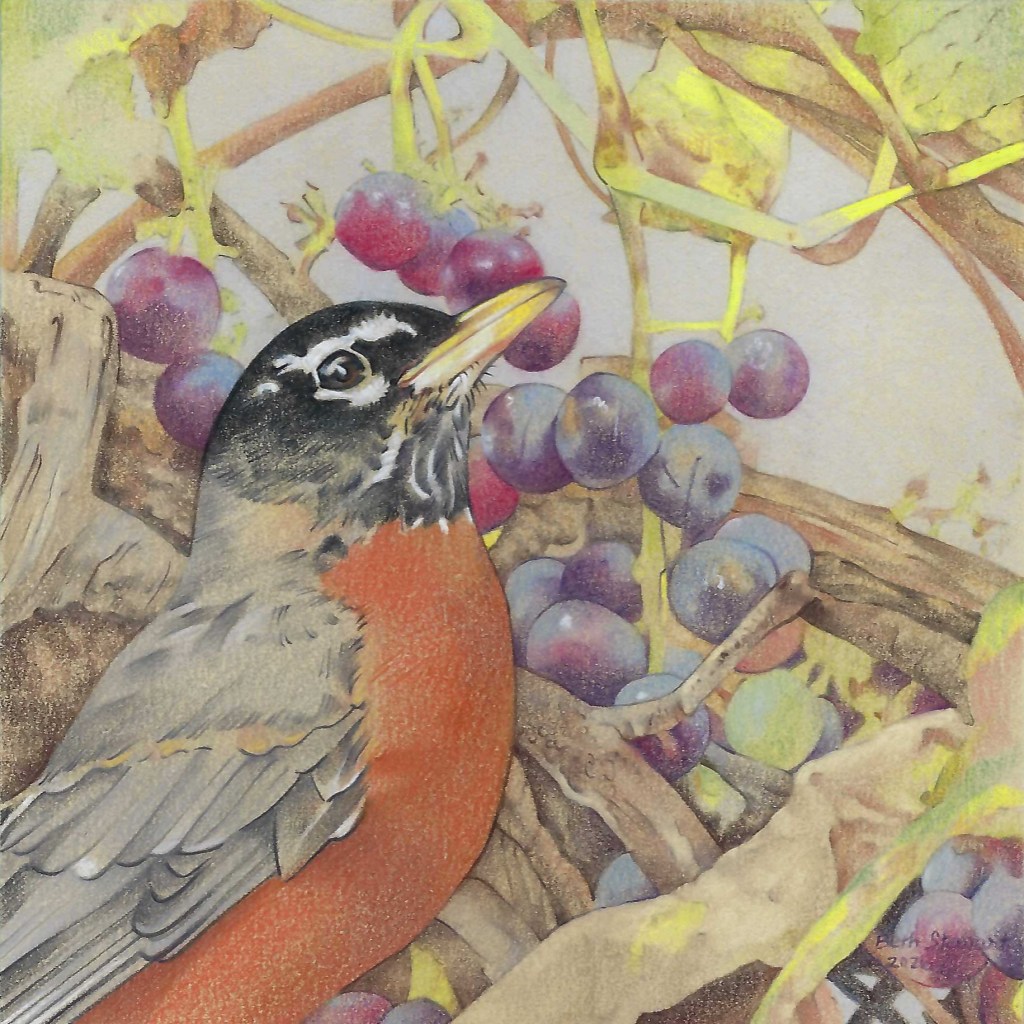
(Pictured: Beth Stewart, “Robin with Grapes, coloured pencil on Museum Board, 12 by 12 inches, 2026.)

TAP’s Salon des Refusés will be hung “salon style;” this means artwork will be hung from floor to ceiling. Thanks to visionaries like Catherine Morrisey and Sandra De Salvo, “We are going for an adventure”!

TAP’s Salon des Refusés runs from July 22 to August 15, 2026, at TAP Centre for Creativity, 203 Dundas Street. The opening reception is Saturday, July 25th, 2 to 4pm. Regular hours are Tuesday through Saturday from 12pm to 5pm. For more information, visit: https://www.tapcreativity.org/events/salon-des-refuses

By Beth Stewart
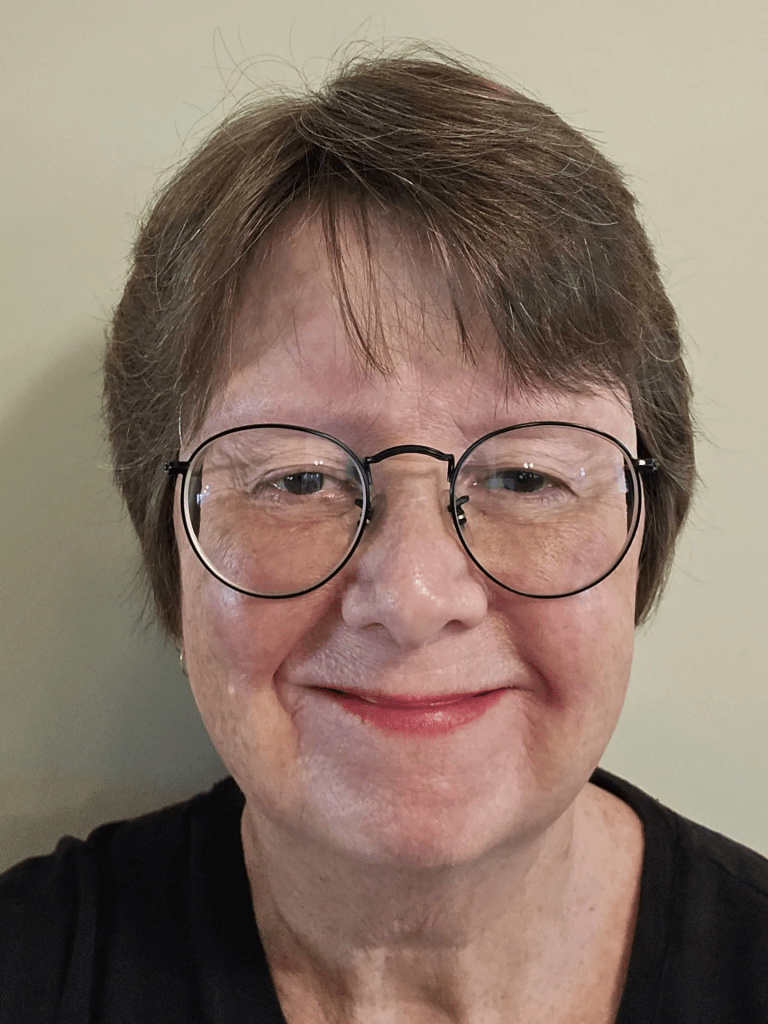
Beth Stewart is a writer, educator, and visual artist. She has a B.A. and a B.Ed. from the University of Windsor and a Diploma in Art Therapy from Western University. Beth has worked as an Art Therapist with Canadian war veterans and as a Secondary School Teacher of art and English for the TVDSB. She retired in 2024.

Beth was the arts editor at Scene Magazine from 2004 to 2006. She founded Artscape Magazine in 2006 and served as its editor until 2008. In addition, Beth wrote on the arts for Lifestyle Magazine from 2006 to 2017 and served as the copy editor for The Beat (in print) from 2009 to 2013.

As a visual artist, Beth works mainly in dry media and favours coloured pencil. Over the past decade, Beth’s focus has been on wild and domestic birds. Beth is a member of the Coloured Pencil Society of America, the Gallery Painting Group, the Eclectic Collage Collective, the Lambeth Art Association, and a founding member of the Coloured Pencil Artists of Canada group.

Web: https://bethstewart.ca/

Facebook: https://www.facebook.com/profile.php?id=100009620916363

Behind The Scenes with Visual Artists Shane Wilcox & Kim Doerr – Studio Shim

By Belinda J. Clements

This is the seventh in an ongoing series in which The Beat Magazine 2025 takes readers “Behind The Scenes” to meet the talented creative individuals who make the London area such a vibrant arts and culture community.

In this segment, Belinda J. Clements profiles life partners and award-winning creative collaborators Shane Wilcox and Kim Doerr, founders of Studio Shim.

(Pictured: Kim Doerr and Shane Wilcox. Photo by Belinda J. Clements.)

Who We Are

  • Shane & Kim: Life partners and award-winning creative collaborators for over 26 years. Together, we founded Studio SHIM in 2016 to bring intentional art directly to people and support us through one of many transitions in our lives. 
  • Shane: Specializes in both physical and digital mediums, creating canvas paintings, highly detailed portraiture, custom murals, professional graphic design, and original music under the moniker TaToE.
  • Kim: A multidisciplinary artist and eco-jeweler who manages Studio http://studioshim.ca/ and all our socials. She paints live with commUnity, and ensures every experience feels welcoming and intentional.
  • A completely direct connection: No agents or automated bots in the middle. When a client or supporter sends a message to Studio SHIM, we are the ones reading and replying.  

(Pictured: London International Airport. Supplied by Artists.)

2. Who We Are For

  • Conscious-minded people, businesses, & dreamers who care about how their environment and brand feel, and want visual art, portraits, design, and soundscapes that carry a meaningful, restorative energy.
  • Art lovers and collectors who crave a direct, tactile connection to real creators, not AI,  and are looking to support ethical, slow-made art and independent Canadian music.

(Pictured: Shane Wilcox and Kim Doerr. Photo by Belinda J. Clements.)

3. What We Do

  • The Monthly Mail Club: The new creative release. Each month, we curate and ship exclusive, physical, first-edition art pieces directly to members’ mailboxes or, as requested, now digitally too.  These pieces are only made available to the public on the website after Mail Club members receive their physical packages.  Begins in August after the Earth Song Festival.  The paintings captured by Belinda on unstretched canvas will be the first 6 months and have never been shared until now. 
  • Custom Murals, Portraiture & Graphic Design: Transforming physical and digital spaces with our vibrant, large-scale custom murals, detailed portraiture, graphic design, and branding.
  • Original Music by TaToE: Ambient electronic soundscapes and live PA sets that serve as the sonic foundation for our entire creative universe. 
  • Wearable Art & Eco-Fashion: Original paintings transformed into premium, slow-made apparel. Proudly manufactured in Montreal, QC (standing firmly in the 3% of apparel still made in Canada), our clothing is 100% sweatshop-free, chemical-free, and printed on fabrics with solvent-free inks.
  • Lunar Bliss Gatherings: Alcohol-free experiences that pair with live, improvised music by TaToE with Kim’s meditations, live creation, and intentional space-holding for offline connection. Showcases local co-creators and beyond.

( Spectrum of Imagination with Crouch Library/Crouch Neighbourhood Resource Centre, Supplied by Artists.)

4. The Heart of It (Why It Matters)

  • A living frequency: We believe art is energy. Well, everything is energy. From the positive vibes sewn into our Canadian-made garments to the grounding vibrations of TaToE’s music, everything we create is designed to help people feel lighter, calmer, and more present. 
  • Sensory grounding in a loud world: In a screen-heavy, fast society, we offer something else. Through our visionary art, slow fashion, and ambient soundscapes and commUnity building,  we create a space for people to breathe.
  • Community over commercialism: This is a decade-long, living connection. Whether wearing our art, listening to a synth bath, attending a Lunar Bliss gathering, or opening a monthly mail, you are joining a warm, supportive family built on slow creation and genuine connection.

(Pictured: Shane Wilcox and Kim Doerr. Photo by Belinda J. Clements.)

To learn more about Shane Wilcox & Kim Doerr and Studio Shim, visit:

https://www.studioshim.ca

https://www.instagram.com/studioshim

https://www.facebook.com/studioshim.ca

https://tatoe.bandcamp.com

https://www.youtube.com/@studioshim

(Storybook Gardens Puppet Mural. Supplied by Artists.)

By Belinda J. Clements.

Visit Belinda’s Facebook page to see more samples of her work: https://www.facebook.com/belindajclementsphotography

Behind The Scenes with Visual Artist Derek McLarty – Objects through Time

By Beth Stewart

This is the sixth in an ongoing series in which The Beat Magazine 2025 takes readers “Behind The Scenes” to meet the talented creative individuals who make the London area such a vibrant arts and culture community.

In this segment, Beth Stewart profiles Visual Artist Derek McLarty.

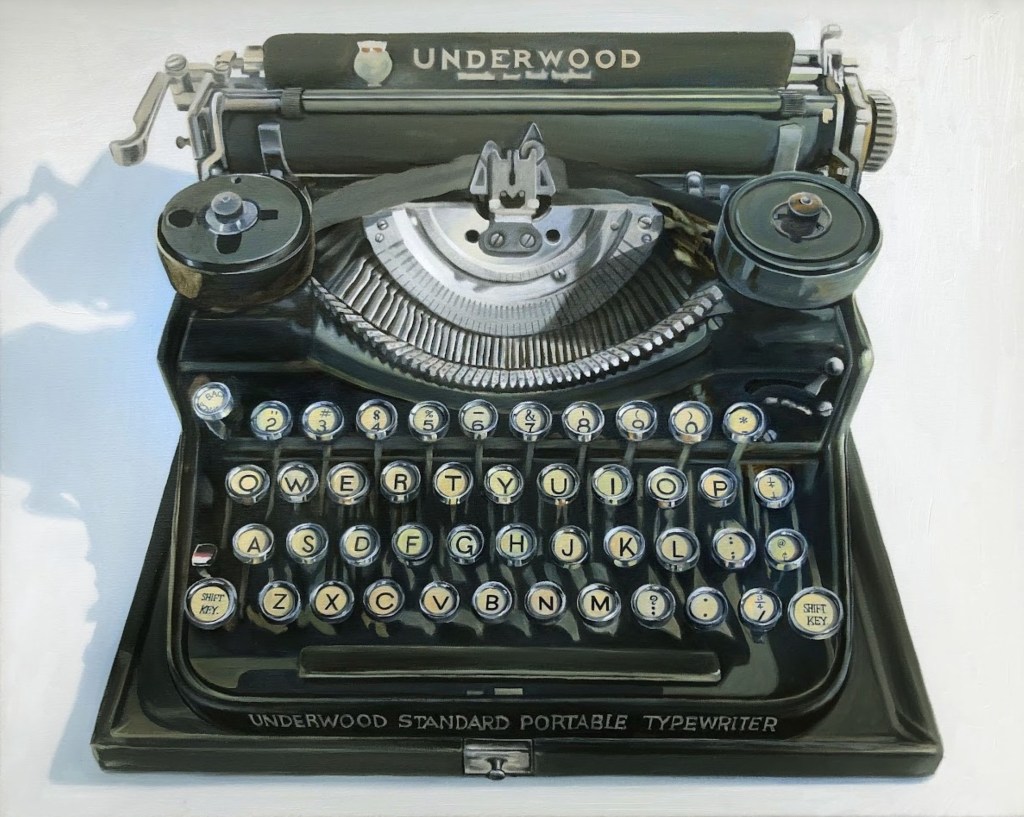
(Pictured: Derek McLarty, “Underwood”, oil on canvas, 24 by 30 inches. Image courtesy of the artist.)

Derek McLarty paints everyday items that have acquired a certain patina as the result of their journey through time. He describes his art as a reaction to our disposable society. His subjects are often analogue objects from a time when we did not “gorge our landfills” with items whose only crime is to have fallen out of fashion. Examples are a black rotary dial phone and a quintessential Underwood typewriter.

His works evoke nostalgia as well as admonishment. He explains, “For viewers, there may be a certain nostalgia in seeing objects that they remember from childhood, but that is not my purpose. I aim to remind viewers of objects that have disappeared from everyday life to draw attention to society’s rampant consumerism.”

While he uses a representational style, he is not a slave to creating a photographic representation of his subjects. He purposely leaves visible brushstrokes and uses an “economy of marks”. He explains, “Leaving traces of the artist’s hand reminds the viewer [a painting is] human-made – rather like many of the objects represented”.

(Pictured: Derek McLarty, “Land Line version 2”, oil on canvas, 16 by 20 inches. Image courtesy of the artist.)

His drive to create is complicated. McLarty admits there is a certain satisfaction in mastering the formal aspects of painting – creating a pleasing composition, choosing colours effectively and even the craft of creating an effective illusion of reality. He also finds that painting is an effective method of communicating his dissatisfaction with society’s “addiction” to “the new, the shiny and the fashionable”.

McLarty is involved in the annual London Artists’ Studio Tour, and his work can be seen in Museum London’s shop as well as at Westland Gallery. In addition, he displays work at Marten Arts Gallery in Bayfield, in the annual Paint Ontario show, and more recently in the Summer and Grace Gallery in Oakville.

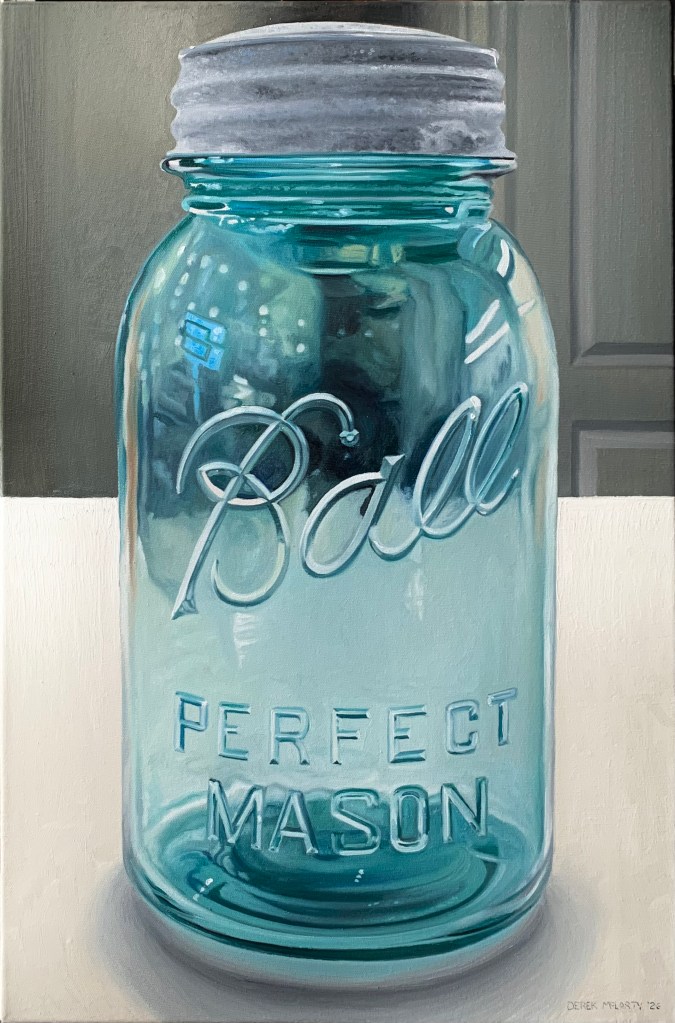
His work “Perfect Mason” is a finalist in the 2026 Kellogg’s Art Competition.

(Pictured: Derek McLarty, “Ball Mason Jar”, oil on canvas, 24 by 16 inches. Image courtesy of the artist.)

To learn more about Derek McLarty, visit www.derekmclartyart.com / Facebook: Derek McLarty / Instagram: @derekmclaryswork / Pinterest: DerekMcLartyArt

By Beth Stewart

Web: https://bethstewart.ca/

Facebook: https://www.facebook.com/profile.php?id=100009620916363
Behind The Scenes with Visual Artist Ryan Boris Hamilton – Bold and Expressive

By Beth Stewart

This is the fifth in an ongoing series in which The Beat Magazine 2025 takes readers “Behind The Scenes” to meet the talented creative individuals who make the London area such a vibrant arts and culture community.

In this segment, Beth Stewart profiles Visual Artist Ryan Boris Hamilton.

(Pictured: Ryan Boris Hamilton, “Woman in Glasses”, mixed media on birch wood panel, 40 by 30 inches. Image courtesy of the artist.)

Ryan Boris Hamilton is primarily a portrait and figure artist, but he explores other subjects as well. While his work varies in style, it typically starts with an acrylic base to which he adds mixed-media elements, such as drawing, wallpaper and fabric. Through layering colours and textures, he finds new ways of “framing” his subjects.

He has now worked as a professional artist for 25 years and has shown across Canada.

The BealArt graduate, who specialized in classical painting techniques, printmaking and sculpture, has lived in Toronto and Vancouver before returning to London. While in Vancouver, he wrote and illustrated a book of poetry. “The Lark, the Trees, the Stars and Me” (2012) is available on Amazon.

(Pictured: Ryan Boris Hamilton, “Woman in Hat”, acrylic on birch wood panel, 24 by 18 inches. Image courtesy of the artist.)

Hamilton has a natural urge to create. He pushes himself to the limit and strives to make each finished piece a “favourite” that must then be surpassed.

He says portraits are challenging as small mistakes have a huge impact. Consequently, it is rewarding when he nails it, and clients are thrilled with portraits of loved ones.

Hamilton was recently part of the London Artists’ Studio Tour. He is an Ontario Arts Council grant recipient and is presently working towards a solo show of his work from the last five years.

Ryan Boris Hamilton is currently in the top 100 for the 2026 Kellogg’s Art Competition. His mixed media on birchwood panel “Man on a Bench” invites viewers to engage with the subject. The figure looks off at something unseen that prompts him to smile, whilst the background is a busy and playful mix of patterns, textures, fabrics and shapes.

(Pictured: Ryan Boris Hamilton, “Man on a Bench”, mixed media on Russian birch wood panel, 36 by 24 inches. Image courtesy of the artist.)

He is active on Instagram at: ryanborishamilton

By Beth Stewart

Beth Stewart is a writer, educator, and visual artist. She has a B.A. and a B.Ed. from the University of Windsor and a Diploma in Art Therapy from Western University. Beth has worked as an Art Therapist with Canadian war veterans and as a Secondary School Teacher of art and English for the TVDSB. She retired in 2024.

Beth was the arts editor at Scene Magazine from 2004 to 2006. She founded Artscape Magazine in 2006 and served as its editor until 2008. In addition, Beth wrote on the arts for Lifestyle Magazine from 2006 to 2017 and served as the copy editor for The Beat (in print) from 2009 to 2013.

As a visual artist, Beth works mainly in dry media and favours coloured pencil. Over the past decade, Beth’s focus has been on wild and domestic birds. Beth is a member of the Coloured Pencil Society of America, the Gallery Painting Group, the Eclectic Collage Collective, the Lambeth Art Association, and a founding member of the Coloured Pencil Artists of Canada group.

Web: https://bethstewart.ca/

Facebook: https://www.facebook.com/profile.php?id=100009620916363

Through the Lens of Rudy Graf: Anne of Green Gables Day at Fanshawe Pioneer Village, July 12.

Photos by Rudy Graf.

The Beat Magazine 2025’s roving photographer, Rudy Graf, was at Anne of Green Gables Day at Fanshawe Pioneer Village on Sunday, July 12, and filed these photos of best friends Anne (played by Catherine Kelly) and Diana.

Throughout the day, there were different events, including story reading with Anne and Diana, Raspberry Cordial making, and Miss Stacey had school at noon.

All Photos by Rudy Graf.

Check out more of Rudy’s work at https://www.facebook.com/rkphotografs/

Can Sugar Road be saved? Can lost love be rekindled? Sugar Road at the Port Stanley Festival Theatre.

Reviewed by Sandi Laird & Tori Laird, Entertain This Thought. Reprinted with the permission of the authors.

(Pictured: Mayson Sonntag as Jesse.  Photo by Shutter Studios.)

One thing we love about Port Stanley Festival Theatre is the proximity of the audience to the stage and actors. It’s up close and heartening. As the scene opens at Sugar Road, an amusement park in small town Ontario, you feel invested. Kudos for this set design go to Eric Bunnell.

Hannah and her somewhat nutty friend Caroline are preparing for a big event – the Spurs & Hearts Festival is coming to Sugar Road with headliner Jesse Emberley. The town is excited, Caroline is ecstatic, but Hannah, who knows this festival will provide a much-needed infusion of cash into the struggling Sugar Road, clearly has reservations. It seems Hannah has a secret. As the story moves forward, we learn more about the sadness, disappointment, and fear that keep Hannah tethered to Sugar Road. She receives support from the amusement park handyman Ray and best pal Caroline but keeps her true feelings close to the vest.

The performances of Sarah Machin Gale, a veteran at PSFT, as Caroline, and Scott Maudsley as Ray stand out. Gale’s Caroline is loud and hilarious and gets the best lines.  Her physical comedic abilities are amazing. The scene in the sleeping bag is awesome.  Maudsley’s Ray is patient and understanding – a friend we all would want. He really comes into his own in the second act as we move towards the unravelling of the secret all the characters want – a longing to be loved for Caroline and Ray, and the rekindling of past love for Hannah and Jesse.

The music – performed by actor Mayson Sonntag – sets the tone for the bittersweet, nostalgic ache felt by MacKinnon as Hannah and Sonntag as Jesse. Their story is revealed largely in flashbacks to when they first crossed paths 12 years prior. A change of shirt, a different hat, and a smiling Hannah establish a stark comparison to their contemporary identities.

Is there a happy ending for this story? PSFT promises “tilt-a-whirls, tiny sugar-covered donuts, a second chance at love, a handsome country music star, loads of laughs, and a twinkling midway.” Get yourself down Sugar Road soon.

Sugar Road continues at the Port Stanley Festival Theatre until July 25.  Tickets are available at the box office at 519-782-4353 or visit psft.ca.

Sugar Road
Written by Kristen DaSilva
Directed by Lee MacDougall
Performed by Sarah Machin Gale, Mayson Sonntag, Erin MacKinnon and Scott Maudsley
Staged managed by Meghan Specht
Set design by Eric Bunnell
Lighting design by Paige Thompson
Video design by Joe Recchia
Costume design by Alex Amini
Port Stanley Festival Theatre, 6-302 Bridge Street, Port Stanley, ON
July 8 to July 25, 2026

Reviewed by Sandi Laird & Tori Laird

To read more of Sandi and Tori’s Reviews, visit Entertain This Thought – Ontario Theatre Reviews

Through the Lens of Rudy Graf: Sunfest ’26, July 9-12.

Photos by Rudy Graf

Sunfest ’26 is back in Victoria Park for its 32nd edition, July 9-12, with a powerful and timely lineup of artists who speak to the moment through rhythm, resistance, and radical joy.

Each Sunfest transforms Victoria Park into one of Canada’s largest and free celebrations of global culture.

The Beat Magazine 2025’s roving photographer, Rudy Graf, was at Sunfest ’26 Friday evening and filed these photos of Kizaba and his band. Kizaba is a singer-songwriter and multi-instrumentalist based in Montreal who is the 2024–2025 Radio Canada Revelation and a pioneer of Congolese electro music.

Other photos are of Sunfest ’26 founder Alfredo Caxaj, CTV-London’s Nick Paparella, Sunfest ’26 volunteers, and festival attendees.

Photos by Rudy Graf

Check out samples of Rudy’s work at https://www.facebook.com/rkphotografs/

Through the Lens of Belinda J. Clements: Art in the Barn, July 11 & 12.

Photos by Belinda J. Clements

The annual Art in the Barn takes place on July 11th & 12th on the Dorchester Fairgrounds. It began in 2015 and was started by Michelle Mundy, a Dorchester resident.

(Art in the Barn founder, Michelle Mundy.)

Folks told her it wouldn’t fly, but she proved them wrong. Now, eleven years later, the event hosts over 200 artisans and vendors. Visitors from all over Ontario and further have made it a roaring success.

There is food, crafts, art, vintage, and something for everyone.

Michelle has an army of wonderful, talented vendors and student volunteers without whom the event would not be possible.

Photos by Belinda J. Clements.

Visit Belinda’s Facebook page to see more samples of her work: https://www.facebook.com/belindajclementsphotography

Behind The Scenes with Izzy Siebert – Much More Than Just A Writer.

by Richard Young

This is the fourth in an ongoing series in which The Beat Magazine 2025 takes readers “Behind The Scenes” to meet the talented creative individuals who make the London area such a vibrant arts and culture community.

In this segment, Richard Young conducts a Q&A Interview with London freelance writer Izzy Siebert.

(Pictured: Izzy Siebert.)

Q. Could you provide me with some basic biographical information – Where were you born? Where did you go to school? Have you always resided in London?

I grew up north of London in the small town of Clinton. There isn’t a theatre scene in Clinton, but it’s close to Blyth and Goderich, so I was lucky enough to get involved in community theatre there, especially thanks to my Grandpa Siebert, who built sets, acted, and was my intro to the stage.

I came to London for university and got my undergrad in English and Psychology at Brescia University College (formerly a Western affiliate), plus a Marketing Diploma at Western Continuing Studies. I really liked London and had begun to take root in the creative community, so I decided to stay. Now, I work for Tourism London and promote the arts, culture, and events that I love about the city.

Q. What attracted you to a career in writing, especially as it relates to arts and culture?

I’ve been writing creatively for as long as I can remember, from short stories as a kid to longer works as a teenager and then poetry as my main creative form for the past several years. Capturing an experience or story and finding the best way to transmit that feeling to others is something that I don’t think will ever stop interesting me. In a way, I’ve always been a writer and an actor, so combining those passions by writing about art seems almost inevitable.

Q. What label best describes you – Part-time Freelance Writer, Full-time Freelance Writer or other?

I am a casual freelance writer, although my day jobs have always included lots of writing. I write creatively and about theatre on the side but wouldn’t be interested in pursuing it full-time since that feels like a recipe for burnout for me. Although I enjoy writing, I don’t always find it easy! It’s more enjoyable to keep it as something I do for fun, rather than something I have to do.

Q. What specific jobs have you held as a writer?

My first writing role was a co-op placement at Clinton’s little local newspaper. As high school co-op placements go, it was an exciting one. I spent my days writing stories about events and businesses in town and even a few features about local theatre productions. It was a thrill to see my writing published.

My first communications job was for the Municipality of Central Huron, where I continued submitting stories to Clinton’s newspaper about community projects. In London, I’ve worked for the Old East Village BIA, St. Joseph’s Health Care, and now Tourism London—all involving writing in various capacities. These days, it’s a lot of social media captions, email newsletters, and website blogs.

Q. Could you tell me about your role in ON Criticism: The 2025/2026 Theatre Critics Lab and Intermission Magazine?

Being part of Intermission Magazine’s ON Criticism 2025/2026 Theatre Critics Lab was such a neat opportunity. Led by Karen Fricker (Editorial Director) and Liam Donovan (Senior Editor), the cohort included emerging and established critics from throughout Ontario. For several months, we met to hear from guest speakers, gain insight into four feature productions, and discuss writing criticism. We had the opportunity to publish a few pieces on Intermission’s website, and these marked my first professional theatre coverage.

My participation encouraged me to become more serious about writing, since before that I sort of just fell into theatre writing. I decided to write a review blog after seeing The Game’s Afoot at the Palace in 2023, and that got me started on reviewing each of their seasons since, but I never had any formal criticism training or mentorship. Theatre writing had been a very solitary practice for me up until ON Criticism, so it was exciting to talk with others about their crafts. I especially appreciated our many discussions about the purpose and ethics of theatre criticism.

Q. I notice you write Reviews for professional and community theatre productions. Is there a difference in how you approach each review?

Reviewing professional productions is still very new to me. Experience, time, and budget give artists more room to play, so it’s important to engage with professional theatre as professional theatre and community theatre as community theatre, considering the capacity they have to create. Which isn’t to say I can’t be surprised by the quality and choices made at both levels!

In professional productions, I find that there can be rich material to dig into, especially on the design side of things, so I enjoy taking a more artistic and analytical perspective in those reviews. I also feel freer in being critical of professional productions since criticism can be valuable feedback as people seek to improve their creative craft.

Q. In a recent Facebook post you revealed that in addition to your writing, you are currently involved with a staged reading of Odesa Company’s Neon Gaslight, this year’s Western Summer Shakespeare’s production of Love’s Labour Lost, and dancing in the ensemble of the Palace Theatre’s production of The Great Gatsby in the fall. Can you tell me about each of these endeavours?

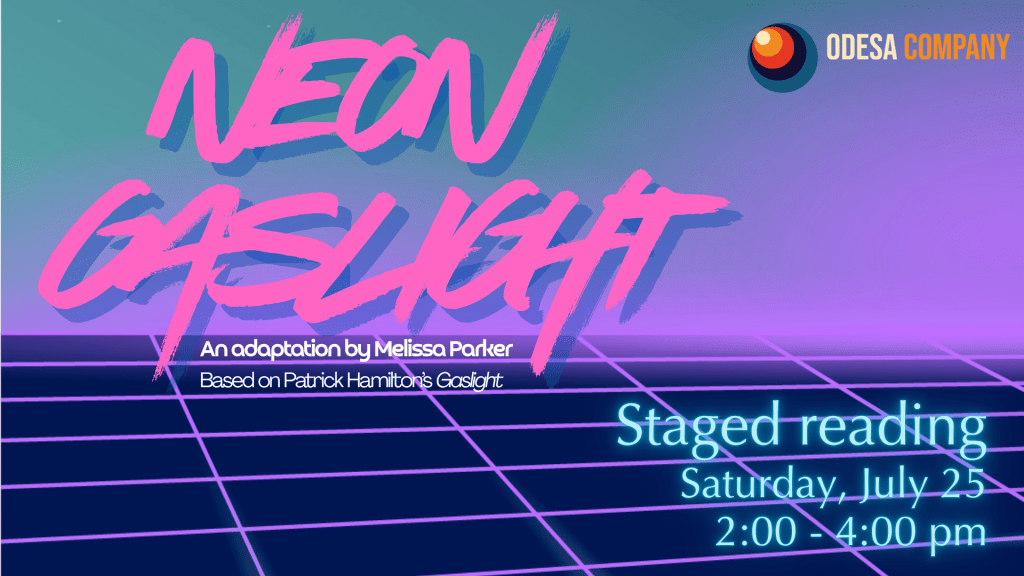
My friend Melissa Parker is reimagining Patrick Hamilton’s 1938 play as Neon Gaslight, putting an 80s twist on the story where the term ‘gaslighting’ originated. I play Liz, the main character’s daughter, in a staged reading on July 25. It’s been exciting as both a writer and a performer to peek into the process of reworking a script. It’s unsettling how much of the domestic horror in the story still feels relevant. Watching the script develop over several months has been a really interesting process, and we’ve been encouraged to add our own notes. I need to dig into the latest draft ASAP!

This is my fourth year being involved with Western Summer Shakespeare and it’s one of my favourite summer traditions in London. I love the whimsy and challenges that come with performing outdoors in a garden on campus. This is the first year I get to play a character with a ton of agency and confidence. Often Shakespeare’s women end up silenced, so it’s very fun to speak my mind as Francesca (originally the Princess of France) in Love’s Labour’s Lost.

For The Great Gatsby at the Palace Theatre, I’m in the ensemble where we’ll be partying and dancing at Gatsby’s house. I’ve never been involved in a show where I haven’t had lines to memorize, so it’s a different kind of homework. I wouldn’t consider myself the most coordinated dancer, but I’m looking to learn and excited to be a part of things.

Q. Obviously, you like to stay busy. What do you do in your spare time for fun?

I love London’s poetry scene. Theatre reviews magically combine my passions for writing and performance, but spoken word perfectly blends those loves too. Acting is about telling someone else’s story, and poetry, for a lot of people, including myself, is about telling your own story, so it’s a fun pairing.

Q. Who is the most famous person you have interviewed and/or written about?

I recently interviewed Sara Farb about her play Love Us Most, which premiered at Here For Now Theatre in Stratford! I had previously seen her act onstage at Stratford, and when the Festival screened Shakespeare plays during the pandemic, which really ignited my love for Shakespeare. It was nerve-wracking but also incredibly neat to speak with Sara about a show she had written.

Q. What is the most memorable performance you have reviewed?

This year so far, I really loved The Importance of Being Earnest at the Grand Theatre! It was just a phenomenally fun show. I was grinning the entire time, and as we left the theatre, all I could think of was how entirely fun the show was. But I can’t write a review just saying, “this was fun!!!” I have to dig into what exactly I liked about it. So, it was an enjoyable challenge to try to talk about a joyous feeling in a grounded way.

Q. Dog or Cat?

Dog!

Q. Beer, Wine, or Cocktail?

Cocktails, but I’m pretty picky with my drinks.

Q. How do you approach reviewing a show you disliked?

As someone personally involved in theatre, I have an immense amount of love for the people who create it and respect for the passion every artist has for their project. Sometimes this becomes a personal challenge when wanting to bring an authentic perspective to how I write about shows.

It’s something I wrestle with all the time, especially given how many theatres are struggling financially. It’s about finding balance and believing that there is something in every show worth celebrating. Then it’s about finding that thing and how to share it, while acknowledging aspects that might not have worked for you in the production. Sometimes what doesn’t work for me works for others.

Q. Are you a morning person or a nighthawk?

Night owl, which works well as a theatre reviewer. I can come home after the show and brain dump my initial thoughts before heading to bed and settling in to write the next day.

Q. Where do you see yourself ten years from now?

Even more deeply immersed in London’s theatre community! I’ve been publishing across various blogs for the past couple of years, but this summer I just started my own Substack (IzzaReview) so this coming theatre season I can dig even more seriously into review writing. It feels like a big step and one I’m excited about.

Q. How did you feel about answering these questions?

I’ve more often been the interviewer than the interviewee, so definitely a new experience!

Q. Is there anything else you think our readers should know about Izzy Siebert, the writer, and Izzy Siebert, the person?

Honestly, it can be hard to separate the two. I would say Izzy the writer ends up much more confident and eloquent than Izzy the person. I’m better with an editor… but aren’t we all!

Interview conducted by Richard Young, Publisher & Content Manager, The Beat Magazine 2025, July 8, 2026.

Exquisite Acting and Humour Will Make You Want to Experience Misery at the Huron Country Playhouse.

Reviewed by Vicki Stokes, Entertain This Thought. Reprinted with the permission of the author.

(Pictured: Randy Hughson and Tracey Ferencz. Photo by Drayton Entertainment.)

Prepare to be thrilled by Misery, now on the South Huron stage at Huron Country Playhouse. Last fall, Misery was staged at St. Jacobs Country Playhouse to positive reviews.

If you are unfamiliar with the book or the movie, Misery is the story of Paul Sheldon, a famous author who crashes his car during a snowstorm and is saved by his greatest fan, Annie Wilkes. While at first it seems Annie, a former nurse, has done everything she can despite the dire circumstances – blocked roads, widespread power outages and no phone service – we quickly discover that Annie isn’t quite so altruistic. Paul is held hostage while Annie forces him to walk back the death of her favourite character, Misery. Meanwhile, the town sheriff dismisses the FBI’s weak conclusions and does his own investigation, zeroing in on Annie and her suspicious behaviour.

Stephen King is the king of the horror genre, but Misery is a psychological thriller that can appeal to more than just horror fans. Paul’s feeling of being chained to the Misery series arose from King’s horror fans rejecting his fantasy novel. Paul’s self-proclaimed “number one fan,” Annie, represents King’s addictions and struggles to overcome them. The mental tango between Annie and Paul is mesmerizing to watch. Misery is riveting yet full of sarcastic wit, an enjoyable experience and not just a horror show.

The play, written by William Goldman, has changes for the sake of the stage, but it remains true to the complex character of Annie and to Paul’s mental reasoning. The decision to omit the intermission keeps up the momentum, and it’s not so lengthy that you lose attention. The average theatre-goer won’t need to go, so to speak.

The acting is exquisite, with Tracey Ferencz and Randy Hughson as the two leads. Roy Lewis plays the sleuthing sheriff and is also fight captain for this play. The emotional and physical pain feels real with these actors at the helm.

The rotating set draws you in as it whisks you from room to room of Annie’s gloomy home. Wintry sounds and lighting to simulate the passage of the days add to the realism.

While Stephen King horror is not everyone’s cup of tea, the tamer stage play has wider appeal. Everyone can appreciate Paul’s attempts to outwit the cunning and deranged Annie. Be aware that there’s strong language and simulated violence, which may be triggering for some. If that doesn’t bother you, Misery is one to see if you can.

Misery continues until July 18th at Huron Country Playhouse, South Huron Stage. Tickets are available by calling the Box Office at 519-238-6000, or Toll-Free at 1-855-372-9866, or by checking www.huroncountryplayhouse.com for availability.

Misery
Written by William Goldman
Based on the Novel by Stephen King
Directed by Skye Brandon
Performed by Tracey Ferencz, Randy Hughson, Roy Lewis
Produced by Drayton Entertainment
South Huron Stage, Huron Country Playhouse, Grand Bend
July 2nd to July 18th, 2026.

Reviewed by Vicki Stokes

To read more of Vicki’s Reviews, visit Entertain This Thought – Ontario Theatre Reviews